Skip to Content Facebook Feature Image

A Greenland sled dog champion fears for his culture as climate change melts the ice

News

A Greenland sled dog champion fears for his culture as climate change melts the ice
News

News

A Greenland sled dog champion fears for his culture as climate change melts the ice

2026-02-17 13:22 Last Updated At:15:41

ILULISSAT, Greenland (AP) — Growing up in a village in northern Greenland, Jørgen Kristensen’s closest friends were his stepfather’s sled dogs. Most of his classmates were dark-haired Inuit; he was different. When he was bullied at school for his fair hair — an inheritance from the mainland Danish father he never knew — the dogs came to him.

He first went out to fish on the ice with them alone when he was 9 years old. They nurtured the beginning of a life-long love affair and Kristensen’s career as a five-time Greenlandic dog sled champion.

More Images
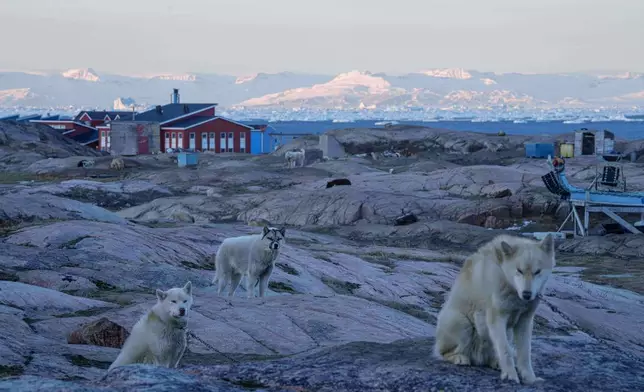
Greenlandic sled dogs stand in Ilulissat, Greenland, Tuesday, Jan. 27, 2026. (AP Photo/Evgeniy Maloletka)
Greenlandic sled dogs stand in Ilulissat, Greenland, Tuesday, Jan. 27, 2026. (AP Photo/Evgeniy Maloletka)

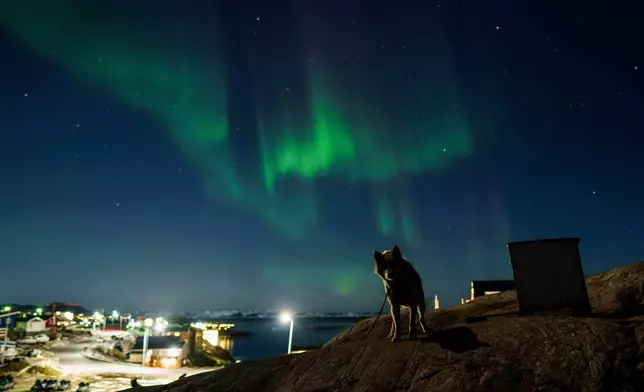
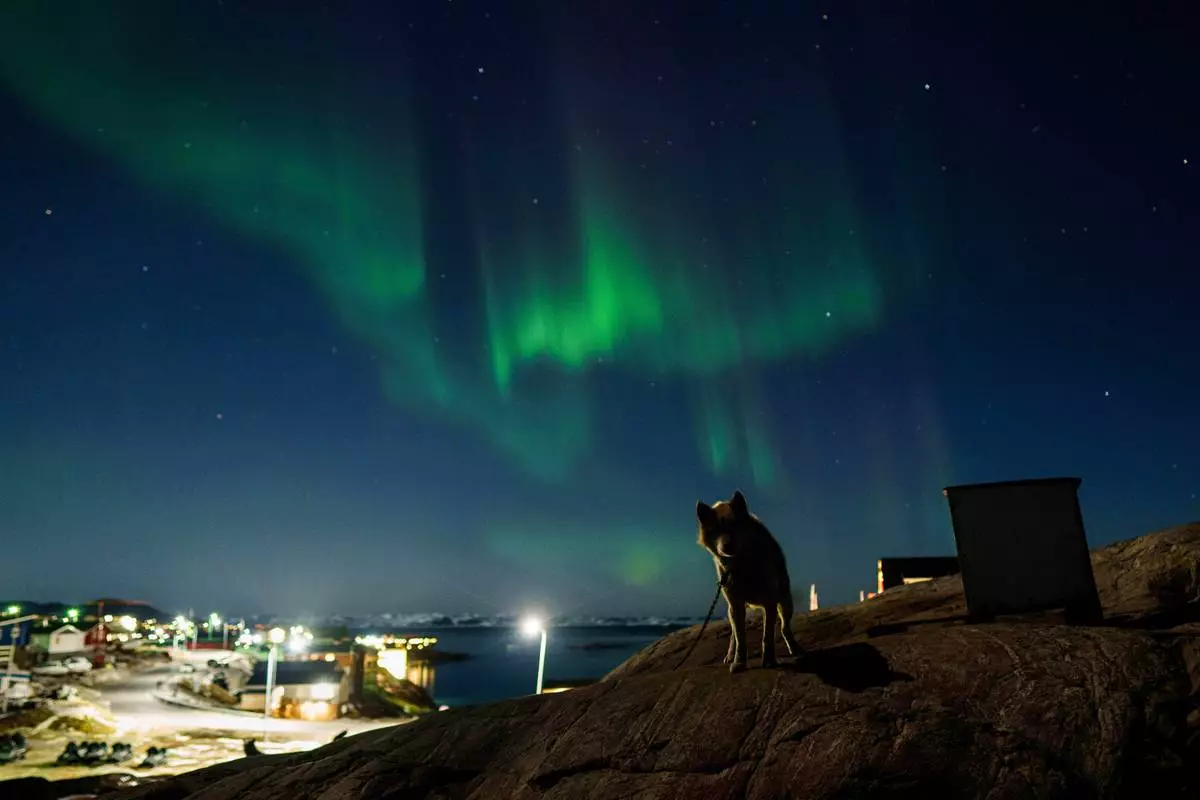
A sled dog stands as the northern lights shine over Ilulissat, Greenland, Wednesday, Jan. 28, 2026. (AP Photo/Evgeniy Maloletka)
A sled dog stands as the northern lights shine over Ilulissat, Greenland, Wednesday, Jan. 28, 2026. (AP Photo/Evgeniy Maloletka)

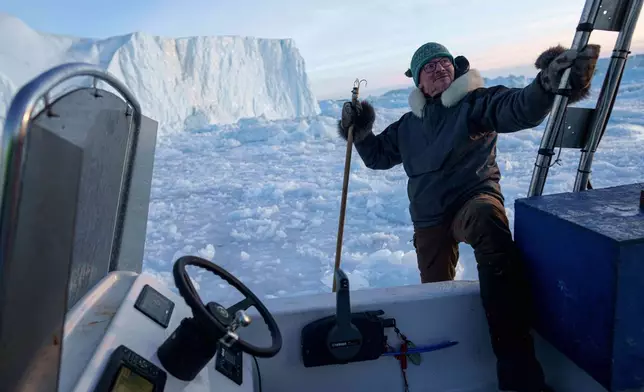
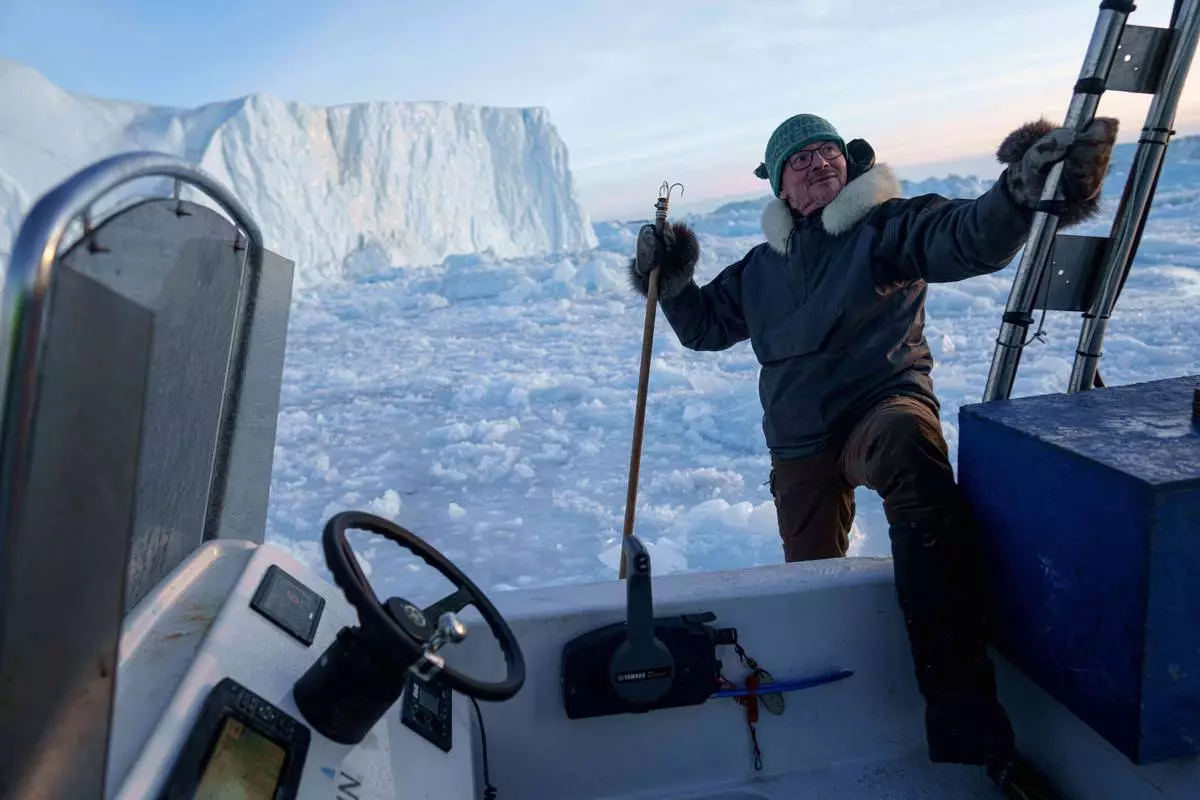
Jørgen Kristensen gets on a boat by an iceberg at Disko Bay near Ilulissat, Greenland, Thursday, Jan. 29, 2026. (AP Photo/Evgeniy Maloletka)
Jørgen Kristensen gets on a boat by an iceberg at Disko Bay near Ilulissat, Greenland, Thursday, Jan. 29, 2026. (AP Photo/Evgeniy Maloletka)

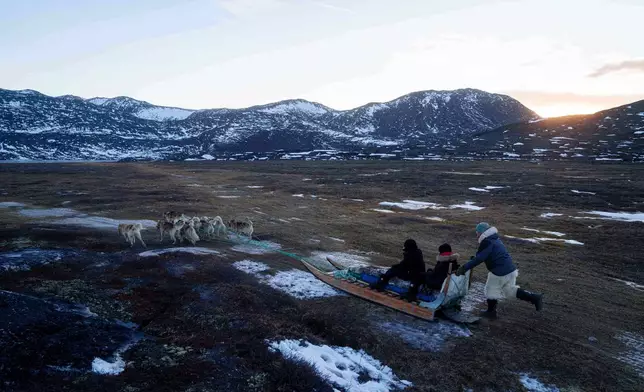
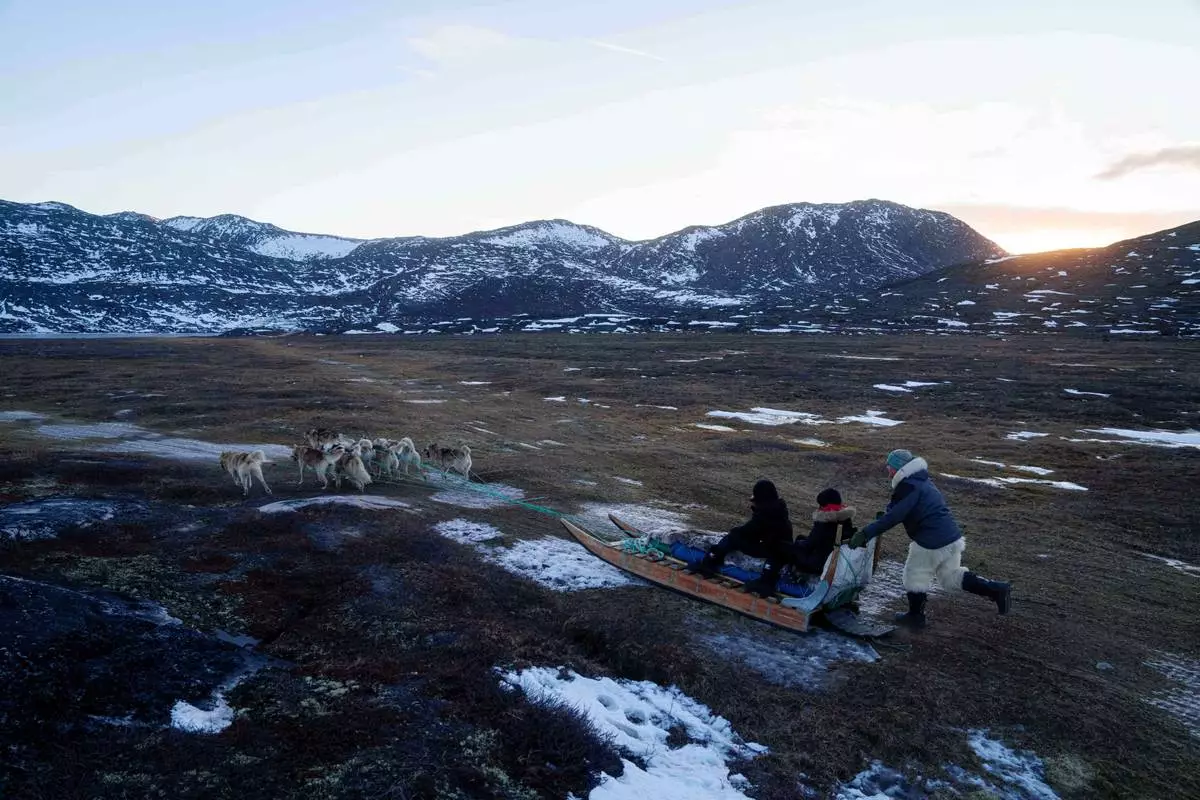
Jørgen Kristensen rides with his sled dogs in Ilulissat, Greenland, Tuesday, Jan. 27, 2026. (AP Photo/Evgeniy Maloletka)
Jørgen Kristensen rides with his sled dogs in Ilulissat, Greenland, Tuesday, Jan. 27, 2026. (AP Photo/Evgeniy Maloletka)

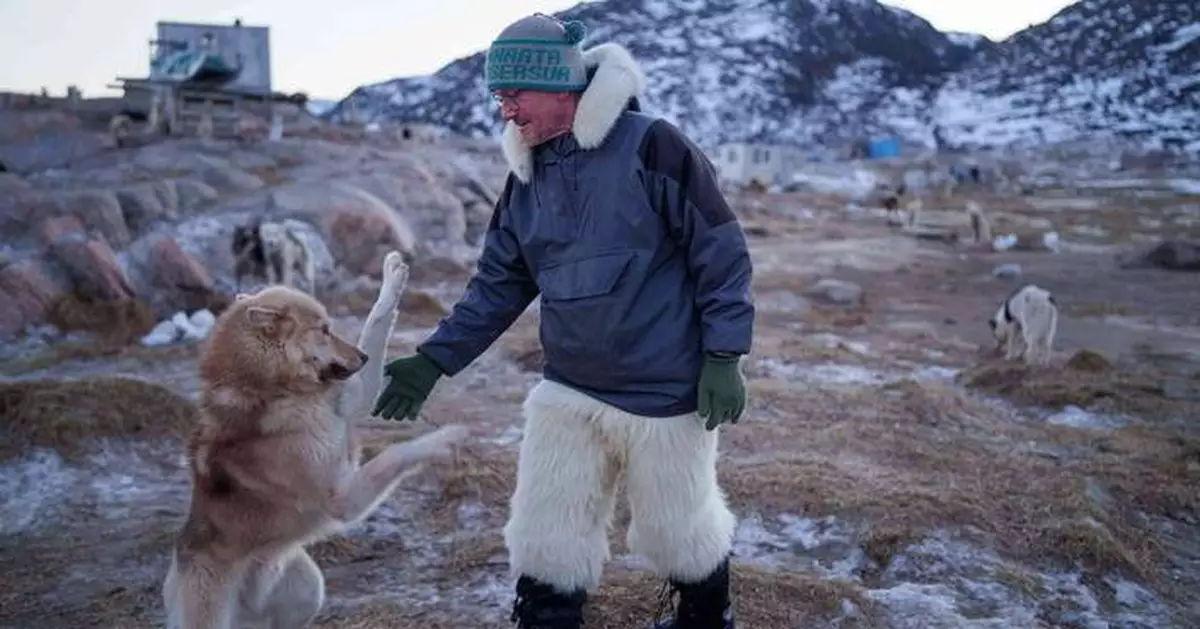
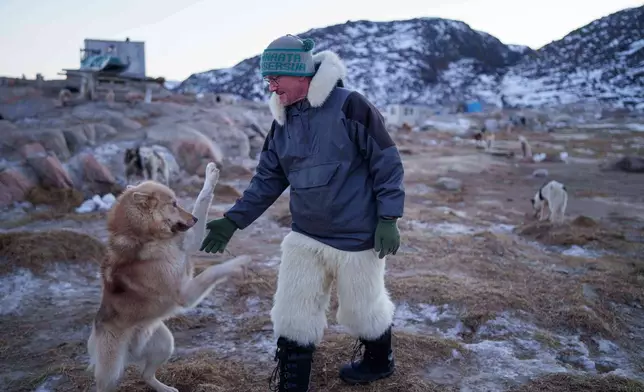
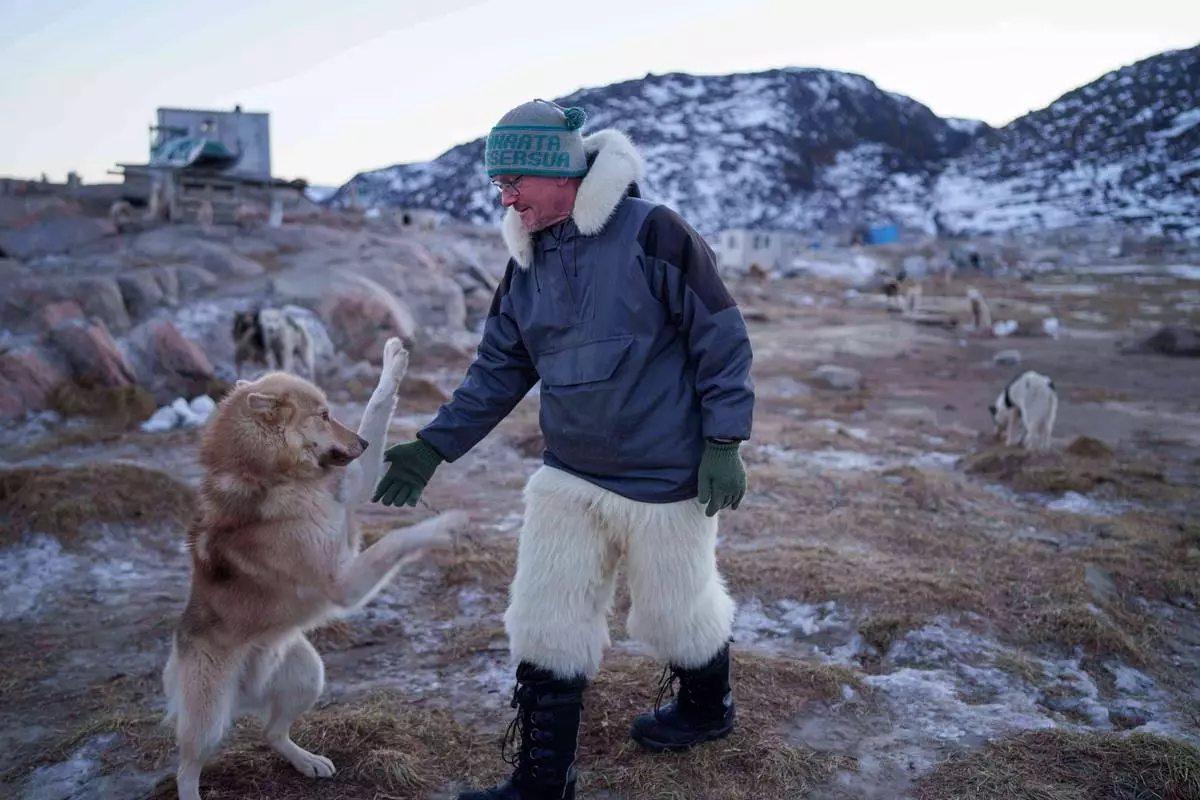
Jørgen Kristensen pets his sled dog before a ride in Ilulissat, Greenland, Tuesday, Jan. 27, 2026. (AP Photo/Evgeniy Maloletka)

Jørgen Kristensen pets his sled dog before a ride in Ilulissat, Greenland, Tuesday, Jan. 27, 2026. (AP Photo/Evgeniy Maloletka)

“I was just a small child. But many years later, I started thinking about why I love dogs so much,” Kristensen, 62, told The Associated Press.

“The dogs were a great support,” he said. “They lifted me up when I was sad.”

For more than a thousand years, dogs have pulled sleds across the Arctic for Inuit seal hunters and fishermen. But this winter, in the town of Ilulissat, around 300km (186 miles) north of the Arctic Circle, that’s not possible.

Instead of gliding over snow and ice, Kristensen’s sled bounces over earth and rock. Gesturing to the hills, he said it’s the first time he can remember when there has been no snow — or ice in the bay — in January.

The rising temperatures in Ilulissat are causing the permafrost to melt, buildings to sink and pipes to crack but they also have consequences that ripple across the rest of the world.

The nearby Sermeq Kujalleq glacier is one of the fastest-moving and most active on the planet, sending more icebergs into the sea than any other glacier outside Antarctica, according to the United Nations cultural organization UNESCO. As the climate has warmed, the glacier has retreated and carved off chunks of ice faster than ever before — significantly contributing to sea levels that are rising from Europe to the Pacific Islands, according to NASA.

The melting ice could reveal untapped deposits of critical minerals. Many Greenlanders believe that’s why U.S. President Donald Trump turned their island into a geopolitical hotspot with his demands to own it and previous suggestions that the U.S. could take it by force.

In the 1980s, winter temperatures in Ilulissat regularly hovered around -25 Celsius (-13 Fahrenheit) in winter, Kristensen said.

But nowadays, he said, there are many days when the temperature is above freezing — sometimes it can be as warm as 10 Celsius (50 Fahrenheit.)

Kristensen said he now has to collect snow for the dogs to drink during a journey because there isn’t any along the route.

Although Greenlanders have always adapted — and could make dog sleds with wheels in future — the loss of the ice is affecting them deeply, said Kristensen, who now runs his own company showing tourists his Arctic homeland.

“If we lose the dog sledding, we have large parts of our culture that we’re losing. That scares me,” he told AP, pressing his lips together and becoming tearful.

In winter, hunters should be able to take their dogs far out on the sea ice, Kristensen told AP. The ice sheets act like “big bridges,” connecting Greenlanders to hunting grounds but also to other Inuit communities across the Arctic in Canada, the United States and Russia.

“When the sea ice used to come, we felt completely open along the entire coast and we could decide where to go,” Kristensen said.

This January, there was no ice at all.

Driving a dog sled on ice is like being “completely without boundaries — like on the world’s longest and widest highway,” he said. Not having that is “a very great loss.”

Several years ago, Greenland’s government had to provide financial support to many families in the far north of the island after the sea ice did not freeze hard enough for hunting, said Sara Olsvig, chair of the Inuit Circumpolar Council, which represents Inuit people from across Arctic nations.

The warming weather also makes life more dangerous for fishermen who have swapped their dog sleds for boats, because there is more rain instead of snow, said Morgan Angaju Josefsen Røjkjær, Kristensen’s business partner.

When snow falls and is compressed, air is trapped between the flakes, giving the ice its brilliant white color. But when rain freezes, the ice that forms contains little air and looks more like glass.

A fisherman can see the white ice and try to avoid it, but the ice formed from rain takes on the color of the sea – and that’s dangerous because “it can sink you or throw you off your boat,” said Røjkjær.

Climate change, Olsvig said, “is affecting us deeply,” and is amplified in the Arctic, which is “warming three to four times faster than the global average.”

Over the course of his lifetime, the Sermeq Kujalleq glacier has retreated by about 40 kilometers (25 miles) said Karl Sandgreen, 46, the head of Ilulissat’s Icefjord Center which is dedicated to documenting the glacier and its icebergs.

Looking out of the window at hills which would normally be covered with snow, Sandgreen described mountain rock revealed by melting ice and a previously ice-covered valley inside the fjord where “there’s nothing now.”

Pollution is also speeding up the ice melt, Sandgreen said, describing how Sermeq Kujalleq is melting from the top down, unlike glaciers in Antarctica which largely melt from the bottom up as sea temperatures rise.

This is exacerbated by two things: black carbon, or soot spewed from ship engines, and debris from volcanic eruptions. They blanket the snow and ice with dark material and reduce reflection of sunlight, instead absorbing more heat and speeding up melting. Black carbon has increased in recent decades with more ship traffic in the Arctic, and nearby Iceland has periodic volcanic eruptions.

Many Greenlanders told AP they believe the melting ice is the reason Trump — a leader who has called climate change “the greatest con job ever” — wants to own the island.

“His agenda is to get the minerals, ” Sandgreen said.

Since Trump returned to office, fewer climate scientists from the U.S. have visited Ilulissat, Sandgreen said. The U.S president needs to “listen to the scientists,” who are documenting the impact of global warming, he said.

Kristensen said he tries to explain the consequences of global warming to the tourists who he takes out on dog sled rides or on visits to the icebergs. He said he tells them how Greenland’s glaciers are as important as the Amazon rainforest in Brazil.

International summits, such as the United Nations climate talks in November in the Amazon gateway city of Belem, play a role, but it’s just as important to “teach children all over the world” about the importance of ice and oceans, alongside subjects like math, Kristensen said

“If we don’t start with the children, we can’t really do anything to help nature. We can only destroy it,” Kristensen said.

The Associated Press’ climate and environmental coverage receives financial support from multiple private foundations. AP is solely responsible for all content. Find AP’s standards for working with philanthropies, a list of supporters and funded coverage areas at AP.org.
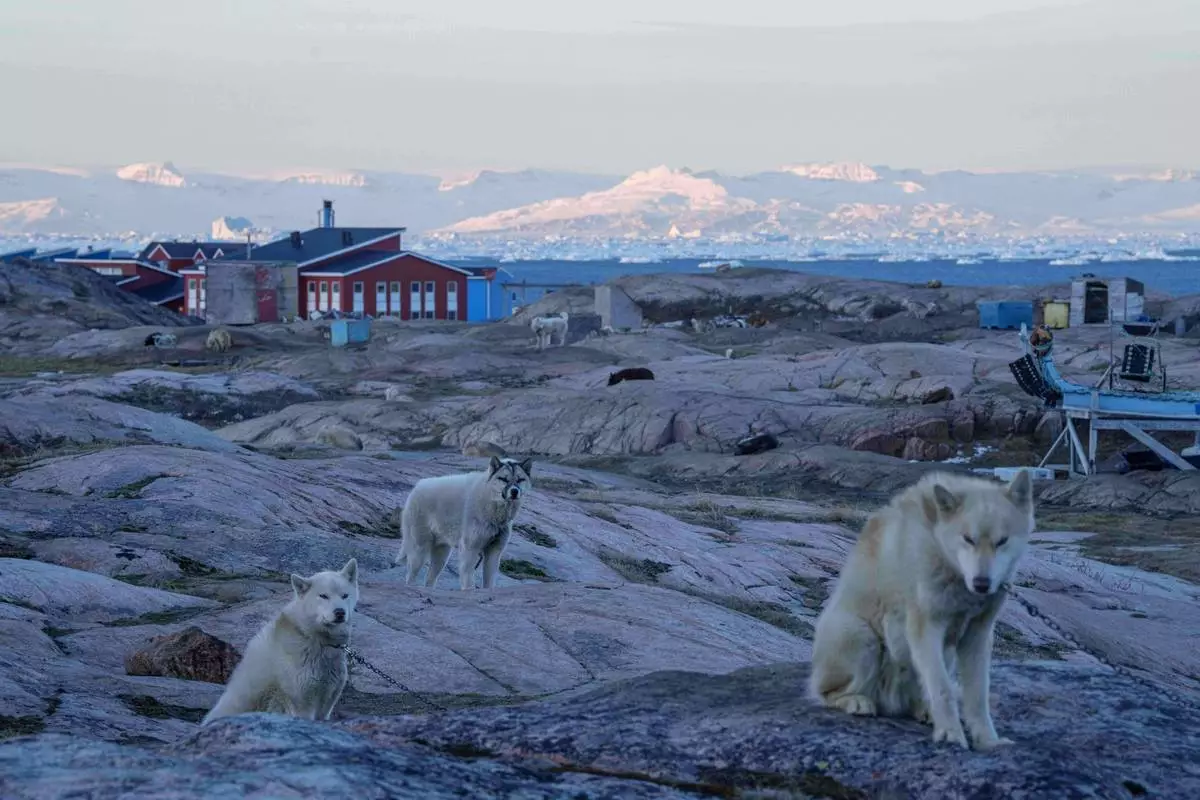
Greenlandic sled dogs stand in Ilulissat, Greenland, Tuesday, Jan. 27, 2026. (AP Photo/Evgeniy Maloletka)
Greenlandic sled dogs stand in Ilulissat, Greenland, Tuesday, Jan. 27, 2026. (AP Photo/Evgeniy Maloletka)

A sled dog stands as the northern lights shine over Ilulissat, Greenland, Wednesday, Jan. 28, 2026. (AP Photo/Evgeniy Maloletka)
A sled dog stands as the northern lights shine over Ilulissat, Greenland, Wednesday, Jan. 28, 2026. (AP Photo/Evgeniy Maloletka)

Jørgen Kristensen gets on a boat by an iceberg at Disko Bay near Ilulissat, Greenland, Thursday, Jan. 29, 2026. (AP Photo/Evgeniy Maloletka)
Jørgen Kristensen gets on a boat by an iceberg at Disko Bay near Ilulissat, Greenland, Thursday, Jan. 29, 2026. (AP Photo/Evgeniy Maloletka)

Jørgen Kristensen rides with his sled dogs in Ilulissat, Greenland, Tuesday, Jan. 27, 2026. (AP Photo/Evgeniy Maloletka)
Jørgen Kristensen rides with his sled dogs in Ilulissat, Greenland, Tuesday, Jan. 27, 2026. (AP Photo/Evgeniy Maloletka)

Jørgen Kristensen pets his sled dog before a ride in Ilulissat, Greenland, Tuesday, Jan. 27, 2026. (AP Photo/Evgeniy Maloletka)


Jørgen Kristensen pets his sled dog before a ride in Ilulissat, Greenland, Tuesday, Jan. 27, 2026. (AP Photo/Evgeniy Maloletka)

MELBOURNE, Australia (AP) — The Australian government will not repatriate from Syria a group of 34 women and children with alleged ties to the militant Islamic State group, Prime Minister Anthony Albanese said Tuesday.

The women and children from 11 families were supposed to fly from Syria to Australia, but Syrian authorities on Monday turned them back to Roj detention camp because of procedural problems, officials said.

Only two groups of Australians have been repatriated with government help from Syrian camps since the fall of the Islamic State group in 2019. Other Australians have also returned without government assistance.

Albanese would not comment on a report that the latest women and children had Australian passports.

“We’re providing absolutely no support and we are not repatriating people,” Albanese told Australian Broadcasting Corp. in Melbourne.

“We have no sympathy, frankly, for people who traveled overseas in order to participate in what was an attempt to establish a caliphate to undermine, destroy, our way of life. And so, as my mother would say, ‘You make your bed, you lie in it,’” Albanese added.

In his remarks, Albanese was referring to the IS militants' capture of wide swaths of land more than a decade ago that stretched across a third of Syria and Iraq, territory where the extremists established their so-called caliphate.

At the height of its control, IS declared the city of Raqqa its capital, with jihadis from foreign countries traveling to Syria to join the IS. Over the years, they had families and raised children there.

Opposition leader Angus Taylor demanded Albanese explain whether his government had considered banning the Australians from returning. So-called temporary exclusion orders enable a government minister to prevent high-risk citizens located overseas from returning to Australia for up to two years.

“These are individuals who chose to associate with a terrorist caliphate. This is not aligned with the values we as Australians believe in — democracy, the rule of law, our basic freedoms including freedom of religion,” Taylor told reporters.

“The door must be shut to people who do not believe in those things,” Taylor added.

Asked about using temporary exclusion orders in this case, Albanese did not directly answer. “What we will do on national security issues is we deal with it appropriately upon advice” of security agencies, Albanese told reporters.

Albanese noted that the child welfare-focused international charity Save the Children had failed to establish in Australia’s courts that the Australian government had a responsibility to repatriate citizens from Syrian camps.

After the federal court ruled in the government's favor in 2024, Save the Children Australia chief executive Mat Tinkler argued the government had a moral, if not legal, obligation to repatriate families.

Albanese said if the latest group made their way to Australia without government help, they could be charged.

Under Australian law, it was an offense punishable by up to 10 years in prison to travel to Raqqa in Syria and elsewhere in the caliphate without a legitimate reason from 2014 to 2017.

“It’s unfortunate that children are impacted by this as well, but we are not providing any support. And if anyone does manage to find their way back to Australia, then they’ll face the full force of the law, if any laws have been broken,” Albanese added.

The Islamic State group was defeated by a U.S.-led coalition in Iraq in 2017, and in Syria two years later, but IS sleeper cells still carry out deadly attacks in both countries. During the battles against IS, thousands of extremists and tens of thousands of women and children linked to them were taken to detention camps.

Manager Hakmiyeh Ibrahim of the Roj camp in northeastern Syria told The Associated Press that relatives of the Australians said the Australian government had prepared the camp residents' passports and travel paperwork and suggested that their families collect those documents.

The last group of Australians to be repatriated from Syrian camps arrived in Sydney in October 2022.

They were four mothers, former partners of Islamic State supporters, and 13 children.

Australian officials had assessed the group as the most vulnerable among 60 Australian women and children held in Roj camp, the government said at the time.

Eight children of two slain Australian IS fighters were repatriated from Syria in 2019 by the conservative government that preceded Albanese’s center-left Labor Party administration.

The issue of IS supporters resurfaced in Australia after the killings of 15 people at a Jewish festival at Bondi Beach on Dec. 14 — attackers allegedly inspired by IS.

Some countries are repatriating their citizens with alleged IS links from Syria while others are not. Iraq has repatriated most of its citizens, who accounted for the largest number of detainees, after Syrians. The United States, Germany, Britain, France, Italy, the Netherlands, Belgium and Canada have all repatriated citizens from Syrian camps.

Last year, families repatriated from Roj camp included German, British and French nationals.

Separately, thousands of accused IS militants who were held in detention centers in northeastern Syria have been transferred to Iraq by the U.S. military to stand trial there.

Associated Press journalist Hogir Al Abdo in Qamishli, Syria, contributed to this report.

Family members of suspected Islamic State militants who are Australian nationals board a van heading to the airport in Damascus during the first repatriation operation of the year, at Roj Camp in eastern Syria, Monday, Feb. 16, 2026. Thirty-four Australian citizens from 11 families departed the camp. (AP Photo/Baderkhan Ahmad)

Family members of suspected Islamic State militants who are Australian nationals board a van heading to the airport in Damascus during the first repatriation operation of the year, at Roj Camp in eastern Syria, Monday, Feb. 16, 2026. Thirty-four Australian citizens from 11 families departed the camp. (AP Photo/Baderkhan Ahmad)

Family members of suspected Islamic State militants who are Australian nationals sit in a van heading to the airport in Damascus during the first repatriation operation of the year, at Roj Camp in eastern Syria, Monday, Feb. 16, 2026. Thirty-four Australian citizens from 11 families departed the camp. (AP Photo/Baderkhan Ahmad)

Family members of suspected Islamic State militants who are Australian nationals sit in a van heading to the airport in Damascus during the first repatriation operation of the year, at Roj Camp in eastern Syria, Monday, Feb. 16, 2026. Thirty-four Australian citizens from 11 families departed the camp. (AP Photo/Baderkhan Ahmad)

Family members of suspected Islamic State militants who are Australian nationals walk toward a van bound for the airport in Damascus during the first repatriation operation of the year at Roj Camp in eastern Syria, Monday, Feb. 16, 2026. Thirty-four Australian citizens from 11 families departed the camp. (AP Photo/Baderkhan Ahmad)

Family members of suspected Islamic State militants who are Australian nationals walk toward a van bound for the airport in Damascus during the first repatriation operation of the year at Roj Camp in eastern Syria, Monday, Feb. 16, 2026. Thirty-four Australian citizens from 11 families departed the camp. (AP Photo/Baderkhan Ahmad)

Family members of suspected Islamic State militants who are Australian nationals walk toward a van bound for the airport in Damascus during the first repatriation operation of the year at Roj Camp in eastern Syria, Monday, Feb. 16, 2026. Thirty-four Australian citizens from 11 families departed the camp. (AP Photo/Baderkhan Ahmad)

Family members of suspected Islamic State militants who are Australian nationals walk toward a van bound for the airport in Damascus during the first repatriation operation of the year at Roj Camp in eastern Syria, Monday, Feb. 16, 2026. Thirty-four Australian citizens from 11 families departed the camp. (AP Photo/Baderkhan Ahmad)

Family members of suspected Islamic State militants who are Australian nationals board a van heading to the airport in Damascus during the first repatriation operation of the year, at Roj Camp in eastern Syria, Monday, Feb. 16, 2026. Thirty-four Australian citizens from 11 families departed the camp. (AP Photo/Baderkhan Ahmad)

Family members of suspected Islamic State militants who are Australian nationals board a van heading to the airport in Damascus during the first repatriation operation of the year, at Roj Camp in eastern Syria, Monday, Feb. 16, 2026. Thirty-four Australian citizens from 11 families departed the camp. (AP Photo/Baderkhan Ahmad)

Recommended Articles