As the Chinese New Year holiday, or the Spring Festival, increasingly evolves from a "Chinese festival" into a global celebration, China Media Group's 2026 Spring Festival Gala has taken on a new mission: to allow the rest of the world to share in the joy and festivity of the grandest annual holiday season in China, and to experience the richness and vibrancy of Chinese culture.
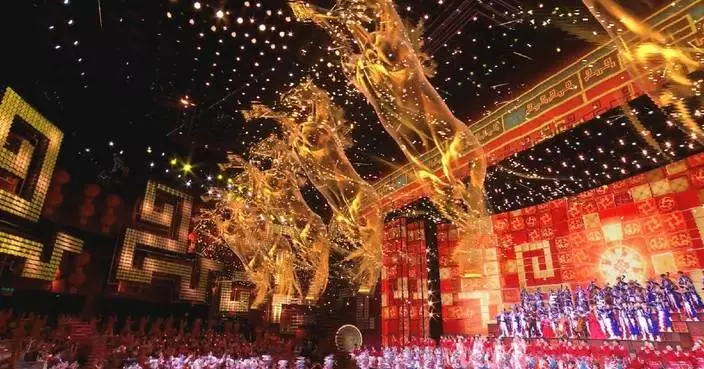
The Chinese media conglomerate unveiled its much-anticipated 2026 Spring Festival Gala on Feb. 16 -- the Chinese New Year's Eve -- with a spectacular display of dance, music and culture, drawing a vast global audience and underscoring the event's growing international reach.
Preliminary statistics indicate that as of midnight on Feb. 16, the Spring Festival Gala's omnichannel live broadcast reached a cumulative audience of 677 million viewers. Its overseas influence continued to expand, with the gala broadcast on nearly 4,000 international media outlets, a 37.95-percent year-on-year increase.
For Chinese people, the Spring Festival Gala is more than just a TV show. It has become an indispensable "cultural feast" and emotional bond for the Chinese people on the eve of the Chinese New Year. Through fostering reunion and companionship and telling the stories of ordinary people, it encapsulates the country's hopes and heritage, making it an irreplaceable emotional and cultural touchstone for billions of Chinese people worldwide.
Broadcast globally in multiple languages, the gala allows overseas Chinese to participate in the same celebration as their families back in China, bridging geographical distances and reinforcing a shared cultural identity. It is a reminder that, no matter where they are, they are part of a larger community.
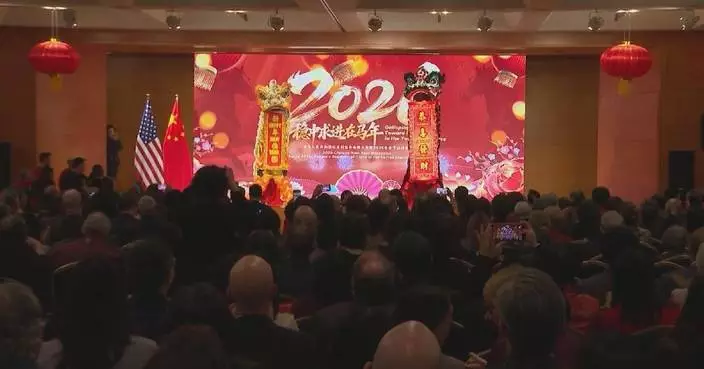
On Monday evening, a large audience, including local residents, overseas Chinese, international students, and tourists from other parts of the world, gathered in Dubai's International City to watch the gala live. They immersed themselves in a joyful atmosphere filled with laughter and admiration. It's the first time that the gala was broadcast live in the United Arab Emirates (UAE).
"I think this gala is very important because it allows foreigners like us to connect with Chinese people. It gives us more opportunities to share happiness and experience Chinese life and culture," said Gianluca Salvicchi, a viewer from Italy.
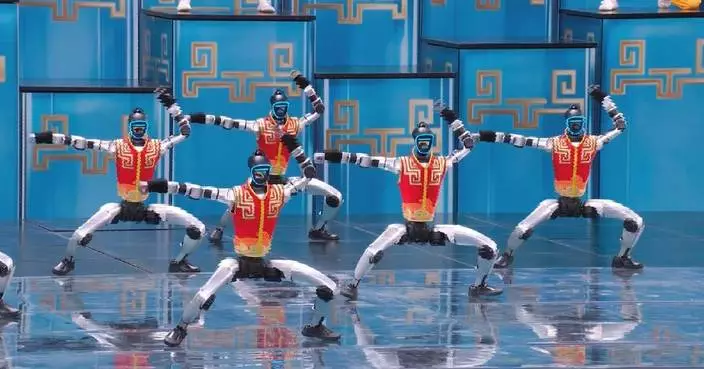
"China's high-tech achievements were displayed at the gala, which has a particularly positive effect to enhancing our overseas Chinese people's cultural confidence and strengthen our bonds with the motherland. We know that our country is getting better and better, and technology is the driving force behind our nation's development," said Li Dongxia, an overseas Chinese viewer.
The Moscow City Government has hosted the Spring Festival celebrations for three consecutive years, making it an important window for cultural exchanges between China and Russia.
This year marks the third consecutive year that the Spring Festival Gala has been broadcast live on VK, Russia's largest social media platform, and it is also the first time the Spring Festival Gala has been broadcast live near the iconic Red Square.
Although it was not a holiday, and Moscow experienced a blizzard with temperatures plummeting to negative 15 degrees Celsius and gusts of wind reaching around Level 7, many local Russians and Chinese tourists still watched the gala live on an outdoor screen at the Manezhnaya Square at the heart of Moscow.
Since first being broadcast in 1983, the gala has been recognized by Guinness World Records as the most-watched annual television program on the planet.
The Spring Festival is the most important traditional holiday for the Chinese people. It falls on Tuesday this year, ushering in a Year of the Horse -- the seventh of the 12 animals in the Chinese zodiac.
The Spring Festival itself was inscribed on UNESCO's Representative List of the Intangible Cultural Heritage of Humanity in December 2024.
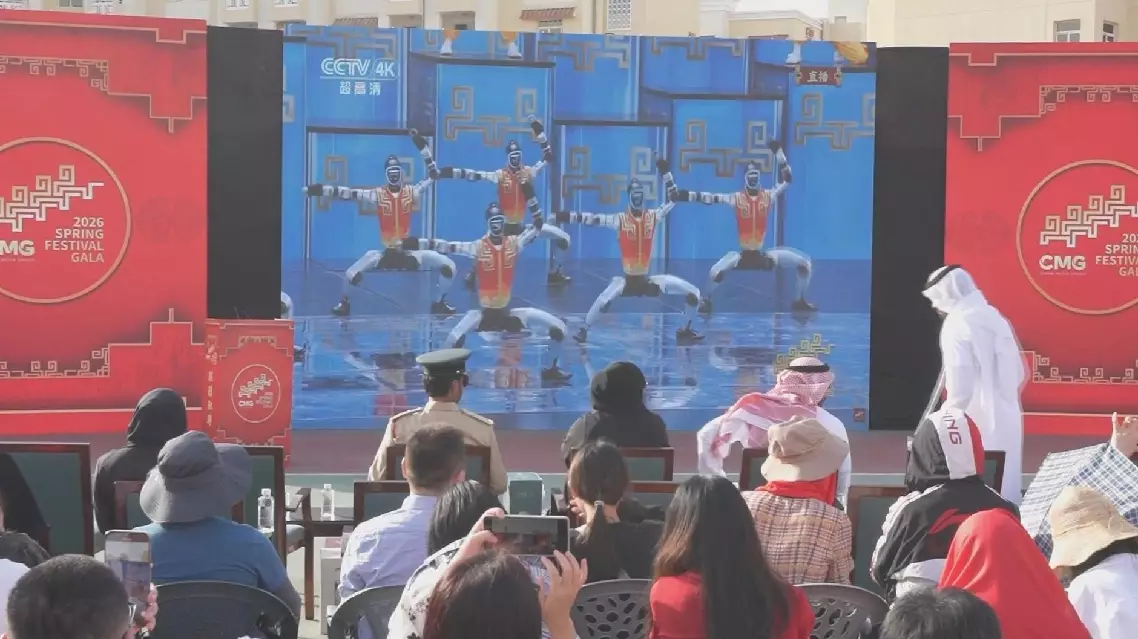
Spring Festival Gala allows global viewers to experience richness, vibrancy of Chinese culture