Wild fish catches in the Philippines have plunged by more than half a million metric tons since 2010, leaving 88 percent of stocks overfished and exposing deepening poverty and food insecurity across coastal communities, according to a new Oceana report.
In Cavite City, the crisis is visible at dawn. After a long night at sea, fishing boats return with only a few buckets of crabs, shrimp and fish, meager hauls that once filled baskets and fed families.
"Now, fish stocks have been declining for a long time. Fishing has become difficult, but we endure and keep working," said Carlito Navelas, a fisherman.
The catch is brought straight to the market, where it is sold through a middleman. After expenses are deducted, the remaining earnings are divided among the crew, leaving each fisherman with even less.
Even as millions of kilos of fish continue to be hauled from Philippine waters, many of the country's fishermen are struggling to feed their own families. A new fisheries audit shows widespread poverty and food insecurity among coastal communities, as declining catches and overfishing shrink incomes.
According to the fishermen's union in Cavite City, the daily average earning of a fisherman only amounts to 300 pesos (about five U.S. dollars).
"Before, our earnings reached thousands of pesos, sometimes 2,000 and the lowest was 1,500 pesos, but now it's only 300 or 200 pesos. The highest now is 600 pesos," said Antero Saliba, leader of the Fishermen Union.
According to marine advocacy group Oceana, the Philippines' wild fish catch has dropped sharply over the past decade, falling by more than half a million metric tons since 2010. The group says 88 percent of assessed stocks are now overfished, meaning they are being harvested faster than they can recover.
Regional studies show the strain extends across Southeast Asia, with nearly two-thirds of fish stocks in the South China Sea at risk. Conservation advocates attribute the decline to sustained overfishing, illegal activity, and weak enforcement of fisheries laws.
"We need urgent measures to be taken now to reverse this trend. If you look at other factors that compound this crisis, there's climate change that will also have impacts on fish stocks not only here in the Philippines, but in the wider region. But we think the chief among them will be gaps in enforcement, gaps in governance in particular the implementation of the fisheries code," said Von Hernandez, vice president of the Oceana Philippines, an ocean conservation organization.
But the Bureau of Fisheries says successive typhoons and climate-related disruptions have cut fishing days, while growing fishing pressure driven by population growth has strained key fishing grounds. The agency says the government is responding with policy and structural reforms to address these challenges.
According to marine conservation advocates, the impact extends far beyond Philippine waters. Sitting at the heart of one of the world's most productive marine corridors, the country plays a vital role in regional seafood trade.
As catches decline, less fish flows into global supply chains just as demand rises and climate pressures intensify, raising concerns about wider food security risks across the region.
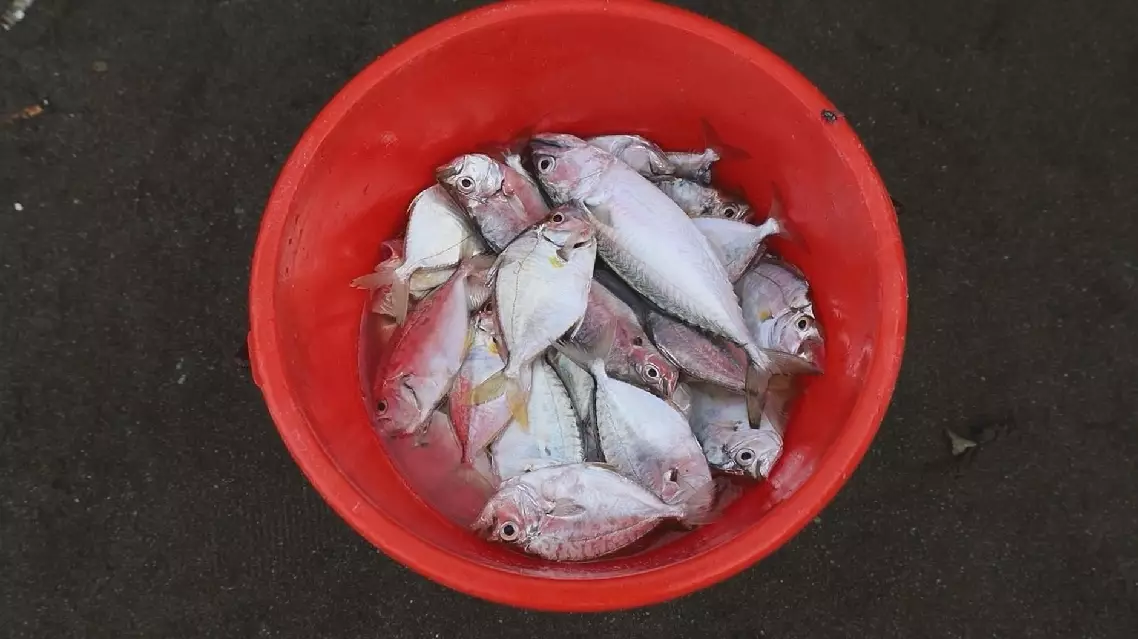
Philippine fisheries in crisis as declining catches threaten food security, coastal livelihoods