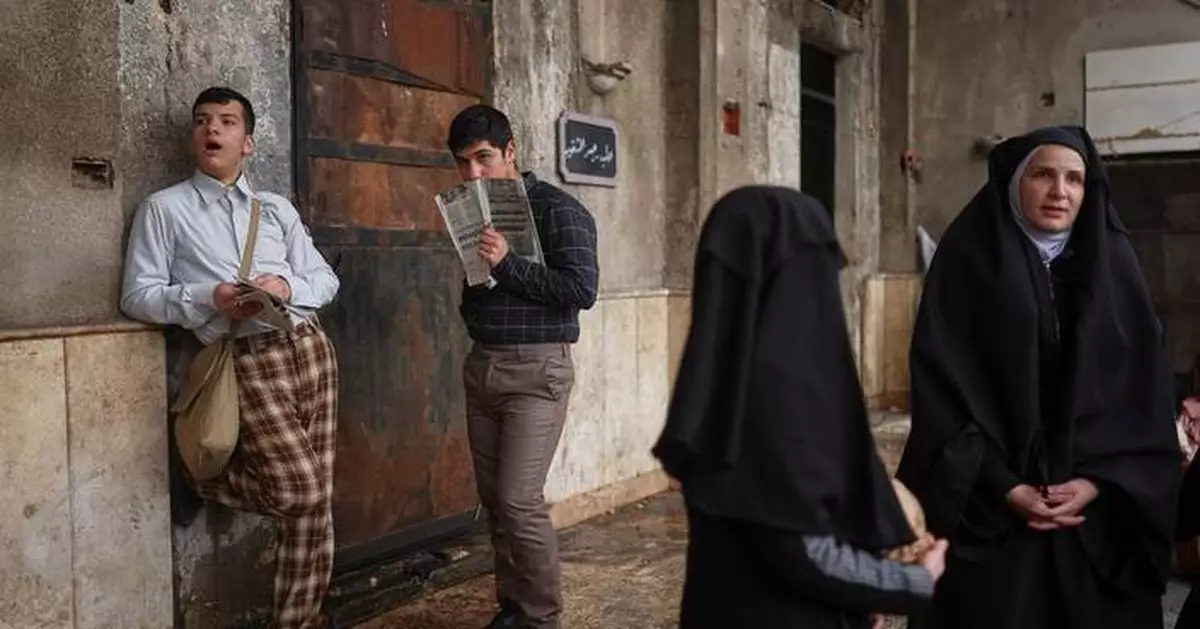
ALEPPO, Syria (AP) — Ramadan in the Arab world is a month of fasting and prayer by day — and television by night. For decades, families have gathered after the iftar, the evening meal that breaks the daytime fast, to follow the season’s highly anticipated drama series, produced specially to air during the Islamic holy month.
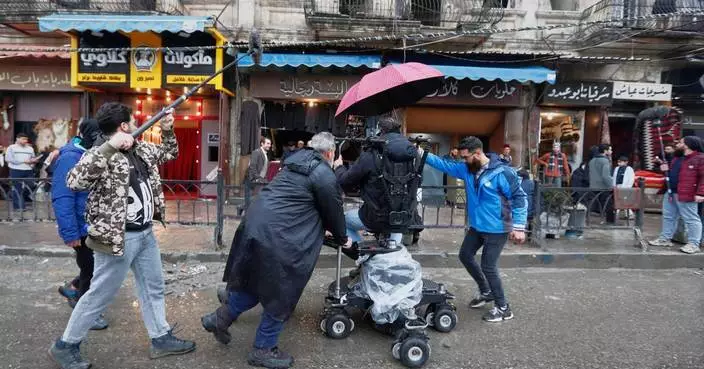
In the week before Ramadan, a television crew in central Aleppo was busy preparing one of those productions, with a battered street in the historic city transformed into a scene from decades past.
Click to Gallery
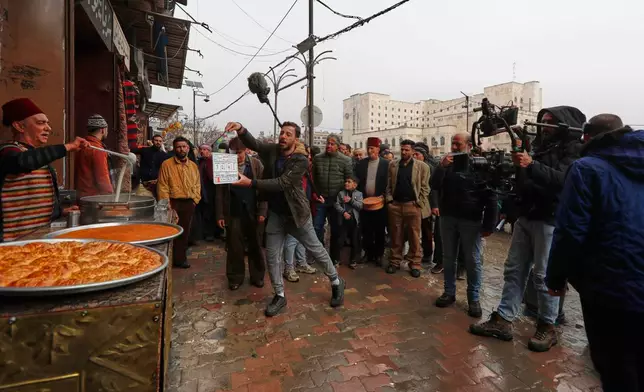
A television crew films an episode of the TV series "Al-Souriyoun al-Aada" ("The Syrian Enemies"), based on a novel of the same name that was banned under Bashar Assad, along a transformed street in central Aleppo, Syria, Friday, Feb. 13, 2026.(AP Photo/Omar Sanadiki)
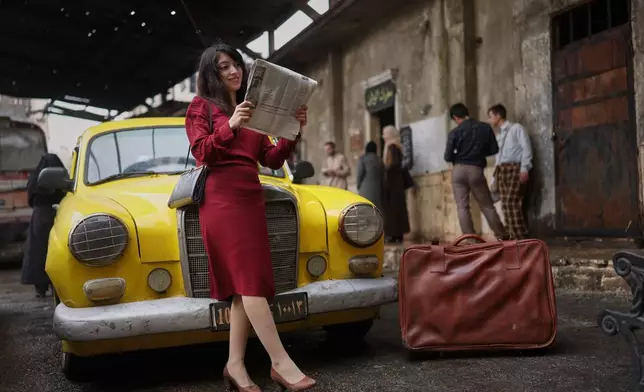
Rita Nasra, an extra in the series, poses for a photograph during the filming of an episode of the TV series "Al-Souriyoun al-Aada" ("The Syrian Enemies"), based on a novel of the same name that was banned under Bashar Assad, along a transformed street in central Aleppo, Syria, Friday, Feb. 13, 2026. (AP Photo/Ghaith Alsayed)
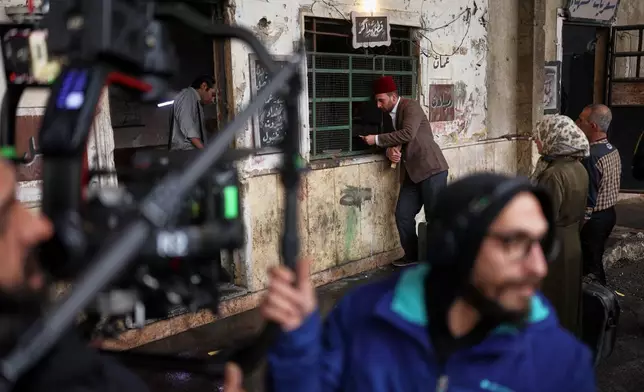
A television crew films an episode of the TV series "Al-Souriyoun al-Aada" ("The Syrian Enemies"), based on a novel of the same name that was banned under Bashar Assad, along a transformed street in central Aleppo, Syria, Friday, Feb. 13, 2026.(AP Photo/Ghaith Alsayed)
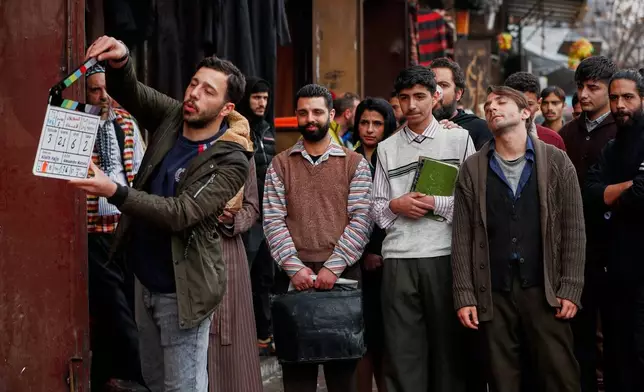
A television crew films an episode of the TV series "Al-Souriyoun al-Aada" ("The Syrian Enemies"), based on a novel of the same name that was banned under Bashar Assad, in central Aleppo, Syria, Friday, Feb. 13, 2026.(AP Photo/Omar Sanadiki)
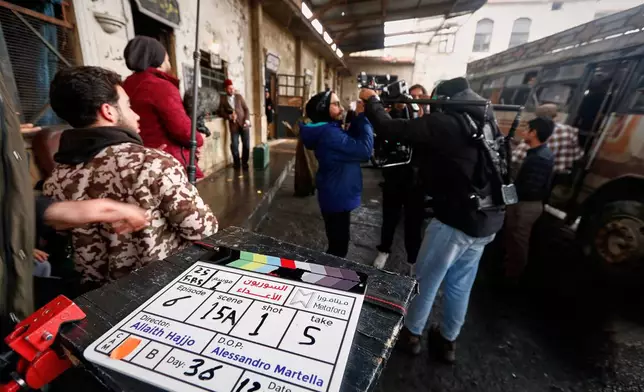
A television crew films an episode of the TV series "Al-Souriyoun al-Aada" ("The Syrian Enemies"), based on a novel of the same name that was banned under Bashar Assad, along a transformed street in central Aleppo, Syria, Friday, Feb. 13, 2026.(AP Photo/Omar Sanadiki)
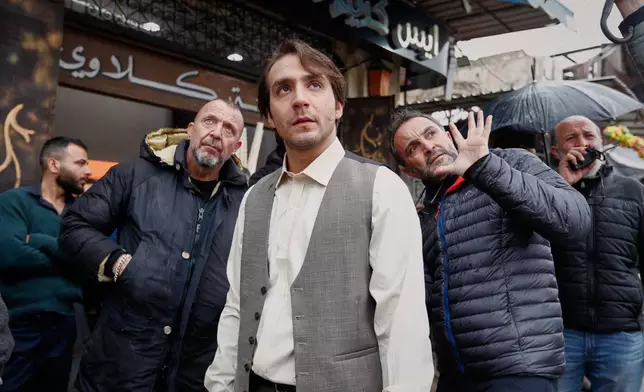
Director Al Layth Hajjo, center right, gives instructions to actor Wissam Rida, center, while filming an episode of the TV series "Al-Souriyoun al-Aada" ("The Syrian Enemies"), based on a novel of the same name that was banned under Bashar Assad, in central Aleppo, Syria, Friday, Feb. 13, 2026. (AP Photo/Omar Sanadiki)
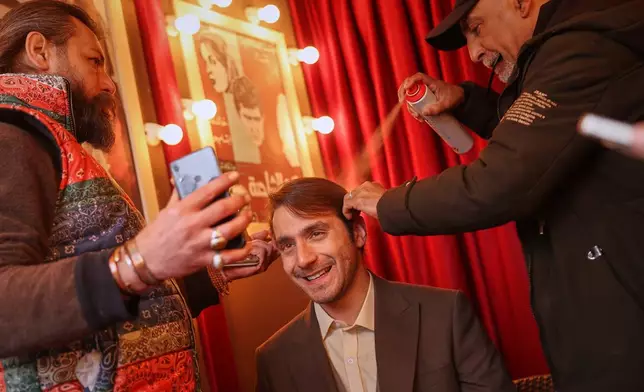
Actor Wissam Rida has his hair adjusted as he prepares to film a scene during the shooting of an episode of the TV series "Al-Souriyoun al-Aada" ("The Syrian Enemies"), based on a novel of the same name that was banned under Bashar Assad, in central Aleppo, Syria, Friday, Feb. 13, 2026. (AP Photo/Ghaith Alsayed)
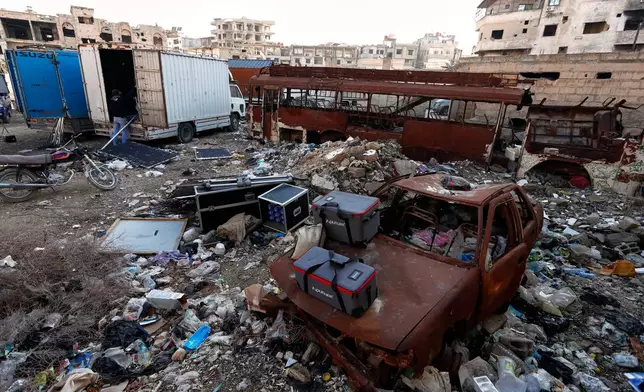
Equipment used by a television crew filming an episode of the TV series "Al-Souriyoun al-Aada" ("The Syrian Enemies"), based on a novel of the same name that was banned under Bashar Assad, sits in a war-damaged area of central Aleppo, Syria, Friday, Feb. 13, 2026. (AP Photo/Omar Sanadiki)
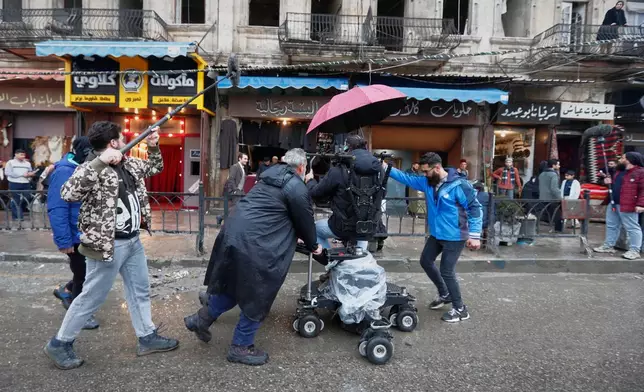
A television crew films an episode of the TV series "Al-Souriyoun al-Aada" ("The Syrian Enemies"), based on a novel of the same name that was banned under Bashar Assad, along a transformed street in central Aleppo, Syria, Friday, Feb. 13, 2026. (AP Photo/Omar Sanadiki)
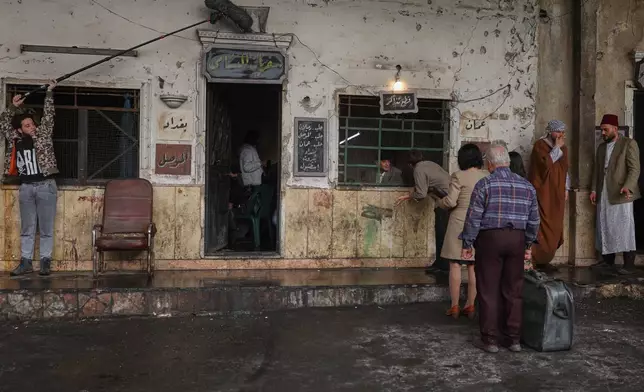
A television crew films an episode of the TV series "Al-Souriyoun al-Aada" ("The Syrian Enemies"), based on a novel of the same name that was banned under Bashar Assad, along a transformed street in central Aleppo, Syria, Friday, Feb. 13, 2026.(AP Photo/Ghaith Alsayed)

Lamees Al-Ali, an extra in the series, poses for a photograph during the filming of an episode of the TV series "Al-Souriyoun al-Aada" ("The Syrian Enemies"), based on a novel of the same name that was banned under Bashar Assad, along a transformed street in central Aleppo, Syria, Friday, Feb. 13, 2026. (AP Photo/Ghaith Alsayed)
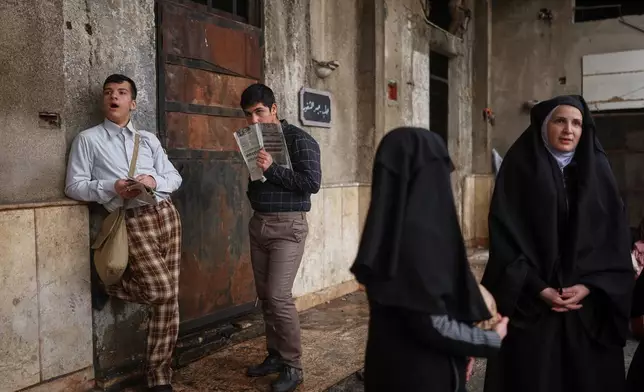
Extras stand by as a television crew films an episode of the TV series "Al-Souriyoun al-Aada" ("The Syrian Enemies"), based on a novel of the same name that was banned under Bashar Assad, along a transformed street in central Aleppo, Syria, Friday, Feb. 13, 2026. (AP Photo/Ghaith Alsayed)
Classic 1970s cars lined the curb. A horse-drawn cart rolled through the frame. A vendor in a red tarboush, a brimless cone-shaped hat, stood beside steaming pots of sahlep — a sweet, thickened milk drink flavored with spices and associated with winter evenings.
Just outside the camera’s view stood a stark reminder of Syria's more recent history. Collapsed buildings and damaged facades testified to Aleppo’s role as a major battleground during the country's civil war. However, with costumes, props and careful framing, the production temporarily carried the street back to what it portrays as a more innocent era.
The series being filmed — “Al-Souriyoun al-Aada,” or “The Syrian Enemies” — is based on a novel that was banned during the rule of former President Bashar Assad. The story examines painful chapters of Syria’s past, including the 1982 events in Hama, when government forces crushed an uprising led by the Muslim Brotherhood, killing or disappearing an estimated 10,000 to 40,000 people and leaving the city in ruins.
As filming continues into Ramadan, the production reflects both a cherished seasonal tradition and Syria’s complex, layered history.
This is a photo gallery curated by AP photo editors.
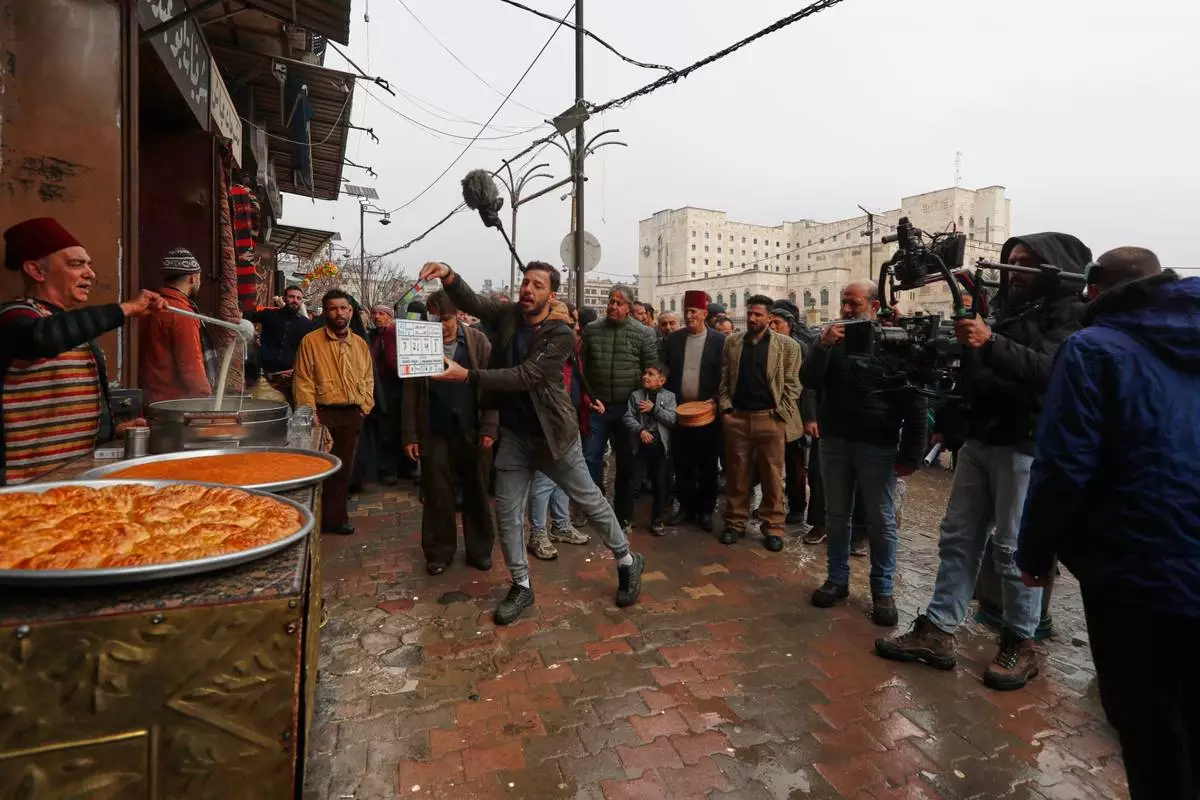
A television crew films an episode of the TV series "Al-Souriyoun al-Aada" ("The Syrian Enemies"), based on a novel of the same name that was banned under Bashar Assad, along a transformed street in central Aleppo, Syria, Friday, Feb. 13, 2026.(AP Photo/Omar Sanadiki)
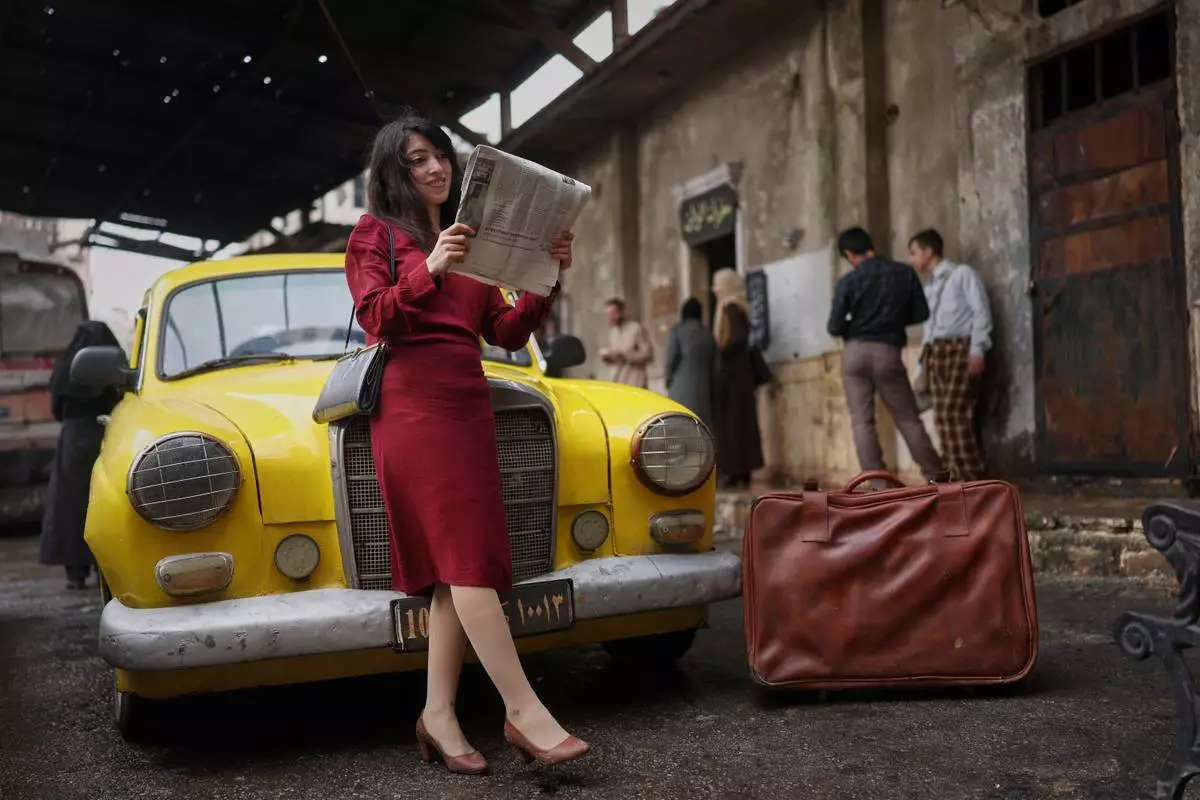
Rita Nasra, an extra in the series, poses for a photograph during the filming of an episode of the TV series "Al-Souriyoun al-Aada" ("The Syrian Enemies"), based on a novel of the same name that was banned under Bashar Assad, along a transformed street in central Aleppo, Syria, Friday, Feb. 13, 2026. (AP Photo/Ghaith Alsayed)
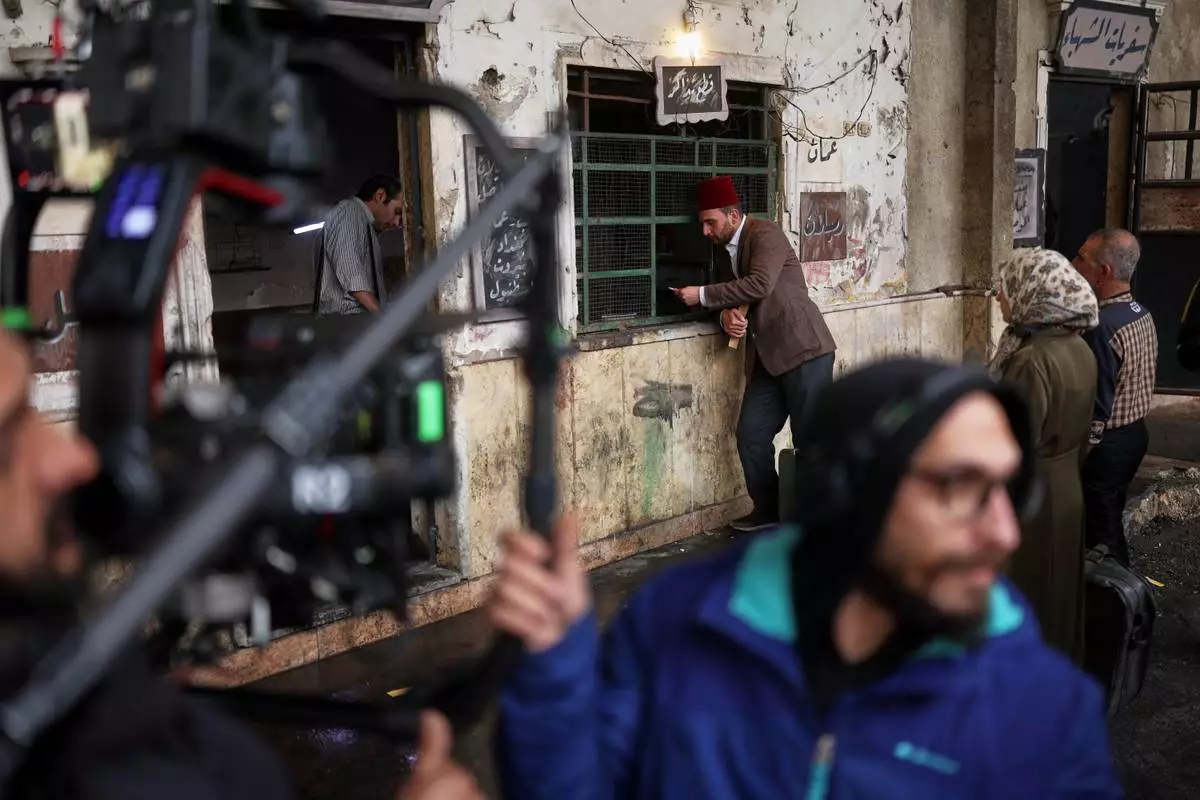
A television crew films an episode of the TV series "Al-Souriyoun al-Aada" ("The Syrian Enemies"), based on a novel of the same name that was banned under Bashar Assad, along a transformed street in central Aleppo, Syria, Friday, Feb. 13, 2026.(AP Photo/Ghaith Alsayed)
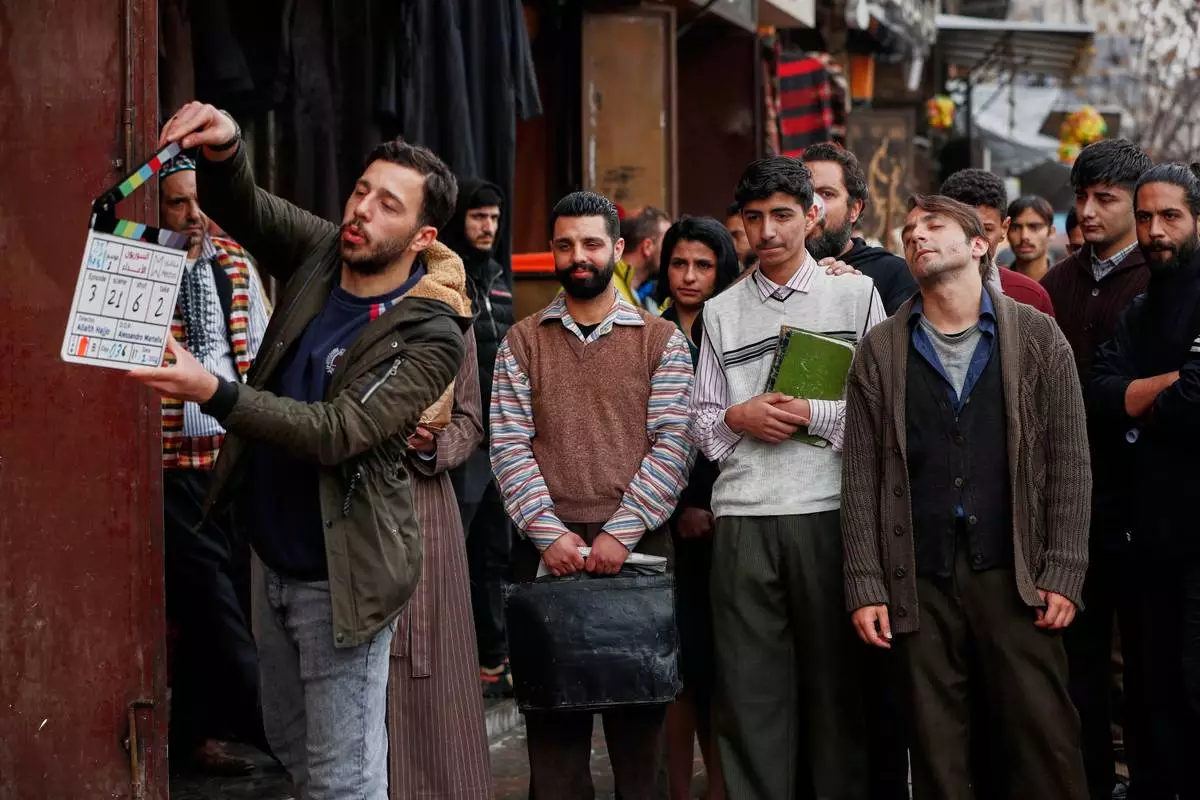
A television crew films an episode of the TV series "Al-Souriyoun al-Aada" ("The Syrian Enemies"), based on a novel of the same name that was banned under Bashar Assad, in central Aleppo, Syria, Friday, Feb. 13, 2026.(AP Photo/Omar Sanadiki)
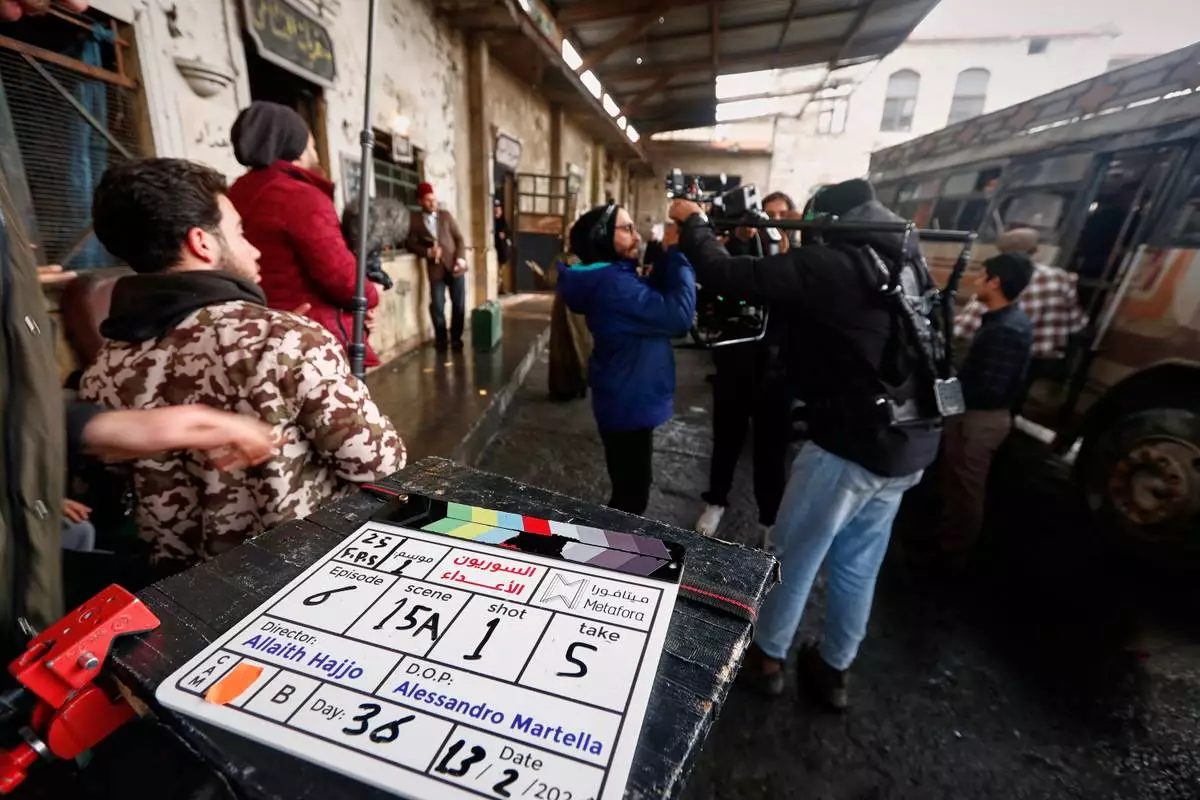
A television crew films an episode of the TV series "Al-Souriyoun al-Aada" ("The Syrian Enemies"), based on a novel of the same name that was banned under Bashar Assad, along a transformed street in central Aleppo, Syria, Friday, Feb. 13, 2026.(AP Photo/Omar Sanadiki)
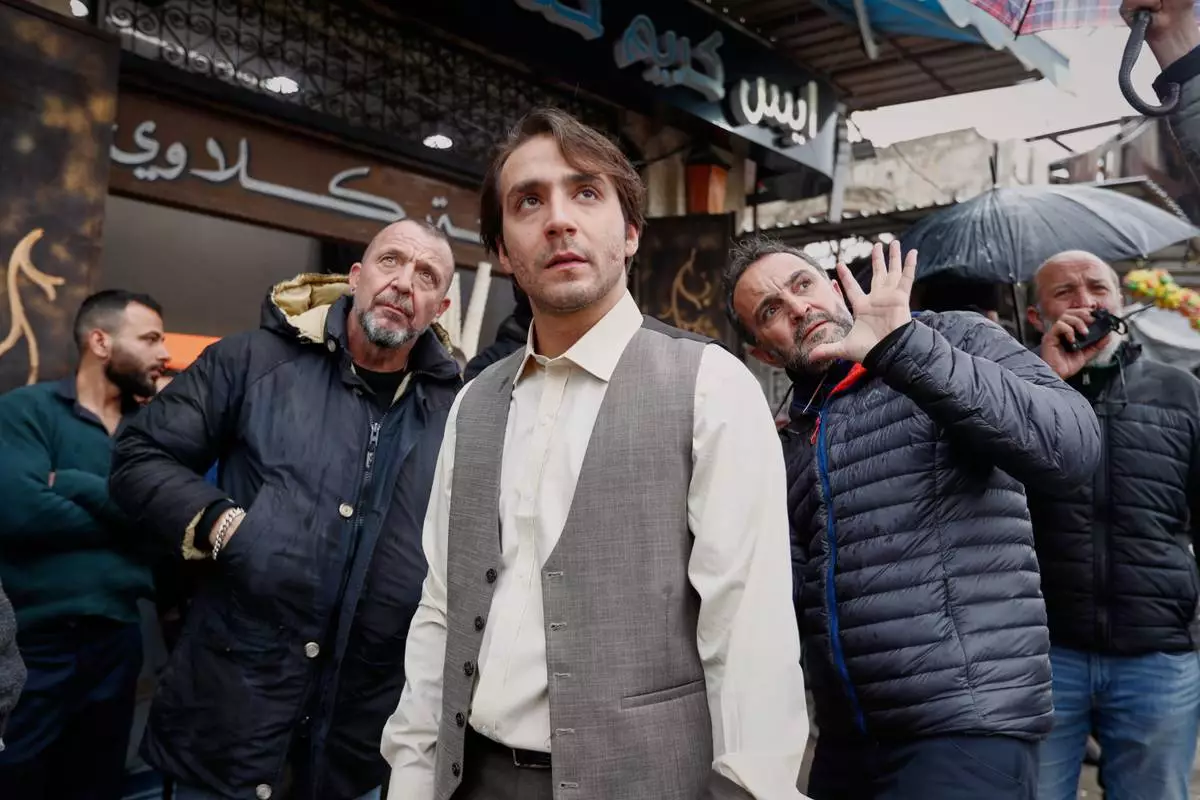
Director Al Layth Hajjo, center right, gives instructions to actor Wissam Rida, center, while filming an episode of the TV series "Al-Souriyoun al-Aada" ("The Syrian Enemies"), based on a novel of the same name that was banned under Bashar Assad, in central Aleppo, Syria, Friday, Feb. 13, 2026. (AP Photo/Omar Sanadiki)
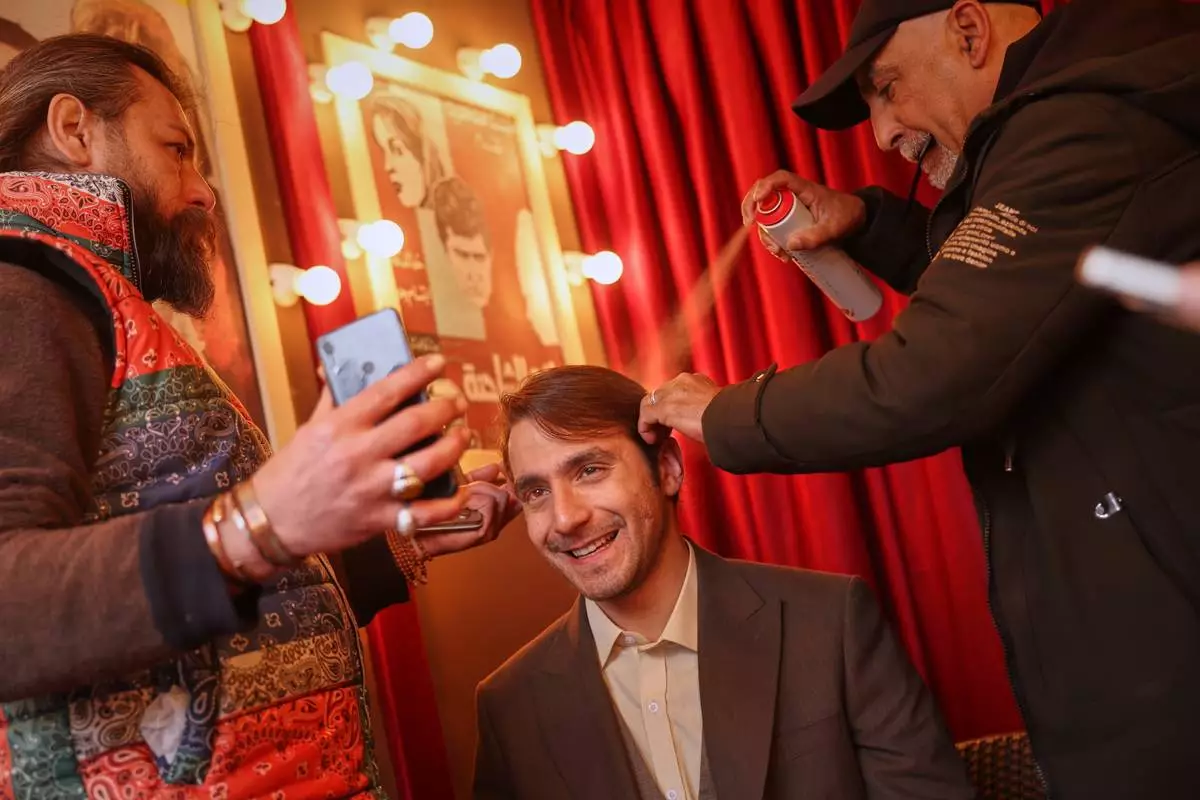
Actor Wissam Rida has his hair adjusted as he prepares to film a scene during the shooting of an episode of the TV series "Al-Souriyoun al-Aada" ("The Syrian Enemies"), based on a novel of the same name that was banned under Bashar Assad, in central Aleppo, Syria, Friday, Feb. 13, 2026. (AP Photo/Ghaith Alsayed)
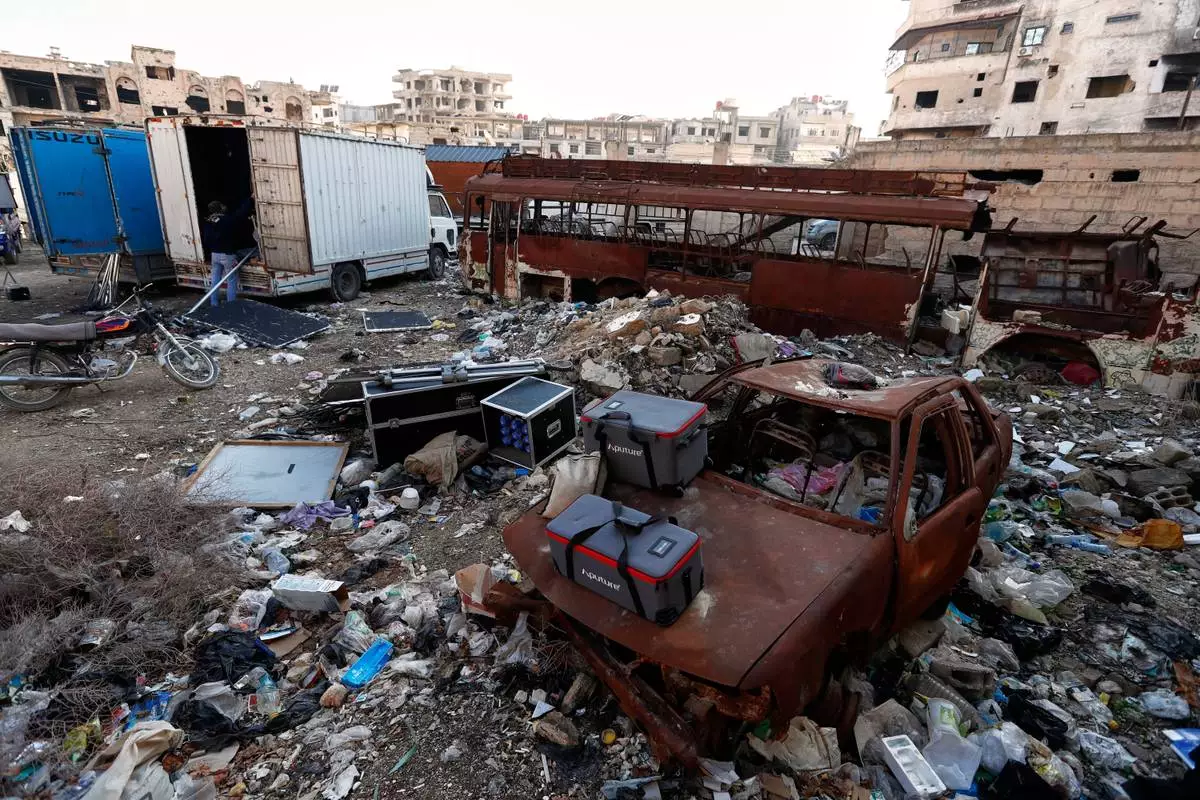
Equipment used by a television crew filming an episode of the TV series "Al-Souriyoun al-Aada" ("The Syrian Enemies"), based on a novel of the same name that was banned under Bashar Assad, sits in a war-damaged area of central Aleppo, Syria, Friday, Feb. 13, 2026. (AP Photo/Omar Sanadiki)
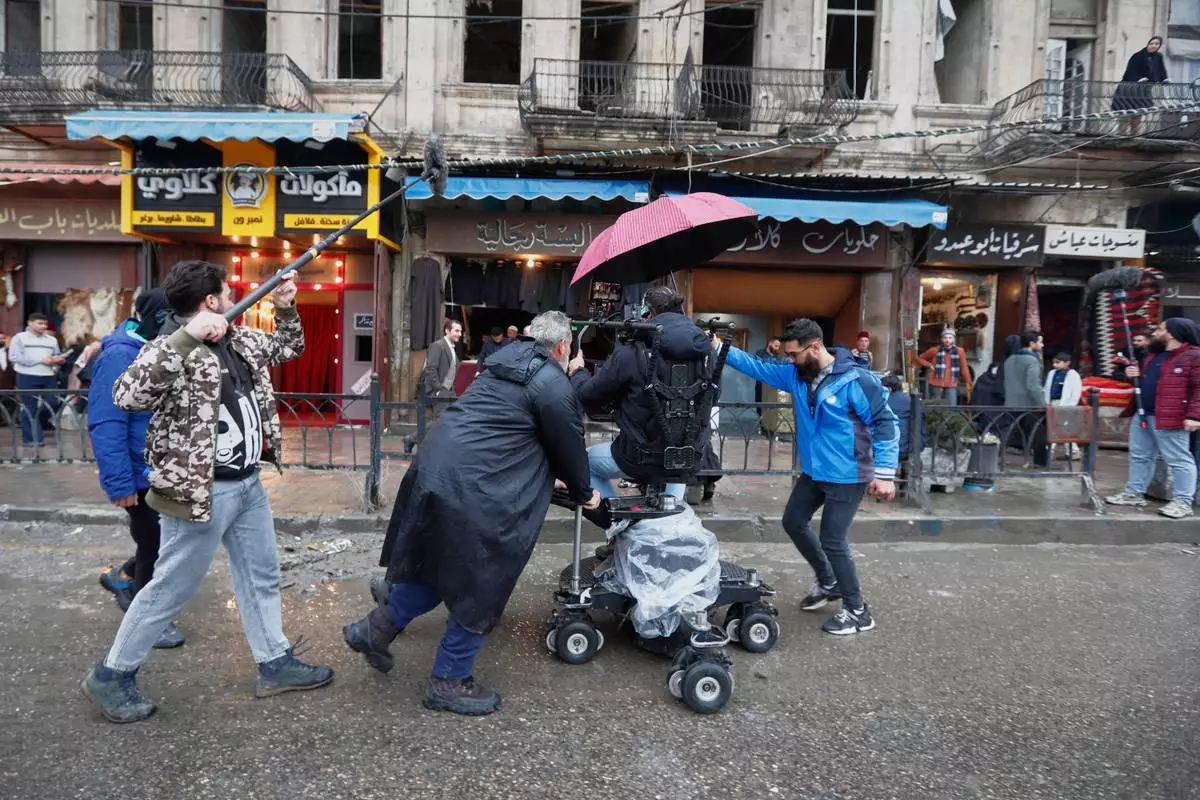
A television crew films an episode of the TV series "Al-Souriyoun al-Aada" ("The Syrian Enemies"), based on a novel of the same name that was banned under Bashar Assad, along a transformed street in central Aleppo, Syria, Friday, Feb. 13, 2026. (AP Photo/Omar Sanadiki)
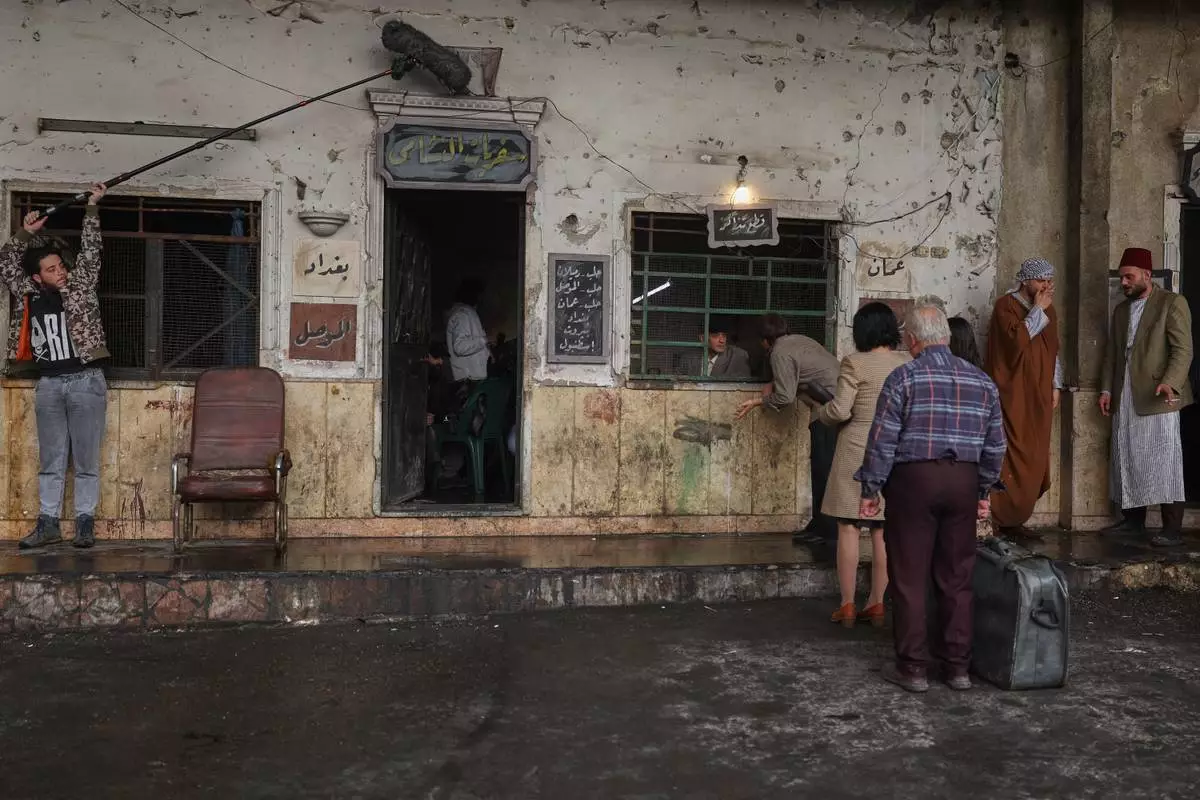
A television crew films an episode of the TV series "Al-Souriyoun al-Aada" ("The Syrian Enemies"), based on a novel of the same name that was banned under Bashar Assad, along a transformed street in central Aleppo, Syria, Friday, Feb. 13, 2026.(AP Photo/Ghaith Alsayed)
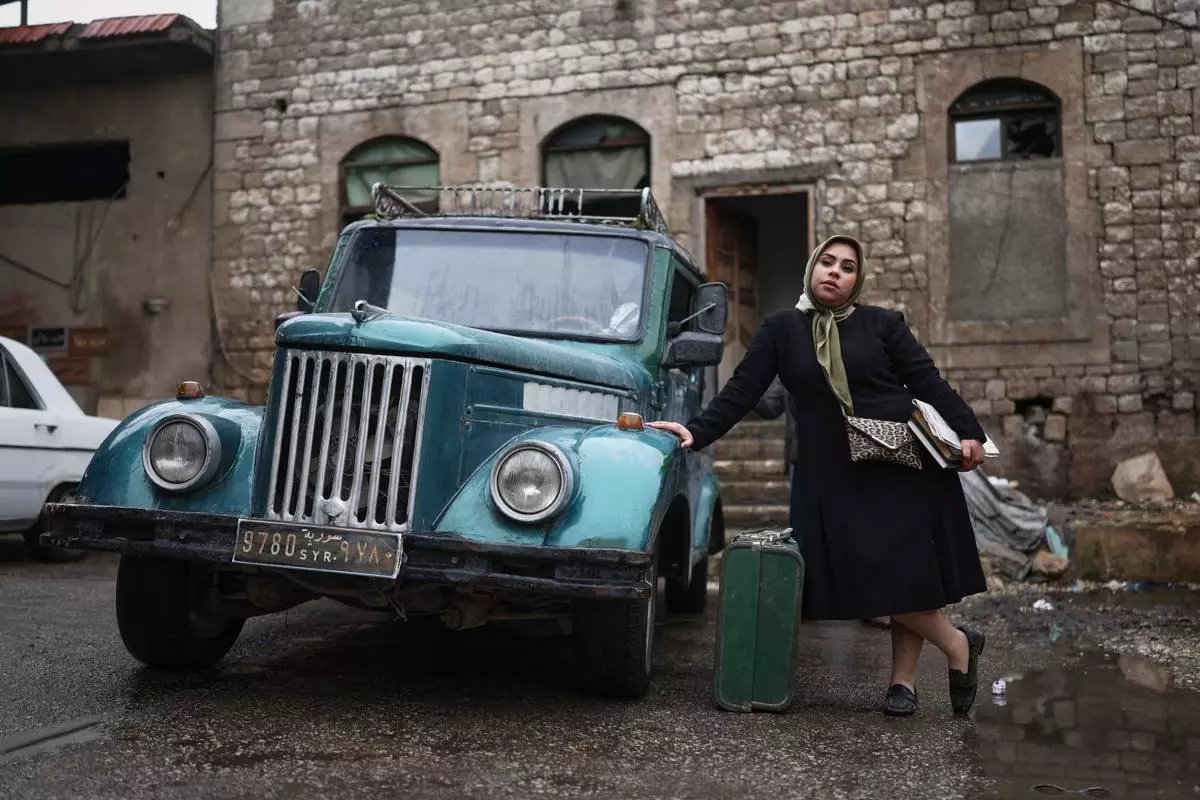
Lamees Al-Ali, an extra in the series, poses for a photograph during the filming of an episode of the TV series "Al-Souriyoun al-Aada" ("The Syrian Enemies"), based on a novel of the same name that was banned under Bashar Assad, along a transformed street in central Aleppo, Syria, Friday, Feb. 13, 2026. (AP Photo/Ghaith Alsayed)
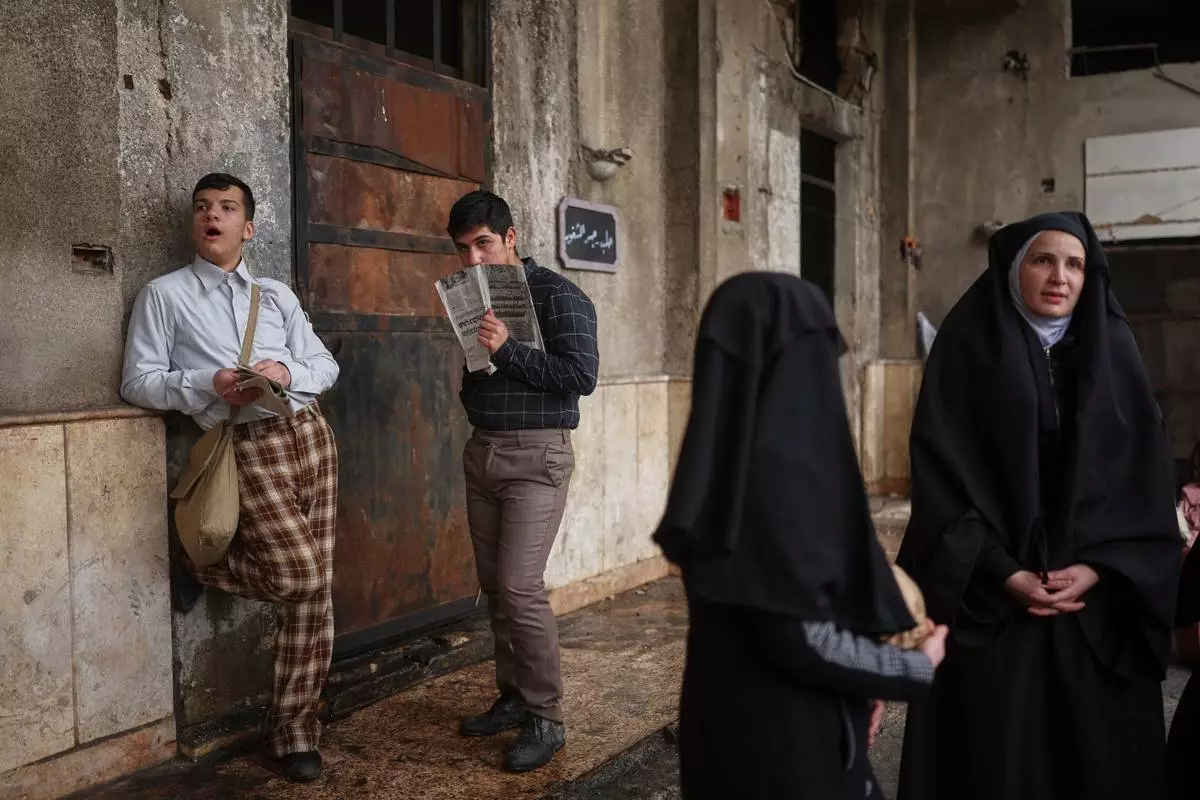
Extras stand by as a television crew films an episode of the TV series "Al-Souriyoun al-Aada" ("The Syrian Enemies"), based on a novel of the same name that was banned under Bashar Assad, along a transformed street in central Aleppo, Syria, Friday, Feb. 13, 2026. (AP Photo/Ghaith Alsayed)