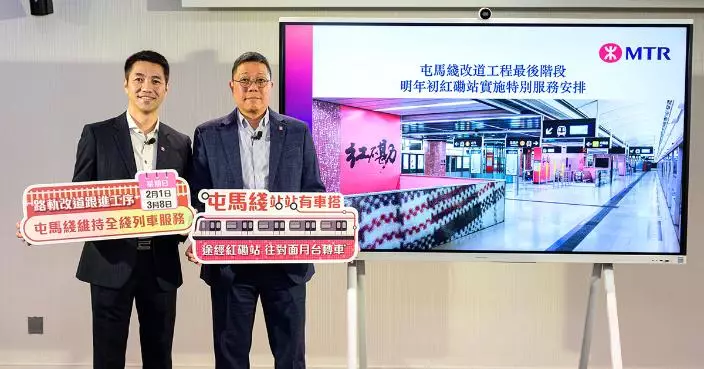
Hong Kong will host the UITP Summit in 2028, marking the first time the event will take place in the Asia-Pacific region.
UITP, Photo source: uitp.org
Following a competitive selection process and extensive deliberations by the UITP Executive Board, Hong Kong has been confirmed as the host city, with MTR Corporation serving as the local host organisation.
Click to Gallery
UITP, Photo source: uitp.org
MTR Corporation, Photo by Bastille Post
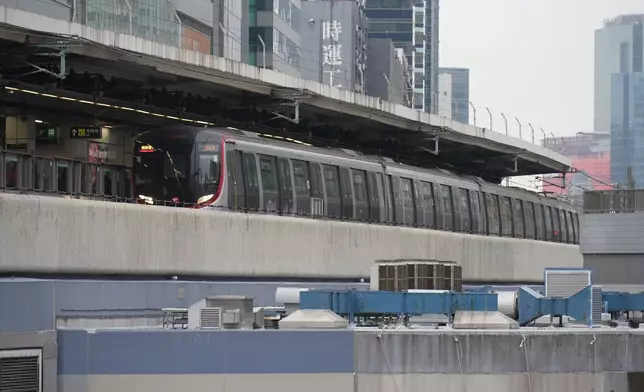
The public transport in Hong Kong, Photo by Bastille Post
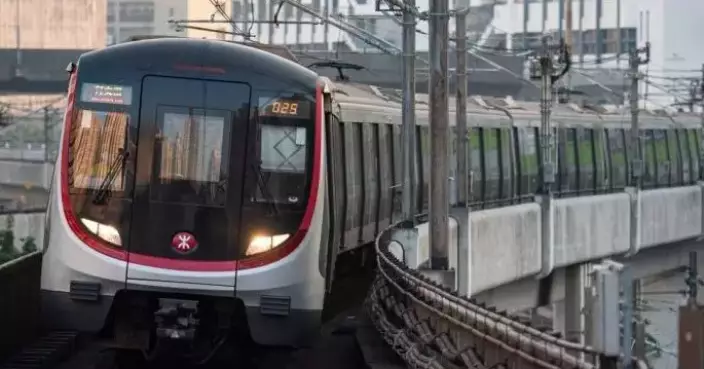
MTR Corporation, Photo by Bastille Post
MTR Corporation, Photo by Bastille Post
The UITP Summit is the leading global event for public transport, bringing together thousands of professionals from across the sector, including operators, authorities, industry suppliers and policy makers from more than 100 countries. In 2028, that international community will gather in one of the world’s most recognised public transport cities.
A Global Summit Arrives in Asia-Pacific
Hong Kong’s selection reflects both the strength of its public transport system and the growing importance of the Asia-Pacific region in shaping the future of sustainable urban mobility.
Public transport accounts for around 90% of daily journeys in Hong Kong. With rail as the backbone of its network, the city has developed a highly efficient and integrated system that connects communities, supports economic activity and contributes to long-term sustainability.
Hosting the Summit in 2028 provides an opportunity to showcase this model to a global audience, while facilitating discussion on the sector’s most pressing priorities, from technological innovation and asset management to customer experience and climate resilience.
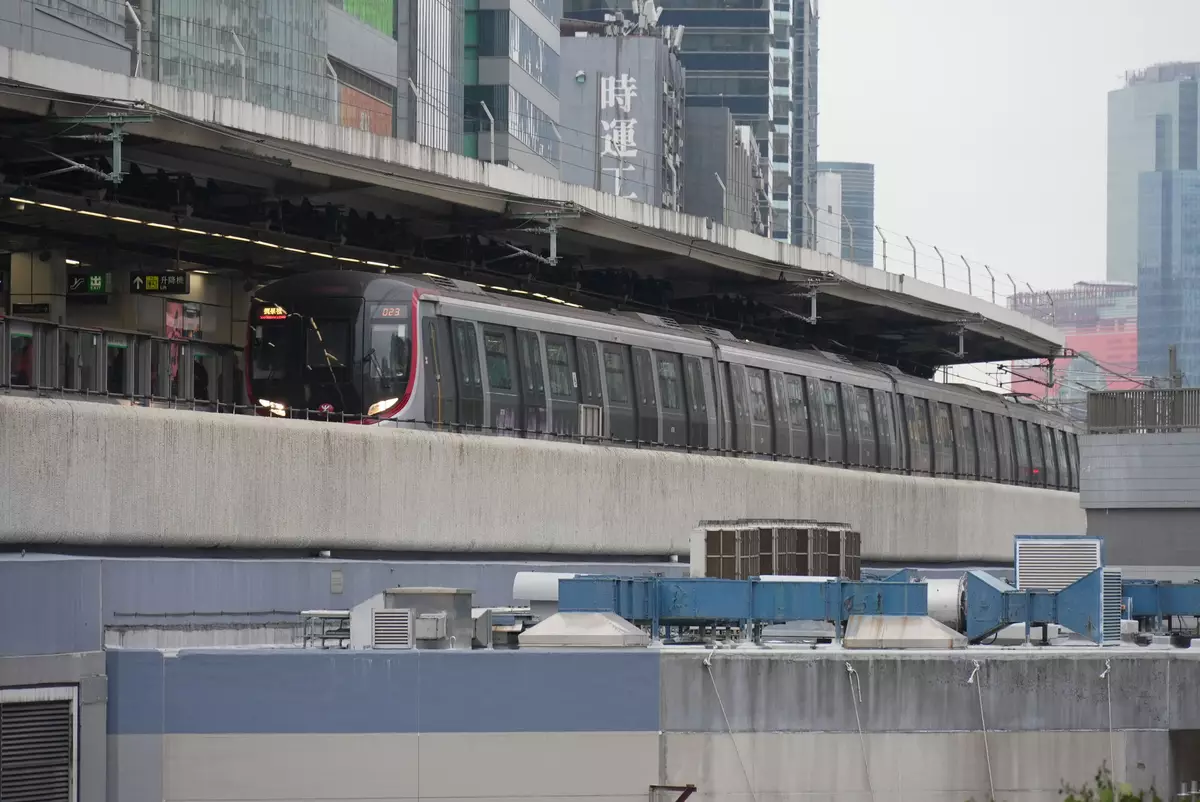
The public transport in Hong Kong, Photo by Bastille Post
Partnership with MTR Corporation
MTR Corporation has been a UITP member since 1990 and has contributed actively to the association’s committees, working groups and knowledge exchange initiatives.
The organisation has also hosted UITP Asia-Pacific conferences and has received UITP recognition for its work in areas including innovation and operational excellence.
As host organisation, MTR will work closely with UITP, local authorities and industry partners to deliver a Summit that reflects both Hong Kong’s public transport achievements and the global ambitions of the sector.
The 2028 edition will also provide an opportunity to highlight the wider Greater Bay Area and its role as a rapidly developing hub for innovation, connectivity and integrated urban mobility.
MTR Corporation, Photo by Bastille Post
The Road to 2028
Under UITP’s annual Summit format, the global public transport community meets each year in different regions of the world. As preparations continue for the 2026 edition in Dubai, and ahead of the return to Hamburg in 2027, the confirmation of Hong Kong for 2028 provides clarity on the Summit’s continued global rotation.
Each edition of the Summit offers a platform for international collaboration, knowledge exchange and industry leadership. In 2028, Hong Kong will welcome that conversation to the Asia-Pacific region for the first time.
Over the coming years, detailed preparations will begin in close cooperation with partners across the city. The 2028 Summit will build on the strong foundations of previous editions while highlighting the role of public transport in supporting inclusive growth, innovation and sustainable urban development.
Since the mandatory e-payment requirement for taxis took effect on April 1 in Hong Kong, Octopus Cards Limited, the local market leader in electronic payments, has rolled out a commercial app and mobile payment terminals that support QR code payments. The corporation revealed that user activity on its "Octopus Easy Ride" ride-hailing platform has surged 1.8 times since launch, alongside a sharp rise in ride-hailing orders.

Ms. Nora Tang, Director of Transport Business at Octopus Cards Limited, Photo by Bastille Post
In an interview with Bastille Post, Ms. Nora Tang, Director of Transport Business at Octopus Cards Limited, said the Octopus app has been downloaded over six million times, and the number of mobile Octopus users now stands at roughly three million, approaching half of Hong Kong's population. She noted that since the platform launched, user activity has increased more than 1.8 times compared to the first day, and order volumes have risen significantly, especially on days when bad weather makes hailing a taxi difficult.
Multiple QR Code Payment Options Supported
According to the new regulation introduced by the government on April 1, all taxi drivers are required to offer a "1+1" electronic payment package, at least two payment methods for passengers, including one non-QR code option (such as Octopus card, credit card, or FPS) and one QR code option (such as AlipayHK, WeChat Pay HK, or BoC Pay).
In response, Octopus has launched the "Octopus for Business" app and "Octopus Mobile POS" for drivers, supporting Octopus Wallet, AlipayHK, WeChat Pay HK, WeChat Pay, PayMe, and UnionPay QR codes.
"Octopus Easy Ride" Offers Multiple Ride Choices
Octopus also introduced "Octopus Easy Ride" on April 22, with the goal of accelerating the digitalization of local taxi services. According to Ms. Tang, the platform currently integrates five taxi fleets across Hong Kong, totaling about 8,000 taxis, and offers a wide range of vehicle options, including standard four-seaters, six-seater luxury vehicles, and wheelchair-accessible taxis.
She said that citizens simply need to download the Octopus app and book a taxi within the familiar interface, without having to download multiple ride-hailing apps, which significantly improves both the success rate and convenience of booking a ride.

The "Octopus Easy Ride" platform currently integrates five taxi fleets across Hong Kong, totaling about 8,000 taxis, and offers a wide range of vehicle options. Photo source: Octopus
While the platform handles order dispatch smoothly, both drivers and passengers are still adjusting to the operation. Drivers need time to familiarize themselves with the order-taking process and travel-time estimates, while passengers are also getting used to the new booking rules.
Ms. Tang pointed out that many drivers in the industry are elderly and may not be tech-savvy. That's why the "Octopus Easy Ride" platform connects five local taxi fleets, licensed ride-hailing platforms, and various chambers of commerce and fleet groups. These groups use their own resources to organize fleets, while "Octopus Easy Ride" provides them access to Octopus's large customer base. "This significantly lowers the barrier for drivers to participate in ride-hailing and gives them an additional, stable source of income alongside traditional street-hailing," she explained.
Fixed Pricing Helps Reduce Disputes
"Octopus Easy Ride" uses a fixed-price mechanism. Ms. Tang explained that each fleet sets a capped fare based on pickup location, destination, real-time traffic conditions, and its own operating costs. Passengers can see quotes from different fleets when booking, and if the final fare from the matched fleet is lower, the platform refunds the difference.
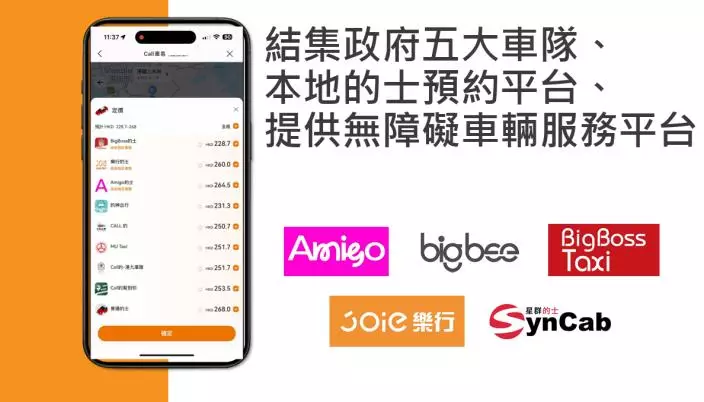
The five local taxi fleets cooperated with the platform, Photo source: Octopus
"This mechanism effectively reduces disputes over detours, traffic jams, or meter fares, ensuring fairness for both passengers and drivers," she said. The platform also uses taxi meter rates as a benchmark to prevent cutthroat price competition and maintain a healthy industry ecosystem. Currently, the platform does not allow passengers to change their destination after boarding. If needed, they can cancel the ride and negotiate with the driver to use the traditional meter.
Some media tests have shown that "Octopus Easy Ride" fares are typically a few tens of dollars higher than street-hailed taxis. Ms. Tang acknowledged that passengers want lower prices, but noted that drivers also face operating costs such as car rental, charging, and fuel. "The platform aims to strike a balance between the two," she said. From now until June 30, 2026, every "Octopus Easy Ride" customer can receive a coupon worth up to HK$100.
Driver and Transaction Fees Waived
Ms. Tang said Octopus will continue to work with local taxi groups to bring more fleets onto the platform and will keep driver and transaction fees waived, supporting drivers who use the "Octopus for Business" app and "Octopus Mobile POS." Starting this June, the monthly transfer limit from the app to personal Octopus cards will be significantly raised to HK$40,000, improving cash flow. The platform will also gradually add new features, including more vehicle options and enhanced support for visitors to Hong Kong.
Octopus Cards Limited, Photo by Bastille Post
She also mentioned that Octopus first launched an overseas version of "Octopus Easy Ride" last May in Singapore, Malaysia, Thailand, Vietnam, and Japan, mainly to provide Hong Kong residents with a seamless ride-hailing experience while traveling abroad, allowing them to solve problems using a familiar app and Cantonese-speaking customer service. Since its launch, usage of the overseas version has more than quadrupled. The Hong Kong version has been adapted based on that experience, with a greater focus on collaboration with local fleets and groups to lower the barriers for driver participation.