Skip to Content Facebook Feature Image

Viral phenomenon in Argentina has young people identifying themselves as animals

News

Viral phenomenon in Argentina has young people identifying themselves as animals
News

News

Viral phenomenon in Argentina has young people identifying themselves as animals

2026-02-27 13:00 Last Updated At:13:30

BUENOS AIRES (AP) — On a recent Sunday, a Buenos Aires plaza transformed into a makeshift wilderness for an unusual group of teenagers.

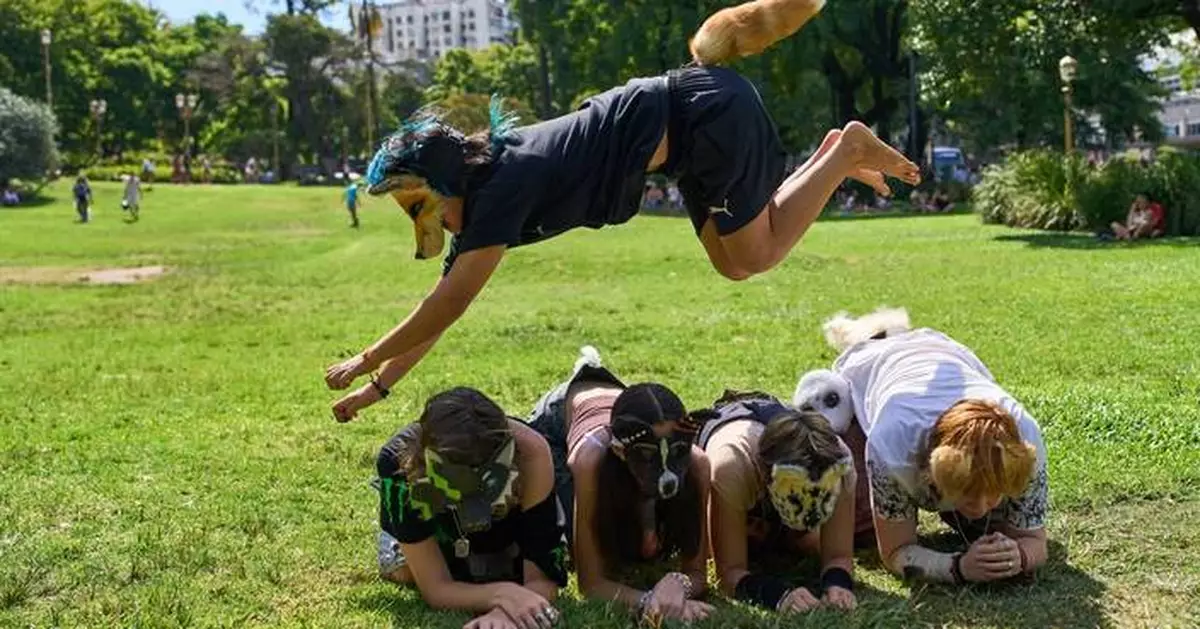
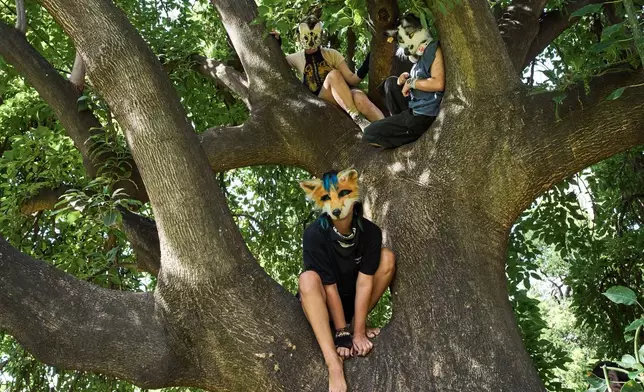
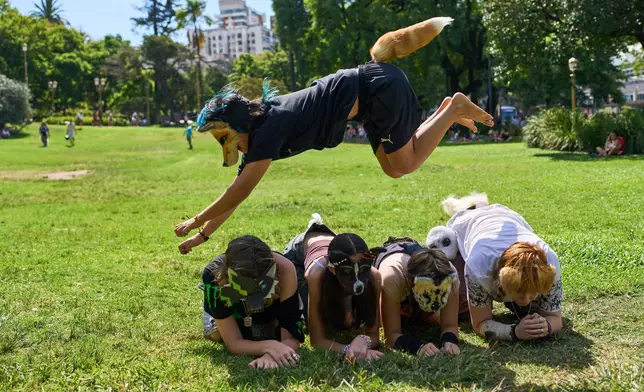
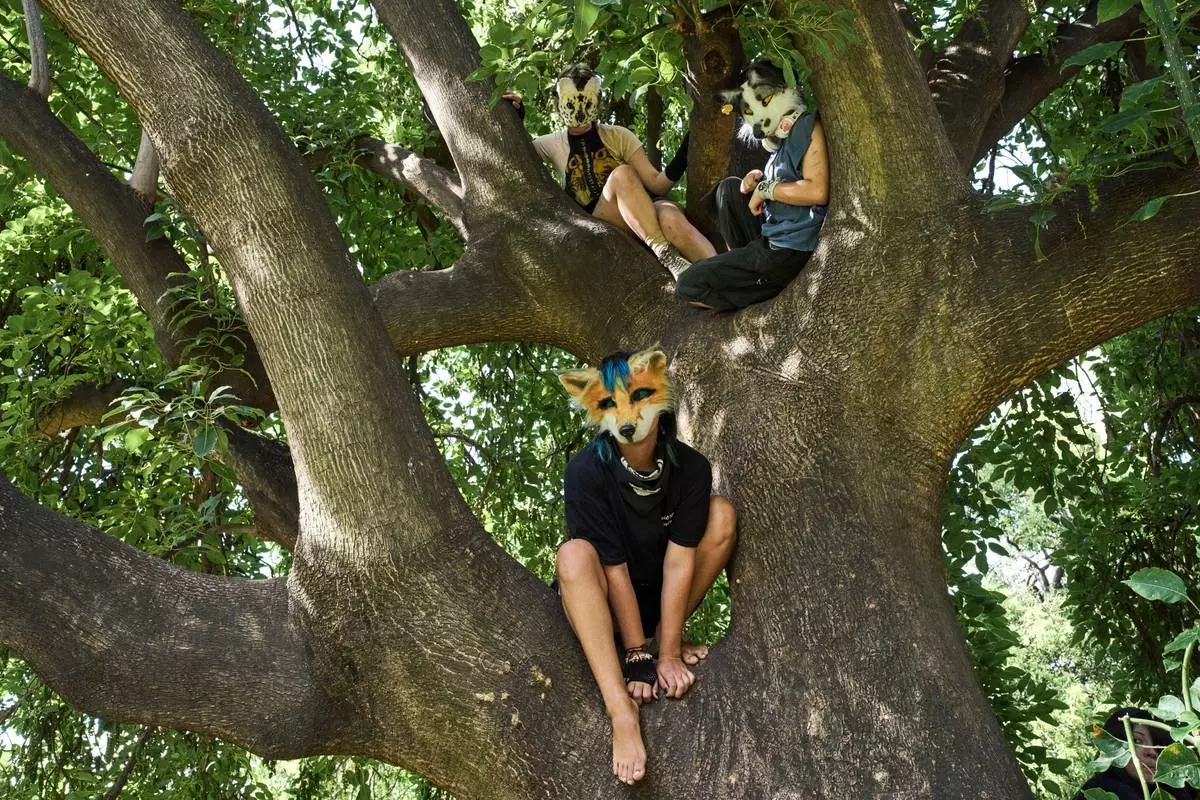
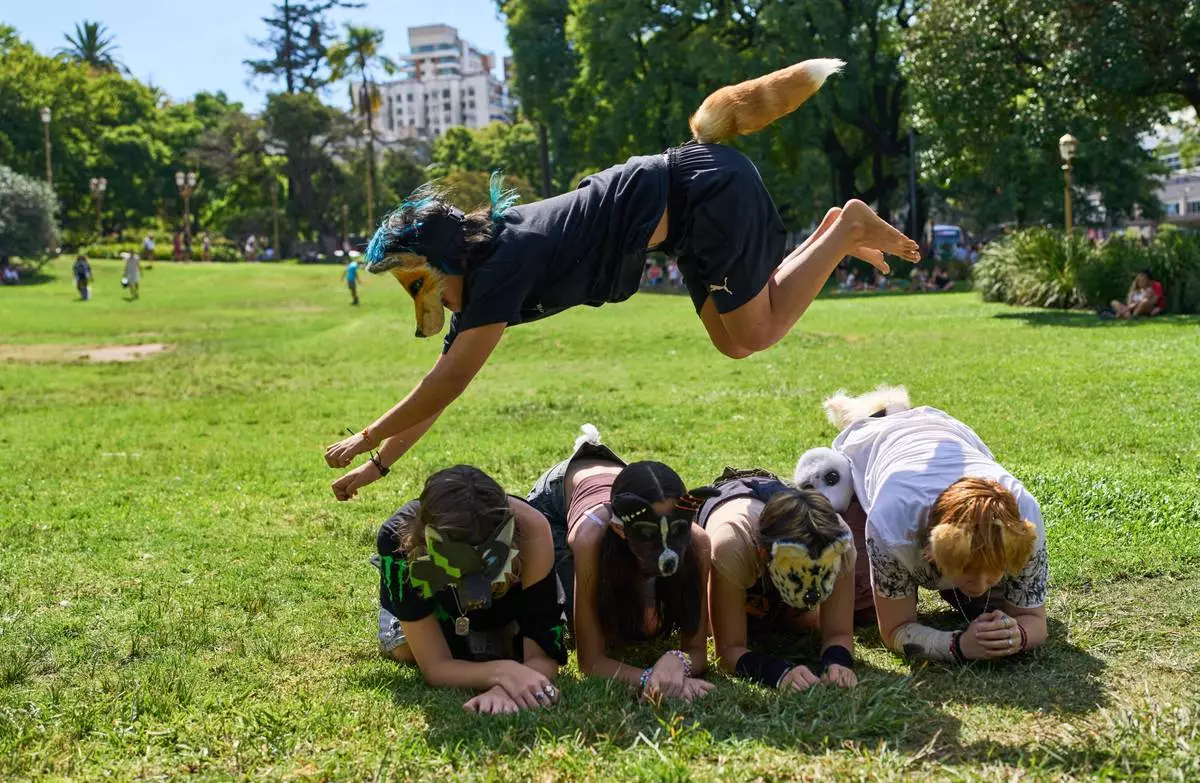
Sofía, wearing a lifelike beagle mask, ran across the grass on all fours. Nearby, 15-year-old Aguara leapt through the air, clearing an obstacle course while imitating the precise movements of a Belgian breed dog. Others dressed as cats and foxes perched in the branches of trees, keeping their distance from curious onlookers.

More Images
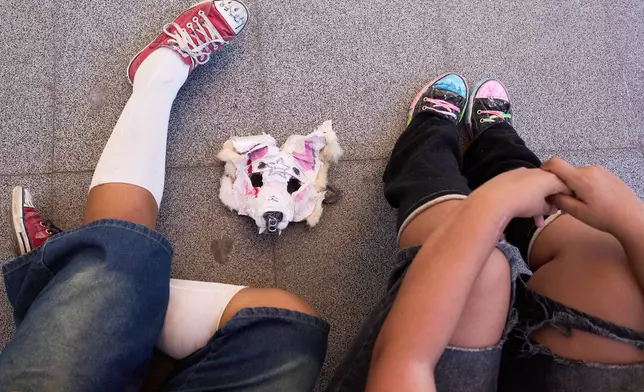
An animal mask sits on the floor during a gathering of therians, people who say they identify as non-human animals, in Buenos Aires, Argentina, Sunday, Feb. 22, 2026. (AP Photo/Rodrigo Abd)
An animal mask sits on the floor during a gathering of therians, people who say they identify as non-human animals, in Buenos Aires, Argentina, Sunday, Feb. 22, 2026. (AP Photo/Rodrigo Abd)
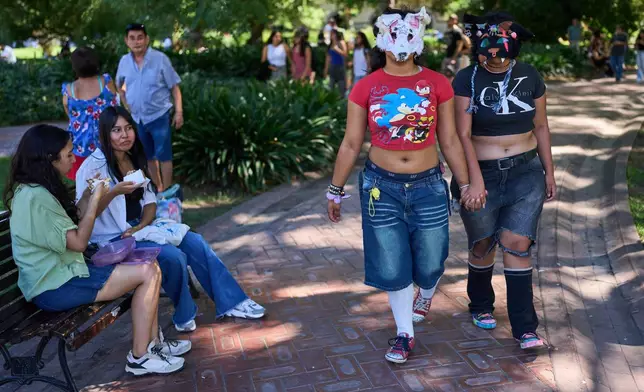
Youths walk through a park during a gathering of therians, people who say they identify as non-human animals, in Buenos Aires, Argentina, Sunday, Feb. 22, 2026. (AP Photo/Rodrigo Abd)

Youths walk through a park during a gathering of therians, people who say they identify as non-human animals, in Buenos Aires, Argentina, Sunday, Feb. 22, 2026. (AP Photo/Rodrigo Abd)

Youths climb a tree during a gathering of therians, people who say they identify as non-human animals, at a square in Buenos Aires, Argentina, Sunday, Feb. 22, 2026. (AP Photo/Rodrigo Abd)
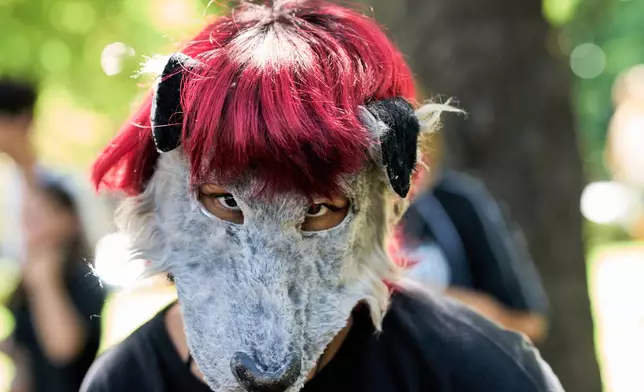
Youths climb a tree during a gathering of therians, people who say they identify as non-human animals, at a square in Buenos Aires, Argentina, Sunday, Feb. 22, 2026. (AP Photo/Rodrigo Abd)

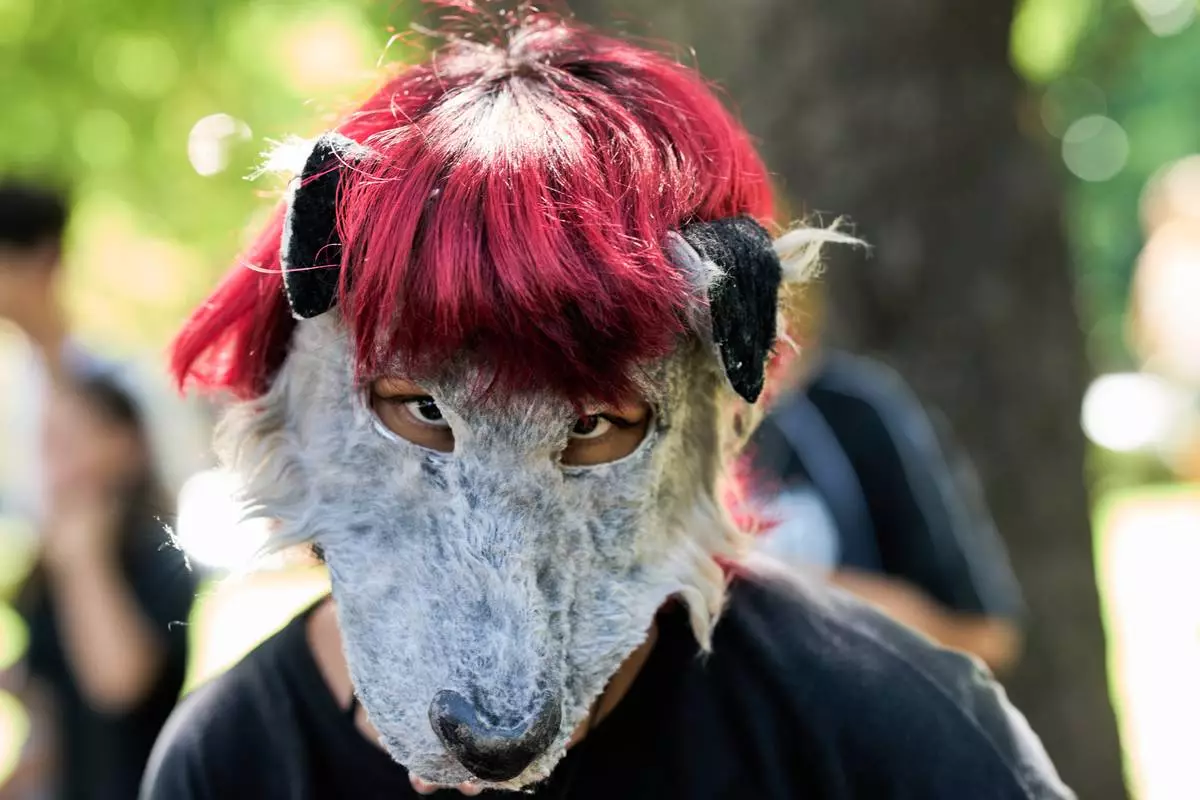
A youth wears a dog mask during a gathering of therians, people who say they identify as non-human animals, in Buenos Aires, Argentina, Sunday, Feb. 22, 2026. (AP Photo/Rodrigo Abd)
A youth wears a dog mask during a gathering of therians, people who say they identify as non-human animals, in Buenos Aires, Argentina, Sunday, Feb. 22, 2026. (AP Photo/Rodrigo Abd)

A youth jumps over other therians, people who say they identify as non-human animals, during a gathering in a square in Buenos Aires, Argentina, Sunday, Feb. 22, 2026. (AP Photo/Rodrigo Abd)

A youth jumps over other therians, people who say they identify as non-human animals, during a gathering in a square in Buenos Aires, Argentina, Sunday, Feb. 22, 2026. (AP Photo/Rodrigo Abd)

It was the latest gathering of “therians,” individuals who say they identify mentally, spiritually or psychologically with non-human animals. The trend has taken over Argentine social media over the past few months, gaining traction on platforms like TikTok, where the hashtag #therian has surpassed 2 million posts, with Argentina leading all other Latin American countries in engagement. The surge has drawn the attention of influencers and media outlets alike, sparking reactions that range from laughter and bewilderment to outright anger.

And as the movement gains traction, psychologists are stepping in to analyze the phenomenon and its place in public discourse.

Aguara, who claims to identify as a Belgian Malinois and counts her age as the equivalent of two years and two months in dog years, says she's a lot like any other teenager.

“I wake up like a normal person and live my life like a normal person,” she said. "I simply have moments when I like being a dog.”

As the leader of what she calls her “pack,” Aguara — the name she identifies with — boasts more than 125,000 followers on TikTok and coordinates regular meetups around the Argentine capital.

Aru, a 16-year-old who wore a seal mask to the park meetup, said she considers herself part of the “otherpaw” branch of therians: individuals who wear masks and tails or move on all fours just for fun. "It’s not necessarily about identifying as an animal,” she said.

She reckons the therian trend took off in Argentina because of the country’s “fairly free” environment. For other young Argentines, the movement has provided a vital community where they can feel truly accepted.

Should parents be worried?

Débora Pedace, a psychologist and director of the Integral Therapeutic Center in Buenos Aires, acknowledged that the phenomenon generates a complex mix of confusion, laughter and even anger.

“From a psychological standpoint, this is a symbolic identification with an animal,” Pedace said. “It becomes pathological or alarming only when it turns into a deeply rooted belief and the person fully assumes the role of an animal, potentially leading to self-harm or hurting others.”

Follow AP’s coverage of Latin America and the Caribbean at https://apnews.com/hub/latin-america
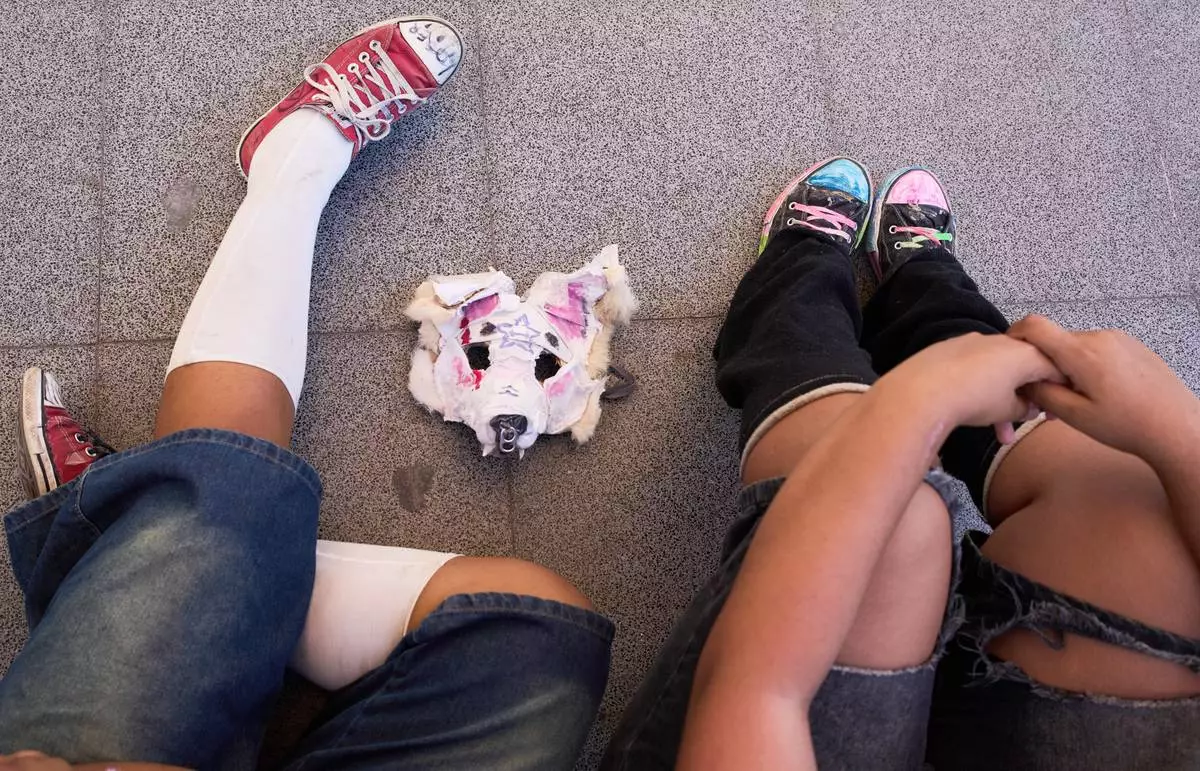
An animal mask sits on the floor during a gathering of therians, people who say they identify as non-human animals, in Buenos Aires, Argentina, Sunday, Feb. 22, 2026. (AP Photo/Rodrigo Abd)
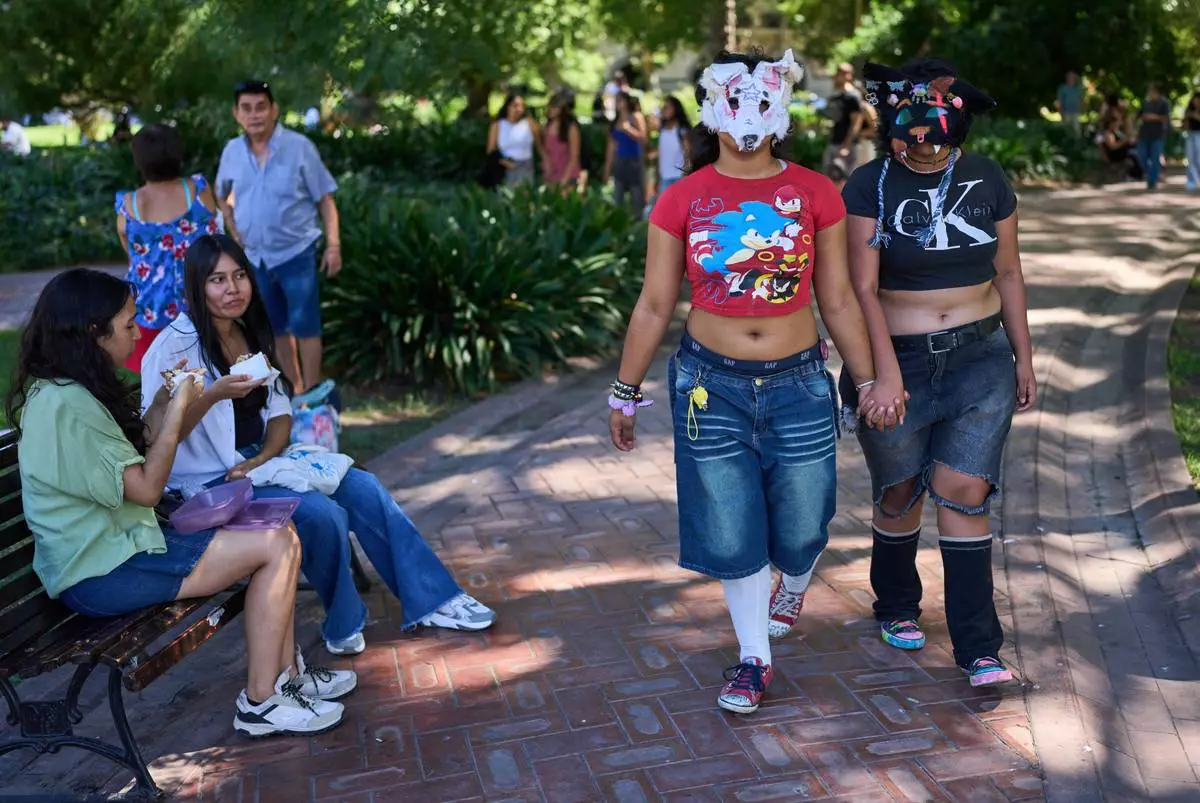
An animal mask sits on the floor during a gathering of therians, people who say they identify as non-human animals, in Buenos Aires, Argentina, Sunday, Feb. 22, 2026. (AP Photo/Rodrigo Abd)
Youths walk through a park during a gathering of therians, people who say they identify as non-human animals, in Buenos Aires, Argentina, Sunday, Feb. 22, 2026. (AP Photo/Rodrigo Abd)

Youths walk through a park during a gathering of therians, people who say they identify as non-human animals, in Buenos Aires, Argentina, Sunday, Feb. 22, 2026. (AP Photo/Rodrigo Abd)

Youths climb a tree during a gathering of therians, people who say they identify as non-human animals, at a square in Buenos Aires, Argentina, Sunday, Feb. 22, 2026. (AP Photo/Rodrigo Abd)
Youths climb a tree during a gathering of therians, people who say they identify as non-human animals, at a square in Buenos Aires, Argentina, Sunday, Feb. 22, 2026. (AP Photo/Rodrigo Abd)

A youth wears a dog mask during a gathering of therians, people who say they identify as non-human animals, in Buenos Aires, Argentina, Sunday, Feb. 22, 2026. (AP Photo/Rodrigo Abd)
A youth wears a dog mask during a gathering of therians, people who say they identify as non-human animals, in Buenos Aires, Argentina, Sunday, Feb. 22, 2026. (AP Photo/Rodrigo Abd)

A youth jumps over other therians, people who say they identify as non-human animals, during a gathering in a square in Buenos Aires, Argentina, Sunday, Feb. 22, 2026. (AP Photo/Rodrigo Abd)


A youth jumps over other therians, people who say they identify as non-human animals, during a gathering in a square in Buenos Aires, Argentina, Sunday, Feb. 22, 2026. (AP Photo/Rodrigo Abd)

NEW YORK (AP) — Federal prosecutors have charged two men with using artificial intelligence to create nude videos and photos of female celebrities under a newly enacted law meant to halt the spread of deepfake pornography.

Cornelius Shannon, 51, and Arturo Hernandez, 20, were both arrested Tuesday for generating sexually explicit AI content that drew millions of views online, according to criminal complaints.

The men — who do not appear to be connected — are among the earliest defendants to face charges under the Take It Down Act, a law signed last year by President Donald Trump that adds stricter penalties for publishing AI-created deepfakes and “revenge porn.” The bill drew bipartisan support, as well as the public backing of first lady Melania Trump.

Under the new law, the men now face up to two years in prison.

Attorneys for Shannon and Hernandez did not immediately respond to a request for comment.

In a statement, Joseph Nocella, the U.S. attorney in Brooklyn, said the men had ”used cutting-edge digital technology to create images that degraded and violated” dozens of women. “This case makes clear that posting deepfake pornography is not a victimless crime,” he added.

Shannon, a resident of New Jersey, published at least 240 albums of AI-generated pornography featuring female politicians, musicians and singers, according to the complaint.

The deepfakes published by Hernandez, of Texas, included both celebrities as well as private women, including recent high school graduates, prosecutors said.

The arrests come as increasingly sophisticated generative AI tools have raised alarm about the online spread of sexually explicit fakes, often depicting minors.

Last month, an Ohio man became the first person convicted under the Take It Down Act after pleading guilty to using AI to generate child sexual abuse material.

In March, two teenage boys received probation for creating explicit AI images of their classmates at an exclusive private school in Pennsylvania.

And in a separate case filed earlier this year, three teenagers in Tennessee sued Elon Musk’s xAI, claiming the company’s Grok tools morphed their real photos into explicitly sexual images.

The high school students are seeking class-action status to represent what the lawsuit says are thousands of people who were similarly victimized as minors.

FILE - A poster outside a roundtable about an online safety bill, hosted by first lady Melania Trump, is displayed in the Capitol, March 3, 2025, in Washington. (AP Photo/Julia Demaree Nikhinson, File)

FILE - A poster outside a roundtable about an online safety bill, hosted by first lady Melania Trump, is displayed in the Capitol, March 3, 2025, in Washington. (AP Photo/Julia Demaree Nikhinson, File)

Recommended Articles