ISLAMABAD (AP) — Pakistan is in an “open war” with Afghanistan, Defense Minister Khawaja Mohammad Asif said Friday, with fighting escalating into the most serious armed confrontation between the two uneasy neighbors since a Qatari-mediated ceasefire in October.
The two countries share a long, complicated history harking back to Pakistan's creation in 1947. Bound by traditional social, ethnic and economic ties, relations have nonetheless been volatile and have often descended into armed conflict.
Click to Gallery
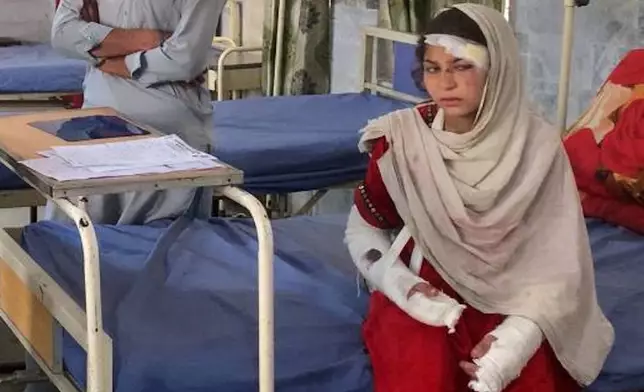
A girl, who was injured in the overnight cross border fighting between Pakistan and Afghan forces, receives treatment at a hospital at Khar, in Bajaur, a district of Pakistan's Khyber Pakhtunkhwa province bordering with Afghanistan, Friday, Feb. 27, 2026. (AP Photo)
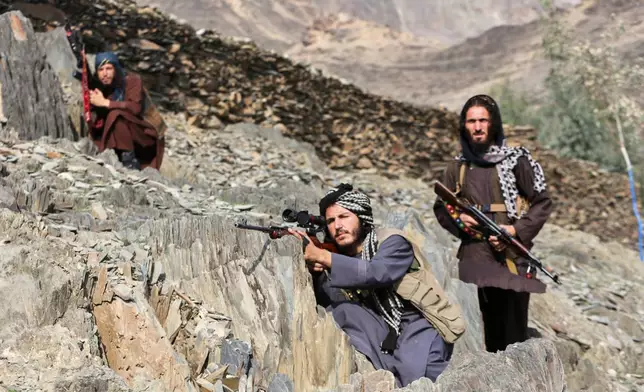
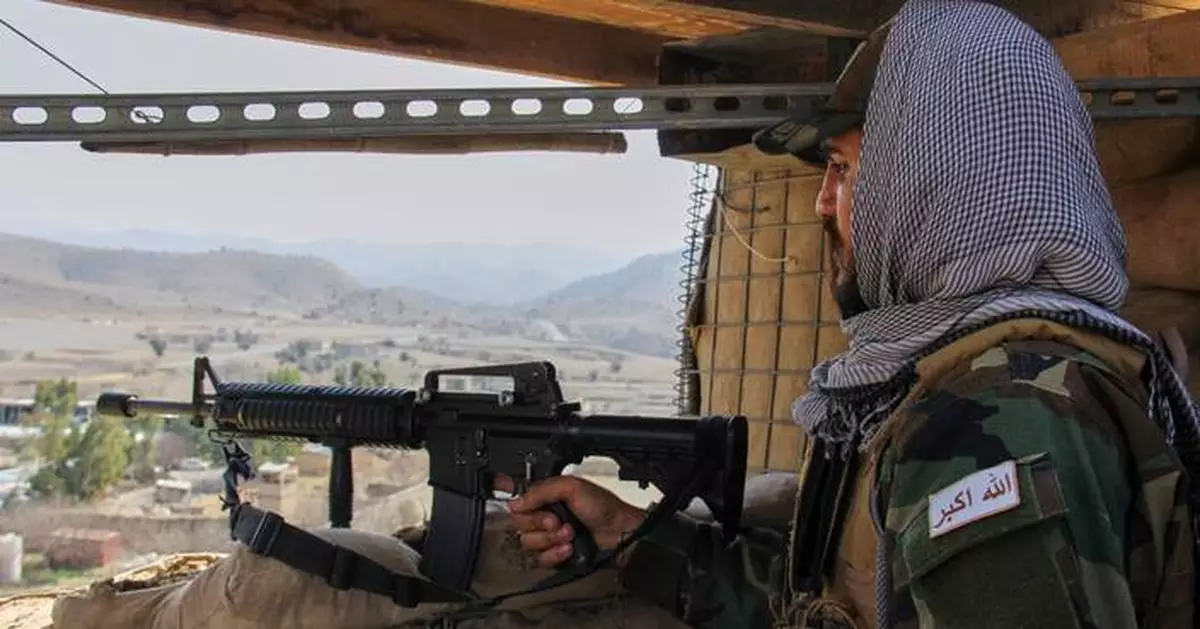
Afghan Taliban soldiers look toward the Pakistani side, with one peering through the sight of his rifle, on the Afghan side of the Torkham border crossing with Pakistan in Torkham, Afghanistan, Friday, Feb. 27, 2026. (AP Photo/Wahidullah Kakar)
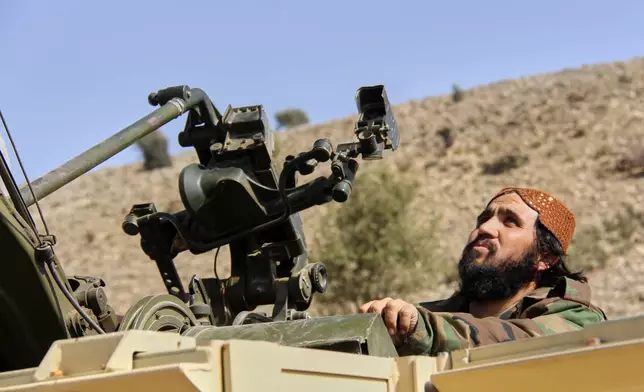
A Taliban fighter looks up while manning an armed pickup truck at the Afghan side of the Ghulam Khan crossing with Pakistan in Khost province, Afghanistan, Friday, Feb. 27, 2026. (AP Photo/Saifullah Zahir)
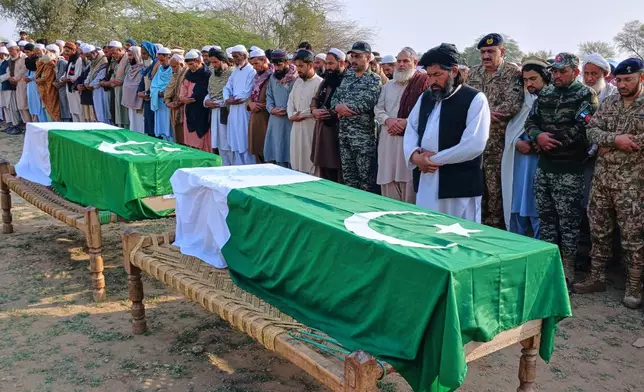
People offer funeral prayers for paramilitary soldiers killed during a gun-battle with militants in Waziristan area, on the outskirts of Kohat, Pakistan, Friday, Feb. 27, 2026. (AP Photo/S.B. Shah)
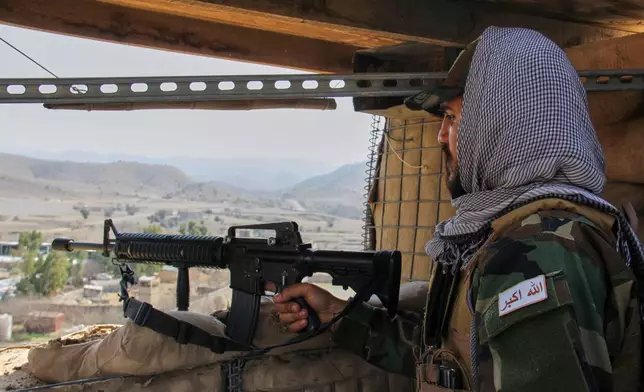
A Taliban soldier stands guard at a military checkpoint at the Afghan side of the Ghulam Khan crossing with Pakistan in Khost province, Afghanistan, Friday, Feb. 27, 2026. (AP Photo/Saifullah Zahir)
Over the last few months, the two have occasionally skirmished along their winding, porous frontier as tension has escalated. The latest confrontation is by far the most serious.
Here are some key things to know about the two countries' relations and why they are fighting.
Afghanistan launched an extensive cross-border attack into Pakistan along six provinces on Thursday night, in what it said was retaliation for Pakistani airstrikes on Afghanistan on Sunday. Pakistan had said those airstrikes had targeted and killed dozens of militants in Afghanistan, but Kabul said only civilians, including women and children, had been killed.
In response, Pakistan carried out airstrikes in the early hours of Friday on the Afghan capital and two other areas, Kandahar and Paktia. The border fighting, which had ceased by then, restarted and was continuing Friday.
Pakistan has witnessed a sharp rise in militant violence within the country in recent years, including suicide bombings and coordinated assaults targeting security forces. Pakistani authorities blame the Pakistani Taliban, known as Tehrik-e-Taliban Pakistan, or TTP, for many of the attacks, and accuse Afghanistan of providing a safe haven for the group inside Afghanistan.
Kabul rejects the allegations, and says it does not allow anyone to use Afghan soil for attacks on any country, including Pakistan.
Created in 2007, the TTP brought together different outlawed groups that agreed to work together against Pakistan and support the Afghan Taliban, who at the time were fighting U.S. and NATO forces. The United Nations and United States have designated it a terrorist organization.
The group seeks stricter enforcement of Islamic laws, the release of its members imprisoned in Pakistan, and a reduction in Pakistani military presence in parts of Khyber Pakhtunkhwa, the province bordering Afghanistan that it has long used as a base.
Although separate, the group is closely allied with the Afghan Taliban that now runs Afghanistan. Many of its leaders and fighters are believed to have taken refuge in Afghanistan since the Taliban’s return to power in 2021, further straining ties.
In 2022, Afghanistan brokered a short-lived ceasefire between the TTP and Pakistan. The truce collapsed when the TTP accused Pakistan’s military of violating the agreement.
Pakistan was one of only three countries — along with Saudi Arabia and the United Arab Emirates — to recognize the first Taliban government after it first seized power in 1996. However, after the Sept. 11, 2001, attacks in the United States, Islamabad aligned itself with Washington in the U.S.-led war in Afghanistan, a shift that angered Islamist militant groups at home.
Much of the tension is concentrated along the two countries' 2,611-kilometer (1,622-mile) frontier known as the Durand Line. Named after British diplomat Mortimer Durand and established in 1893, the line cuts through the heartland of the tribal areas of the Pashtun, Afghanistan’s largest ethnic group and also the group from which the Afghan Taliban stem.
Although the line is internationally recognized as Pakistan’s western border, Afghanistan does not recognize it as such.
Both countries often accuse each other of turning a blind eye to Islamic militants operating along it.
Tension between Afghanistan and Pakistan has been high for months. It reached a peak last year when dozens of civilians, security forces and militants were killed in the deadliest clashes between the countries in years.
On Oct. 8, militants ambushed an army convoy in Pakistan's Orakzai district, killing 11 soldiers. The assault was part of a broader wave of violence that has killed hundreds of civilians and security personnel in recent years.
Prime Minister Shehbaz Sharif said Pakistan could no longer tolerate the continued loss of life and announced the military had been granted full authority to respond. The following day, Pakistan’s military carried out strikes inside Afghanistan, prompting cross-border clashes.
A Qatari-mediated ceasefire in mid-October ended the fighting, although since then there have been repeated strikes and skirmishes in the frontier area, leading to dozens of deaths. The two sides differ widely on the casualty figures.
Peace talks held in Istanbul in November failed to reach a long-term solution.
Tension has also escalated over Pakistan's mass deportation of Afghan refugees.
In 2023, Pakistan launched a nationwide crackdown on foreigners living there without legal status. While officials said the campaign was not aimed at any single nationality, it has primarily affected Afghans.
Over the past four decades, millions of Afghans have sought refuge in Pakistan, fleeing war, political instability and economic hardship in their homeland. The crackdown is affecting more than two million Afghans in Pakistan, including some who were born there.
Iran, Afghanistan's western neighbor, has also carried out expulsions, further straining resources in impoverished Afghanistan. The U.N.'s refugee agency says a total of 5.4 million people have returned to the country since October 2023, mostly from Pakistan and Iran.
The fighting has alarmed the international community, particularly as the area is one where other militant groups, including al-Qaida and the Islamic State group, still have a presence and have been trying to resurface.
In October, Turkey, Qatar and Saudi Arabia had facilitated talks between the sides. At the time, U.S. President Donald Trump had also weighed in, saying he intended to resolve the conflict “very quickly.” Whether he will do so again remains to be seen.
Turkish Foreign Minister Hakan Fidan spoke with his Pakistani, Afghan, Qatari and Saudi counterparts, a Turkish official said Friday, speaking on condition of anonymity in line with government policy.
Russia has called for an immediate halt to the fighting and for a diplomatic resolution to the conflict, while Iran said it was ready to assist in facilitating dialogue.
Becatoros contributed from Athens, Greece and Castillo from Beijing, China
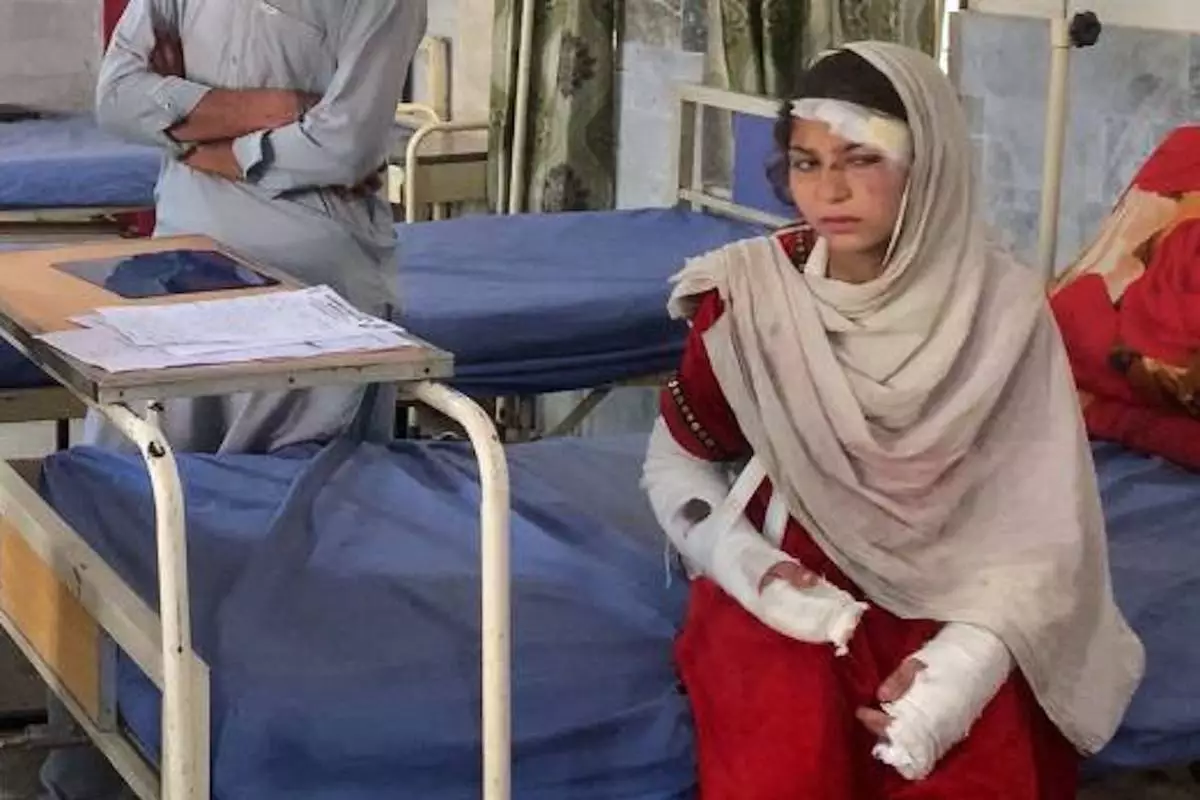
A girl, who was injured in the overnight cross border fighting between Pakistan and Afghan forces, receives treatment at a hospital at Khar, in Bajaur, a district of Pakistan's Khyber Pakhtunkhwa province bordering with Afghanistan, Friday, Feb. 27, 2026. (AP Photo)
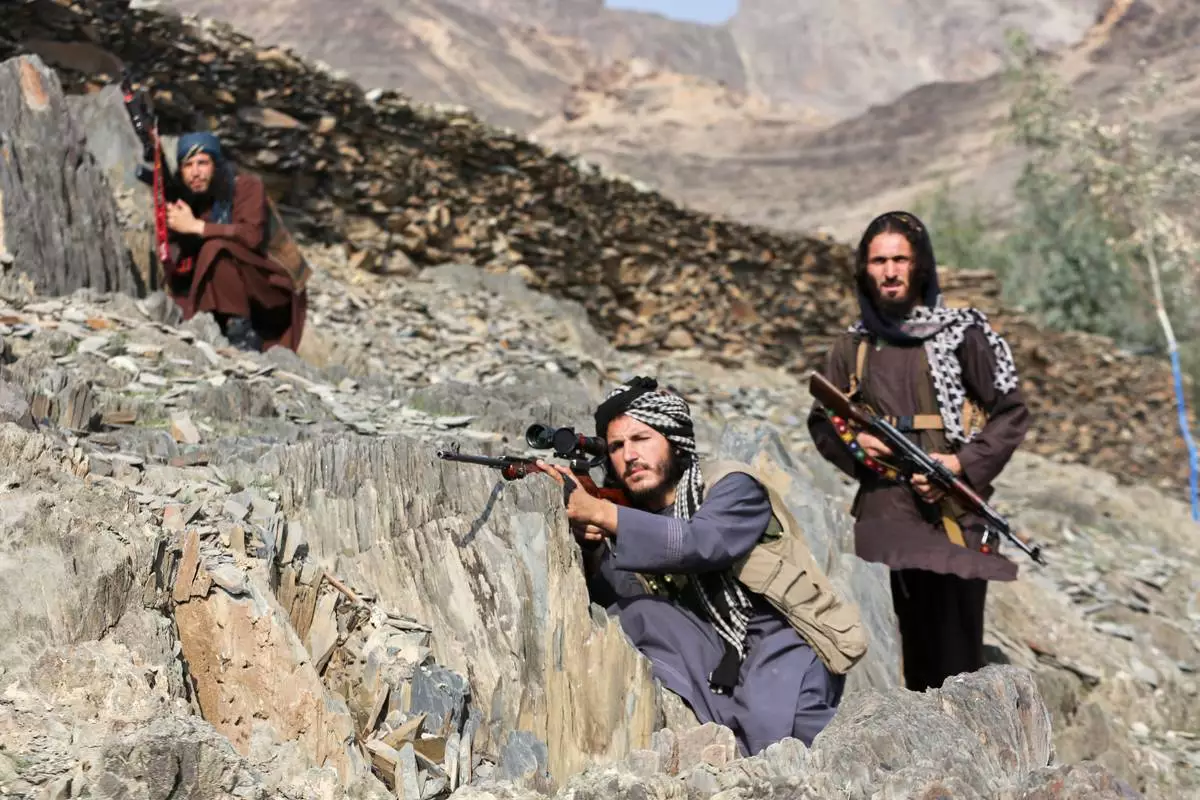
Afghan Taliban soldiers look toward the Pakistani side, with one peering through the sight of his rifle, on the Afghan side of the Torkham border crossing with Pakistan in Torkham, Afghanistan, Friday, Feb. 27, 2026. (AP Photo/Wahidullah Kakar)
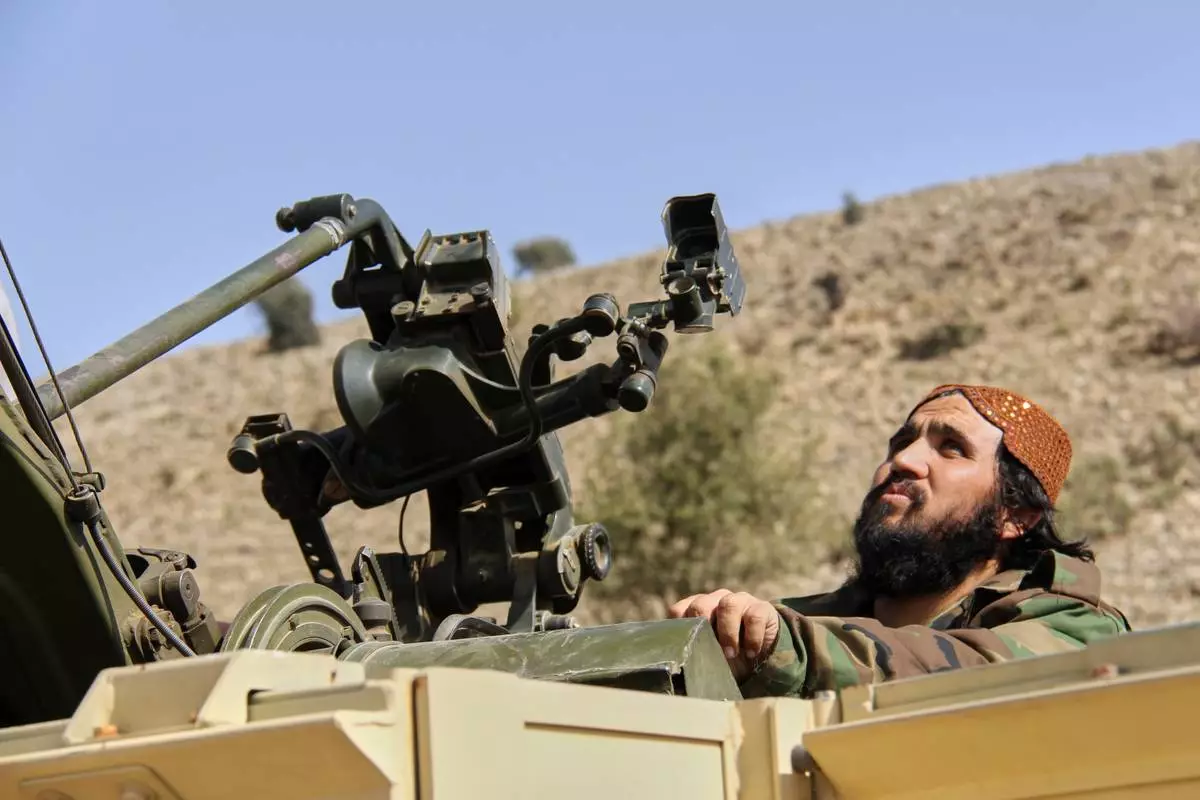
A Taliban fighter looks up while manning an armed pickup truck at the Afghan side of the Ghulam Khan crossing with Pakistan in Khost province, Afghanistan, Friday, Feb. 27, 2026. (AP Photo/Saifullah Zahir)
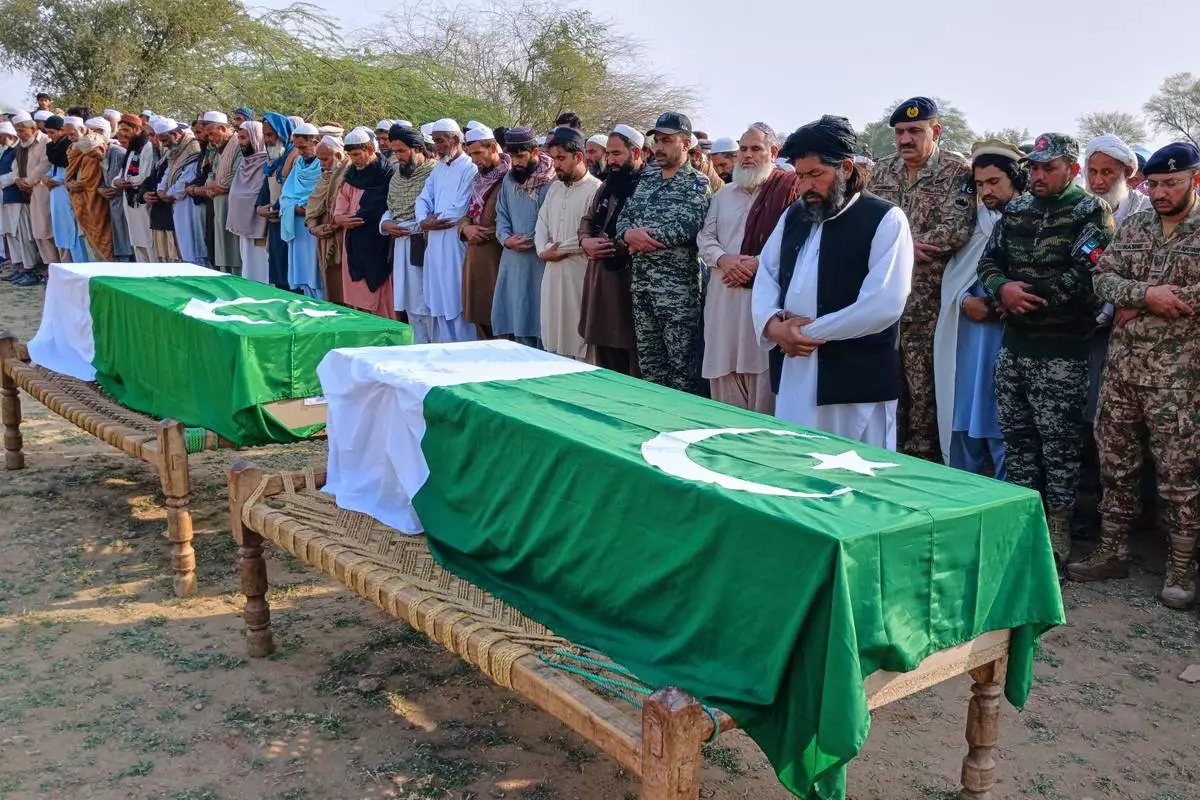
People offer funeral prayers for paramilitary soldiers killed during a gun-battle with militants in Waziristan area, on the outskirts of Kohat, Pakistan, Friday, Feb. 27, 2026. (AP Photo/S.B. Shah)
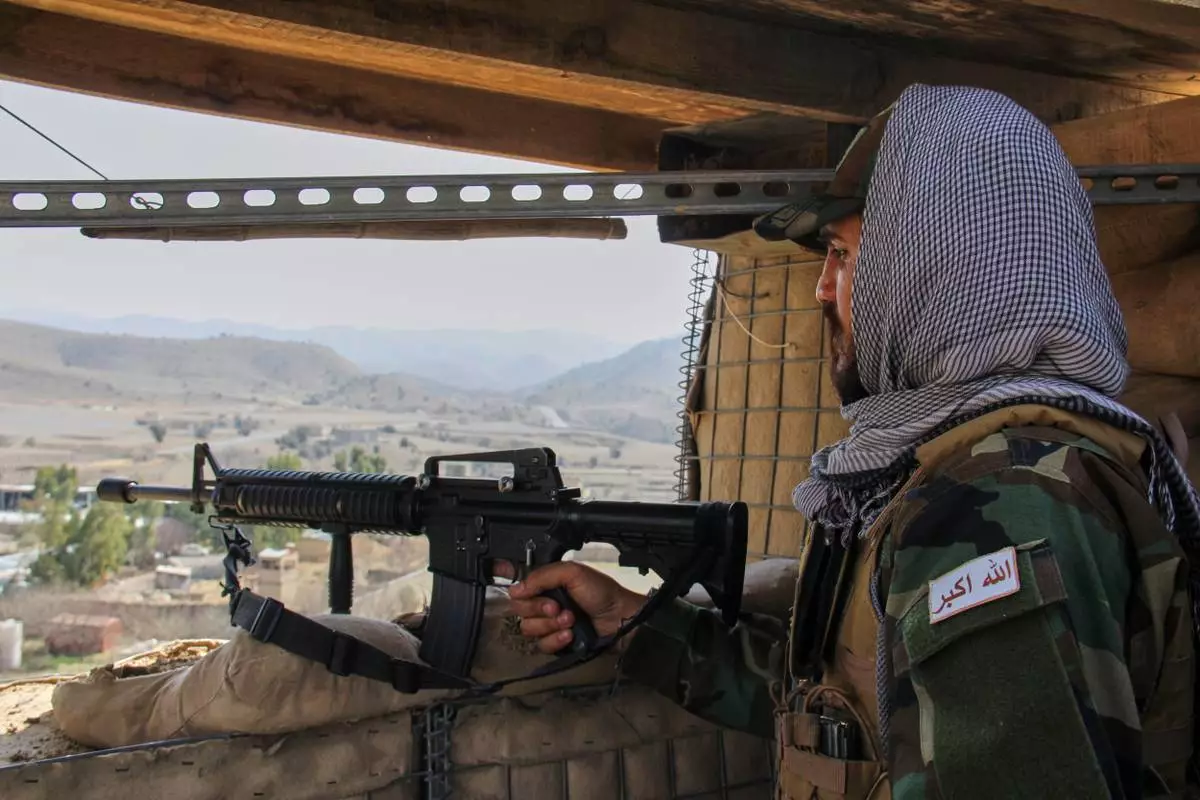
A Taliban soldier stands guard at a military checkpoint at the Afghan side of the Ghulam Khan crossing with Pakistan in Khost province, Afghanistan, Friday, Feb. 27, 2026. (AP Photo/Saifullah Zahir)