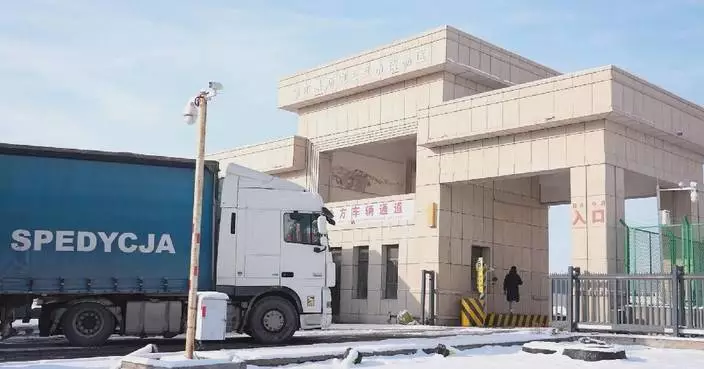
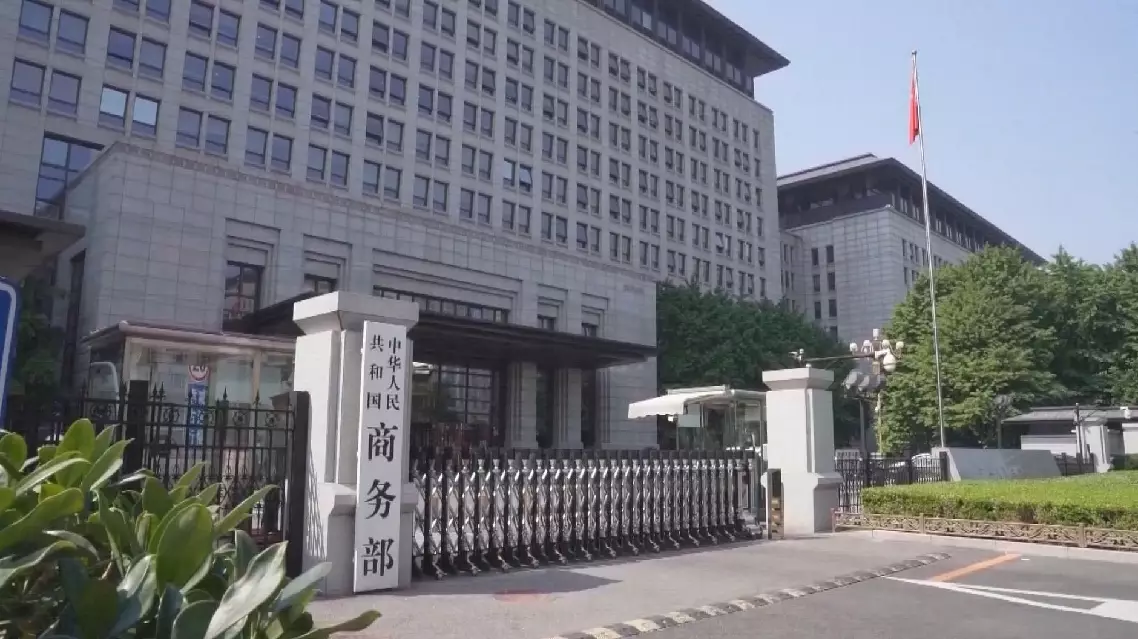
China has decided not to impose additional tariffs on certain imports from Canada from March 1 to Dec 31, 2026, the Ministry of Commerce said on Friday.
Such tariffs were previously imposed following an anti-discrimination probe.
The ministry said that to implement the important consensus reached between the two countries' leaders, China and Canada have made specific arrangements to address economic and trade issues properly in such areas as electric vehicles, steel and aluminum products, and agricultural and aquatic products.
It noted that the Canadian government has recently announced partial adjustments to its additional tariffs on Chinese steel and aluminum products, which meets the conditions for China to adjust its corresponding countermeasures.
China is willing to work with Canada to promote the healthy, stable and sustainable development of bilateral economic and trade relations, the ministry said.
China to suspend additional tariffs on certain imports from Canada
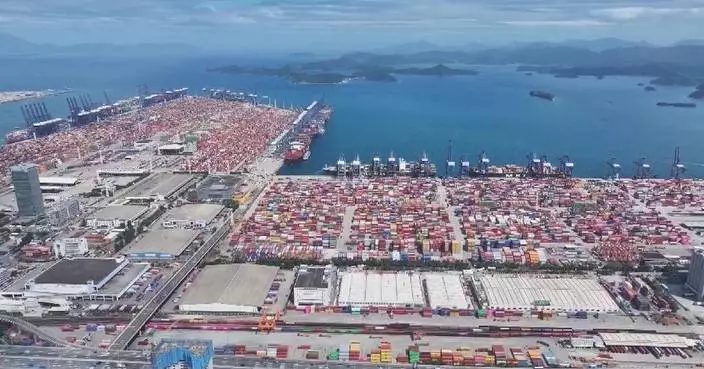
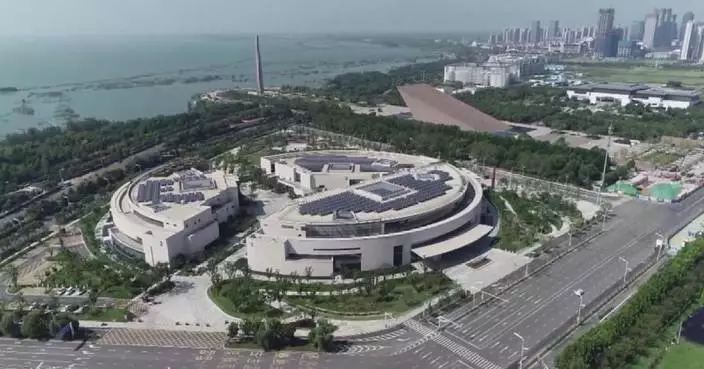
Shanghai is improving its business environment starting from the neighborhood level to ensure the precision of the city management.
This footpath along the Suzhou Creek is a popular spot for leisure and exercise in the city.
Many visitors of the Fotografiska Museum like to have a cup of coffee and enjoy the outdoor vibe. But in fact, putting chairs outdoors is not a simple matter for the store itself.
When this gallery opened in 2023, it wanted to set up an outdoor seating area.
"We are located by the road and along the creek, so there are many joggers, sports enthusiasts, and tourists passing by. We need to consider how to balance our operations with the flow of people through the area,” said Crystal Cao, guest experience manager of the gallery.
The problem was quickly solved with the help of a "business environment specialist" in the neighborhood.
In Shanghai's North Station neighborhood, 12 specialists each oversee 30 to 40 local companies, ensuring that their requests are addressed promptly.
"My job is to communicate with enterprises and know their needs. If they have requests, we help solve them," said Sun Danyan, a business environment specialist of Shanghai North Station Neighborhood.
The gallery shared its plans with the specialist, who then reported them to the neighborhood office. The office coordinates with district-level departments, such as landscaping and city appearance bureaus, to design the outdoor area.
Without such specialists, companies, especially smaller ones, would have to navigate multiple departments on their own, which can be challenging.
"Small companies often have limited access to resources and information. They need our neighborhood office to provide support and help them access the resources they require," said Sang Zhenxiao, office director of Shanghai North Station Neighborhood.
Private enterprises account for more than 90 percent of Shanghai's businesses and are a key pillar of the city's economy.
Xu Jiao, deputy director of the Development and Reform Commission in Shanghai's Jing'an District, said the business environment is designed to support not only large or foreign firms, but also small local companies.
"The neighborhood is the closest to the companies and the last kilometer in the business environment. So, we use the ‘neighborhood serving as whistle blower to urge departments to report for duty’ to make our job more efficient. Any problems companies meet can be reported to the higher level via this mechanism," he said.
On the first workday of 2026, Shanghai launched its ninth version of the action plan to accelerate the development of a world-class business environment. The plan prioritizes government service efficiency as its first chapter.
Building a world-class business environment is also highlighted in the recommendation for China's 15th Five-Year Plan (2026-2030), signaling a clear commitment to supporting enterprises, especially small and private companies.

Shanghai improves business environment starting from neighborhood level

Shanghai improves business environment starting from neighborhood level