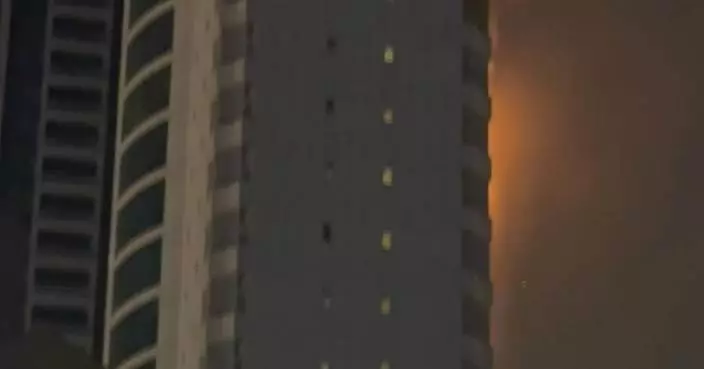
The government of Iran issued a statement on Sunday, a day after Supreme Leader Ayatollah Ali Khamenei was killed in U.S.-Israeli attacks, vowing to hold the perpetrators accountable.
With deep sorrow, the statement announced that Khamenei had been martyred in the attacks.
It added that the great crime would never go unanswered and that Iran would, with its full strength and resolve, make the perpetrators and masterminds behind the crime pay a heavy price.
The statement also declared a 40-day period of national mourning and a suspension of public institutions for seven days.
It further stated that the Iranian people would stand united to overcome this difficult time.
Iran said on Sunday that President Masoud Pezeshkian, head of judiciary, and one jurist of the Guardian Council will temporarily assume duties of leadership after Khamenei's death.
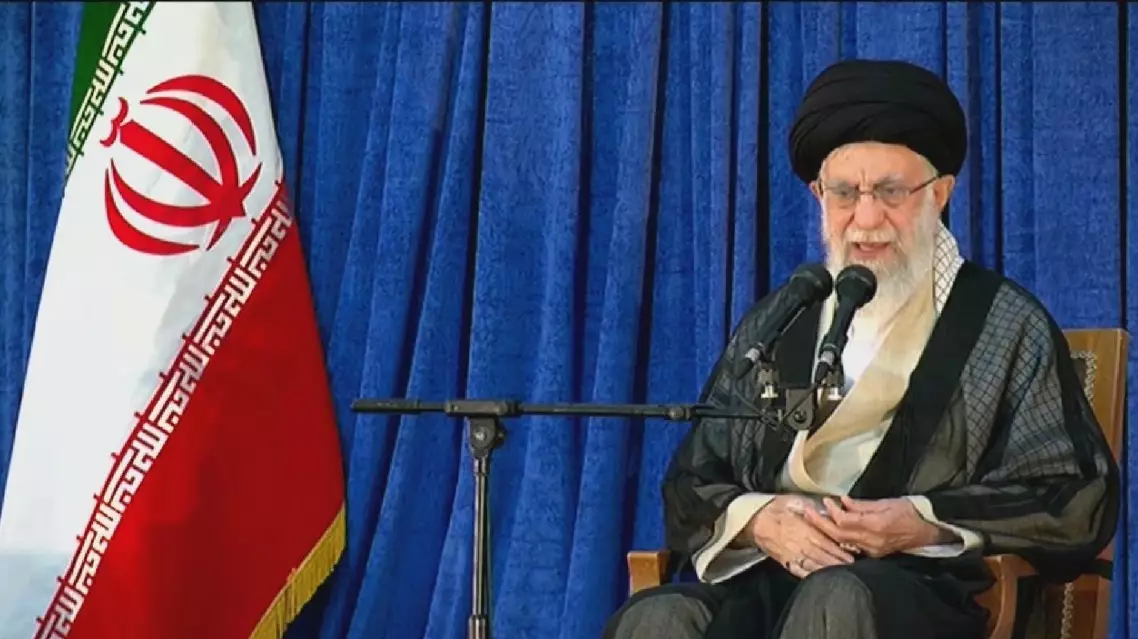
Iran issues statement on death of supreme leader Khamenei
Iran issues statement on death of supreme leader Khamenei
Iran issues statement on death of supreme leader Khamenei
The International Atomic Energy Agency (IAEA) on Saturday urged restraint to avoid any nuclear safety risks to people in the Middle East and called an emergency board meeting scheduled for Monday, as it races to assess nuclear safety risks following the U.S.-Israeli military strikes on Iran.
In a social media post, the IAEA said it is in permanent contact with countries in the region, and so far there is no evidence of any radiological impact and that it will keep monitoring the situation and informing.
In a phone call with IAEA Director General Rafael Grossi, Austrian Foreign Minister Beate Meinl-Reisinger was informed that no nuclear facilities in Iran have been struck so far, according to her social media post.
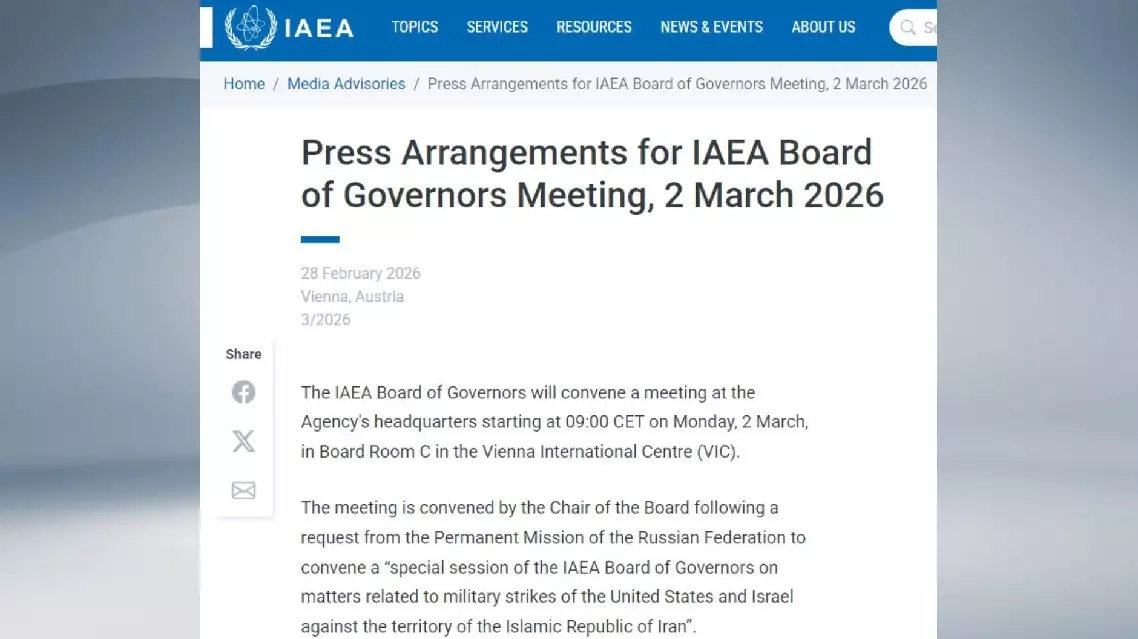
Meanwhile, the IAEA Board of Governors will hold a meeting on Monday at the agency's Vienna headquarters.
According to a statement released by the IAEA, the session will address "matters related to military strikes of the United States and Israel against the territory of the Islamic Republic of Iran."
Earlier on Saturday, the U.S. and Israel launched what U.S. President Donald Trump called "major combat operations" against Iran, plunging the war-torn Middle East into a new round of violent conflict.
IAEA urges restraint to avoid nuclear safety risks in Middle East