Protests erupted across the United States on Saturday to condemn the ongoing coordinated strikes launched by the U.S. and Israel against Iran, with many calling the deadly attacks an illegal act of aggression.
The demonstrations saw participants rally on the streets of major cities, such as Los Angeles and New York City, to denounce what the U.S. and Israel call "major combat operations" against the Islamic Republic, which has so far resulted in heavy casualties, including more than 100 deaths in an Iranian girls' school.
The joint attacks are continuing despite the killing of Iran's Supreme Leader Ali Khamenei, together with many of his senior commanders, which has been confirmed by both Trump and Iranian state media.
According to U.S. protesters, these actions are not only unjust but risk embroiling the U.S. in an extended war.
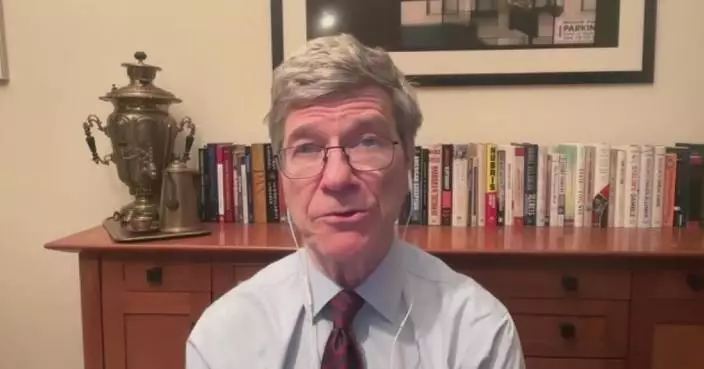
"Who made us the boss of the world? Iran is an independent country and what makes them think that we can come and fix it when we can't even fix our own country? I'm here because our alleged president has just started what I think is going to be World War III," said a protest participant in Los Angeles.
"I do not want us to invade Iran in our name, in the name of Israel, in anyone's name," said another.
A similar rally in New York City's Times Square saw protesters waving placards decrying the administrations of U.S. President Donald Trump and Israeli Prime Minister Benjamin Netanyahu.
"I'm out today to take a clear side in defense of Iran against imperialist attack. We seek to mobilize the broadest possible forces to come out to defend Iran and stop U.S. imperialism's aggression," said a participant.
"I would say this is an unprovoked act of aggression, this is an illegal war, this needs to stop. Both Trump and Netanyahu have been attacking various countries around the world in just the last few years. It's not okay. These are acts of aggression," another said. The Iranian government announced a 40-day mourning period after the report of Khamenei's death.
Iran has retaliated with a series of counterattacks against Israel and U.S. targets across the Middle East region, with explosions reported in Bahrain, Qatar, Kuwait, Jordan, the United Arab Emirates, and Saudi Arabia, among other countries.
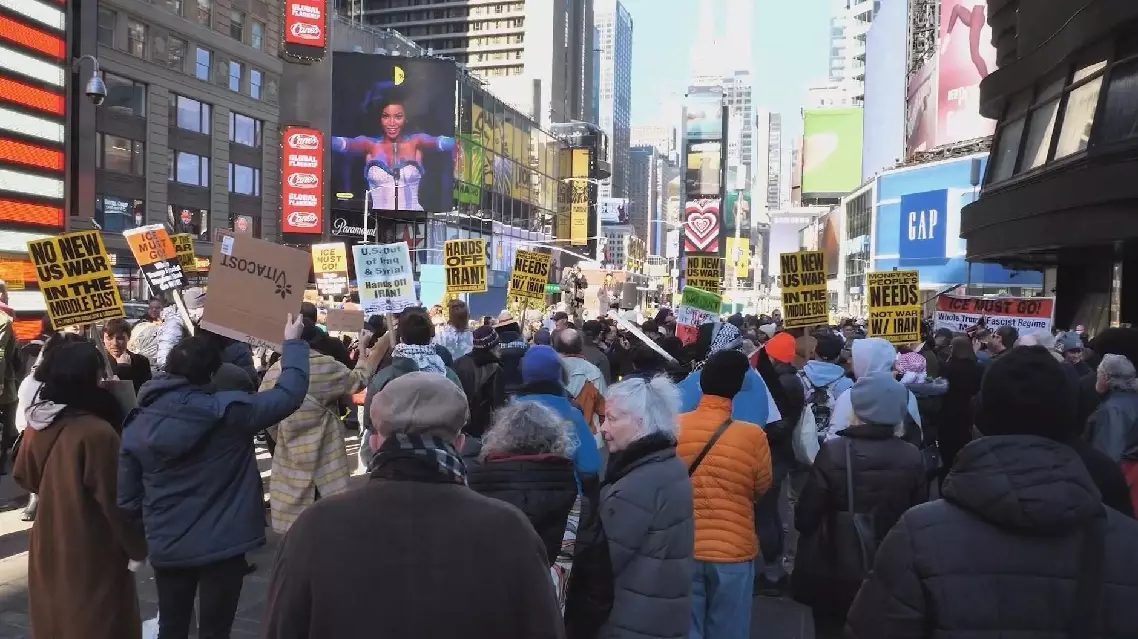
Protests erupt across US to decry aggression against Iran
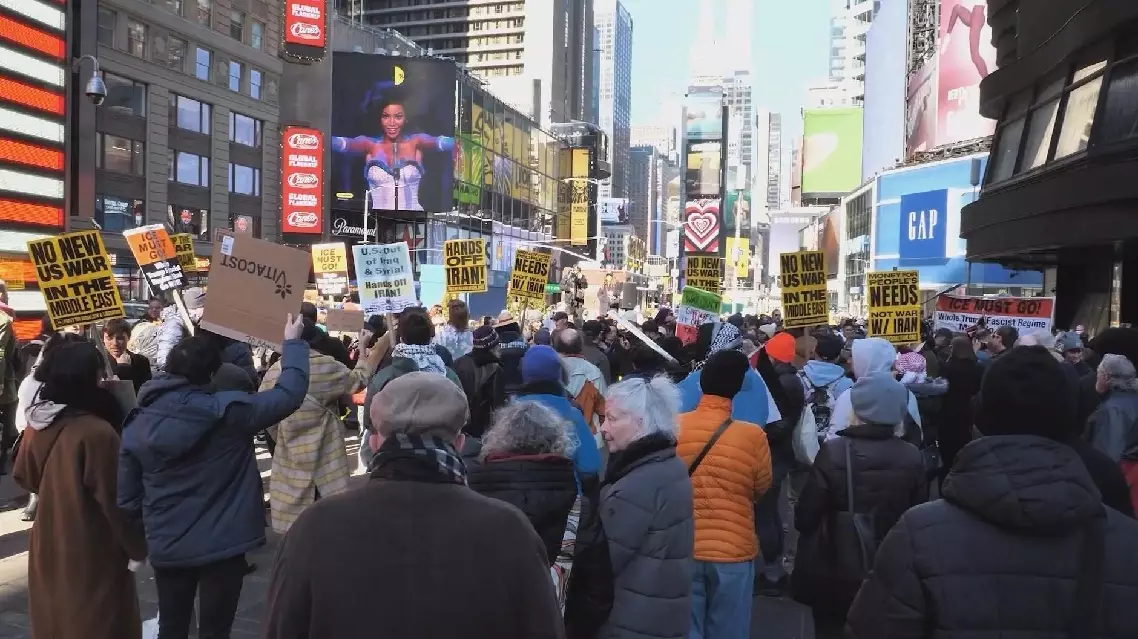
Protests erupt across US to decry aggression against Iran
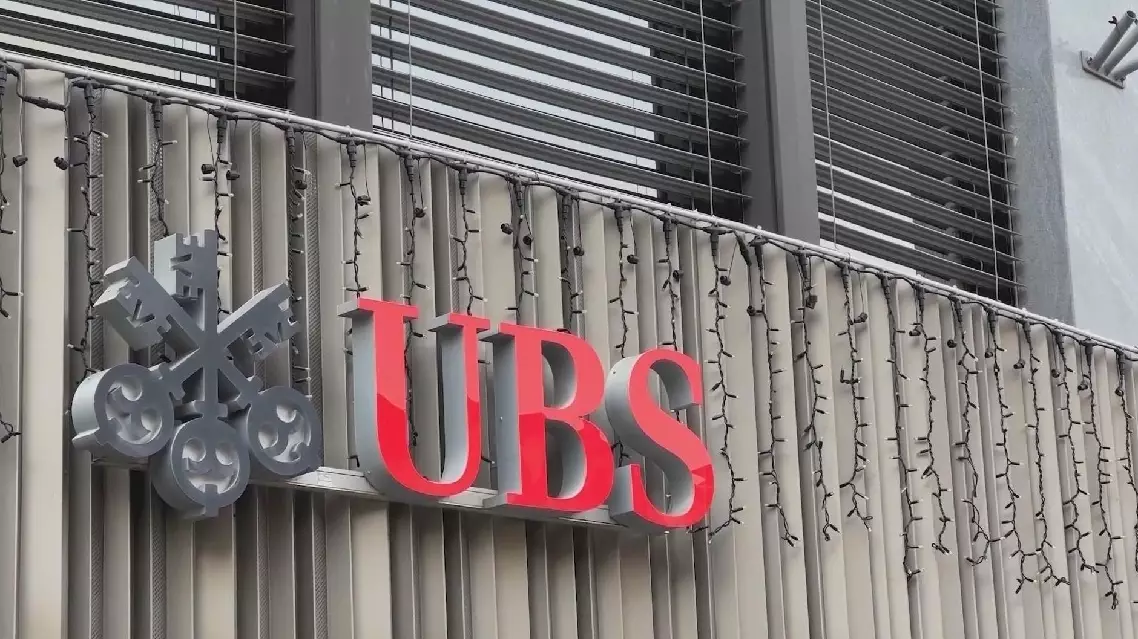
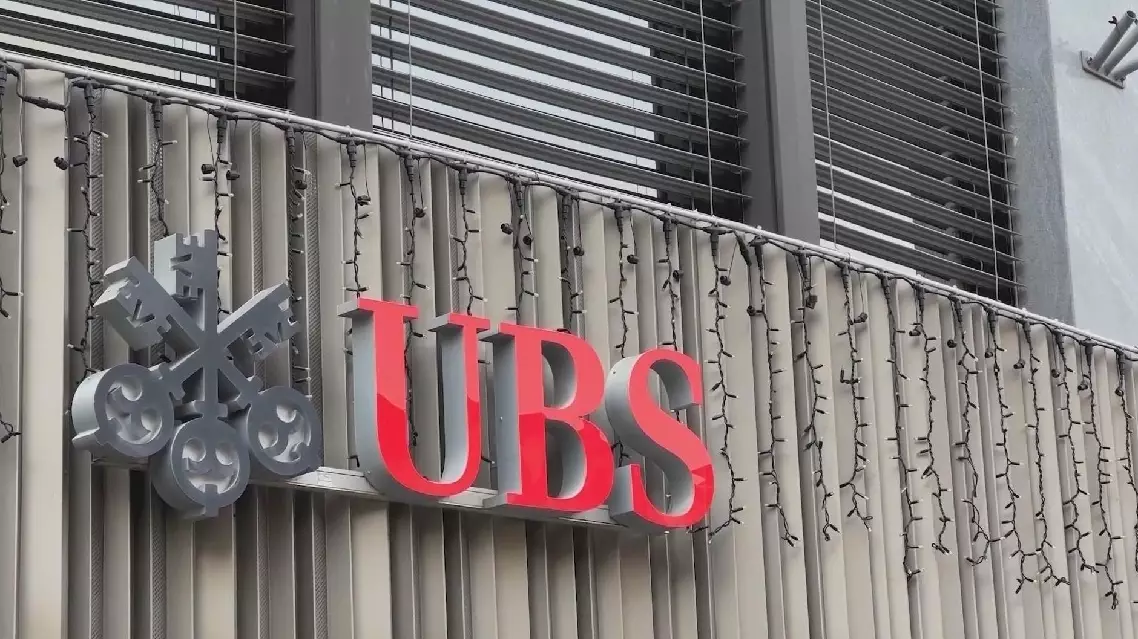
UBS Group, one of the world's largest financial houses, has downgraded its allocation rating on United States equities to "neutral," while maintaining an "overweight" stance on emerging market stocks, according to a report released by the group on Feb 27.
The report recommends that investors allocate more to other global equity assets rather than U.S. stocks. Market fund flows this year also show that a growing number of investors are "leaving the U.S." and turning to more attractive emerging market equities, the report said.
UBS analysts said the drawdown in the United States capital market relative to global markets has reached its highest level in nearly 15 years. They warned that U.S. equities are increasingly likely to underperform broader global markets.
Data from Goldman Sachs Group show that United States stocks are experiencing their weakest start to a year since 1995.
Since the beginning of this year, the exchange traded fund iShares MSCI ACWI ex U.S. ETF, which tracks developed and emerging markets outside the United States, has risen more than 9 percent. In comparison, the S and P 500 has gained only 0.3 percent over the same period.
Goldman Sachs analysts said earlier in February that hedge funds have been net sellers of United States equities for four consecutive weeks, with the pace of selling reaching its fastest level since the United States government imposed reciprocal tariffs last year.
Separate data from the London Stock Exchange Group and its analytics arm Lipper show that United States investors have withdrawn 52 billion United States dollars from domestic equities so far this year, marking the fastest pace of outflows since 2010.
Capital flow trends suggest that United States equities are becoming less attractive to investors, while emerging markets are drawing increased interest. Since the start of the year, approximately 26 billion United States dollars has flowed from United States investors into emerging market equities.
UBS and other institutions pointed to repeated tariff adjustments, pressure on allies, high federal debt levels and periodic government shutdown risks as factors weighing on investor confidence. They said elevated policy uncertainty in the United States has been a key reason for the market's relative underperformance.
In contrast, emerging market economies are showing stronger growth potential and greater policy clarity, providing investors with clearer expectations and reinforcing a broader shift toward more diversified global asset allocation.
UBS downgrades US stock markets as investors turn to emerging markets
UBS downgrades US stock markets as investors turn to emerging markets