Skip to Content Facebook Feature Image

Families take shelter in schools as Lebanon’s government calls Hezbollah’s strike on Israel illegal

News

Families take shelter in schools as Lebanon’s government calls Hezbollah’s strike on Israel illegal
News

News

Families take shelter in schools as Lebanon’s government calls Hezbollah’s strike on Israel illegal

2026-03-02 21:44 Last Updated At:21:50

BEIRUT (AP) — Lebanese civilians fled from the country's south and Beirut’s southern suburbs on Monday, seeking refuge in schools in Lebanon's capital following a new and deadly escalation between Israel and the Iran-allied Lebanese militant group Hezbollah.

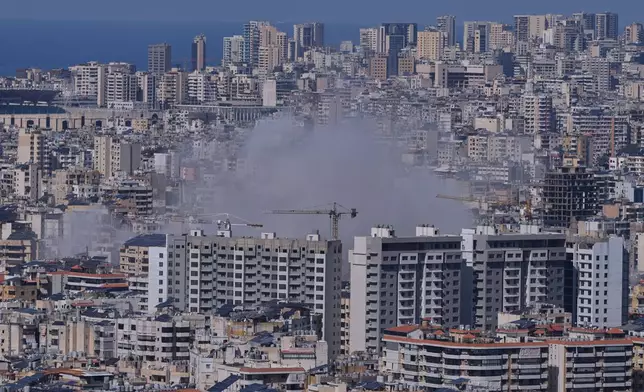
Lebanon’s Health Ministry reported at least 31 people were killed and 149 wounded in overnight strikes in the Beirut suburbs and southern Lebanon.

More Images
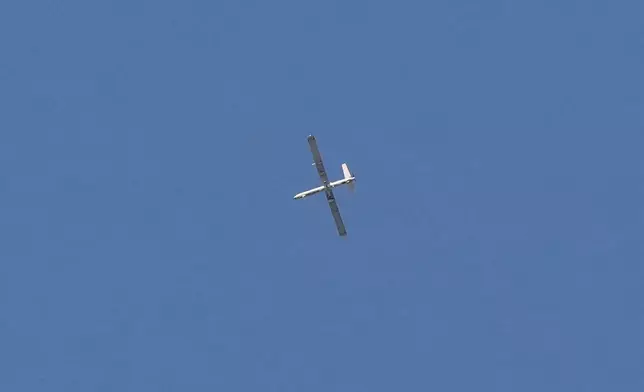
An Israeli drone flies over Dahiyeh, a southern suburb of Beirut, Lebanon, Monday, March 2, 2026. (AP Photo/Hassan Ammar)
An Israeli drone flies over Dahiyeh, a southern suburb of Beirut, Lebanon, Monday, March 2, 2026. (AP Photo/Hassan Ammar)

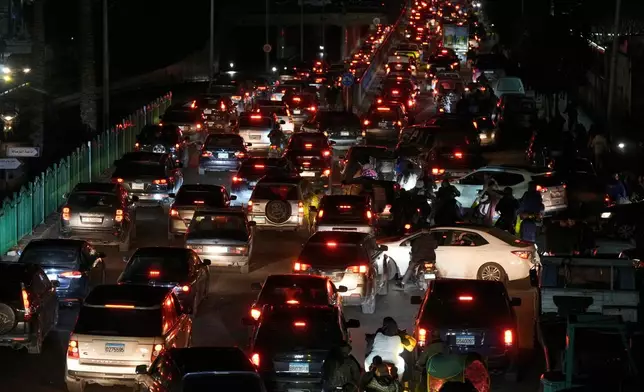
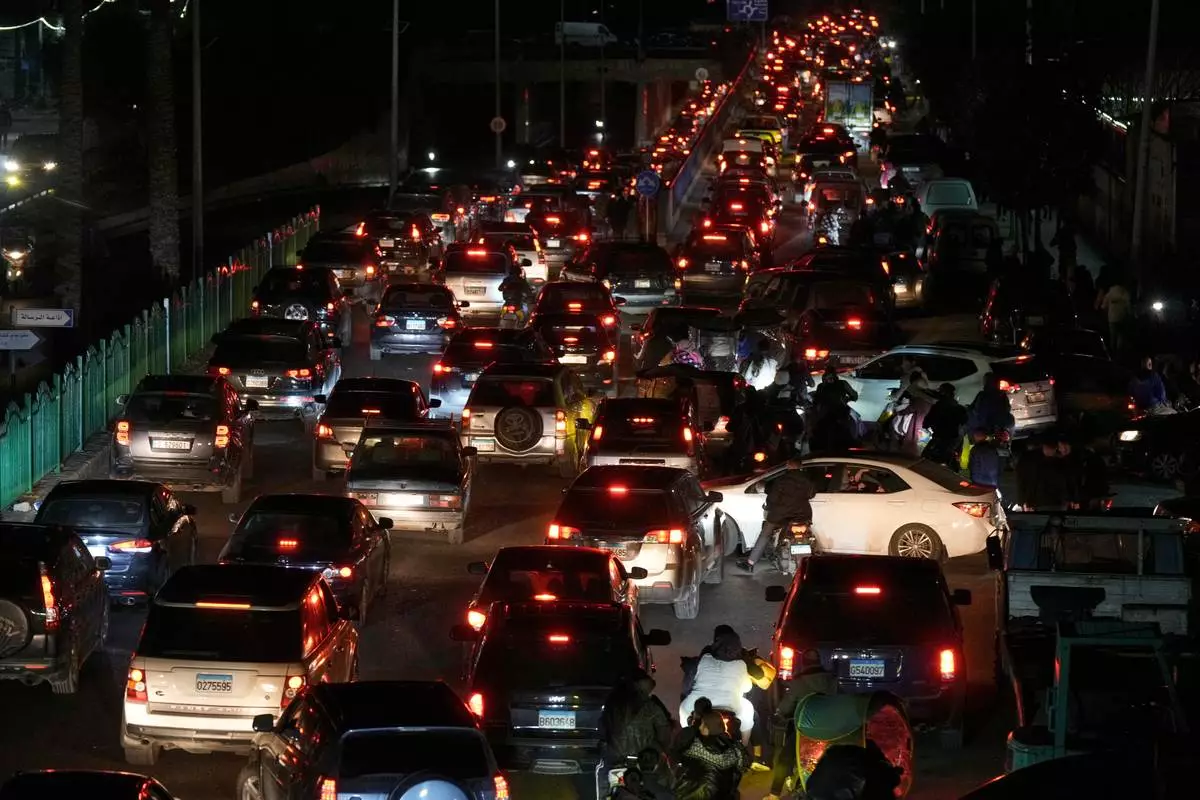
Cars sit in traffic as residents flee Israeli airstrikes in Dahiyeh, a southern suburb of Beirut, Lebanon, early Monday, March 2, 2026. (AP Photo/Bilal Hussein)
Cars sit in traffic as residents flee Israeli airstrikes in Dahiyeh, a southern suburb of Beirut, Lebanon, early Monday, March 2, 2026. (AP Photo/Bilal Hussein)

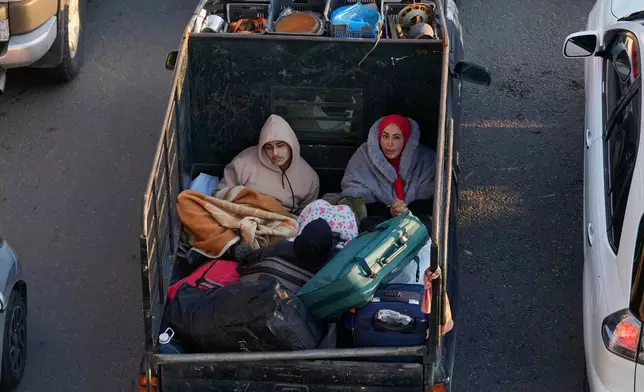
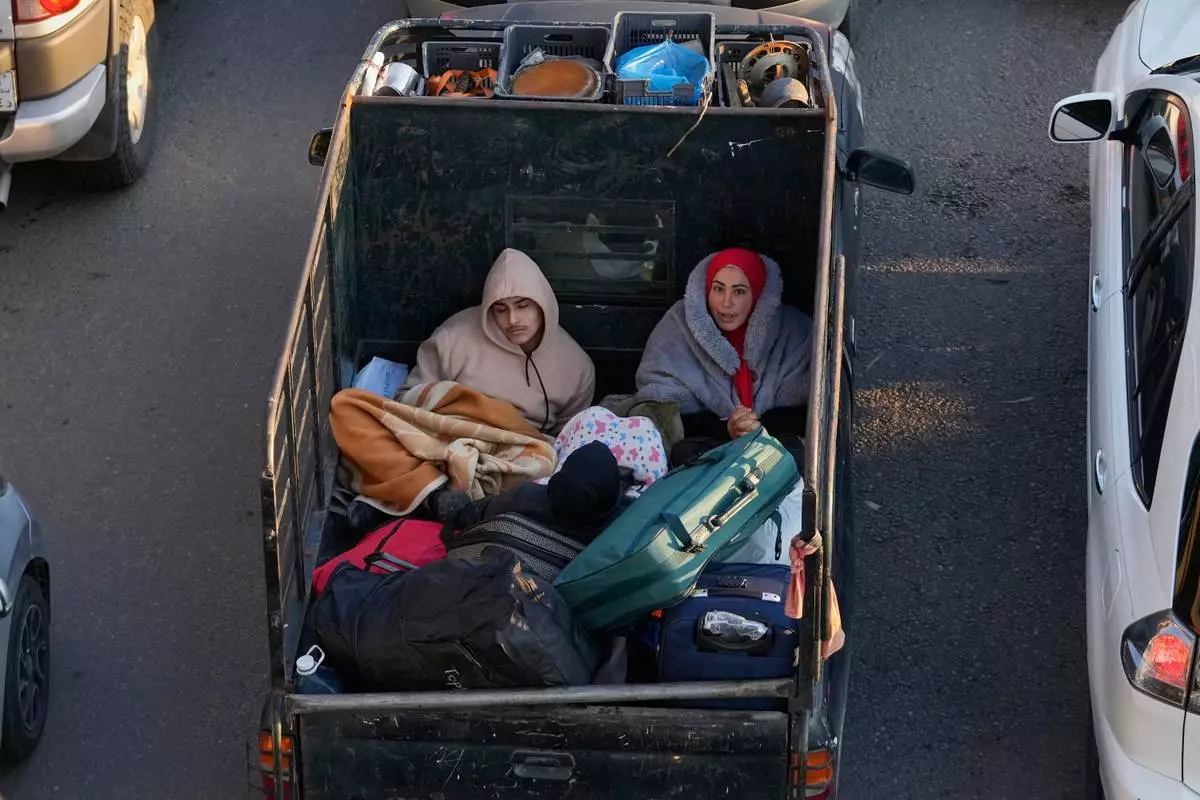
Displaced people fleeing Israeli strikes in southern Lebanon sit on a pickup at a highway links to Beirut, in the southern port city of Sidon, Monday, March 2, 2026. (AP Photo/Mohammed Zaatari)
Displaced people fleeing Israeli strikes in southern Lebanon sit on a pickup at a highway links to Beirut, in the southern port city of Sidon, Monday, March 2, 2026. (AP Photo/Mohammed Zaatari)

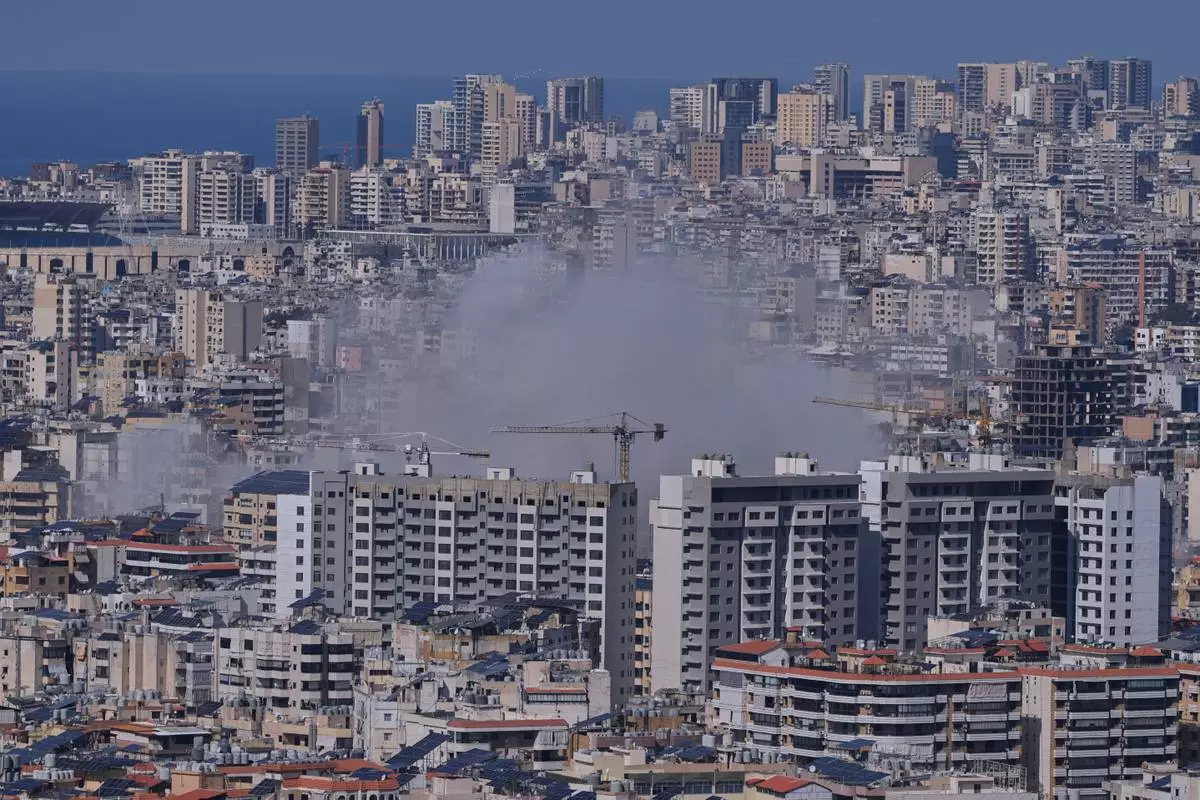
Smoke rises from Israeli airstrikes on Dahiyeh, a southern suburb of Beirut, Lebanon, Monday, March 2, 2026. (AP Photo/Hassan Ammar)
Smoke rises from Israeli airstrikes on Dahiyeh, a southern suburb of Beirut, Lebanon, Monday, March 2, 2026. (AP Photo/Hassan Ammar)

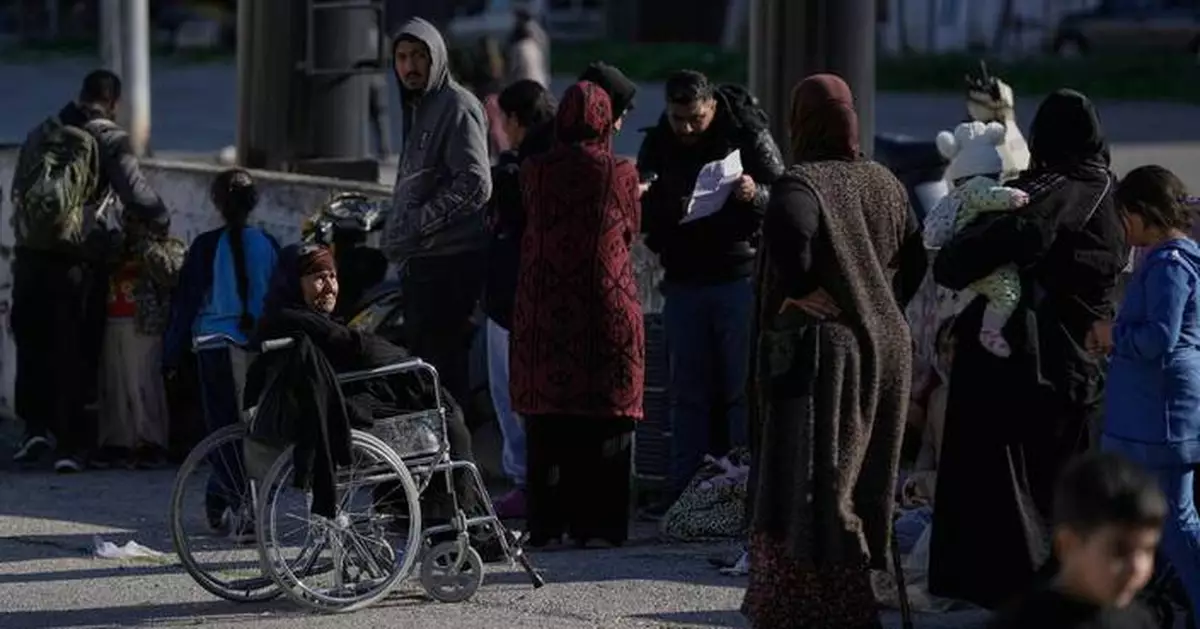
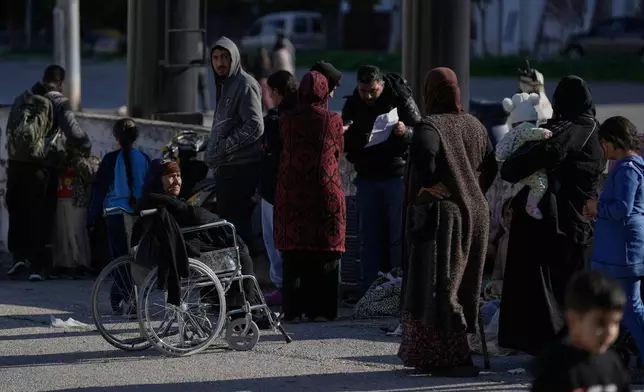
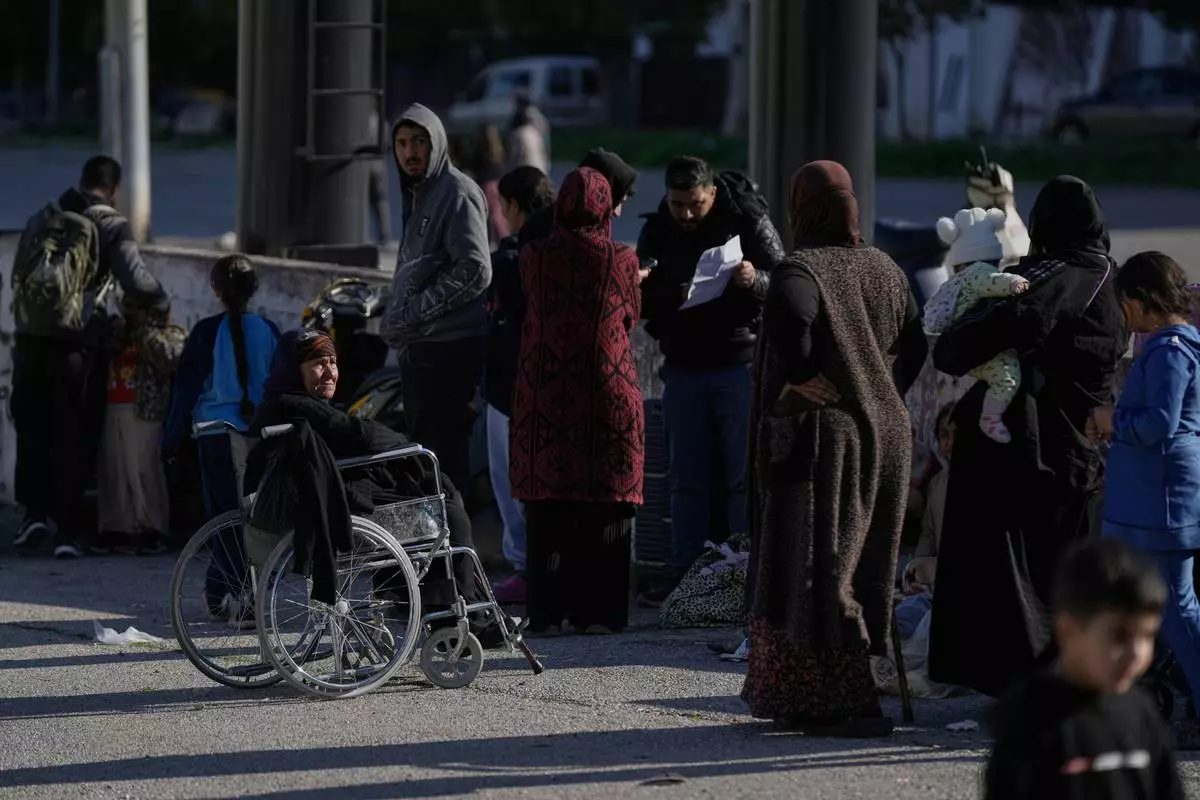
Displaced families gather in Martyrs' Square after fleeing Israeli airstrikes in Dahiyeh, a southern suburb of Beirut, Lebanon, Monday, March 2, 2026. (AP Photo/Bilal Hussein)

Displaced families gather in Martyrs' Square after fleeing Israeli airstrikes in Dahiyeh, a southern suburb of Beirut, Lebanon, Monday, March 2, 2026. (AP Photo/Bilal Hussein)

The Lebanese government later Monday slammed Hezbollah's decision to enter Iran's war with Israel and the United States, calling the militant group's actions illegal and demanding it hand over its weapons.

Highways were jammed overnight and into Monday with people fleeing after what was Israel's deadliest barrage on Lebanon in more than a year, striking hours after Hezbollah fired missiles across the border for the first time in more than a year.

Ali Hamdan was stuck in gridlock on the road between his village in southern Lebanon, Deir al-Zahrani, and the port city of Sidon. What should have been a half-hour’s drive had taken seven hours, he said.

“I don’t know how long it will take us to reach Beirut," he said. "I’m headed toward Beirut, but I don’t know where yet. We don’t have a place to stay.”

At a public school in Beirut, hastily converted into a temporary shelter, families arrived carrying mattresses, plastic bags, and bundles of clothing. Other families sat on sidewalks beside their belongings, some men smoking as they waited for space to open inside.

Volunteers moved through the crowd, registering names as families filled classrooms and gathered in the school courtyard.

Hussein Abu Ali, who fled a southern Beirut suburb with his wife and children, described the moment the strikes hit.

“My son began shaking and crying," he said. "Where are you supposed to go? I stepped outside, then back in because I was afraid of shooting in the air. I gathered my children and went down to the street.”

Nadia Al‑Salman, displaced from the southern town of Majdal Zoun, said they left their homes "not out of fear or terror of the United States, but to fulfill our religious and legal duty to protect ourselves.”

“They do not intimidate or frighten us, and they will not make us retreat even an inch from the path of resistance,” she added.

During the latest Israel-Hezbollah war in 2024, at one point, more than a million people were displaced in Lebanon. Many have been unable to return to their homes in the south, where villages along the border remain in ruins.

Hezbollah launched rockets into Israel a day after the militant Palestinian group Hamas attacked southern Israel on Oct. 7, 2023, triggering the war in Gaza. After months of low-level fighting, the conflict escalated into a full-scale war in September 2024 before a U.S. brokered ceasefire nominally halted the fighting two months later.

Since that ceasefire, Israel has continued to launch near-daily strikes in Lebanon, saying it aims to stop Hezbollah from rebuilding.

Monday’s escalation also marked the first time in more than a year that Hezbollah has claimed responsibility for firing into Israel. Hezbollah said in a statement that the strikes were carried out in retaliation for the killing of Iran’s Supreme Leader Ali Khamenei, and for “repeated Israeli aggressions,” describing it as “a legitimate defensive response."

But Lebanon’s government said it considers Hezbollah’s military activities illegal and that the group should hand over its weapons. Prime Minister Nawaf Salam said after an emergency Cabinet meeting Monday that only the state should decide on matters of war and peace.

He added that Hezbollah’s military activities were banned going forward and called on security agencies to prevent the firing of missiles or drones from Lebanon and detain those behind the launch. It was the harshest stance the Lebanese government has taken yet toward Hezbollah, which also has a political party with a parliamentary bloc in addition to its armed militants.

Salam also called on the international community to work on getting a “clear and final commitment” from Israel to stop its strikes on Lebanon.

The Israeli military overnight issued a warning for residents of around 50 communities across southern and eastern Lebanon to evacuate. Military spokesman Brig. Gen. Effie Defrin said Israel is keeping “all options on the table,” including a potential ground invasion of Lebanon and threatened that “Hezbollah will pay a very heavy price."

He said Israel has called up more than 100,000 reservists since the war with Iran began on Saturday.

Associated Press writers Abby Sewell in Beirut and Melanie Lidman in Tel Aviv, Israel, contributed to this report.
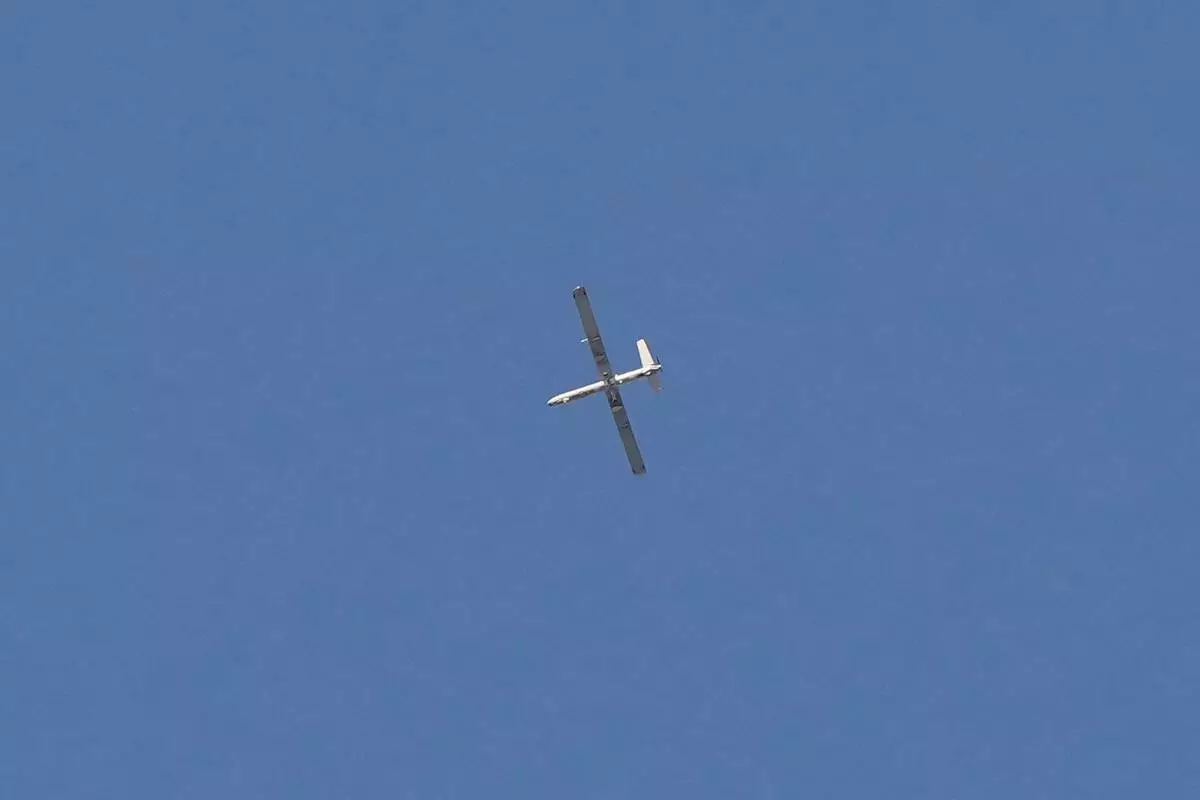
An Israeli drone flies over Dahiyeh, a southern suburb of Beirut, Lebanon, Monday, March 2, 2026. (AP Photo/Hassan Ammar)
An Israeli drone flies over Dahiyeh, a southern suburb of Beirut, Lebanon, Monday, March 2, 2026. (AP Photo/Hassan Ammar)

Cars sit in traffic as residents flee Israeli airstrikes in Dahiyeh, a southern suburb of Beirut, Lebanon, early Monday, March 2, 2026. (AP Photo/Bilal Hussein)
Cars sit in traffic as residents flee Israeli airstrikes in Dahiyeh, a southern suburb of Beirut, Lebanon, early Monday, March 2, 2026. (AP Photo/Bilal Hussein)

Displaced people fleeing Israeli strikes in southern Lebanon sit on a pickup at a highway links to Beirut, in the southern port city of Sidon, Monday, March 2, 2026. (AP Photo/Mohammed Zaatari)
Displaced people fleeing Israeli strikes in southern Lebanon sit on a pickup at a highway links to Beirut, in the southern port city of Sidon, Monday, March 2, 2026. (AP Photo/Mohammed Zaatari)

Smoke rises from Israeli airstrikes on Dahiyeh, a southern suburb of Beirut, Lebanon, Monday, March 2, 2026. (AP Photo/Hassan Ammar)
Smoke rises from Israeli airstrikes on Dahiyeh, a southern suburb of Beirut, Lebanon, Monday, March 2, 2026. (AP Photo/Hassan Ammar)

Displaced families gather in Martyrs' Square after fleeing Israeli airstrikes in Dahiyeh, a southern suburb of Beirut, Lebanon, Monday, March 2, 2026. (AP Photo/Bilal Hussein)
Displaced families gather in Martyrs' Square after fleeing Israeli airstrikes in Dahiyeh, a southern suburb of Beirut, Lebanon, Monday, March 2, 2026. (AP Photo/Bilal Hussein)
AKROTIRI, Cyprus (AP) — Britain is not at war, the government said Monday, despite saying it would allow the U.S. to use British bases during its war with Iran and after a Royal Air Force base in Cyprus was struck by an Iranian-made drone.

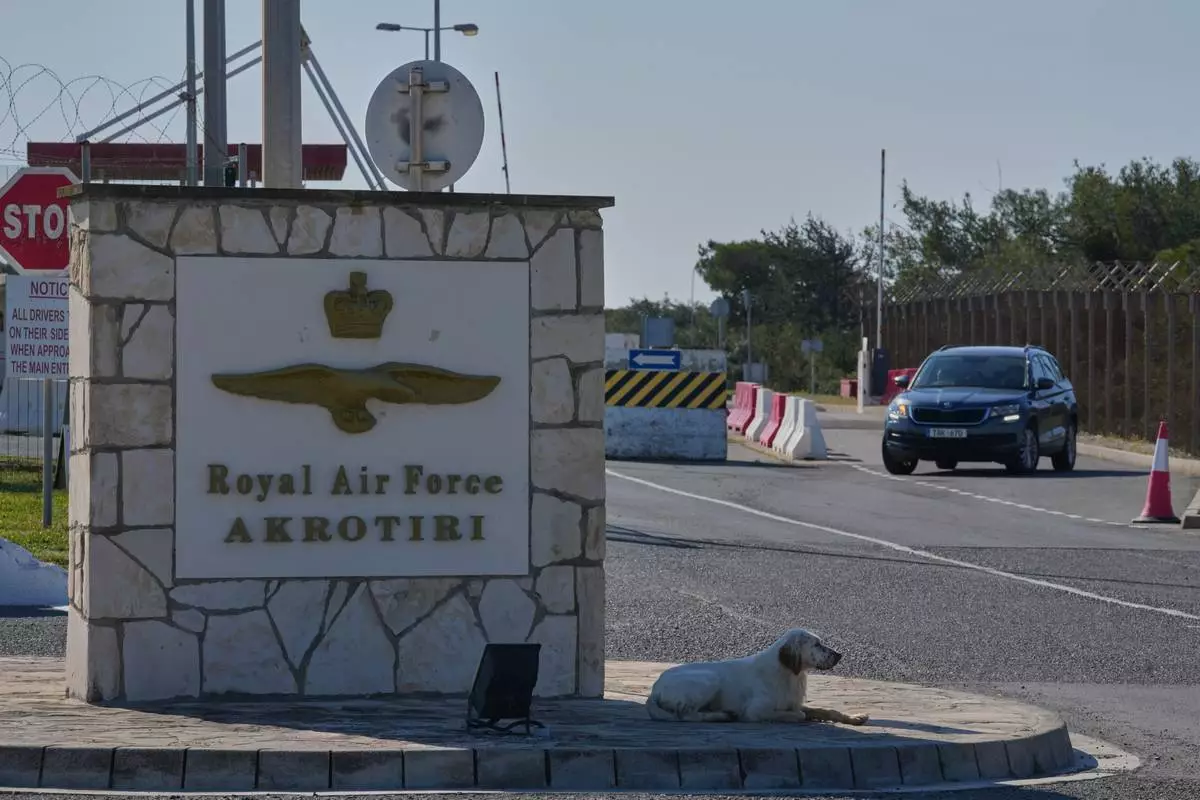
Sirens sounded again at RAF Akrotiri on Monday and British Typhoon and F-35 warplanes were scrambled. Cyprus government spokesman Constantinos Letymbiotis posted on X that two drones heading toward the British base had been intercepted.

More than two decades after Britain followed the United States into a devastating war in Iraq, it is trying to avoid being drawn into a new Middle East conflict with unpredictable consequences.

U.K. officials say an attack drone hit the runway at RAF Akrotiri, a British air force base in Cyprus, late Sunday. There were no injuries and “minimal” damage, but the strike brought the conflict onto European soil.

Cyprus President Nikos Christodoulides identified it as a “Shahed-type” Iranian drone. It was not immediately clear whether it was launched from Iran or by a Tehran-backed militant group such as Hezbollah in Lebanon.

Akrotiri is the U.K.’s main air base for operations in the Middle East and in recent years has been used by British warplanes on missions against the Islamic State group in Syria and Iraq and to strike Houthi targets in Yemen.

As tensions between the U.S. and Iran mounted, Britain last month deployed extra F-35 fighter jets to Akrotiri, along with radar, counter-drone systems and air defenses, as part of “defensive measures.”

Britain retained the base, and another on Cyprus, after the eastern Mediterranean island gained independence from British colonial rule in 1960.

It was last attacked in 1986, when pro-Libya militants struck the base with mortars, rocket-propelled grenades and small arms, injuring three dependents of British personnel. The latest attack is believed to be the first attack on Cyprus from outside the country since Turkey’s invasion of the island in 1974.

Britain’s defense ministry said families of U.K. personnel who live on the base were being moved to nearby accommodation as a precaution.

Some residents of the nearby village of Akrotiri also opted to leave their homes and spend the night with relatives elsewhere.

Villager Mikaella Malta said she heard “strange noises” just before the drone explosion.

“We tried to figure out what was going on. We then picked up whatever we could from home. We were in a panic and we left,” she told the AP.

British officials have refused to say whether the U.K. supports the U.S.-Israeli war on Iran. They have said that Iran should not be able to have a nuclear weapon and called for an end to Iranian strikes and a diplomatic solution.

Britain did not take part in the strikes on Iran that began Saturday, and did not allow the U.S. to use U.K. bases in England or on the island of Diego Garcia in the Indian Ocean.

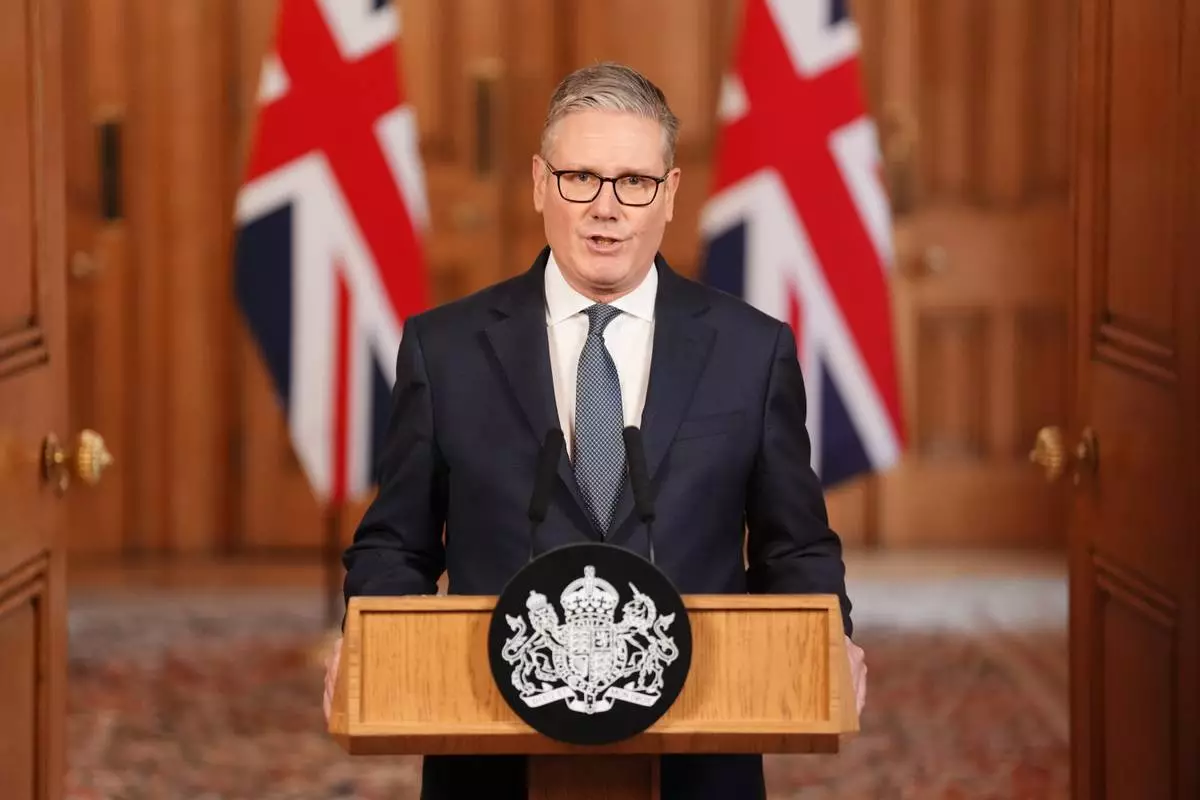
But on Sunday, Prime Minister Keir Starmer announced that he had agreed to let the U.S. use the bases for attacks on Iran’s missiles and their launch sites. He said the change came in response to Iranian attacks on U.K. interests and Britain’s allies in the Gulf, and is legal under international law.

Britain says its bases can’t be used for attacks on political and economic targets in Iran.

U.S. President Donald Trump told the Daily Telegraph on Monday he was “very disappointed in Keir," saying the prime minister "took far too long” to change his mind about the use of British bases.

Starmer said Britain would not be joining the U.S.-Israeli strikes, and U.K. Middle East Minister Hamish Falconer stressed that “the U.K. is not at war.”

The memory of Iraq remains raw for many in Britain. The decision by then-Prime Minister Tony Blair to join the U.S.-led invasion in 2003 remains one of the most contentious in modern British history.

The subsequent yearslong conflict killed 179 British troops, some 4,500 American personnel and many thousands of Iraqis.

Critics say that attempts by the government to set firm limits on Britain’s involvement in Iran could be swept away by a fast-moving conflict.

“We are being drawn in, just as we were in Iraq, following the U.S. into an incredibly dangerous situation,” said John McDonnell, a lawmaker from the governing Labour Party.

Patrick Bury, senior associate professor in security at the University of Bath, said Britain is in an “incredibly difficult” position.

“We’ve had very little explanation for this war, really, from the U.S.,” he said. “The U.K. policy is always heavily on upholding international law. So they’re kind of looking at this going, ‘How does this fit with our own foreign policy?’ And I think that explains why they’ve held off as much as they could.

"And nevertheless, they get a direct request. What are you going to do, say no?”

Lawless reported from London.

Britain's Prime Minister Keir Starmer issues a statement at 10 Downing Street, London, on the latest developments in the Middle East, Saturday Feb. 28, 2026. (Jonathan Brady/Pool via AP)

Britain's Prime Minister Keir Starmer issues a statement at 10 Downing Street, London, on the latest developments in the Middle East, Saturday Feb. 28, 2026. (Jonathan Brady/Pool via AP)

A dog sits at the main gate of the U.K.’s RAF Akrotiri air base after it was hit by a drone strike early morning near Limassol, Cyprus, Monday, March, 2, 2026. (AP Photo/Petros Karadjias)

A dog sits at the main gate of the U.K.’s RAF Akrotiri air base after it was hit by a drone strike early morning near Limassol, Cyprus, Monday, March, 2, 2026. (AP Photo/Petros Karadjias)

Recommended Articles