Sirens were sounded in over 200 locations across Israel on Monday as regional tensions escalated following joint U.S.-Israeli attack on Iran, according to China Media Group (CMG) reporter in Jerusalem.
Footage shot by CMG reporter shows scene of missile interception trails in the sky over Jerusalem as sirens sound continuously.
Air raid sirens were also heard near the Dead Sea.
According to reports, Israel's southern city of Beersheba was attacked by a ballistic missile on Monday afternoon, causing injuries. Medical personnel and security forces are responding to the incident.
The United States and Israel launched large-scale attacks on Iran on Saturday, killing Supreme Leader Ali Khamenei along with several other senior officials.
The joint attacks prompted retaliatory strikes by Iran against Israeli and U.S. targets across the Middle East.
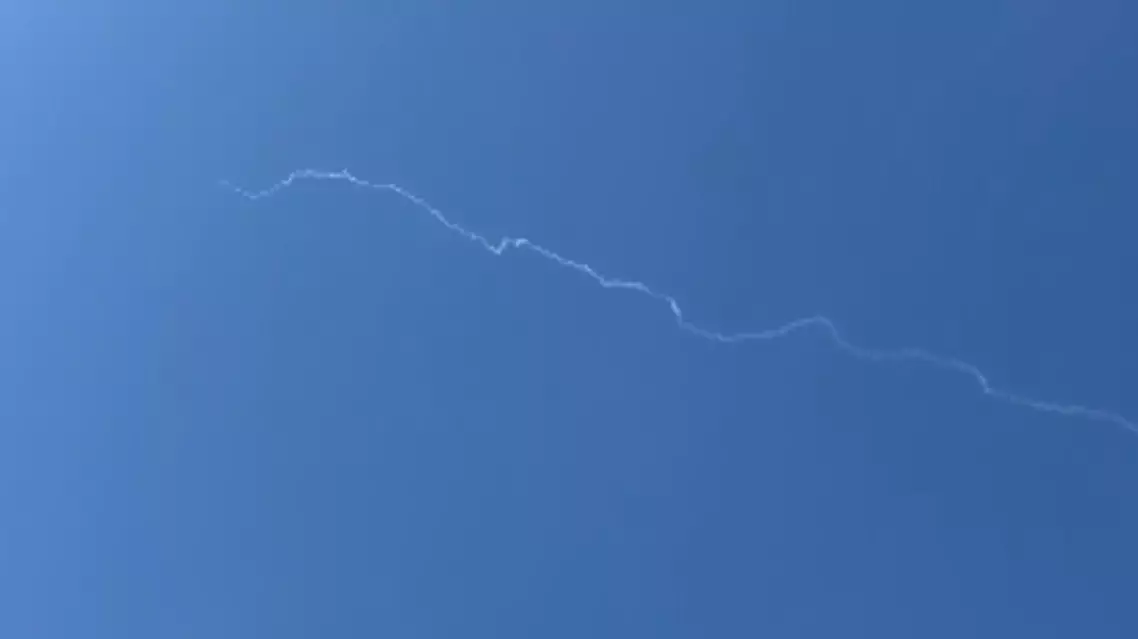
Sirens sounded in over 200 locations across Israel
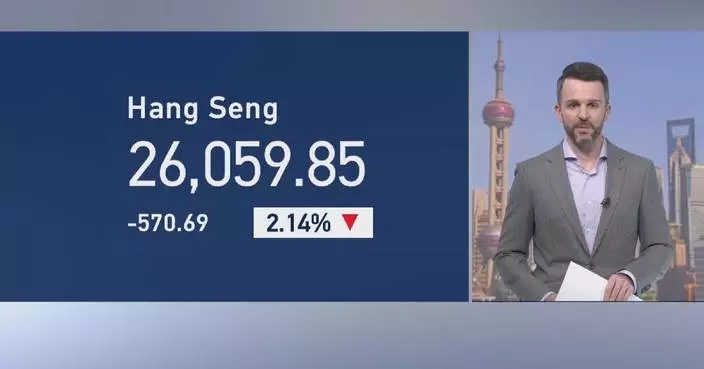
Chinese stocks closed mixed on Monday, with the benchmark Shanghai Composite Index up 0.47 percent to reach 4,182.59 points due to gains from energy stocks as Israel and the U.S. continue strikes on Iran, according to Timothy Pope, a market analyst for China Global Television Network (CGTN).
Oil prices have surged as the conflict has started to widen, which helped to push up shares in Chinese oil refiners, said Pope.
"Naturally today the markets are consumed with ongoing fallout from Ayatollah Khamenei's death and the continuing strikes against Iran by Israel and the US, and retaliatory strikes by Iran and various targets around the region. This has shaken the markets, just as it's shaken the world. The Shanghai Composite Index was one of the few regional indices rising today -- adding half of one percent thanks to gains from energy stocks. Oil prices have surged as the conflict has started to widen, and that's helped to push up shares in Chinese oil refiners," Pope said
"But the picture is a little more nuanced for China, which processes some oil extracted in Iran. The quantities have fallen sharply in recent years, and most of that oil is bought at a steep discount and goes to small independent refiners -- not the ones listed on the stock market -- so it's not going to be the big state giants which take the hit. But at the same time, the government is promoting consolidation among these independent refiners -- the so-called teapot refineries. So if they do have to scale back and merge and so forth as a result of supply issues here, I don't think you're going to see many tears shed at an official level," said the analyst.
"There are a lot of layers to this one for China's energy market and the global energy market, but for the moment, I'll get back to today's stocks. Gold stocks were also back up. We saw an index tracking them was up almost 7 percent today - this, arguably, predictable as investors chased safe haven assets. Airlines were down as well, the Middle East being a major international travel hub. We are already seeing flight disruptions and airport disruptions there. And of course, airliners are very heavily fuel dependent. Oil price goes up, so does the price of jet fuel," he said.
The Shenzhen Component Index closed 0.2 percent lower at 14,465.79 points on Monday, while the ChiNext Index, tracking China's Nasdaq-style board of growth enterprises, lost 0.49 percent on Monday to close at 3,294.16 points.
Shanghai Composite Index up 0.47 percent amid Middle East Turmoil: analyst