China is advancing the modernization of the industrial system with digital and intelligent technologies to promote high-quality economic development, a member of the 14th National Committee of the Chinese People's Political Consultative Conference (CPPCC) said in a group interview in Beijing on Wednesday.
During the 14th Five-Year Plan period (2021–2025), China has established the world's largest 5G network and gigabit optical fiber infrastructure, with more than 60 percent of global 5G base stations, said Yang Jie, the CPPCC member and former chairman of China Mobile, one of China's three major telecom operators.
The country's integrated computing power network has been accelerating during the period, forming a new type of information infrastructure that combines network, computing and data, he said.
Noting that major breakthroughs have been made in research and development of core technologies, Yang said China's industrial and supply chains have became more self-supporting and related risks were better controlled, highlighting the significant progress the country has made in the integration of digital and real economies during the period.
Digital intelligence technologies have empowered a wide range of industries and benefited households across the country, he said.
Looking ahead, China aims to elevate its modern industrial system to a higher level in the 15th Five-Year Plan period (2026-2030), said Yang, outlining five key areas and detailed the various measures taken within those.
"First, we will build an intelligent and integrated information infrastructure, and promote its evolution and upgrading towards the integration of land, sea, air and space, thereby establishing a solid and secure digital foundation for the modernization of industrial system. Second, we will strengthen strategic emerging industries and future industries, continuously fostering new sectors, new business forms and models. Third, we will deepen the empowerment of traditional industries by digital intelligence technologies and promote the continuous evolution and upgrading of industries towards high-end, green, and intelligent development," said Yang.
"Fourth, we will push for solid progress in the 'AI+' initiative, vigorously develop silicon-based workforce and productivity such as intelligent agents and embodied intelligence, creating new employment opportunities and talent dividends across various sectors. Fifth, we will promote the in-depth integration of scientific and technological innovation and industrial innovation, facilitate the transition of scientific achievements from research to market, and in the meantime attract top global talents and capital to drive high-quality economic development," he said.
A number of CPPCC National Committee members attended the group interview ahead of the opening meeting of the fourth session of the 14th CPPCC National Committee at the Great Hall of the People in Beijing, capital of China.
The "two sessions" is a major event in China's political calendar. It refers to the annual meetings of the NPC, the country's highest organ of state power, and the CPPCC, the top political advisory body.
The meetings have gathered thousands of national lawmakers and political advisors from across the country to the Chinese capital.
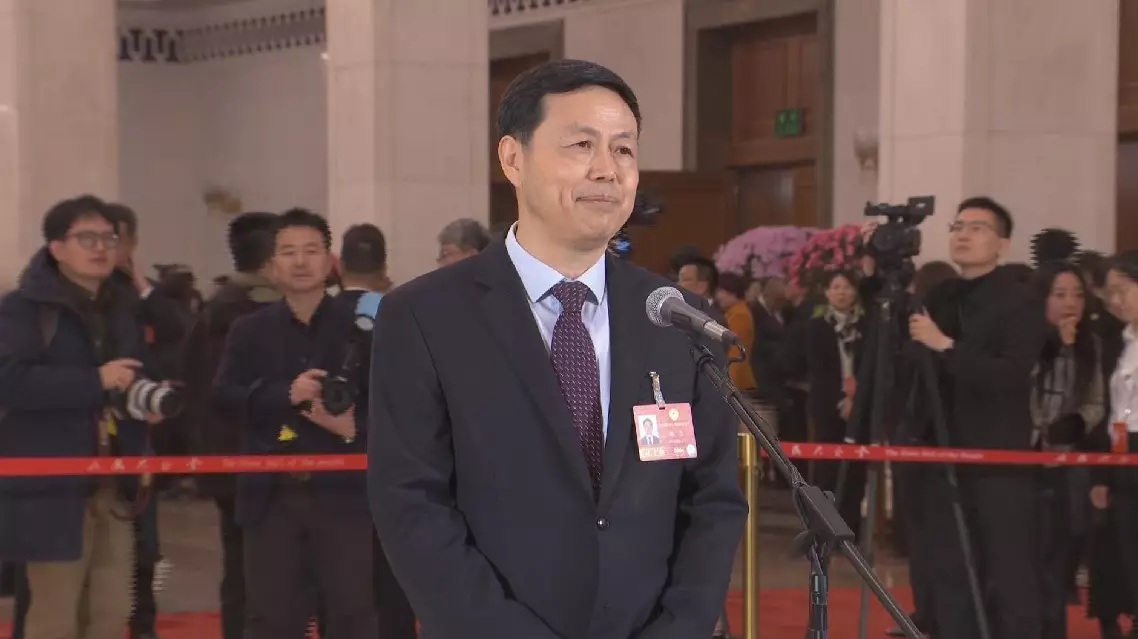
China advances industrial system modernization with digital intelligence technologies: CPPCC member