International diplomats and organization leaders believe China can navigate the rapid technological shifts taking place in our world to drive global development, and say the country can play a pivotal role in reinforcing respect for international humanitarian law against a challenging geopolitical backdrop.
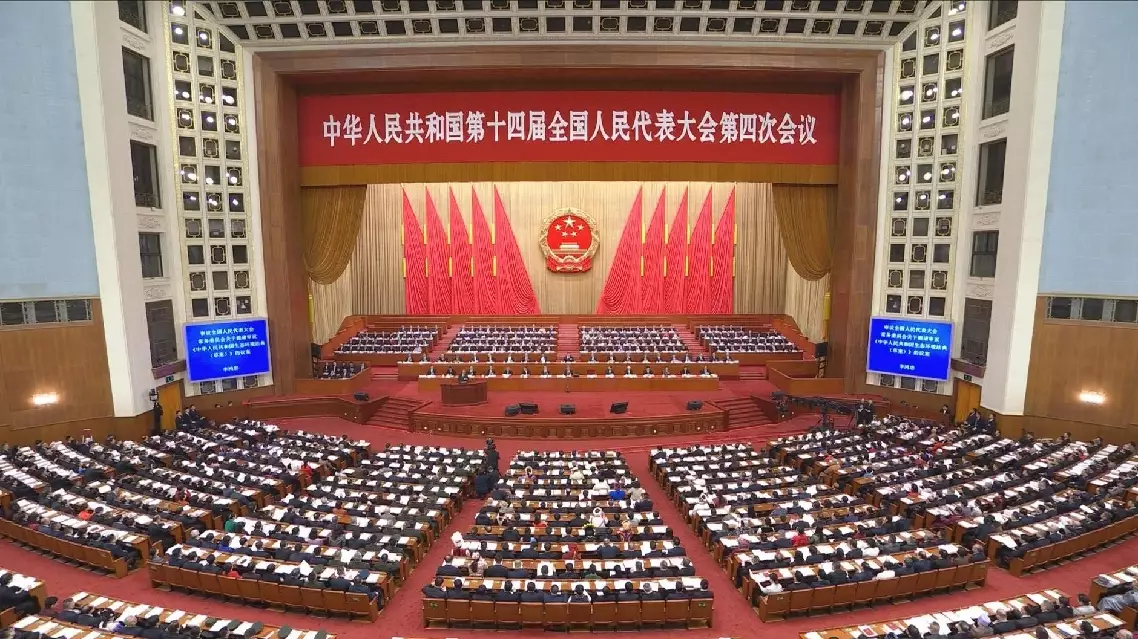
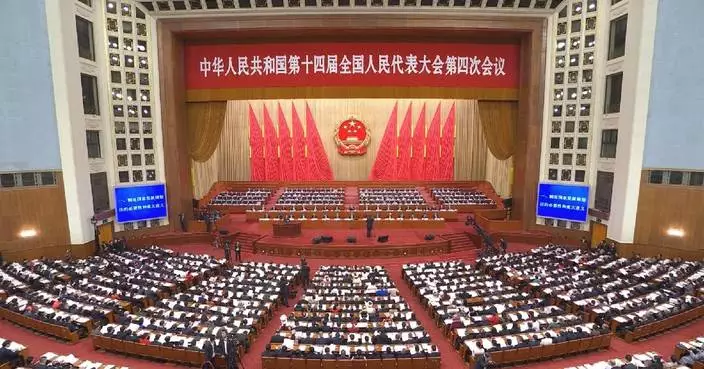
Global observers are closely following proceedings at China's ongoing "two sessions" political meetings in Beijing, a major event in the country's political calendar which offers an important window for the rest of the world to understand China's policy direction.
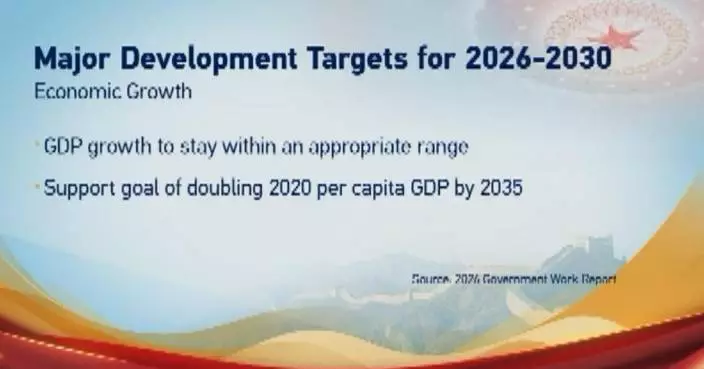
The "two sessions" have gathered thousands of national lawmakers and political advisors from across China to discuss state affairs. One of the key focuses saw Chinese lawmakers reviewing the 15th Five-Year Plan (2026-2030) -- a key blueprint which maps out the country's national economic and social development priorities for the years ahead.
The draft 15th Five-Year Plan is central to steering China's ongoing move toward modernization amid technological disruptions, demographic shifts and an increasingly fractured global order.
With this development plan in mind, foreign diplomats in Beijing spoke about the areas they see as being of crucial importance in the years ahead.
Massimo Ambrosetti, Italian Ambassador to China, said he hopes China will enhance strategic partnerships with European countries.
"It's natural that we want to cooperate more. Of course, the challenge is that we need strategic foundations, and we need to relaunch our comprehensive strategic partnership between EU and China to reach objectives which are mutually beneficial, and I think that all these practical things are on the table. But what is important is to put all these pending issues -- and we have pending issues, for instance, in terms of market access -- we have to put them in the broader strategic framework of our partnership, which is a very important point of reference," he said.
Remigio Ceballos, the Venezuelan Ambassador to China, said technological development will bring new opportunities for cooperation across the Global South, while he also noted China is playing a positive role in upholding international law amid current challenges.
"The Global South is a good path for the development of different countries. We are watching all those changes and we can see as well how the technological development may help the countries to get stronger and to have (benefits) for the people of each country. As well as all the countries keeping the international law, there will be peace in the world. We can see that China a leader in the area. It's an example for the world," he said.
Balthasar Staehelin, the Regional Delegation Head for East Asia of the International Committee of the Red Cross, said abiding by international humanitarian law is simply a must for the world to regain a sense of peace and stability.
"We are particularly concerned about international humanitarian law, the law of armed conflict. And we see, unfortunately, insufficient respect for this law across the globe which creates enormous suffering and also reduces the perspective to regain peace and development and stability. I believe and I hope that China will become and remain an important supporter of full respect of international humanitarian lawt," he said.
Meanwhile, Fazeel Najeeb, Ambassador of the Maldives to China, cited the importance of China's "steady hands" approach in these turbulent times and its overall contribution to global stability which makes it a reliable partner for developing countries.
"We see China actually making plans in a way that China takes also into consideration what happens throughout the world. I think this is very important at a very uncertain world, I think China is showing very steady hands, and I think this is important for developing countries. This is very encouraging for developing countries and I think China should continue to do that," he said.
The "two sessions" refer to the annual meetings of China's supreme organ of state power, the National People's Congress (NPC), and its top political advisory body, the National Committee of the Chinese People's Political Consultative Conference (CPPCC). This year's meetings will conclude on March 12.
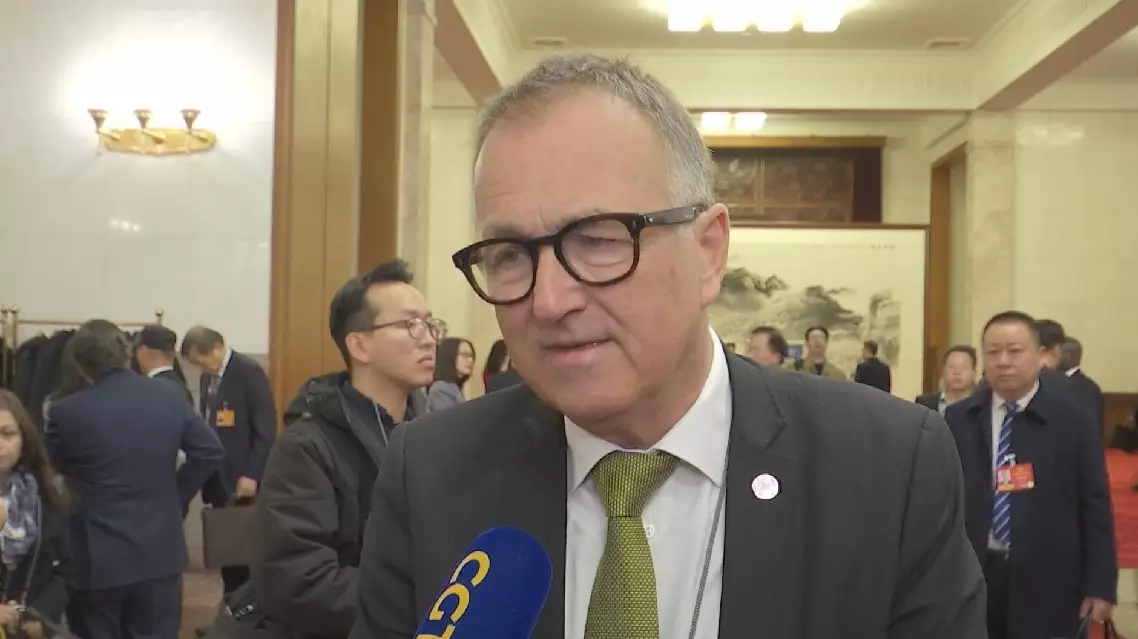
Diplomats, officials believe China's "steady" approach can benefit global development, uphold int'l law