The U.S.-Israeli military action against Iran has left Thailand among the Asian economies most vulnerable to a spike in global oil prices, after Iran's tightened control over the Strait of Hormuz, one of the world's most critical oil shipping routes.
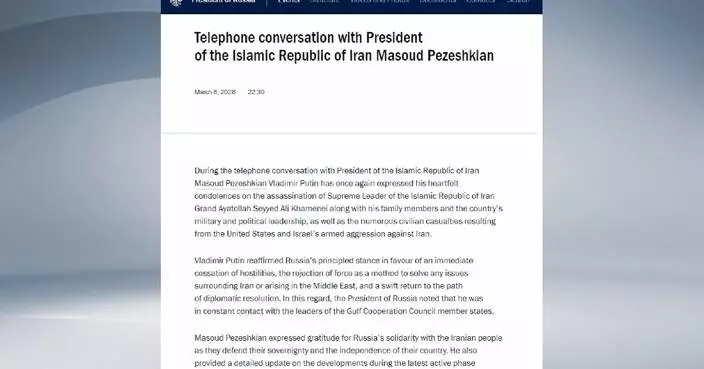
On Feb 28, Israel and the United States launched joint attacks on Tehran and several other Iranian cities. Iran responded through several waves of missile and drone attacks targeting Israel and U.S. bases in the Middle East and tightened its chokehold on the Strait of Hormuz, the narrow mouth of the Persian Gulf, through which a significant volume of oil and natural gas passes.
Thailand relies heavily on imported energy. Net energy imports account for around 6 percent of GDP, while net oil imports alone represent roughly 4.7 percent.
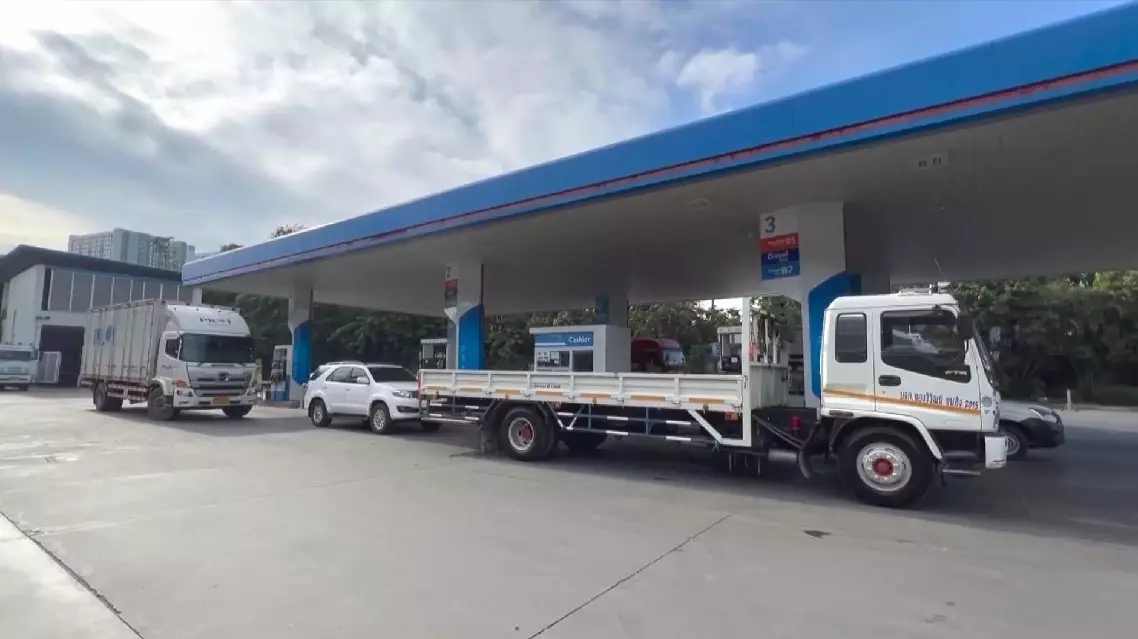
Therefore, any surge in global oil prices driven by the Middle East conflict could quickly translate into higher fuel costs and rising inflation, increasing transportation and overall living costs for people across the country.
Now, Thailand's Energy Ministry says national oil reserves remain stable and are sufficient for about 61 days. Officials are also exploring alternative supply sources and energy options to help mitigate potential disruptions.
Another concern is Thailand's strong dependence on exports, which make up roughly 60 percent of the country's GDP. If the conflict slows global economic growth or disrupts major shipping routes, Thailand could face weaker international demand for its goods.
The country's tourism sector may also be affected. Heightened geopolitical uncertainty or disruptions to international travel could discourage visitors, dealing a significant blow to an industry that contributes around 20 percent of Thailand's GDP. The timing is particularly sensitive, following a strong tourism rebound at the start of 2026.
Thailand faces economic risks as Middle East conflict escalates