Indonesia issued offshore bonds denominated in Chinese yuan, or dim sum bonds, totaling 9.25 billion yuan (about 1.34 billion U.S. dollars) in February, marking its second issuance of the yuan-denominated bonds.
The country issued the RMB bonds for the first time last October, with a total value of 6 billion yuan (about 870 million U.S. dollars).
The bonds were issued with maturities of three, five and 10 years.
Analysts point out that the competitive yield of RMB bonds will help Indonesia further optimize its financing structure and reduce capital costs against the backdrop of high global interest rates and rising financing costs in U.S. dollars.
"At the current situation, the global economies start to change and the financial sector is already evolving, also, and the RMB now is in the internationalization phase. So we see this is an opportunity for the Indonesian government to diversify and further lower the cost of funding," said Fakhrul Fulvian, chief economist and head of fixed income research with Trimegah Sekuritas, a company engaged in the brokerage and underwriting of securities.
"That demonstrates the depth, liquidity and attractiveness of Hong Kong's dim sum bond market, even for tenure as long as 10 years," said Handojo Wibawanto Soetikno, marketing director of Jakarta Branch of the Bank of China.
Dim sum bonds are RMB-denominated bonds issued outside the Chinese mainland, mainly in Hong Kong.
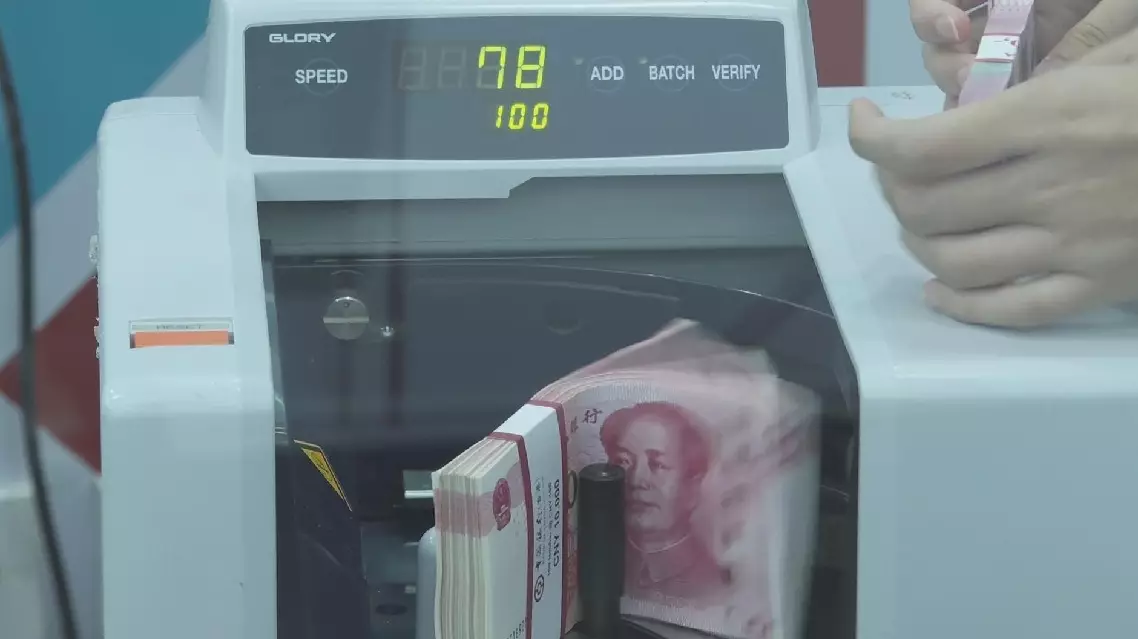
Indonesia issues RMB-denominated bonds of 9.25 billion yuan