Researchers from the University of Science and Technology of China have achieved a major breakthrough in optical clock technology, developing a strontium optical lattice clock with stability and uncertainty both surpassing the 10⁻¹⁹ level, meaning the clock would lose or gain less than one second over roughly 30 billion years.
The findings were published in the international metrology journal Metrologia on Thursday.
Optical clocks are considered the most precise timekeeping devices currently available. They measure time by using the frequency of light emitted when electrons transition between energy levels in atoms. They can directly support the redefinition of the second in the International System of Units.
"This breakthrough enables China to rank among the top in the world in the development of optical clocks. It also provides a feasible technical path for the development of transportable optical clocks and satellite-borne optical clocks, and lays a solid and reliable foundation for using optical clock technology in areas such as testing fundamental laws of physics, supporting next-generation satellite navigation systems, and establishing a globally unified ultra-high-precision time reference," said Dai Hanning, professor of the university.
Beyond time-keeping, optical clocks can provide highly accurate time references for modern technologies such as satellite navigation, telecommunications and precision measurements. They also offer new experimental platforms for testing fundamental physics, including general relativity, as well as for the detection of gravitational waves and dark matter.
Achieving both stability and uncertainty at the 10⁻¹⁹ level opens the door to a range of frontier applications. These include millimeter-level measurements of gravitational potential and altitude, which could help monitor crustal deformation, groundwater changes and volcanic activity, as well as improve geoid mapping for disaster prevention and resource exploration.
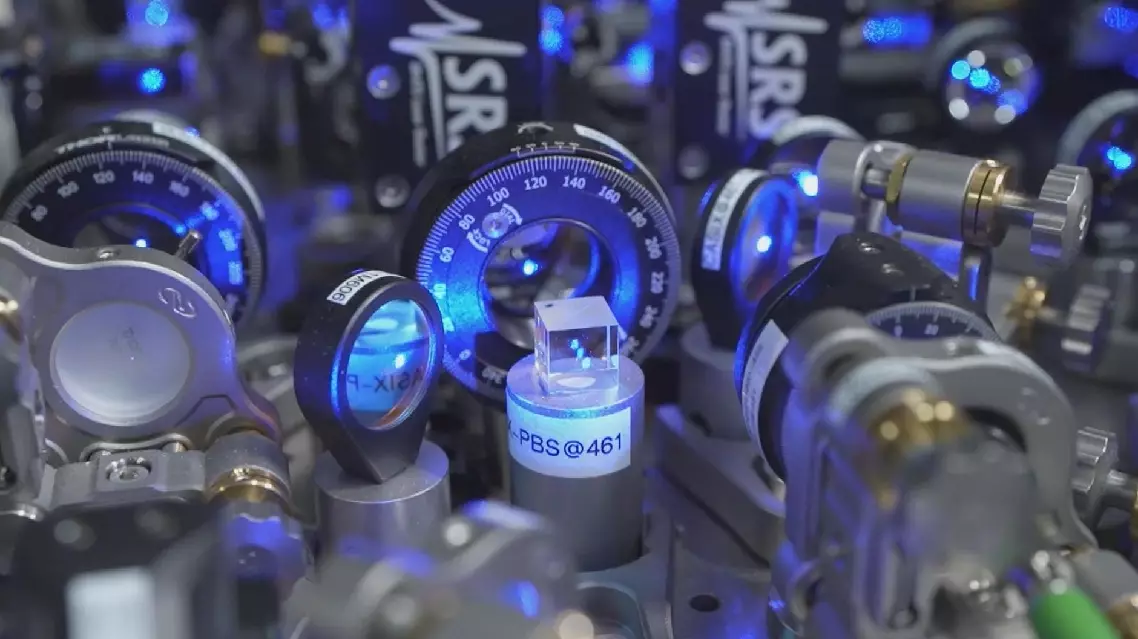
Chinese optical clock accurate to within 1 second over 30 bln years
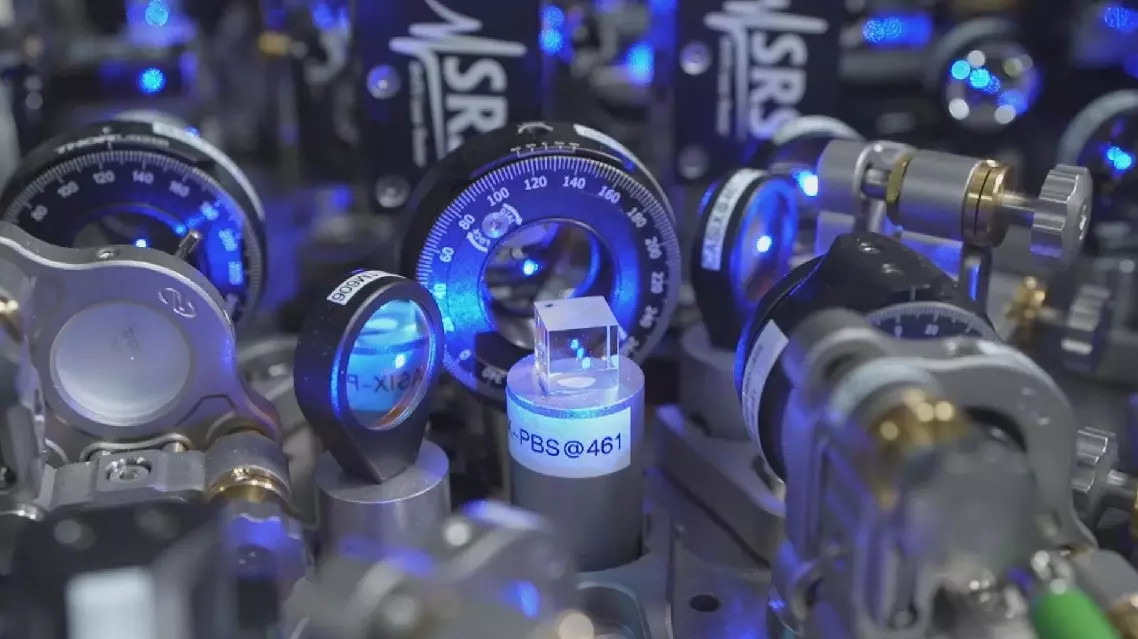
Chinese researchers develop world's most precise optical clock