Global media and research institutions are reflecting on the legacy of the Tokyo Trials, which convicted 25 Japanese Class-A war criminals, and warning against the resurgence of Japanese militarism, as Sunday marked the 80th anniversary of the trials' opening.
Russia's TASS news agency highlighted the Tokyo Trials' landmark significance, saying Japan's ongoing military expansion proves a persistent trend of militarism.
Russia's Rossiyaskaya Gazeta spotlighted Japan's biological warfare in northeast China's Harbin and the Nanjing Massacre.
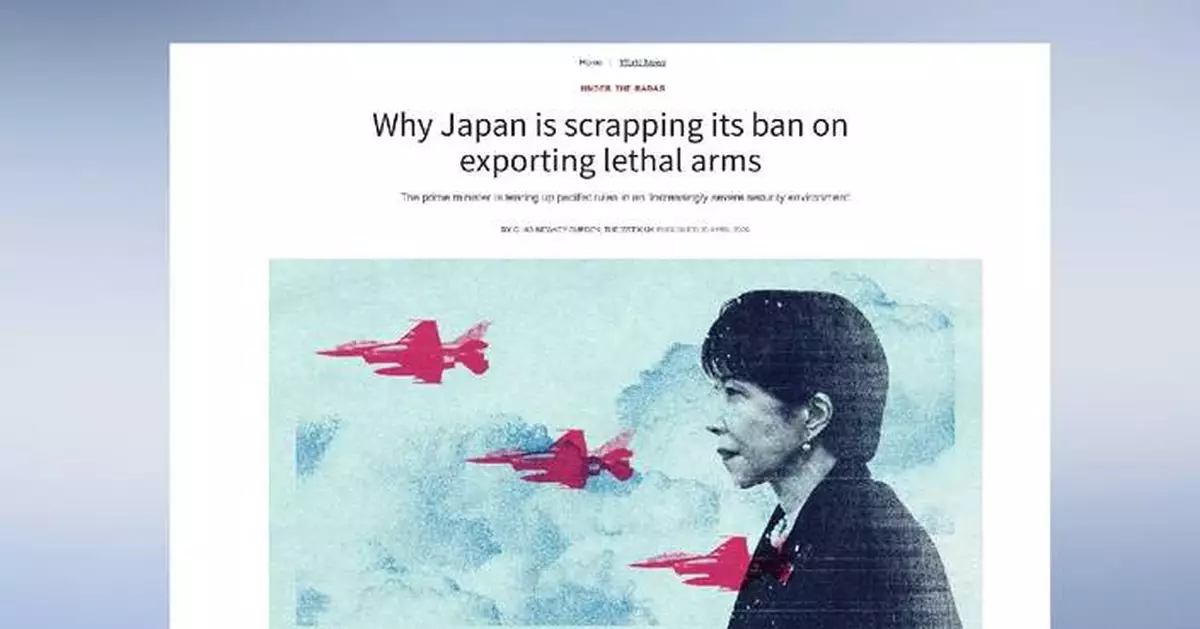
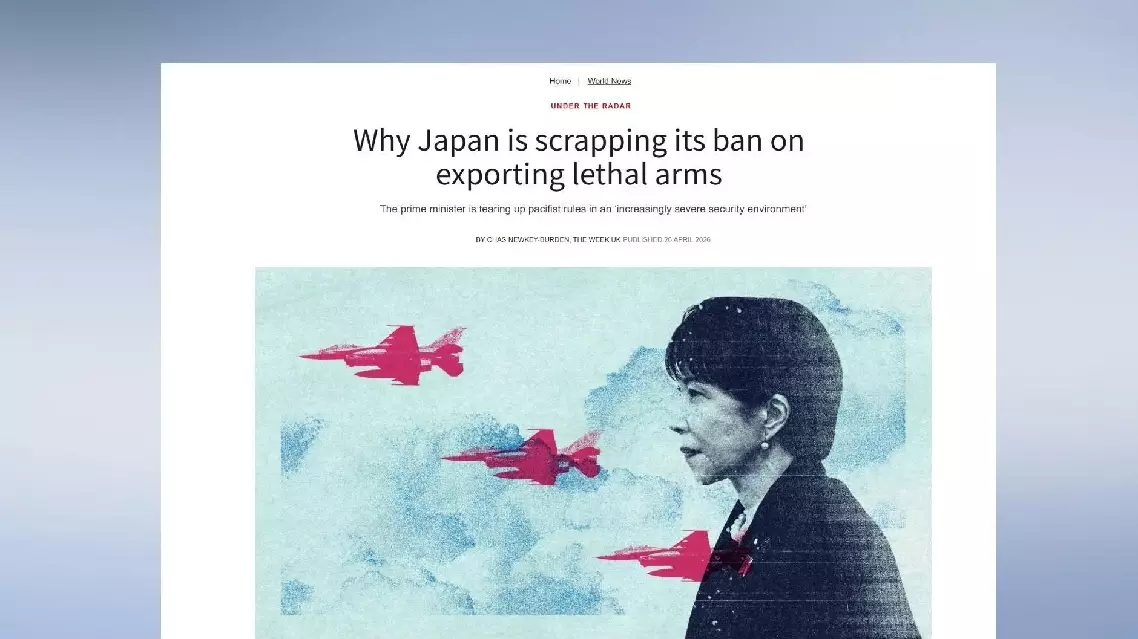
Britain's The Week reported that Japanese Prime Minister Sanae Takaichi is ending Japan's pacifist constitution by lifting lethal weapons exports bans.
The Philippines' Asian Century Journal cited global concerns over Japan's WWII atrocities and resurgent militarism.
The Republic of Korea (ROK) scholar Oh Seung-Hee has called for communication between the ROK, China, and Japan to ensure regional stability and peace.
Sunday marks the 80th anniversary of the opening of the International Military Tribunal for the Far East, or the Tokyo Trials.
From May 3, 1946, to Nov 12, 1948, the International Military Tribunal for the Far East was held in Tokyo by 11 countries, including the United States, China, the UK and the Soviet Union, to try Japan's Class-A war criminals after World War II.
Global media, research institutions reflect on Tokyo Trials' legacy, warn of Japan's rising militarism
A young entrepreneur from southwest China's Sichuan Province has shared his ambition of better integrating Chinese traditional culture into shaping new consumption trends for his premium coffee, as he seeks to come up with new and creative coffee to appeal to customers.
Inside the Chengdu Wuhou Shrine Museum, millions of visitors come for history, but many stay for something more immersive: a cup of coffee, a moment to pause.
Known as the "mecca of the Three Kingdoms," the Wuhou Shrine Museum was constructed nearly 1,800 years ago to commemorate Zhuge Liang, a renowned military strategist in the Three Kingdoms period (220-280 AD).
At Cheng Xiang Cafe inside the museum, every cup comes with a creative twist. The "Burning of the Red Cliffs" is a bold Sichuan-style chili-infused coffee that hits both heat and caffeine in one cup, while "Green Plum Wine" blends subtle sweetness with stories from the Three Kingdoms period.
Even the foam becomes a canvas. Baristas carefully etch Zhuge Liang's portrait, turning each drink into a miniature work of art.
The founder Li Feiyang stressed that each drink blends local Sichuan flavors with history, turning a simple coffee into an interactive cultural experience.
However, Li's story didn't begin with coffee. He left his stable job to operate a book store in 2019. He has also formed a youth business network supporting small and medium enterprises.
"Life is short. I want to do something meaningful - not just follow routines or repeat the same things every day," he said.
In 2023, Li launched coffee brands across cities and tourist sites. His model mixes Chinese traditional culture with new consumption trends that now inspires young entrepreneurs.
"We use coffee to introduce Chinese culture. From flavors to visuals, every detail helps people connect with the Three Kingdoms and Chengdu - and take that culture further," he said.
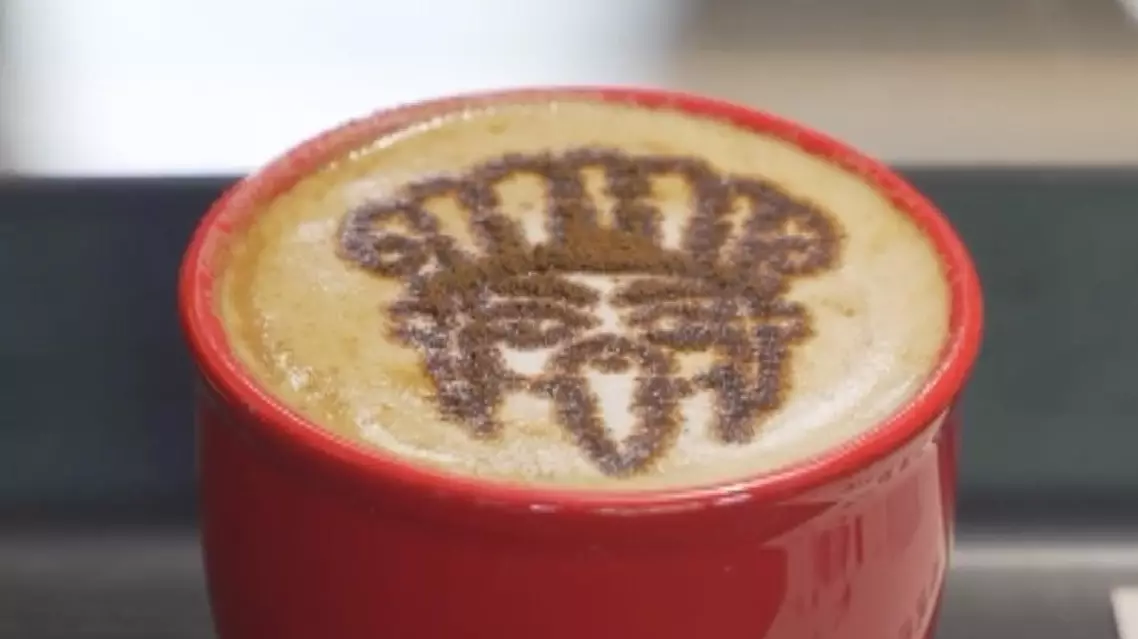
Young Sichuan entrepreneur blends coffee with Chinese tradition to shape new consumption trends