Japanese and South Korean stocks closed down on Monday amid surging global oil prices, with benchmark indexes dropping more than 5 percent.
The stocks tumbled sharply in early trade Monday, and later, the declines narrowed.
Japan's benchmark Nikkei stock index lost over 2,800 points on Monday, marking the third largest point drop in history.
The 225-issue Nikkei Stock Average ended down 2,892.12 points, or 5.20 percent, from Friday at 52,728.72.
The broader Topix index, meanwhile, finished 141.09 points lower, or 3.80 percent, at 3,575.84.
On the stock market, the Nikkei stock index briefly plunged over 7 percent in morning trading, as crude oil futures surged to the highest level since June 2022 amid growing concerns about a prolonged conflict in the Middle East, analysts said.
"Over in Tokyo the Nikkei 225 fell 5.2 percent and the Topix index -- that's a broader index over in Tokyo -- was down 3.8 percent. The Nikkei had actually been looking like it might touch 8 percent lower at one stage today, and like the other regional markets, it did manage to come back a little bit off those intraday lows. At one point as well, it looked like it might actually trigger the market circuit breaker which would've seen trade suspended. Tokyo too saw a tech sell-off with the big chip stocks down very heavily. Advantest was off by 11 percent and Tokyo Electron was down almost 7 percent," said China Global Television Network (CGTN) market analyst Timothy Pope.
"And it's not really ridiculous that this huge jump in the crude oil price, like the one we saw today, could continue to drive these markets lower, because it's going to have an impact right along the line, and if oil stays higher for longer, it will bite into corporate profits," said Pope.
South Korea's benchmark KOSPI on Monday dived 333.00 points, or 5.96 percent, to close at 5,251.87, and the smaller KOSDAQ plunged 52.39 points, or 4.54 percent, to finish at 1,102.28.
The KOSPI opened 5.72 percent lower and plummeted over 8 percent during the trading, triggering a circuit breaker in the KOSPI market in the morning session.
The level 1 circuit breaker is activated when the index drops more than 8 percent for at least 1 minute to suspend trading for 20 minutes.
After the 20-minute suspension, trading resumes following a 10-minute single-price auction period.
In the KOSDAQ market, a sell-sidecar was issued to halt program trading orders for five minutes.
The KOSDAQ sidecar is triggered when the KOSDAQ 150 futures rise or fall by over 6 percent and the KOSDAQ 150 index rises or falls by over 3 percent simultaneously for at least 1 minute.
Foreign and institutional investors dumped shares in a panic as global oil prices neared 120 U.S. dollars per barrel.
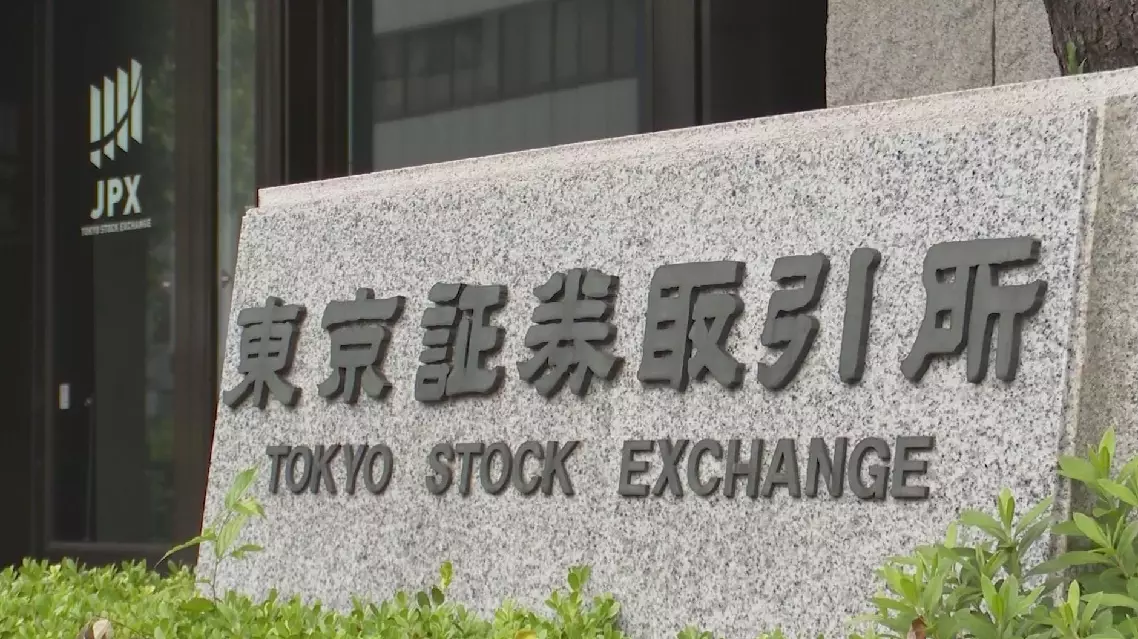
Japanese, South Korean stocks close down Monday amid surging oil prices
Japanese, South Korean stocks close down Monday amid surging oil prices