Emerging sectors including AI, green tech and robotics have played a major role in bolstering a surge in China's foreign trade in the Janurary-February period that outperformed expectations, showed statistics released by China's General Administration of Customs on Tuesday.
China's foreign trade of goods rose 18.3 percent year on year in the first two months of this year to 7.73 trillion yuan (1.12 trillion U.S. dollars), customs data showed on Tuesday.
Detailed figures reveal that the "new trio" - photovoltaics, lithium-ion batteries, and new energy vehicles - remain the main engines of export growth. Industrial robots, high-end machine tools, and specialized equipment all posted double-digit increases.
Artificial intelligence products contributed over 30 percent to export growth, with smartwatches and smart toys selling well in more than 170 countries and regions. Exports of green and low-carbon products, including wind turbines, electric motorcycles and bicycles, and electric locomotives, also saw significant gains.
On the import side, robust domestic demand played a key role. Imports of mechanical and electrical products grew by more than 24 percent, with electronic components and computer parts supporting industrial upgrades. Imports of bulk commodities such as metal ores and crude oil also saw double-digit growth, ensuring domestic production needs. Imports of consumer goods, such as cosmetics and dried and fresh fruits, continued to rise, maintaining China's position as the world's second-largest import market for 17 consecutive years.
By business type, private enterprises saw import and export growth of over 22 percent, with high-tech products accounting for nearly 60 percent of their exports. Foreign-invested enterprises' trade grew by more than 15 percent, with over 90 percent of multinational companies expressing plans to continue investing in China. State-owned enterprises' trade increased by more than 7 percent, playing a key role in securing energy and resource supplies. Business models such as cross-border e-commerce, market procurement, and bonded logistics also showed outstanding growth.
In terms of market layout, China's trade with the European Union, ASEAN, and Belt and Road partner countries all grew by around 20 percent in the first two months. Trade with Vietnam, Thailand, and Central and Eastern European countries accelerated, with Belt and Road countries contributing over half of the growth. China now trades with more than 240 countries and regions worldwide, with over 190 of them seeing increased trade with China.
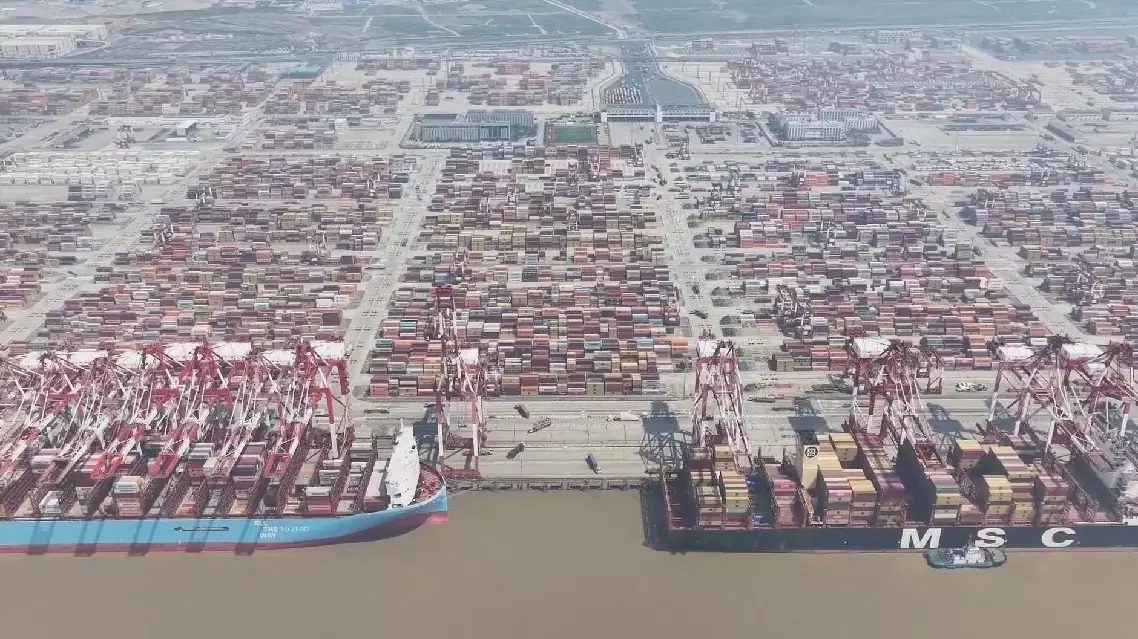
Emerging sectors bolster better-than-expected performance of China's foreign trade in Jan-Feb