The United States will not succeed in isolating Cuba despite its latest diplomatic and economic pressures, a Cuban expert said on Sunday, criticizing the "Shield of the Americas" summit convened in Florida the day before with 12 Latin American countries.
Pavel Aleman, a researcher with Cuba's International Policy Research Center, said in an interview with China Media Group (CMG) in Havana that the new round of U.S. blockade on Cuba's oil has hit the country's tourism sector hard, reducing foreign exchange earnings and affecting the economy.
"The United States is trying to worsen Cuba's economic crisis, in the attempt to trigger political turmoil and pave the way for the regime change. That has been the clear objective of the current U.S. administration," Aleman said.
Aleman pointed out that although the United States is seeking to pressure Cuba through diplomatic, economic and political means, the strategy is flawed and unlikely to succeed.
The U.S.-Israeli strikes on Iran have diverted the United States' resources and attention, and international opinion remains divided over its actions, said Aleman. "The Iran issue is increasingly worsening, and the conflict has spilled over to neighboring countries. I believe this will consume considerable U.S. resources and attention, and weaken its ability to pursue interventionist policies in the Americas, especially on the issue concerning Cuba," said Aleman.

US blockade on Cuba not to succeed: Cuban expert

US blockade on Cuba not to succeed: Cuban expert
Brazilian coffee suppliers are seeking to make inroads into the Chinese market, as Chinese consumers have shown a growing taste for good-quality coffee from around the world.
After last year’s successful harvest, the third largest on record, Brazil's coffee plantations are now being cultivated in preparation for the next crop due in the coming months.
Helio De Almeida Leite, a local coffee farmer, said Chinese consumers, historically tea drinkers, began drinking coffee in higher volumes a couple of decades ago, and more recently have developed a taste for higher-quality products.
"There has been a shift in consumption patterns, especially among younger people in China, which has made this market very promising. China has moved from being a small consumer of low-quality coffee to becoming one of the world's biggest potential markets for high-quality coffee," he said.
A new field, planted last December, features a specialty coffee variety called "Catucaí" — a yellow bean developed in a local research center, known for its high sugar content.
The agronomical engineer in charge said the farm adopts sustainable practices that are good for both the coffee and the land.
In the farm's laboratory and tasting room, expert tasters ensure the coffee delivered meets quality standards and help develop new blends.
Jorge Jose, quality control manager of Monte Alegre Coffees, a well-known coffee producer, has been in the business for about 35 years. As Chinese consumers developed a taste for coffee in recent years, he has learned to understand their preferences.
"They are very demanding, especially when it comes to quality. They like naturally processed coffee, which is fuller-bodied, with sweetness and flavors that are more chocolatey and caramelized. They demand that sweetness," said Jose.
To reach the Chinese market, Brazilian coffee has to travel halfway around the world. And as trade between the two countries has grown, efforts have been made to make that long journey more efficient and cost effective, marked by more shipping routes and fewer bureaucratic hurdles along the way.
Five Star Service, a major customs broker who handles about 10 percent of Brazil's coffee exports, said the time needed to obtain export licenses for shipments to China has already dropped from years to months, noting that more still needs to be done to take full advantage of the expanding trade.
"Expectations are high for Brazil, not only for coffee but for many other products. But I believe the bureaucratic process still needs to become faster, a step beyond what has already been done, so approvals can come more quickly, and we can create strong business opportunities in the future," said Ronaldo Taboada, a staff member of the customers broker.
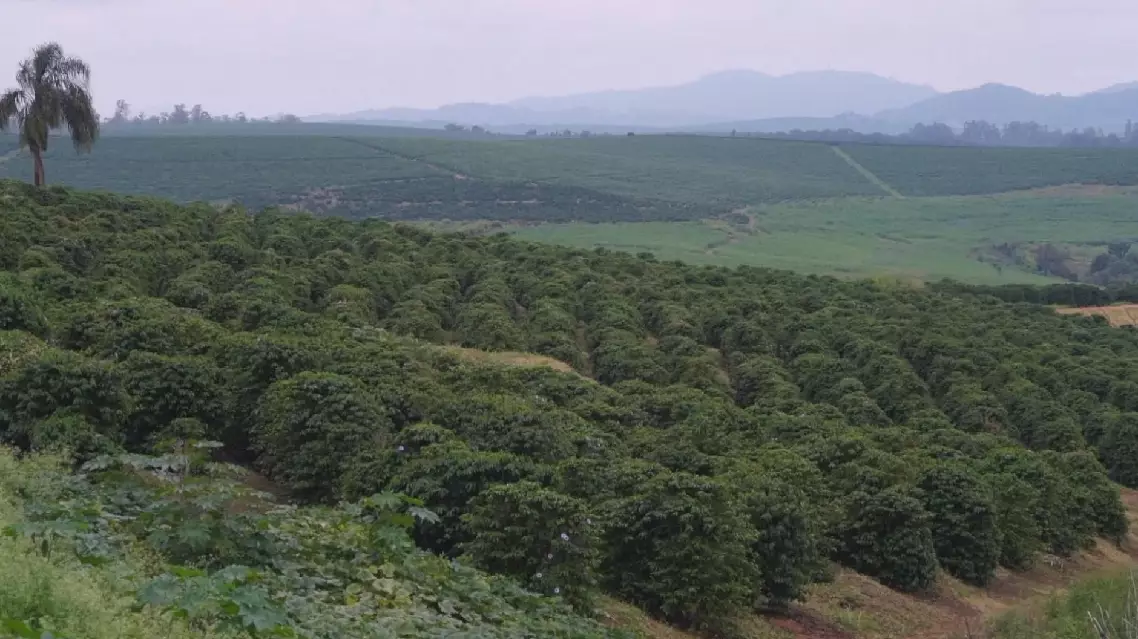
Brazilian coffee suppliers eye inroads into fast growing Chinese market