The U.S. may inflict massive pain on Iran through more military strikes but its goal of replacing the existing Iranian regime with a compliant one remains unattainable, while it risks the ire of more Iranian people should its bombing campaigns continue to bring more pain to civilian areas, a U.S. professor has warned.
John Mearsheimer, a political scientist and intentional relations expert who is a professor at the University of Chicago, made the stark warning as the crisis sparked by U.S.-Israeli strikes on Iran stretched into its 13th day on Thursday.
Joint military strikes launched by the U.S. and Israel on Iran on Feb 28 have triggered a sharp escalation across the Middle East as Iran has retaliated, setting off waves of missile exchanges which have resulted in mounting casualties and far-reaching political and security repercussions.
During the initial U.S.-Israeli strikes, Iran's Supreme Leader Ali Khamenei was killed, along with several of the country's senior officials.
Officials from the United States and Israel have hinted that their operation on Iran aims to force a change in the Iranian political system.
But despite Khamenei's death, the political system did not undergo a fundamental shake-up. Iran quickly elected Mojtaba Khamenei, the son of the late leader, who holds a more staunchly anti-U.S. and anti-Israel stance, to succeed his father.
Giving his analysis of the situation in an exclusive interview with the China Global Television Network (CGTN), Professor Mearsheimer said the U.S. faces two fundamental obstacles to achieving its goals.
"What you're going to see happen in the Middle East is that the United States will inflict massive pain on Iran, but it will not be able to win the war in the long term because it will not be able to overthrow the existing regime, number one. And number two: replace it with a regime that is subservient to the United States and to Israel. It's just very important to understand that you cannot get Iran to give up its ballistic missiles, to stop its nuclear enrichment program, and to stop supporting the Houthis, Hezbollah, and Hamas unless you have a regime in place in Tehran that is subservient to the United States and Israel," he said.
More than 1,300 civilians have been killed and over 9,600 civilian sites destroyed in Iran in U.S.-Israeli strikes since February 28, Amir Saeid Iravani, Iran's ambassador and permanent representative to the United Nations, said Tuesday.
Meanwhile, much of the Iranian capital Tehran has been shrouded in thick black smoke in recent days after oil depots in surrounding areas were targeted, raising concerns over the impact of pollution and the disruption to fuel supplies.
Mearsheimer said that these continued attacks may only result in Iranians rallying around the current regime and further fueling their hatred toward the United States and Israel.
"If you look at how this war has started and how it's likely to play out, it's hard to see how the United States is going to get a regime in Tehran that will do what the Americans want. And indeed, as the United States and the Israelis kill more and more Iranian civilians, that will cause the Iranian people to rally around the regime, to support the regime and to hate the Americans and to hate the Israelis, and not want to see a regime in place that accommodates American and Israeli interests," he said.
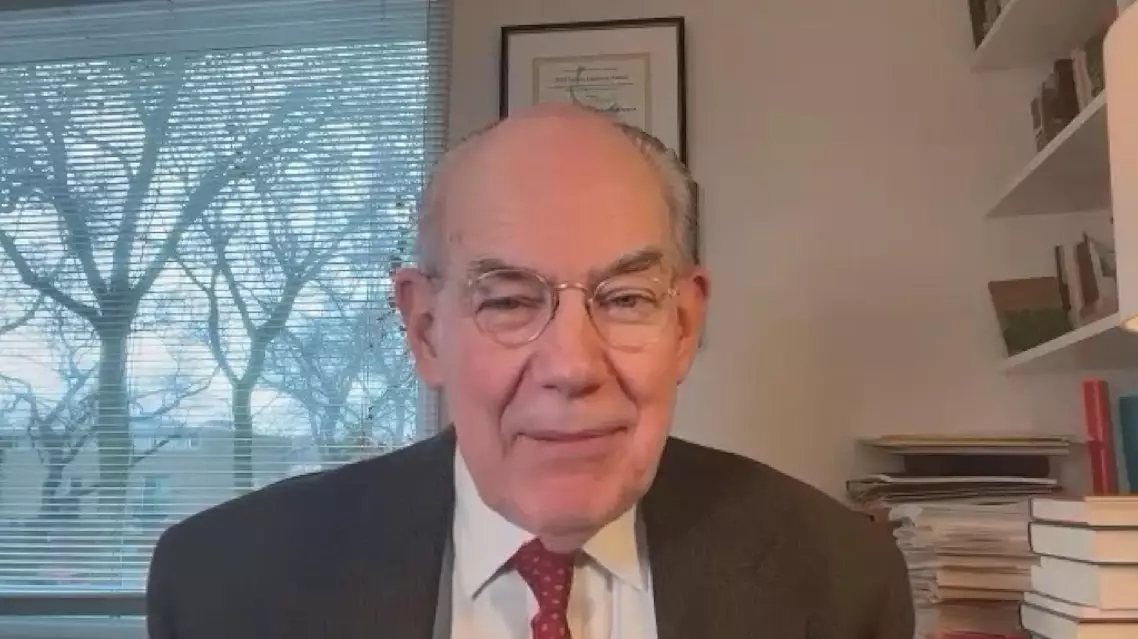
US unlikely to succeed in aim of overthrowing Iranian regime: US professor
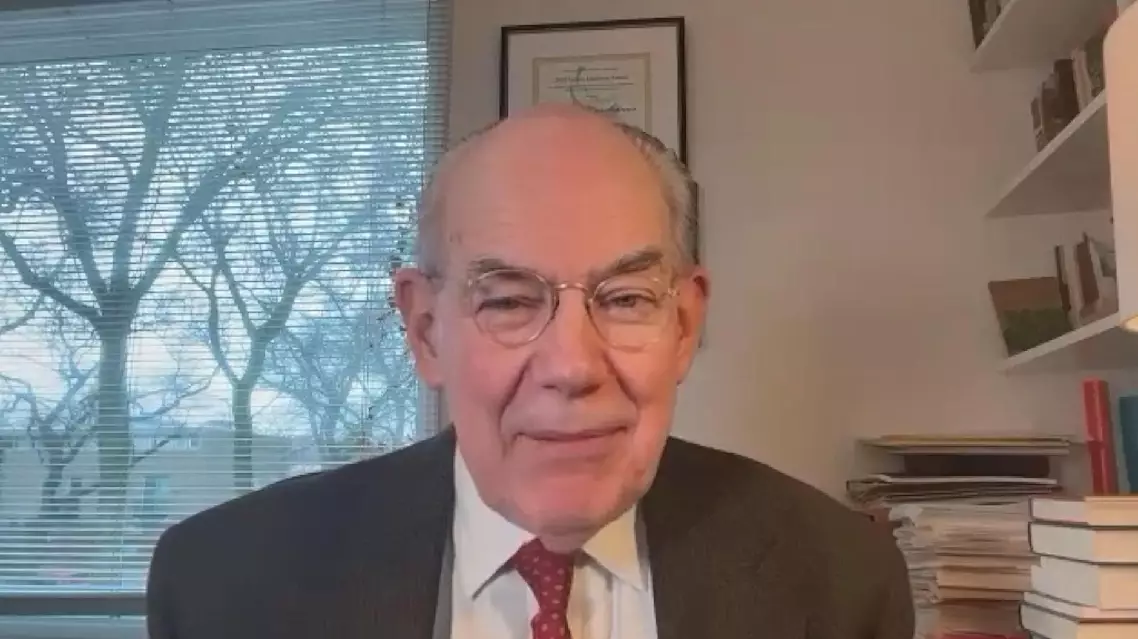
US unlikely to succeed in aim of overthrowing Iranian regime: US professor