China will roll out efforts to develop green and secure energy system during its 15th Five-Year Plan period (2026-2030) with emphasis on the energy structure adjustment.
Chinese lawmakers on Thursday approved the outline of the 15th Five-Year Plan for national economic and social development at the closing meeting of the fourth session of the 14th National People's Congress.
The outline proposes to further implement the new energy security strategy, accelerate the building of a clean, low-carbon, safe and efficient new energy system, with the aim of making the country strong in the energy sector. This is the first time that the aim has been included into a five-year plan.
"Since the beginning of the 14th Five-Year Plan (2021-2025), we've made tremendous progress. Now, we possess the foundation and conditions for transforming from a large-scale energy system to a stronger one. Our technological capabilities in energy and new energy sectors are competitive on the global stage. On the other hand, looking ahead to building China into a great modern socialist country, we also need the support of a strong energy sector. From this perspective, this is a goal we must achieve," said Su Ming, a researcher at the Energy Research Institute of the National Development and Reform Commission.
To achieve this vision, the plan outlines five major initiatives, including a 10-year target to double non-fossil fuel energy consumption, enhancing the clean and efficient use of fossil fuels, and accelerating the development of a resilient, modern energy system.
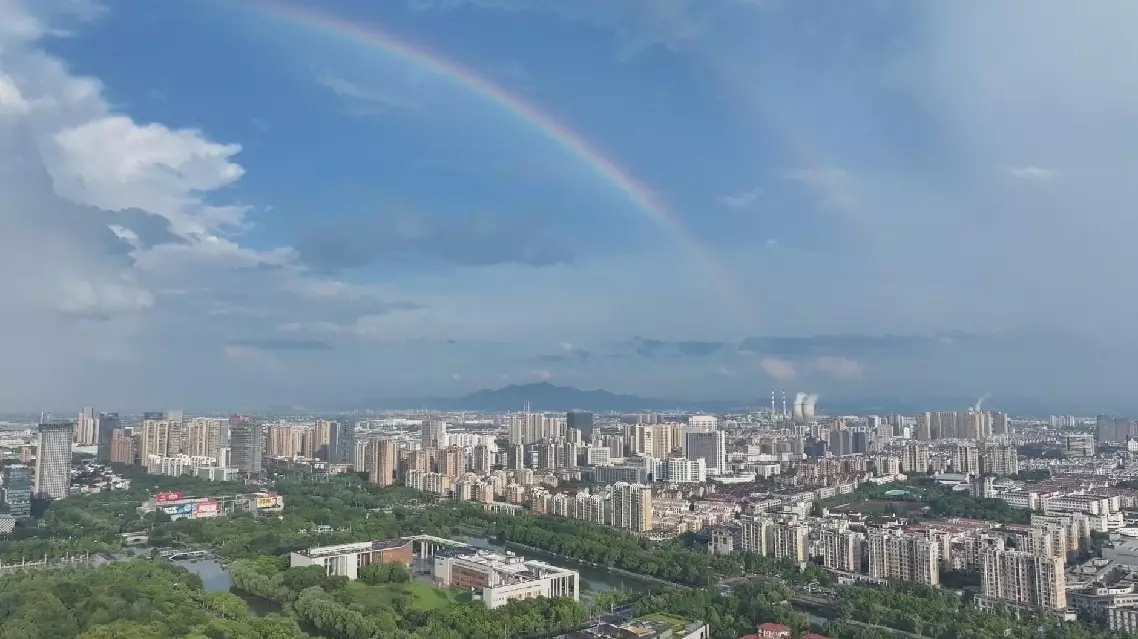
The plan also sets a target for non-fossil fuels to account for 25 percent of total energy consumption by 2030, reflecting a strong commitment to renewable energy development and low-carbon transition.
"The 15th Five-Year Plan places the goal of energy structure adjustment in a more prominent position, which requires us to further build a new energy system and accelerate the development of non-fossil energy," said Su.
Meanwhile, energy security remains vital. The plan projects that by 2030, China's total energy production capacity will reach 580 million tonnes of standard coal, underlining the government's focus on relying primarily on domestic resources and enhancing self-sufficiency.
"By the end of the 15th Five-Year Plan period, our energy self-sufficiency rate should further improve. With stable coal and oil production and an expected annual increase of about 10 billion cubic meters of natural gas, most future growth will come from non-fossil energy. This also reflects the coordinated unity of our energy security guarantee and green and low-carbon transformation," said Su.
China's 25% non-fossil energy target by 2030 reflects accelerated green transition: expert