Skip to Content Facebook Feature Image

Taxi Drivers Required to Implement E-Payment Options by April 2026 for Passenger Convenience

HK

Taxi Drivers Required to Implement E-Payment Options by April 2026 for Passenger Convenience
HK

HK

Taxi Drivers Required to Implement E-Payment Options by April 2026 for Passenger Convenience

2026-03-15 10:03 Last Updated At:03-16 11:48

Taxi drivers required to provide e-payment means for passengers' convenience from April 1

The Transport Department (TD) today (March 15) reminded taxi drivers that, starting from April 1, 2026, they must provide electronic payment means (e-payment means) to facilitate passengers' payments of taxi fares. Before boarding, passengers may check the stickers on taxi windows or ask the driver about the e-payment means available. Passengers may also continue to pay in cash. Drivers who have yet to install e-payment means are urged to do so as soon as possible to familiarise themselves with the operations.

More Images
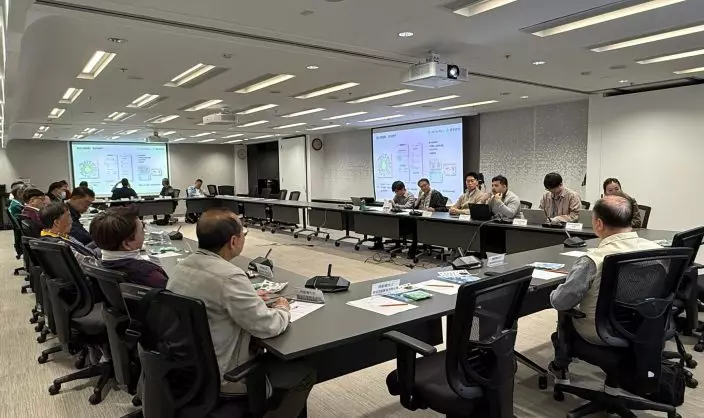
The Transport Department (TD) today (March 15) reminded taxi drivers that, starting from April 1, 2026, they must provide electronic payment means (e-payment means) to facilitate passengers' payment of taxi fares. Before boarding, passengers may check the stickers on taxi windows or ask the driver about the e-payment means available. Passengers may also continue to pay in cash. Drivers who have yet to install e-payment means are urged to do so as soon as possible to familiarise themselves with the operations. Photo shows a taxi conference hosted by the TD, where major e-payment platforms were invited to introduce the operations of e-payment means. Source: HKSAR Government Press Releases
The Transport Department (TD) today (March 15) reminded taxi drivers that, starting from April 1, 2026, they must provide electronic payment means (e-payment means) to facilitate passengers' payment of taxi fares. Before boarding, passengers may check the stickers on taxi windows or ask the driver about the e-payment means available. Passengers may also continue to pay in cash. Drivers who have yet to install e-payment means are urged to do so as soon as possible to familiarise themselves with the operations. Photo shows a taxi conference hosted by the TD, where major e-payment platforms were invited to introduce the operations of e-payment means. Source: HKSAR Government Press Releases

The Transport Department (TD) today (March 15) reminded taxi drivers that, starting from April 1, 2026, they must provide electronic payment means (e-payment means) to facilitate passengers' payment of taxi fares. Before boarding, passengers may check the stickers on taxi windows or ask the driver about the e-payment means available. Passengers may also continue to pay in cash. Drivers who have yet to install e-payment means are urged to do so as soon as possible to familiarise themselves with the operations. Photo shows a workshop hosted by the TD and major e-payment platforms at a community centre to proactively engage drivers, so that they understand the operations of e-payment means, and assist them to register as users. Source: HKSAR Government Press Releases
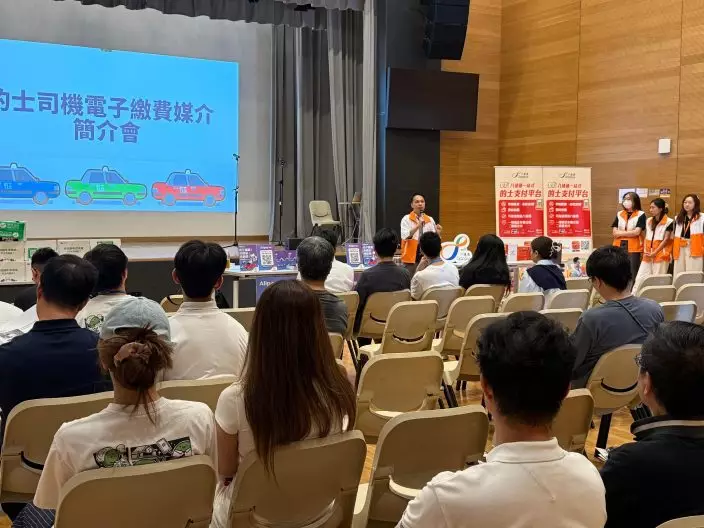
The Transport Department (TD) today (March 15) reminded taxi drivers that, starting from April 1, 2026, they must provide electronic payment means (e-payment means) to facilitate passengers' payment of taxi fares. Before boarding, passengers may check the stickers on taxi windows or ask the driver about the e-payment means available. Passengers may also continue to pay in cash. Drivers who have yet to install e-payment means are urged to do so as soon as possible to familiarise themselves with the operations. Photo shows a workshop hosted by the TD and major e-payment platforms at a community centre to proactively engage drivers, so that they understand the operations of e-payment means, and assist them to register as users. Source: HKSAR Government Press Releases
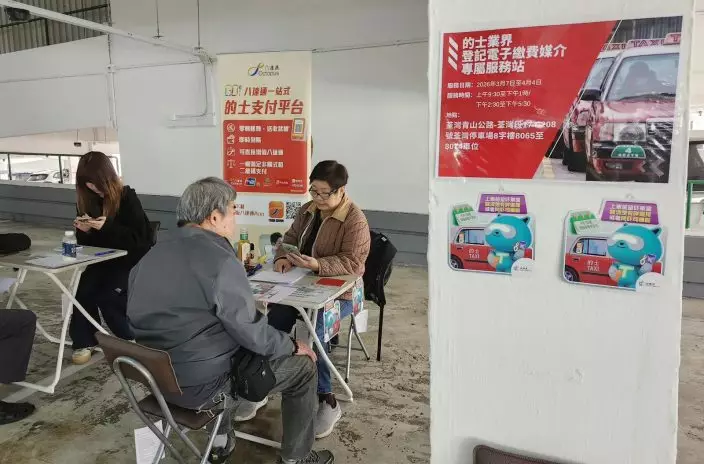
The Transport Department (TD) today (March 15) reminded taxi drivers that, starting from April 1, 2026, they must provide electronic payment means (e-payment means) to facilitate passengers' payment of taxi fares. Before boarding, passengers may check the stickers on taxi windows or ask the driver about the e-payment means available. Passengers may also continue to pay in cash. Drivers who have yet to install e-payment means are urged to do so as soon as possible to familiarise themselves with the operations. Photo shows a briefing session hosted by the TD and major e-payment platforms at a district activities centre to proactively engage drivers, so that they understand the operations of e-payment means, and assist them to register as users. Source: HKSAR Government Press Releases

The Transport Department (TD) today (March 15) reminded taxi drivers that, starting from April 1, 2026, they must provide electronic payment means (e-payment means) to facilitate passengers' payment of taxi fares. Before boarding, passengers may check the stickers on taxi windows or ask the driver about the e-payment means available. Passengers may also continue to pay in cash. Drivers who have yet to install e-payment means are urged to do so as soon as possible to familiarise themselves with the operations. Photo shows a briefing session hosted by the TD and major e-payment platforms at a district activities centre to proactively engage drivers, so that they understand the operations of e-payment means, and assist them to register as users. Source: HKSAR Government Press Releases

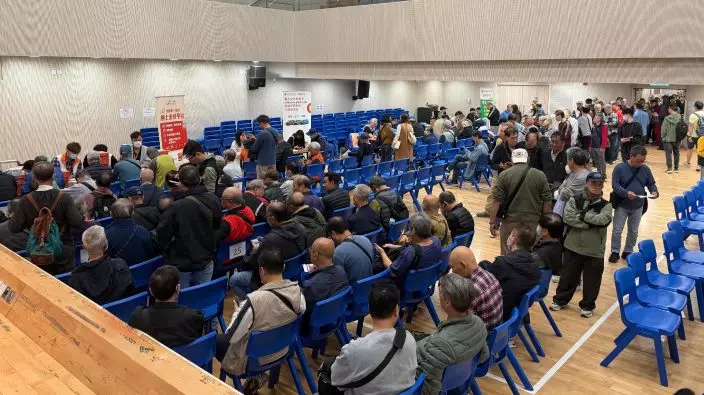
The Transport Department today (March 15) reminded taxi drivers that, starting from April 1, 2026, they must provide electronic payment means (e-payment means) to facilitate passengers' payment of taxi fares. Before boarding, passengers may check the stickers on taxi windows or ask the driver about the e-payment means available. Passengers may also continue to pay in cash. Drivers who have yet to install e-payment means are urged to do so as soon as possible to familiarise themselves with the operations. Photo shows dedicated service counters at a Government carpark to further support drivers in installing and registering for e-payment means early. Source: HKSAR Government Press Releases
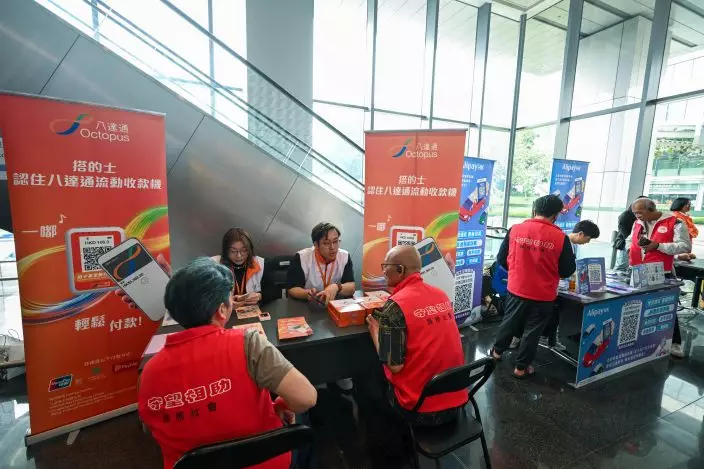
The Transport Department today (March 15) reminded taxi drivers that, starting from April 1, 2026, they must provide electronic payment means (e-payment means) to facilitate passengers' payment of taxi fares. Before boarding, passengers may check the stickers on taxi windows or ask the driver about the e-payment means available. Passengers may also continue to pay in cash. Drivers who have yet to install e-payment means are urged to do so as soon as possible to familiarise themselves with the operations. Photo shows dedicated service counters at a Government carpark to further support drivers in installing and registering for e-payment means early. Source: HKSAR Government Press Releases

The Transport Department today (March 15) reminded taxi drivers that, starting from April 1, 2026, they must provide electronic payment means (e-payment means) to facilitate passengers' payment of taxi fares. Before boarding, passengers may check the stickers on taxi windows or ask the driver about the e-payment means available. Passengers may also continue to pay in cash. Drivers who have yet to install e-payment means are urged to do so as soon as possible to familiarise themselves with the operations. Photo shows major e-payment platforms at a taxi trade publicity event, introducing the operations of e-payment means to drivers and assisting them to register as users. Source: HKSAR Government Press Releases
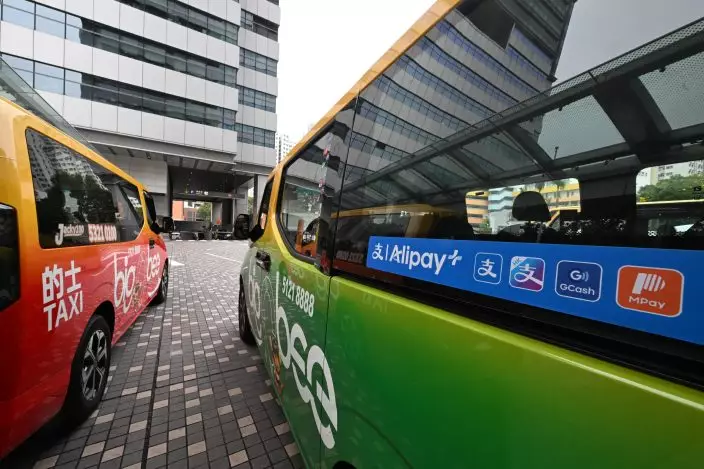
The Transport Department today (March 15) reminded taxi drivers that, starting from April 1, 2026, they must provide electronic payment means (e-payment means) to facilitate passengers' payment of taxi fares. Before boarding, passengers may check the stickers on taxi windows or ask the driver about the e-payment means available. Passengers may also continue to pay in cash. Drivers who have yet to install e-payment means are urged to do so as soon as possible to familiarise themselves with the operations. Photo shows major e-payment platforms at a taxi trade publicity event, introducing the operations of e-payment means to drivers and assisting them to register as users. Source: HKSAR Government Press Releases

The Transport Department today (March 15) reminded taxi drivers that, starting from April 1, 2026, they must provide electronic payment means (e-payment means) to facilitate passengers' payment of taxi fares. Drivers may flexibly choose the e-payment means based on their operational needs. Stickers showing the available e-payment means should be displayed at designated positions on taxi windows for passengers' easy reference. Before boarding, passengers may check the stickers on taxi windows or ask the driver about the e-payment means available. Passengers may also continue to pay in cash. Source: HKSAR Government Press Releases

The Transport Department today (March 15) reminded taxi drivers that, starting from April 1, 2026, they must provide electronic payment means (e-payment means) to facilitate passengers' payment of taxi fares. Drivers may flexibly choose the e-payment means based on their operational needs. Stickers showing the available e-payment means should be displayed at designated positions on taxi windows for passengers' easy reference. Before boarding, passengers may check the stickers on taxi windows or ask the driver about the e-payment means available. Passengers may also continue to pay in cash. Source: HKSAR Government Press Releases

The Transport Department today (March 15) reminded taxi drivers that, starting from April 1, 2026, they must provide electronic payment means (e-payment means) to facilitate passengers' payment of taxi fares. Before boarding, passengers may check the stickers on taxi windows or ask the driver about the e-payment means available. Passengers may also continue to pay in cash. Photo shows the Assistant Commissioner for Transport/Management and Paratransit, Ms Louisa Fung (front row, centre), Legislative Council Members as well as representatives of relevant departments, organisations and major e-payment platforms at a taxi trade publicity event, urging drivers who have yet to install e-payment means to do so as soon as possible to familiarise themselves with the operations. Source: HKSAR Government Press Releases

The Transport Department today (March 15) reminded taxi drivers that, starting from April 1, 2026, they must provide electronic payment means (e-payment means) to facilitate passengers' payment of taxi fares. Before boarding, passengers may check the stickers on taxi windows or ask the driver about the e-payment means available. Passengers may also continue to pay in cash. Photo shows the Assistant Commissioner for Transport/Management and Paratransit, Ms Louisa Fung (front row, centre), Legislative Council Members as well as representatives of relevant departments, organisations and major e-payment platforms at a taxi trade publicity event, urging drivers who have yet to install e-payment means to do so as soon as possible to familiarise themselves with the operations. Source: HKSAR Government Press Releases

The Transport Department today (March 15) reminded taxi drivers that, starting from April 1, 2026, they must provide electronic payment means (e-payment means) to facilitate passengers' payment of taxi fares. Drivers may flexibly choose the e-payment means based on their operational needs. Before boarding, passengers may check the stickers on taxi windows or ask the driver about the e-payment means available. Passengers may also continue to pay in cash. Source: HKSAR Government Press Releases

The Transport Department today (March 15) reminded taxi drivers that, starting from April 1, 2026, they must provide electronic payment means (e-payment means) to facilitate passengers' payment of taxi fares. Drivers may flexibly choose the e-payment means based on their operational needs. Before boarding, passengers may check the stickers on taxi windows or ask the driver about the e-payment means available. Passengers may also continue to pay in cash. Source: HKSAR Government Press Releases

The Transport Department today (March 15) reminded taxi drivers that, starting from April 1, 2026, they must provide electronic payment means (e-payment means) to facilitate passengers' payment of taxi fares. Before boarding, passengers may check the stickers on taxi windows or ask the driver about the e-payment means available. Passengers may also continue to pay in cash. Photo shows the Assistant Commissioner for Transport/Management and Paratransit, Ms Louisa Fung (third left), and Legislative Council Members at a taxi trade publicity event, urging drivers who have yet to install e-payment means to do so as soon as possible to familiarise themselves with the operations. Source: HKSAR Government Press Releases


The Transport Department today (March 15) reminded taxi drivers that, starting from April 1, 2026, they must provide electronic payment means (e-payment means) to facilitate passengers' payment of taxi fares. Before boarding, passengers may check the stickers on taxi windows or ask the driver about the e-payment means available. Passengers may also continue to pay in cash. Photo shows the Assistant Commissioner for Transport/Management and Paratransit, Ms Louisa Fung (third left), and Legislative Council Members at a taxi trade publicity event, urging drivers who have yet to install e-payment means to do so as soon as possible to familiarise themselves with the operations. Source: HKSAR Government Press Releases

From April 1, all taxi drivers are required to provide at least two types of e-payment means, including one QR code e-payment means (such as AlipayHK, WeChat Pay HK or BoC Pay) and one non-QR code e-payment means (such as Octopus cards, credit cards or Faster Payment System (FPS)). Drivers may flexibly choose the e-payment means based on their operational needs. Stickers showing the available e-payment means should be displayed at designated positions on taxi windows for passengers' easy reference. There are e-payment platforms (e.g. Octopus Mobile POS) available in the market supporting multiple payment means to enable drivers to meet the mandatory requirement.

A spokesman for the TD said, "The new requirement aims to leverage the use of electronic technology to further enhance the overall quality of taxi services. Different types of e-payment means can provide convenience to passengers, especially tourists, in settling fares, cater for their different needs, and improve the operational efficiency of the taxi trade at the same time."

Since August 2025, the TD has been steering major e-payment platforms and the taxi trade to step up publicity and public education to familiarise taxi drivers with the mandatory requirement. The TD has also hosted over 20 workshops at community halls and centres across the territory and 11 outreach activities at taxi stands to proactively engage drivers, so that they understand the operations of e-payment means, and assist them to register as users. To date, about 1 900 drivers have joined the workshops. An additional workshop for drivers to register as users will be held from 6pm to 9pm on March 20 at the hall of Henry G. Leong Yaumatei Community Centre.

In addition, dedicated service counters have been set up at three Government carparks on Rumsey Street in Sheung Wan and in Kwai Fong and Tsuen Wanfrom March 7 to April 4 from 9.30am to 5.30pm to further support drivers in installing and registering for e-payment means early. Taxi drivers can make reservations by phone (38425821), email (taxiteam@td.gov.hk) or fax (28242176) to save waiting time. Over 1600 drivers have made bookings so far. Reservation holders who drive to the counters will enjoy one hour of free parking.

The TD has strengthened publicity through multiple channels, including dedicated liquefied petroleum gas filling stations for taxis, taxi stands at the airport, boundary control points and major stations, designated pre-service training schools for taxi drivers and taxi driver identity plate agents. Publicity has also been carried out regularly via placards inside taxi compartments, the Radio Announcement in the Public Interest, posters, social media, websites, taxi trade conferences and taxi newsletters. The Government noted that the taxi trade is ready for the new requirement.

Members of the public may refer to the TD's leaflet on taxi e-payment means (see Annex, Chinese only) coupled with infographics on the Agent T Facebook page (www.facebook.com/AgentT.hk) on the new requirement, or call the hotline at 28042600 for details.

The Transport Department (TD) today (March 15) reminded taxi drivers that, starting from April 1, 2026, they must provide electronic payment means (e-payment means) to facilitate passengers' payment of taxi fares. Before boarding, passengers may check the stickers on taxi windows or ask the driver about the e-payment means available. Passengers may also continue to pay in cash. Drivers who have yet to install e-payment means are urged to do so as soon as possible to familiarise themselves with the operations. Photo shows a taxi conference hosted by the TD, where major e-payment platforms were invited to introduce the operations of e-payment means. Source: HKSAR Government Press Releases

The Transport Department (TD) today (March 15) reminded taxi drivers that, starting from April 1, 2026, they must provide electronic payment means (e-payment means) to facilitate passengers' payment of taxi fares. Before boarding, passengers may check the stickers on taxi windows or ask the driver about the e-payment means available. Passengers may also continue to pay in cash. Drivers who have yet to install e-payment means are urged to do so as soon as possible to familiarise themselves with the operations. Photo shows a taxi conference hosted by the TD, where major e-payment platforms were invited to introduce the operations of e-payment means. Source: HKSAR Government Press Releases

The Transport Department (TD) today (March 15) reminded taxi drivers that, starting from April 1, 2026, they must provide electronic payment means (e-payment means) to facilitate passengers' payment of taxi fares. Before boarding, passengers may check the stickers on taxi windows or ask the driver about the e-payment means available. Passengers may also continue to pay in cash. Drivers who have yet to install e-payment means are urged to do so as soon as possible to familiarise themselves with the operations. Photo shows a workshop hosted by the TD and major e-payment platforms at a community centre to proactively engage drivers, so that they understand the operations of e-payment means, and assist them to register as users. Source: HKSAR Government Press Releases

The Transport Department (TD) today (March 15) reminded taxi drivers that, starting from April 1, 2026, they must provide electronic payment means (e-payment means) to facilitate passengers' payment of taxi fares. Before boarding, passengers may check the stickers on taxi windows or ask the driver about the e-payment means available. Passengers may also continue to pay in cash. Drivers who have yet to install e-payment means are urged to do so as soon as possible to familiarise themselves with the operations. Photo shows a workshop hosted by the TD and major e-payment platforms at a community centre to proactively engage drivers, so that they understand the operations of e-payment means, and assist them to register as users. Source: HKSAR Government Press Releases

The Transport Department (TD) today (March 15) reminded taxi drivers that, starting from April 1, 2026, they must provide electronic payment means (e-payment means) to facilitate passengers' payment of taxi fares. Before boarding, passengers may check the stickers on taxi windows or ask the driver about the e-payment means available. Passengers may also continue to pay in cash. Drivers who have yet to install e-payment means are urged to do so as soon as possible to familiarise themselves with the operations. Photo shows a briefing session hosted by the TD and major e-payment platforms at a district activities centre to proactively engage drivers, so that they understand the operations of e-payment means, and assist them to register as users. Source: HKSAR Government Press Releases

The Transport Department (TD) today (March 15) reminded taxi drivers that, starting from April 1, 2026, they must provide electronic payment means (e-payment means) to facilitate passengers' payment of taxi fares. Before boarding, passengers may check the stickers on taxi windows or ask the driver about the e-payment means available. Passengers may also continue to pay in cash. Drivers who have yet to install e-payment means are urged to do so as soon as possible to familiarise themselves with the operations. Photo shows a briefing session hosted by the TD and major e-payment platforms at a district activities centre to proactively engage drivers, so that they understand the operations of e-payment means, and assist them to register as users. Source: HKSAR Government Press Releases

The Transport Department today (March 15) reminded taxi drivers that, starting from April 1, 2026, they must provide electronic payment means (e-payment means) to facilitate passengers' payment of taxi fares. Before boarding, passengers may check the stickers on taxi windows or ask the driver about the e-payment means available. Passengers may also continue to pay in cash. Drivers who have yet to install e-payment means are urged to do so as soon as possible to familiarise themselves with the operations. Photo shows dedicated service counters at a Government carpark to further support drivers in installing and registering for e-payment means early. Source: HKSAR Government Press Releases

The Transport Department today (March 15) reminded taxi drivers that, starting from April 1, 2026, they must provide electronic payment means (e-payment means) to facilitate passengers' payment of taxi fares. Before boarding, passengers may check the stickers on taxi windows or ask the driver about the e-payment means available. Passengers may also continue to pay in cash. Drivers who have yet to install e-payment means are urged to do so as soon as possible to familiarise themselves with the operations. Photo shows dedicated service counters at a Government carpark to further support drivers in installing and registering for e-payment means early. Source: HKSAR Government Press Releases

The Transport Department today (March 15) reminded taxi drivers that, starting from April 1, 2026, they must provide electronic payment means (e-payment means) to facilitate passengers' payment of taxi fares. Before boarding, passengers may check the stickers on taxi windows or ask the driver about the e-payment means available. Passengers may also continue to pay in cash. Drivers who have yet to install e-payment means are urged to do so as soon as possible to familiarise themselves with the operations. Photo shows major e-payment platforms at a taxi trade publicity event, introducing the operations of e-payment means to drivers and assisting them to register as users. Source: HKSAR Government Press Releases

The Transport Department today (March 15) reminded taxi drivers that, starting from April 1, 2026, they must provide electronic payment means (e-payment means) to facilitate passengers' payment of taxi fares. Before boarding, passengers may check the stickers on taxi windows or ask the driver about the e-payment means available. Passengers may also continue to pay in cash. Drivers who have yet to install e-payment means are urged to do so as soon as possible to familiarise themselves with the operations. Photo shows major e-payment platforms at a taxi trade publicity event, introducing the operations of e-payment means to drivers and assisting them to register as users. Source: HKSAR Government Press Releases

The Transport Department today (March 15) reminded taxi drivers that, starting from April 1, 2026, they must provide electronic payment means (e-payment means) to facilitate passengers' payment of taxi fares. Drivers may flexibly choose the e-payment means based on their operational needs. Stickers showing the available e-payment means should be displayed at designated positions on taxi windows for passengers' easy reference. Before boarding, passengers may check the stickers on taxi windows or ask the driver about the e-payment means available. Passengers may also continue to pay in cash. Source: HKSAR Government Press Releases

The Transport Department today (March 15) reminded taxi drivers that, starting from April 1, 2026, they must provide electronic payment means (e-payment means) to facilitate passengers' payment of taxi fares. Drivers may flexibly choose the e-payment means based on their operational needs. Stickers showing the available e-payment means should be displayed at designated positions on taxi windows for passengers' easy reference. Before boarding, passengers may check the stickers on taxi windows or ask the driver about the e-payment means available. Passengers may also continue to pay in cash. Source: HKSAR Government Press Releases

The Transport Department today (March 15) reminded taxi drivers that, starting from April 1, 2026, they must provide electronic payment means (e-payment means) to facilitate passengers' payment of taxi fares. Before boarding, passengers may check the stickers on taxi windows or ask the driver about the e-payment means available. Passengers may also continue to pay in cash. Photo shows the Assistant Commissioner for Transport/Management and Paratransit, Ms Louisa Fung (front row, centre), Legislative Council Members as well as representatives of relevant departments, organisations and major e-payment platforms at a taxi trade publicity event, urging drivers who have yet to install e-payment means to do so as soon as possible to familiarise themselves with the operations. Source: HKSAR Government Press Releases
The Transport Department today (March 15) reminded taxi drivers that, starting from April 1, 2026, they must provide electronic payment means (e-payment means) to facilitate passengers' payment of taxi fares. Before boarding, passengers may check the stickers on taxi windows or ask the driver about the e-payment means available. Passengers may also continue to pay in cash. Photo shows the Assistant Commissioner for Transport/Management and Paratransit, Ms Louisa Fung (front row, centre), Legislative Council Members as well as representatives of relevant departments, organisations and major e-payment platforms at a taxi trade publicity event, urging drivers who have yet to install e-payment means to do so as soon as possible to familiarise themselves with the operations. Source: HKSAR Government Press Releases
The Transport Department today (March 15) reminded taxi drivers that, starting from April 1, 2026, they must provide electronic payment means (e-payment means) to facilitate passengers' payment of taxi fares. Drivers may flexibly choose the e-payment means based on their operational needs. Before boarding, passengers may check the stickers on taxi windows or ask the driver about the e-payment means available. Passengers may also continue to pay in cash. Source: HKSAR Government Press Releases

The Transport Department today (March 15) reminded taxi drivers that, starting from April 1, 2026, they must provide electronic payment means (e-payment means) to facilitate passengers' payment of taxi fares. Drivers may flexibly choose the e-payment means based on their operational needs. Before boarding, passengers may check the stickers on taxi windows or ask the driver about the e-payment means available. Passengers may also continue to pay in cash. Source: HKSAR Government Press Releases

The Transport Department today (March 15) reminded taxi drivers that, starting from April 1, 2026, they must provide electronic payment means (e-payment means) to facilitate passengers' payment of taxi fares. Before boarding, passengers may check the stickers on taxi windows or ask the driver about the e-payment means available. Passengers may also continue to pay in cash. Photo shows the Assistant Commissioner for Transport/Management and Paratransit, Ms Louisa Fung (third left), and Legislative Council Members at a taxi trade publicity event, urging drivers who have yet to install e-payment means to do so as soon as possible to familiarise themselves with the operations. Source: HKSAR Government Press Releases

The Transport Department today (March 15) reminded taxi drivers that, starting from April 1, 2026, they must provide electronic payment means (e-payment means) to facilitate passengers' payment of taxi fares. Before boarding, passengers may check the stickers on taxi windows or ask the driver about the e-payment means available. Passengers may also continue to pay in cash. Photo shows the Assistant Commissioner for Transport/Management and Paratransit, Ms Louisa Fung (third left), and Legislative Council Members at a taxi trade publicity event, urging drivers who have yet to install e-payment means to do so as soon as possible to familiarise themselves with the operations. Source: HKSAR Government Press Releases

HKSAR Government strongly condemns anti-China organisation and foreign media for misleading public and whitewashing Lai Chee-ying

The Hong Kong Special Administrative Region (HKSAR) Government today (May 1) strongly condemned the attempts by an anti-China organisation and foreign media to sugarcoat the criminal acts of national security offender Lai Chee-ying and to slander, smear, as well as attack the HKSAR by releasing a so-called press freedom index and presenting a so-called "award". Such despicable behaviours totally disregarded the rule of law and twisted the facts, which must be strongly condemned.

A spokesman for the HKSAR Government said, "As guaranteed by the Basic Law and the Hong Kong Bill of Rights, all defendants charged with a criminal offence shall have the right to a fair trial by the Judiciary exercising independent judicial power. The courts of the HKSAR shall exercise judicial power independently, free from any interference. In the Lai Chee-ying case, the court has conducted 156 days of public hearings, considered up to 2 220 pieces of evidence, over 80 000 pages of documents, and a total of over 1 000 pages of written submissions from all parties, etc. Lai Chee-ying himself even testified in court for 52 days. These are the testaments to the fact that Lai Chee-ying and other defendants were found guilty only after a fair trial. The suggestion that any persons or organisations with certain backgrounds should be immune from legal sanctions for their illegal acts and activities is tantamount to granting such persons privileges to break the law and is totally contrary to the spirit of the rule of law.

"Some media organisations and organisations that claim to represent journalists have conflated the criminal acts in the Lai Chee-Ying case with freedom of the press, and have even played up different cases to vilify the HKSAR, with the purpose of misleading the public and defaming the HKSAR's human rights and rule of law. In fact, the Lai Chee-ying case has nothing to do with freedom of the press at all. Over the years, the defendants were using journalism as a guise to commit acts that brought harm to our country and Hong Kong. The public trial of this case revealed Lai Chee-ying's close management and hands-on control of the editorial direction of Apple Daily. He had also repeatedly colluded with foreign forces to beg for sanctions and engaged in hostile activities against the Central Government and the HKSAR Government. The court clearly pointed out that Lai Chee-ying's only intent, whether pre or post Hong Kong National Security Law (HKNSL), was to seek the downfall of the Communist Party of China, even though the ultimate cost was the sacrifice of the interests of the people of the People's Republic of China and the HKSAR.

"The court clearly pointed out in the reasons for verdict that Lai Chee-ying was not on trial for his political views or beliefs. The court's publicly released reasons for verdict and sentence have meticulously explained the court's analysis of the relevant legal principles and evidence, as well as the reasons of the conviction and sentencing of Lai Chee-ying and the three defendant companies, which are well-founded and reasoned, fully demonstrating that the court has made its decision on the case strictly in accordance with the law and evidence, free from any interference, and absolutely free of any political considerations. External forces with ulterior motives, when being faced with these ironclad facts, continue to distort the truth and launch maliciously attack. The HKSAR Government must again firmly refute these claims to set the record straight."

The spokesman stressed, "Hong Kong citizens enjoy freedom of the press and freedom of speech as protected under the Basic Law and the Hong Kong Bill of Rights. In fact, the HKNSL and the Safeguarding National Security Ordinance (SNSO) clearly stipulate that human rights shall be respected and protected in safeguarding national security. The rights and freedoms, including the freedoms of the press, of speech and of publication, enjoyed by Hong Kong people under the Basic Law and the provisions of the International Covenant on Civil and Political Rights and the International Covenant on Economic, Social and Cultural Rights as applied to the HKSAR, are protected in accordance with the law.

"Since the implementation of the HKNSL and the SNSO, the media landscape in Hong Kong has remained vibrant. However, some people with ulterior motives deliberately fabricated facts about freedom of the press and speech in Hong Kong. As the funding of Reporters Without Borders' funding has largely come from the European Union, the United States (US) State Department and other European governments, it serves as a tool for anti-China forces for the US and some western countries. The so-called "rankings" lack credibility which the HKSAR Government disregards."

The spokesperson reiterated, "The HKSAR Government will, as always, resolutely and strictly adhere to the principle of the rule of law to ensure that 'laws are observed and strictly enforced to bring offenders to account', so as to prevent, suppress and impose punishment for acts and activities endangering national security while protecting the lawful rights and interests of Hong Kong residents and other people in Hong Kong. The HKSAR Government urges all sides to recognise the objective facts and stop any baseless malicious attacks."

Source: AI-found images

Source: AI-found images

Recommended Articles