Skip to Content Facebook Feature Image

China to prioritize people's wellbeing, increase housing conditions in 2026-2030 Five-Year Plan

China

China

China

China to prioritize people's wellbeing, increase housing conditions in 2026-2030 Five-Year Plan

2026-03-15 15:59 Last Updated At:03-16 13:23

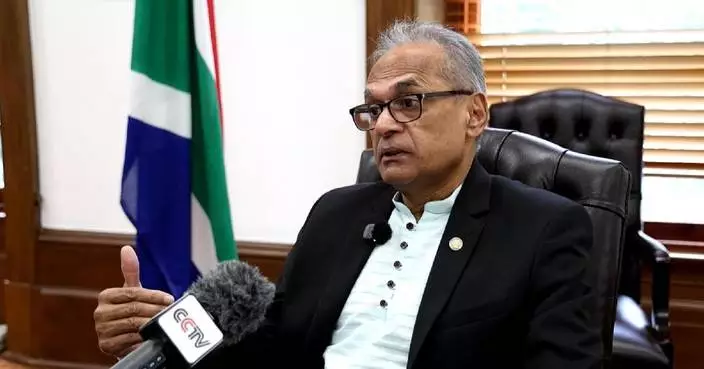
China's real estate policies over the next five years in the country’s new economic plan, are set to place more emphasis on ensuring people's wellbeing, while emphasizing improved living quality in the quest for high-quality development of the real estate market, effectively meeting residents' demand for more comfortable housing conditions, according to Wu Jing, director of the real estate research center at Tsinghua University .

On Friday, China officially unveiled the outline of the 15th Five-Year (2026-2030) Plan for national economic and social development, which includes a focus on the real estate sector.

The outline calls for efforts to accelerate the development of a new model for real estate development and to improve the housing system, featuring multiple suppliers and various channels of support that encourage both rentals and purchases, to achieve a higher level of housing security.

Wu pointed out that the efforts signal that ensuring people’s well-being is a key development direction.

Meanwhile, the outline elaborates on the need to optimize the supply of affordable housing and puts forward more detailed requirements regarding the target groups, management processes and sources of affordable housing, and reforms to the housing provident fund system.

Wu said the core objective is to ensure people's housing needs are met.

"The outline specifies a more refined housing security system, proposing requirements such as improving the entire process of affordable housing management, exploring the orderly conversion and coordinated use of affordable housing for both rental and purchase purposes, and deepening the reform of the housing provident fund system. It also requires the housing security system to place greater emphasis on families with multiple children. All of these reflect that the coverage of the housing security system is expanding, its precision is improving, and it will be better integrated with population policies," he said.

In addition to ensuring people’s well-being, the outline of the 15th Five-Year Plan makes arrangements for promoting the stable and healthy development of the real estate market.

It urges efforts to improve basic systems for housing development, financing, and sales, and advance the sale of existing homes.

Meanwhile, it stresses local governments should be granted greater autonomy, making regulation more precise and effective, and more closely aligned with local needs.

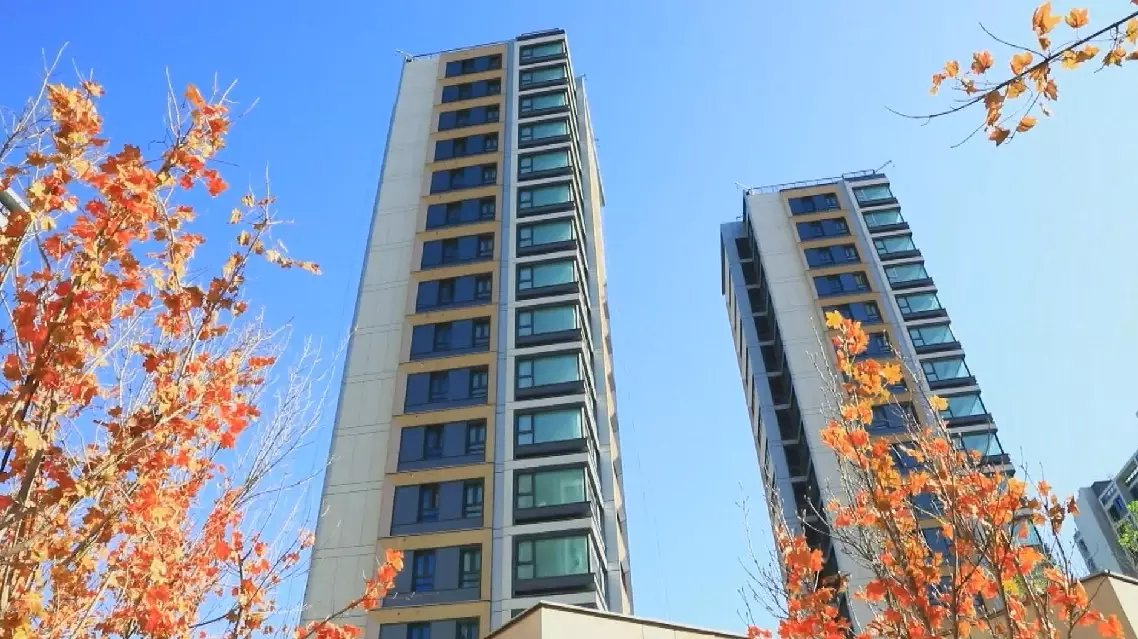
Furthermore, it calls for building safe, comfortable, green and intelligent homes, and establishing a full life-cycle safety management system for housing.

"Most notably, the construction of basic systems has entered a substantial stage of advancement. Specific requirements are put forward, and measures are deployed to promote the sale of existing homes in a powerful and orderly manner. These are fundamental solutions to prevent risks and constitute the core institutional cornerstone for building a new model of real estate development," said Wu.

To effectively implement the policies outlined, pilot programs can be carried out in certain cities or projects and then gradually expanded, laying a solid foundation for the stable and healthy development of the real estate market, said Wu.
China to prioritize people's wellbeing, increase housing conditions in 2026-2030 Five-Year Plan
China to prioritize people's wellbeing, increase housing conditions in 2026-2030 Five-Year Plan
China to prioritize people's wellbeing, increase housing conditions in 2026-2030 Five-Year Plan

China to prioritize people's wellbeing, increase housing conditions in 2026-2030 Five-Year Plan
The United Arab Emirates' decision to withdraw from the Organization of the Petroleum Exporting Countries (OPEC) signals a broader strategic recalibration as the Gulf producer seeks to diversify its energy export routes and reduce vulnerability to regional chokepoints, according to a Middle East affairs expert.

The United Arab Emirates (UAE) announced Tuesday it will withdraw from OPEC, marking the end of its decades-long alignment with the cartel.

Against this backdrop, the UAE is actively exploring alternative logistics pathways to safeguard its energy exports. A key focus is developing overland connections to bypass the strategically sensitive Strait of Hormuz.

"The UAE's primary energy loading and unloading ports are currently located in the Gulf region, within the Strait of Hormuz. However, given the increasingly uncertain security situation around the Strait of Hormuz, the UAE has gradually come to realize that its existing transportation system -- which relies on transit through the Strait of Hormuz to connect with international energy markets -- will be difficult to sustain over the long term. Consequently, the UAE hopes to establish overland connections linking its main inland energy production areas with the Fujairah Port, where crude oil can be loaded onto vessels for export to international energy markets," said Wang Jin, director of the Center for Strategic Studies at Northwest University in China.

While the strategic rationale is clear, implementation faces significant hurdles. Wang noted that infrastructure constraints could limit the effectiveness of this pivot, particularly given the UAE's ambitious production targets.

"However, this strategy involves two key challenges. First, the existing overland pipeline infrastructure cannot fully meet the UAE's so-called energy transport capacity requirements. According to current UAE projections, the country's average daily energy production may reach approximately 5 million barrels in the future. Yet the transport capacity of the existing pipelines falls far short of this anticipated volume. Therefore, the UAE must consider how to further expand the capacity of its overland energy pipeline network in the future, and whether new pipelines should be constructed to connect with the Fujairah Port," he said.

Beyond pipeline capacity, long-term success hinges on port infrastructure and sustainable financing -- questions that remain unresolved as the UAE weighs its next moves, according to Wang.

"More importantly, as the Fujairah Port -- a deep-water port -- gains increasing strategic significance, the UAE must also consider whether the port should be expanded and its capacity upgraded to accommodate more vessels for loading and unloading energy-related products. Thus, for the UAE, critical questions remain: how to develop effective planning, how to advance infrastructure construction, and where to secure funding for related projects. Consequently, although the UAE currently has proposals to bypass the Strait of Hormuz, whether and when these plans can be realized will likely require a long and complex process ahead," he said.

UAE's OPEC exit reflects strategic shift amid energy security concerns: expert

UAE's OPEC exit reflects strategic shift amid energy security concerns: expert

Recommended Articles