The 2026 Formula 1 Chinese Grand Prix has become one of the hottest sporting events in China, with crowds flocking to the Shanghai International Circuit and merchandise selling out as F1's appeal surges.
The three-day motor race officially kicked off on Friday, and spectators began streaming into the venue from 09:30, with the reopening of the E grandstand -- capable of seating more than 4,000 -- helping fuel excitement as fans began cheering on their favorite drivers.
"The atmosphere is great. I hope to see [Lewis] Hamilton on the podium," one fan said.
This season marks the new start for the world-class motorsport, with sweeping changes to car design, aerodynamics and power units. Under the new regulations, cars are smaller and lighter, while hybrid systems now deliver half of their output from electric energy.
"They're trying to adjust to the new rules, so it's a bit interesting for the fans, also," said a spectator.
The event has also turned into a commercial success. Limited-edition merchandise at pop-up stores has seen brisk sales, including Disney-themed collectibles and Lego models of the new cars.
"It is for the children. I like it very much. It's very great. [It is] like a party, like a very special occasion and a good holiday," said another fan.
Tickets for the Grand Prix sold out three months in advance.
Organizers expect about 230,000 spectators over the three-day event, with roughly 14 percent traveling from overseas.
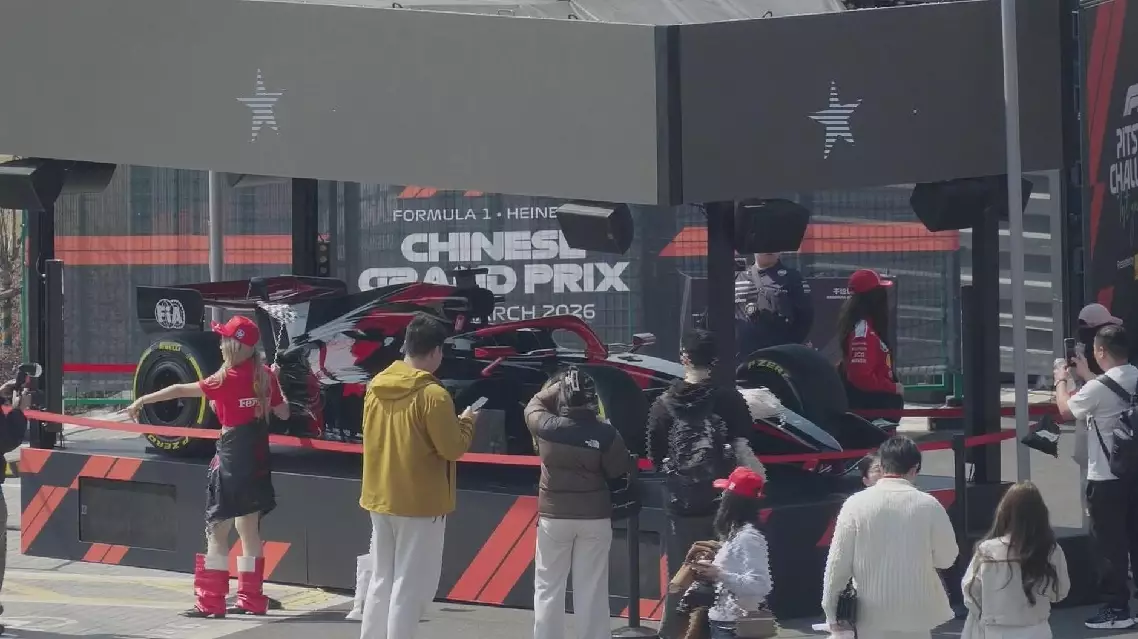
Formula 1 Chinese Grand Prix drives fan frenzy China
China's zero-tariff policy is widely seen as a major opportunity for African countries, supporting their efforts to improve livelihoods, advance trade upgrading and promote regional stability, African officials and economic stakeholders said.
On Friday, China officially expanded its zero-tariff policy to cover all 53 African nations with which it maintains diplomatic relations. The move aims to create new pathways for African exports and industrialization at a time when global trade faces mounting pressures from protectionism.
The policy builds upon earlier measures: since Dec 1, 2024, China has already eliminated tariffs on 100 percent of tariff lines for 33 least developed countries in Africa. The latest expansion now includes economies that are relatively more developed, such as Kenya, Egypt and Nigeria, opening doors for a broader range of African products to enter the Chinese market duty-free.
Omar Toure, president of the Economic Community of West African States (Ecowas) Commission, noted that economic growth and poverty reduction can contribute to greater stability and peace in the region.
"For us, this is a major opportunity for our countries because China is a massive market and having access to such a massive market for our produce and products is a major opportunity that we must all seize. It will have impact on overall development of our countries through enhanced productivity because as you know, poverty is a key driver of insecurity in our region. The zero tariff policy is likely to advance our development, to support our development, as well as help us entrench peace and security in our region and on the continent," he said.
Beyond expanding market access, the initiative is expected to strengthen Africa's industrialization and help upgrade regional industries, spurring ambitions to pursue global economic involvement.
"It will enhance trading relations between China and the rest of its partners. I think to a large extent, also within Africa itself, it's going to act as a great catalyst for improving trade, for enhancing the economic relations and also for industrialization," said Bianca Ojukwu, Minister of State for Foreign Affairs of Nigeria.
"China is a very big market, and if you supply to China, it means you will enhance the value of trade or the volume of your exports. And that in itself is monumental. In the sense that, apart from just the value of the export, you get more and more people getting higher incomes and also being able to upgrade their production facilities. So it's really going to benefit Africa in a way that Africa can also begin to participate in a global trade," said David Chewe, Fund Manager of Zambia Export Development Fund.
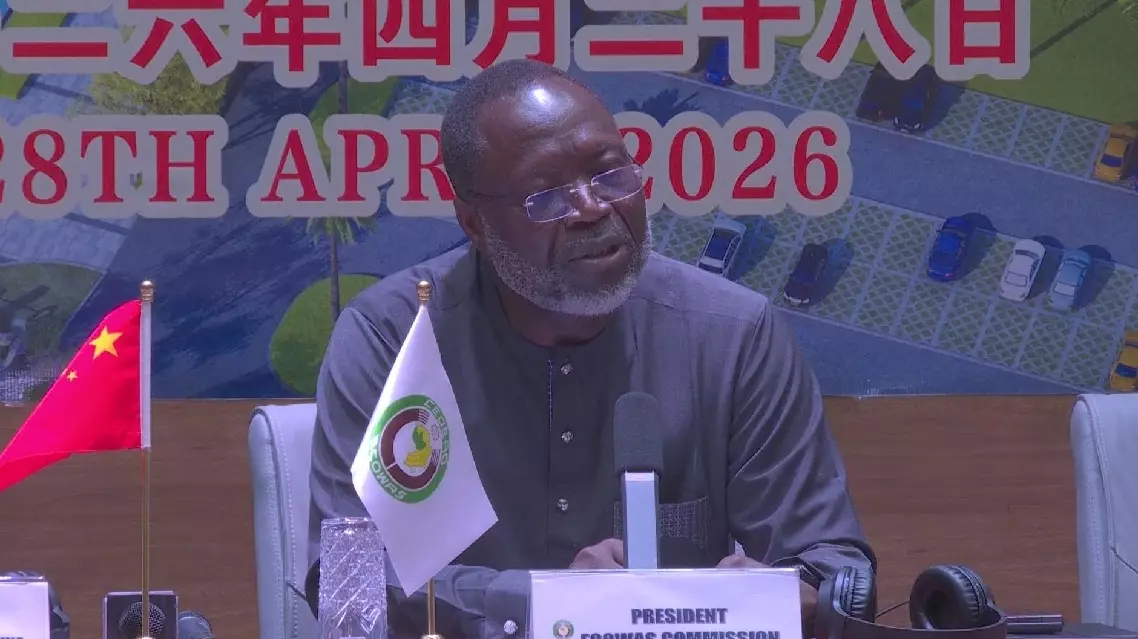
China‘s zero-tariff policy on Africa applauded as catalyst for boosting bilateral trade, peace