Skip to Content Facebook Feature Image

Striking Kharg Island only affects US, European-linked oil companies: former IRGC commander
HotTV

HotTV

HotTV

Striking Kharg Island only affects US, European-linked oil companies: former IRGC commander

2026-03-15 16:23 Last Updated At:03-16 13:23

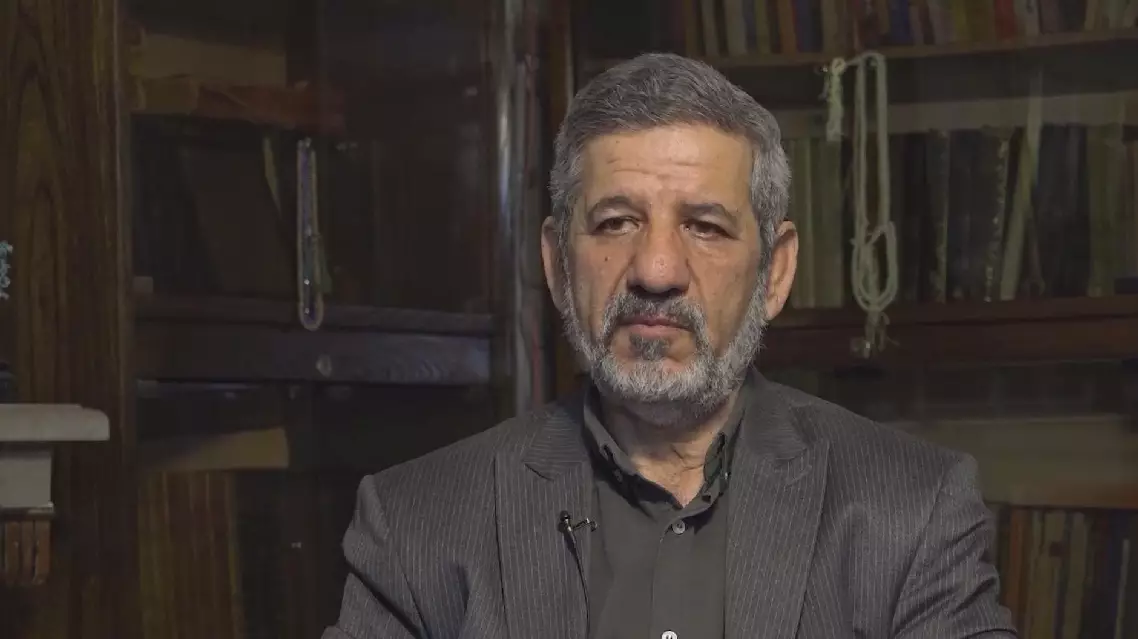
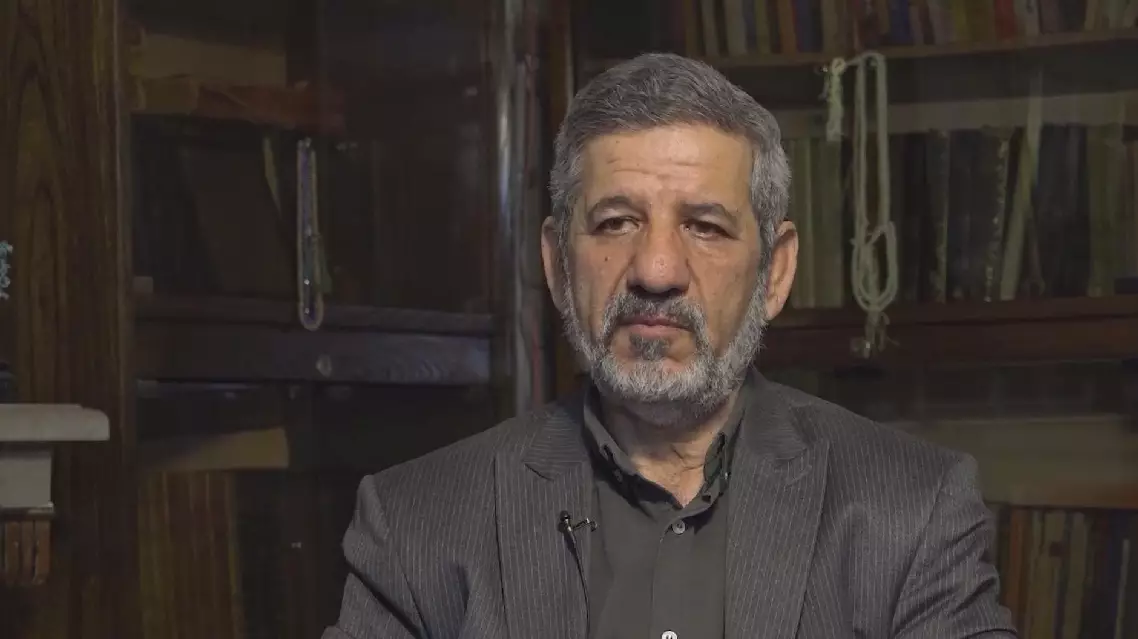
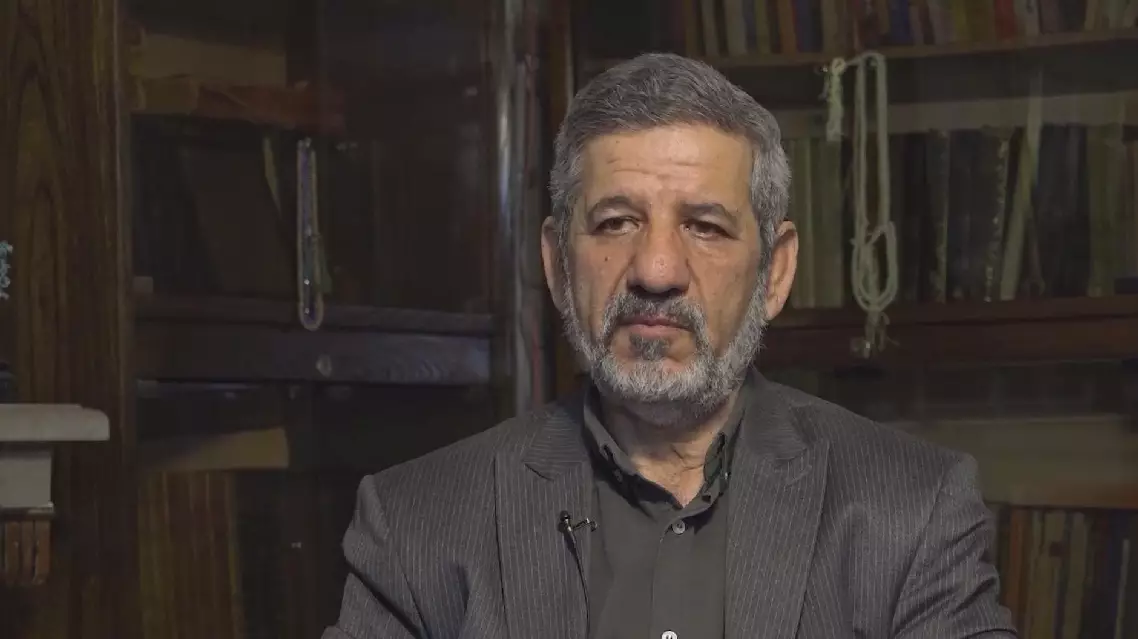
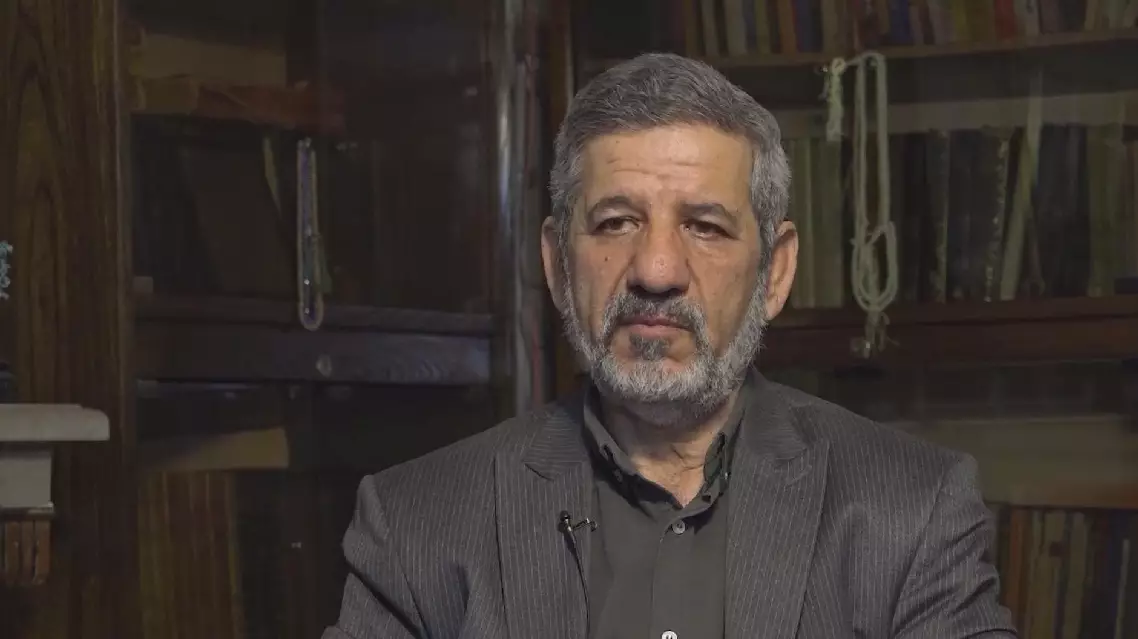
The recent strikes on Kharg Island have not put pressure on Iran but will affect American and European-linked oil companies, a former commander in the Islamic Revolutionary Guard Corps (IRGC) said on Saturday.

Speaking in an exclusive interview with China Global Television Network (CGTN) on Saturday, Hossein Kanani Moghaddam, who is also a military analyst, said that Iran had made preparations in advance to reduce dependence on the Strait of Hormuz, well before the U.S. strikes on Iranian islands, including the Kharg, which was targeted and hit by the U.S. forces.

More Images
Striking Kharg Island only affects US, European-linked oil companies: former IRGC commander

Striking Kharg Island only affects US, European-linked oil companies: former IRGC commander
Striking Kharg Island only affects US, European-linked oil companies: former IRGC commander
Striking Kharg Island only affects US, European-linked oil companies: former IRGC commander
Striking Kharg Island only affects US, European-linked oil companies: former IRGC commander

Striking Kharg Island only affects US, European-linked oil companies: former IRGC commander
Striking Kharg Island only affects US, European-linked oil companies: former IRGC commander
Striking Kharg Island only affects US, European-linked oil companies: former IRGC commander

"As you know, these measures date back many years; after the Iran-Iraq war, we took steps to reduce our dependence on the Strait of Hormuz and on exporting oil from the islands. To achieve this, we built oil pipelines in different regions so that we can export oil easily by land and sea without relying on the Strait of Hormuz. Even if they strike, as they have already done by attacking Abu Musa, they will gain nothing from it. On the contrary, it will intensify the oil crisis. Once the region enters into war, we have already declared that we would target all ports, as well as American banks and companies. In a way, this has given us a freer hand to take broader action, and that process has already begun," said Moghaddam.

"For this reason, they think that by striking Kharg or some of the islands, they can put pressure on us. On the contrary, all the pressure will fall on the U.S. and European-linked oil companies. That's why we face no problem in this regard. Even if they were to seize Kharg, we would respond as it is our territory, but in reality, it would not create any obstacle for our oil exports," he added.

Kharg Island lies about 25 km off Iran's northwestern Gulf coast. Roughly 6 km long and 3 km wide, it handles about 90 percent of Iran's crude exports.

The island contains storage tanks, pipelines, and deep-water jetties that allow supertankers to load crude. Many facilities are concentrated and exposed, making them vulnerable to attack.

On Friday, U.S. President Donald Trump said that the U.S. forces had carried out heavy strikes on Kharg Island while deliberately sparing its oil facilities.

Trump warned that any interference with shipping through the Strait of Hormuz, by Iran or any other party, would prompt him to "immediately reconsider" that decision, leaving open the possibility of future strikes on the island's energy infrastructure.

Striking Kharg Island only affects US, European-linked oil companies: former IRGC commander

Striking Kharg Island only affects US, European-linked oil companies: former IRGC commander
Striking Kharg Island only affects US, European-linked oil companies: former IRGC commander
Striking Kharg Island only affects US, European-linked oil companies: former IRGC commander
Striking Kharg Island only affects US, European-linked oil companies: former IRGC commander

Striking Kharg Island only affects US, European-linked oil companies: former IRGC commander

Striking Kharg Island only affects US, European-linked oil companies: former IRGC commander

Striking Kharg Island only affects US, European-linked oil companies: former IRGC commander

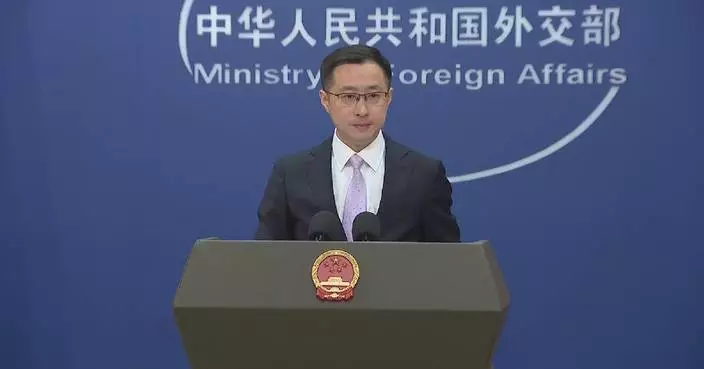
Iran has received U.S. feedback on its latest peace proposal through Pakistani mediators, and talks between the two sides are still underway, Iranian Foreign Ministry spokesman Esmaeil Baghaei said Monday.

Speaking at a press conference in Tehran, Baghaei said that although the United States had publicly rejected Iran's 14-point peace proposal aimed at ending the conflict, Tehran had still received revisions and concerns through mediator Pakistan.

Such dialogue is continuing through the mediator, he said, stressing that although Iran does not trust the United States, it is still participating in the negotiations based on national interests.

Baghaei said that Iran has submitted its response to U.S. revisions to the conflict resolution plan.

"We approach every diplomatic process with deep distrust and serious skepticism in order to safeguard the national interests of Iran. Iran is aware that, given the United States' track record of undermining negotiations, it may repeat the same actions at any moment," Baghaei said.

Baghaei also said the current situation in the Strait of Hormuz stems from military actions launched by the United States and Israel against Iran, as well as what he described as violations of international law by the two countries.

Iran has taken relevant measures to ensure safety of navigation in the region, he said, adding that communication between Iran and Oman over issues related to the Strait of Hormuz is ongoing.

Baghaei said Iran harbors no hostility toward any country in the Middle East and called on all parties to remain vigilant against attempts by external forces to create division in the region.

Responding to repeated U.S. threats that military action against Iran could resume if no agreement is reached, Baghaei said threats and pressure have long been Washington's standard approach, but such tactics would not work on Iran.

He said Iran would continue advancing negotiations while closely monitoring developments and preparing for all possible scenarios.

Baghaei stressed that Iran would not abandon the rights granted to it under the Treaty on the Non-Proliferation of Nuclear Weapons (NPT) and that the country is currently focused on efforts to end the conflict.

Also on Monday, Iran's semi-official Tasnim news agency, citing sources close to the Iranian negotiating team, said that Tehran had handed over its newest 14-point proposed plan for ending the war with the United States to Pakistan.

Pakistan will convey the plan to the United States, the report said.

The new proposal was submitted after Tehran revised its earlier 14-point draft in response to a recent U.S. proposal, the sources added.

According to the sources, Iran's new draft focuses on negotiations to end the war, as well as on "trust-building" measures.

In a separate report on Monday, Tasnim quoted another source close to the Iranian negotiating team as saying that, unlike previous U.S. drafts, Washington had agreed in its latest proposal to waive sanctions on Iranian oil during the negotiation period.

On the same day, however, a U.S. official said claims by the Iranian side that the U.S. had agreed to lift sanctions during the negotiations were false.

Iran, the United States and Israel reached a ceasefire on April 8 after 40 days of fighting that started with U.S. and Israeli attacks on Tehran and other Iranian cities on Feb 28.

Following the truce, Iranian and U.S. delegations held one round of peace talks in Pakistan's capital Islamabad on April 11 and 12, which failed to yield an agreement.

Over the past weeks, the two sides have reportedly exchanged several proposed plans outlining conditions for ending the conflict through Pakistan.

Iran's foreign ministry says talks with US still underway

Iran's foreign ministry says talks with US still underway

Recommended Articles