WASHINGTON (AP) — U.S. wholesale prices came in hotter than expected in February, driven partly by a sharp increase in food costs.
The Labor Department reported Wednesday that its producer price index — which measures inflation before it hits consumers — rose 0.7% from January, and 3.4% from February 2025. The year-over-year increase was the most since February 2025.
Click to Gallery
FILE - Traffic moves on Interstate 94 in Detroit, March 17, 2026. (AP Photo/Paul Sancya, File)
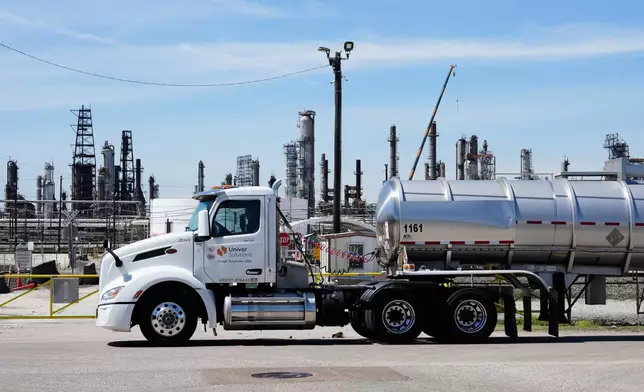
FILE - A truck passes LyondellBasell Houston Refinery on March 17, 2026, in Houston. (AP Photo/Ashley Landis, File)
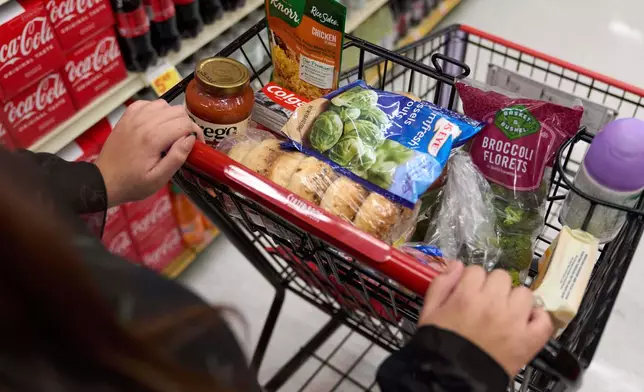
FILE - A California's SNAP benefits shopper pushes a cart through a supermarket in Bellflower, Calif., Feb. 13, 2023. (AP Photo/Allison Dinner, File)
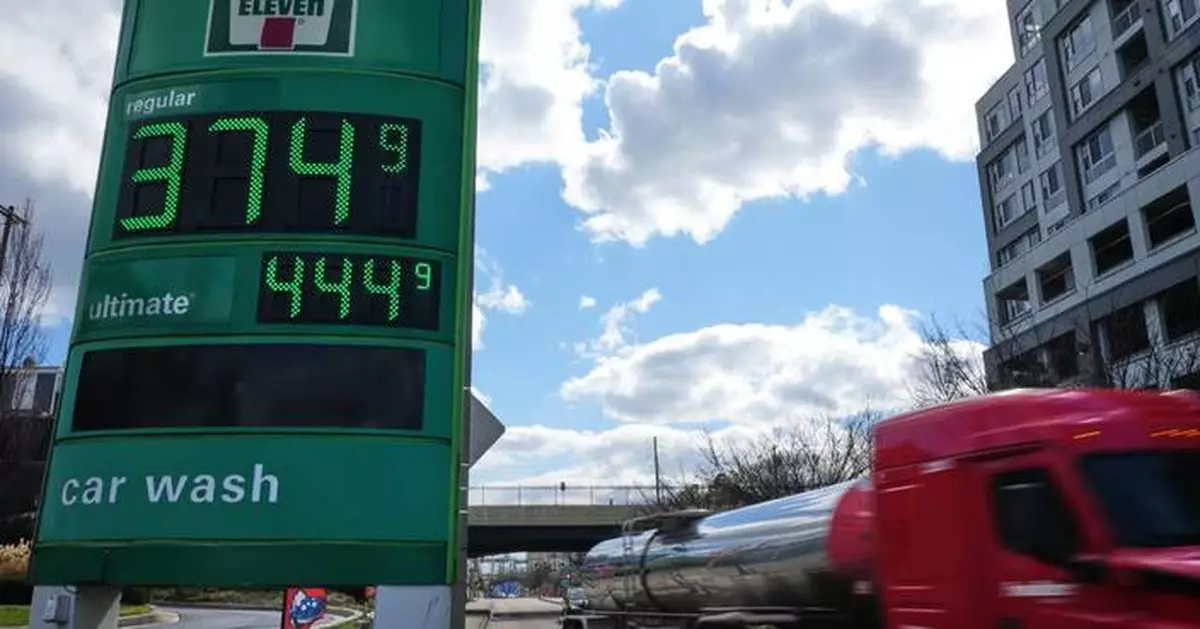
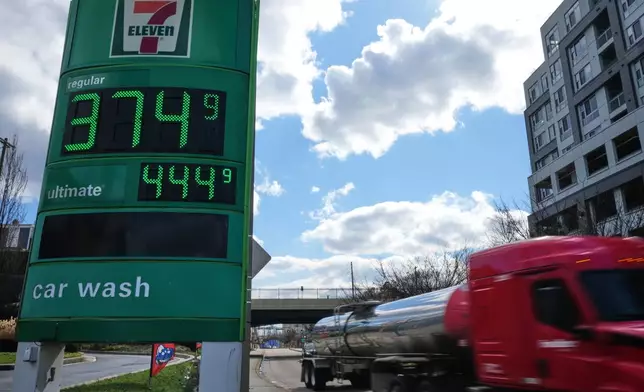
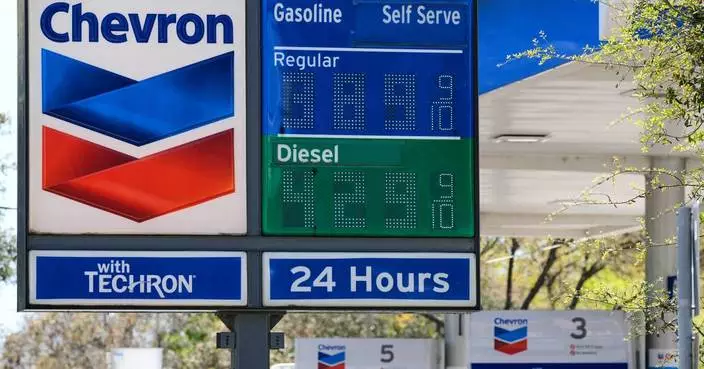
FILE - Fuel prices are displayed on a sign at a gas station as a fuel truck drives by, March 17, 2026, in Baltimore. (AP Photo/Stephanie Scarbrough, File)
The price gains were bigger than economists had forecast, and they occurred before the U.S. and Israel attack on Iran pushed energy prices sharply higher.
“These are some mighty big increases, adding fuel to the political conversation about affordability,” wrote Carl B. Weinberg, the chief economist at High Frequency Economics. “And of course, energy prices will spike higher in the March report, thanks to the war in Iran and the blockade of the Strait of Hormuz.”
Oil prices have surged nearly 50% since the Iran war began, and gasoline prices are following close behind.
The average price for a gallon of gasoline in the U.S. spiked again overnight, reaching $3.84. A gallon of gas last month, before the U.S. and Israel attacked Iran, was well under $3. Diesel prices, used heavily in transportation, are rising even faster.
Excluding volatile food and energy prices, so-called core wholesale prices rose 0.5% from January, down from a 0.8% gain the month before but more than twice what economists had expected. Compared with a year earlier, core prices rose 3.9%, the biggest jump since January 2025.
Food prices rose 2.4% from January, led by a 49% surge in vegetable prices and a 10% increase in fruit prices.
Food prices are still down compared with a year ago, but some economists see problematic trends developing on the inflation front, starting with the higher prices that producers are now paying.
Wholesale inflation also rose unexpectedly in January.
The January numbers could be written off as a blip, said Stephen Stanley, the chief U.S. economist at Santander. In commentary Wednesday, he called the surge in wholesale prices in February a “sign of trouble.”
Stanley said companies have largely been absorbing higher costs that have arrived following tariffs implemented by the Trump administration.
“The problem is the (producer price index) is signaling that this is not a one-off wave of costs that would necessitate a single set of consumer price adjustments,” Stanley wrote. “Instead, the pipeline pressures continue to build.”
The newest economic indicator arrived on the same day that policymakers at the Federal Reserve are meeting in Washington to decide what to do about the nation's benchmark interest rate. The rate was cut three times last year with inflation seemingly slowing, but the Fed has since stopped cutting — and it's expected to announce Wednesday that it's done so again.
The Fed is waiting to see whether inflationary pressures ease and whether the slumping U.S. job market needs help from lower borrowing costs. The war with Iran has clouded the inflation picture by driving up energy prices, and investors took note of the newest figures on inflation early Wednesday.
The S&P 500, the Dow and the Nasdaq composite all reversed course and went negative at the opening bell after the producer price report and a resumption of the upward climb in oil prices.
Last week, the government issued two reports showing that inflation at the consumer level remained above the Fed’s 2% target before the U.S. and Israel attacked on Iran.
The Labor Department reported a week ago that consumer prices rose 2.4% last month compared to February 2025. And the Commerce Department said Friday that the Fed’s favored inflation measure — the personal consumption expenditures (PCE) price index — was up 2.8% in January from a year earlier. Core PCE prices rose 3.1%, biggest increase in nearly two years.
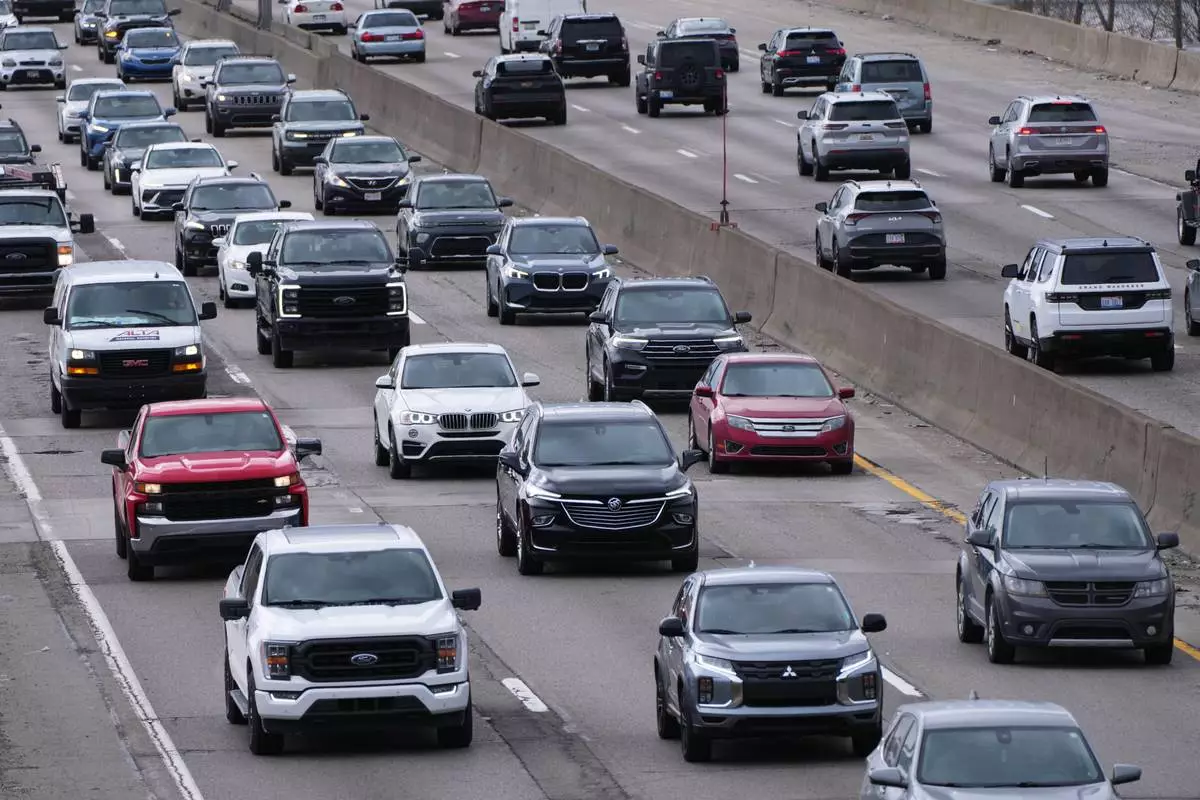
FILE - Traffic moves on Interstate 94 in Detroit, March 17, 2026. (AP Photo/Paul Sancya, File)
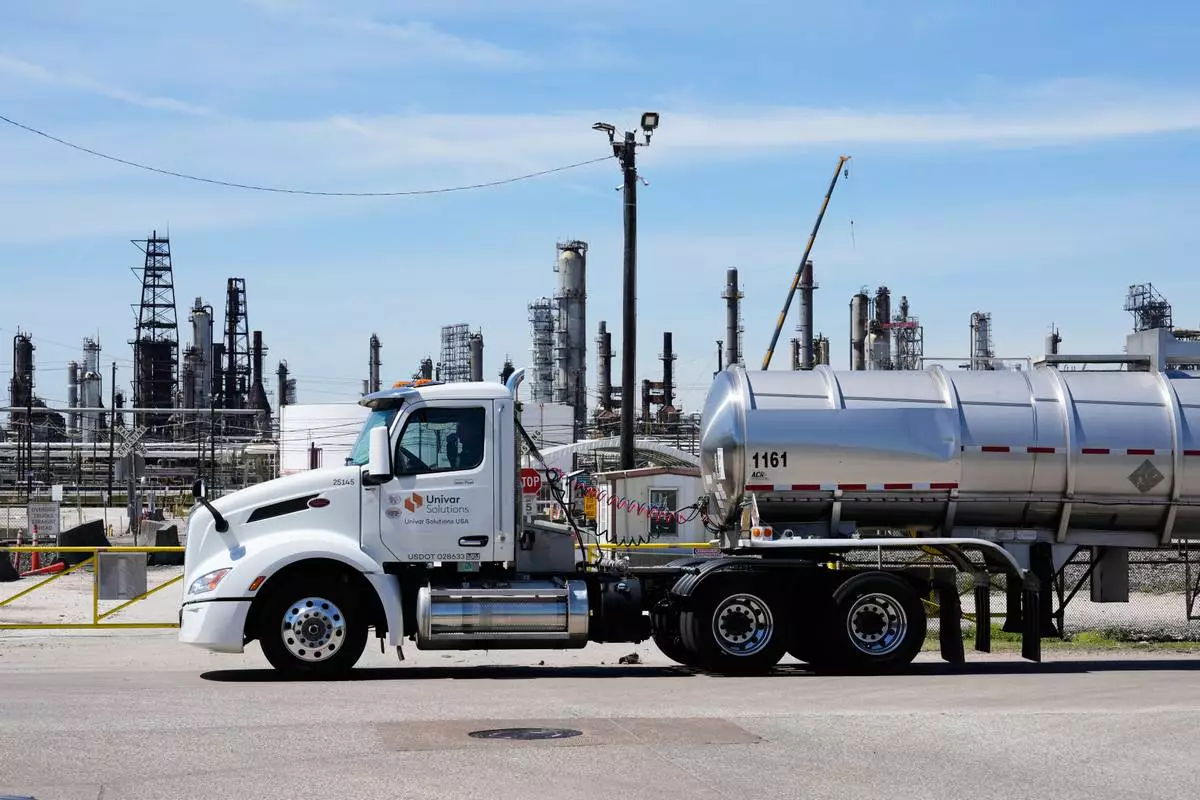
FILE - A truck passes LyondellBasell Houston Refinery on March 17, 2026, in Houston. (AP Photo/Ashley Landis, File)
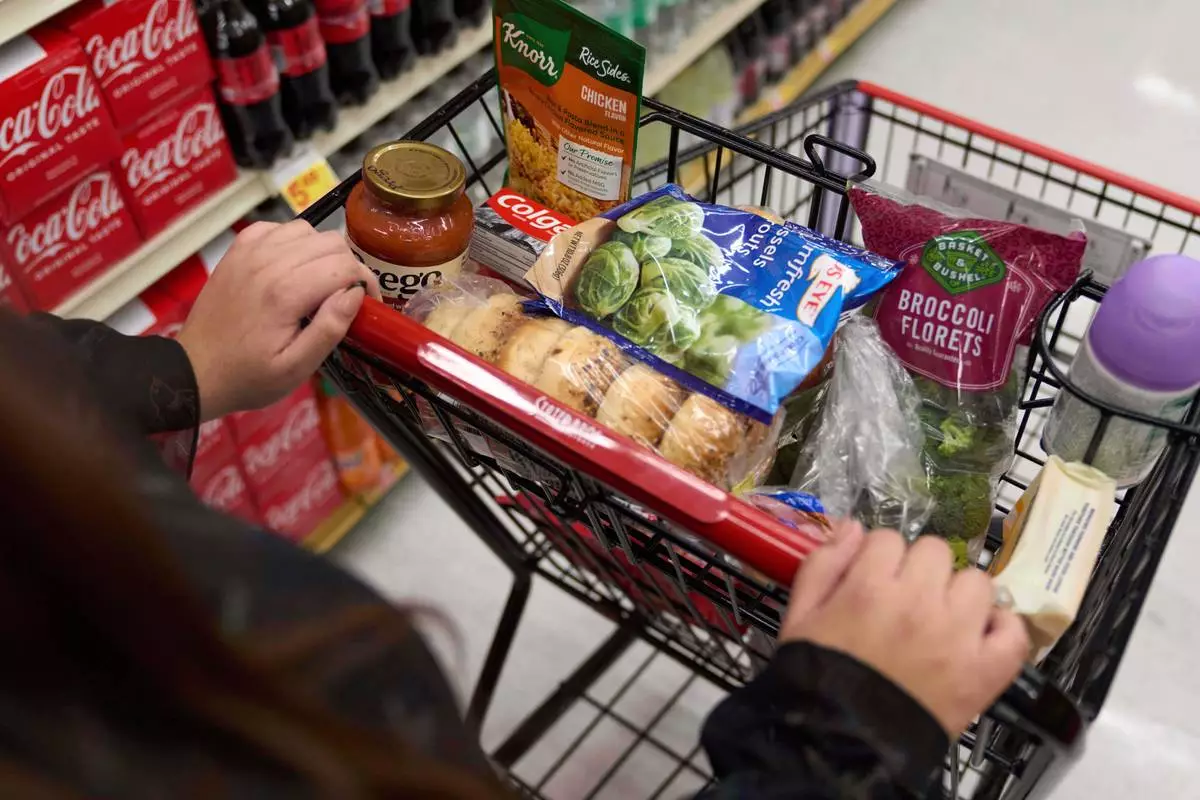
FILE - A California's SNAP benefits shopper pushes a cart through a supermarket in Bellflower, Calif., Feb. 13, 2023. (AP Photo/Allison Dinner, File)
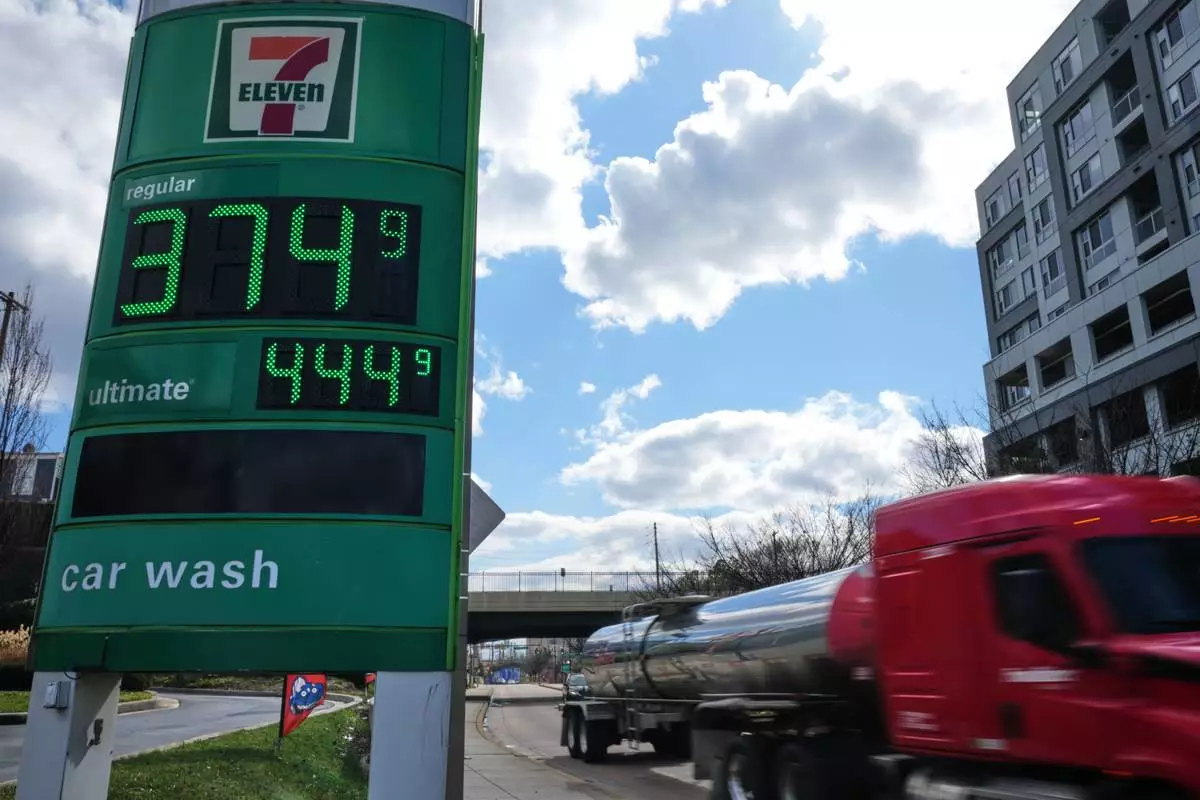
FILE - Fuel prices are displayed on a sign at a gas station as a fuel truck drives by, March 17, 2026, in Baltimore. (AP Photo/Stephanie Scarbrough, File)
NEW YORK (AP) — U.S. stocks are drifting lower Wednesday after another rise in oil prices raised worries about inflation, which may have been primed to worsen even before the war with Iran began.
The S&P 500 slipped 0.2% and was on track for its first loss this week. The Dow Jones Industrial Average was down 179 points, or 0.4%, as of 10 a.m. Eastern time, and the Nasdaq composite was 0.2% lower.
Stocks fell under the pressure of a 2.6% climb for the price of a barrel of benchmark U.S. crude to $98.00. Brent crude, the international standard, rose 5.4% to $108.99 per barrel.
Oil and natural gas prices have been spiking since the war began because of disruptions to the production and transportation of energy in the Persian Gulf. Iran’s state television said Wednesday that the Islamic Republic would be attacking oil and gas infrastructure in Qatar, Saudi Arabia and the United Arab Emirates after an attack on facilities associated with its offshore South Pars natural gas field.
If the disruptions keep oil and gas prices high for long, they could send a debilitating wave of inflation crashing into the global economy.
A report released Wednesday morning showed that inflation pressures were already worsening before the war began. It said inflation at the U.S. wholesale level unexpectedly accelerated last month to 3.4%, and those cost increases could hit U.S. households if producers pass them all along.
Such numbers strengthened Wall Street’s virtual consensus that the Federal Reserve will announce that it’s keeping interest rates steady this afternoon following its latest meeting, instead of resuming its cuts.
Cuts would give the job market and investment prices a boost, and President Donald Trump has been angrily calling for them. But lower interest rates would also worsen inflation.
More important for Wall Street is whether Fed officials will say they still think one cut to rates may be possible over the course of 2026. That’s what the median member said in December, the last time Fed officials published such expectations.
The Iran war has made it difficult for anyone to make economic forecasts. Gasoline prices are soaring and will push up inflation for at least the next month or two. The average price for a gallon of gasoline spiked again overnight, reaching $3.84. It was well under $3 last month.
Global oil flows remain largely constrained, ING Bank analysts Warren Patterson and Ewa Manthey wrote in a research note on Wednesday, even as hopes were growing that Iran might be allowing more vessels through the Strait of Hormuz, a key waterway for global oil and gas transport.
Roughly a fifth of the world’s crude oil passes through the strait, which has been largely closed as Iran blocks ships linked to the U.S., Israel and their allies.
On Wall Street, mixed profit reports helped keep the market in check.
Macy’s jumped 8.2% after reporting stronger profit and revenue for the latest quarter than analysts expected. The retailer behind Bloomingdale’s and Bluemercury is in the midst of a turnaround plan to drive growth under CEO Tony Spring.
But General Mills slipped 1% after the company behind the Pillsbury, Progresso and Wheaties brands reported a weaker profit for the latest quarter than analysts expected. CEO Jeff Harmening is investing in its brands in hopes of driving growth, and it’s sticking with its forecast for profit over the full fiscal year.
In the bond market, Treasury yields ticked higher following the higher-than-expected update on inflation at the wholesale level. The yield on the 10-year Treasury rose to 4.22% from 4.20% late Tuesday and from just 3.97% before the war with Iran started.
In stock markets abroad, indexes were mixed in Europe following a stronger finish in Asia. They reacted to the rise in the price of crude, which accelerated as trading headed westward around the world.
Tokyo’s Nikkei 225 rallied 2.9% after the government reported exports in February were higher than expected. South Korea’s Kospi leaped 5%.
AP Business Writers Chan Ho-him and Matt Ott contributed.

Traders work on the floor at the New York Stock Exchange in New York, Tuesday, March 10, 2026. (AP Photo/Seth Wenig)
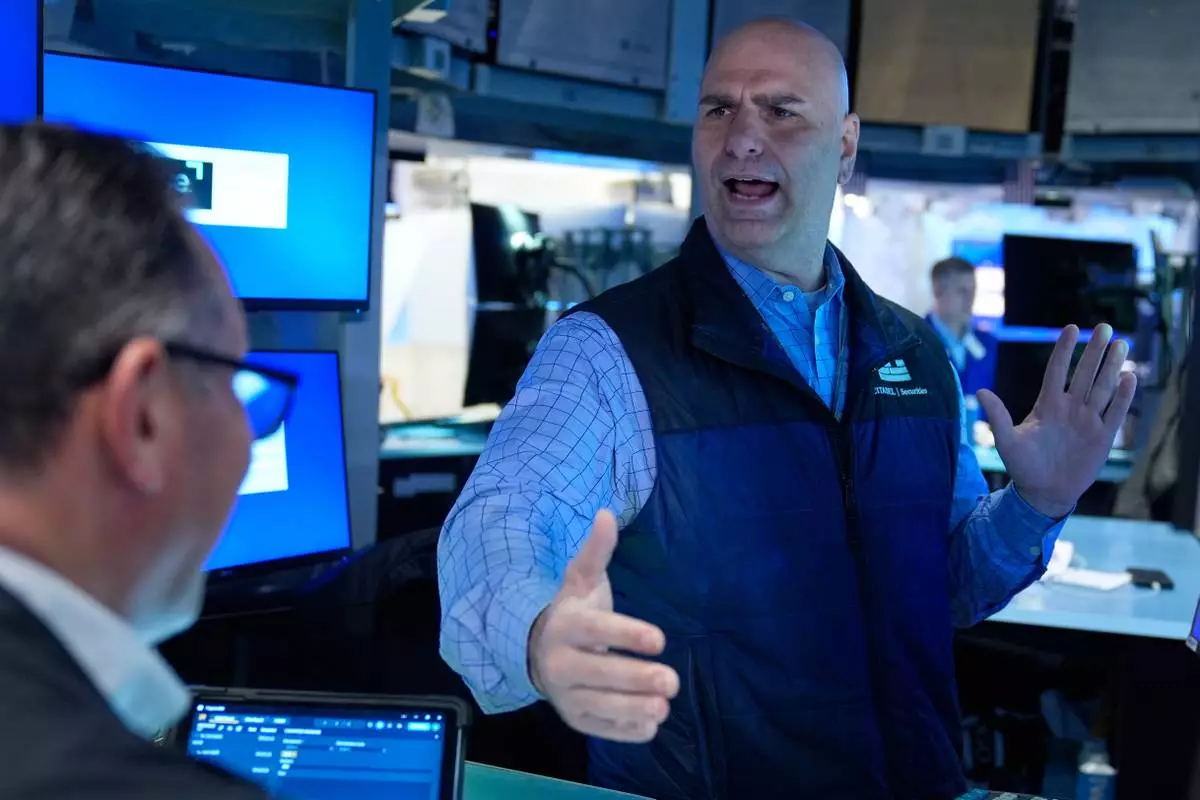
Philip Finale works on the floor at the New York Stock Exchange in New York, Tuesday, March 10, 2026. (AP Photo/Seth Wenig)
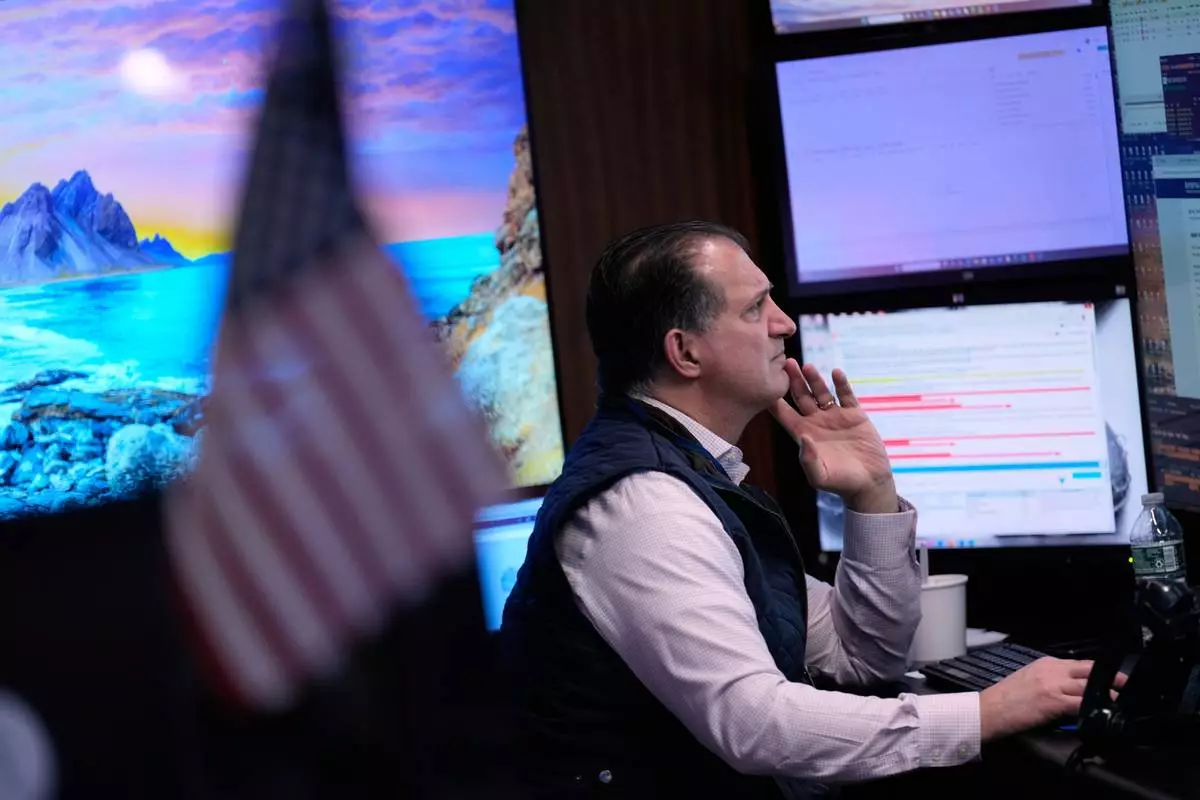
Traders work on the floor at the New York Stock Exchange in New York, Tuesday, March 10, 2026. (AP Photo/Seth Wenig)
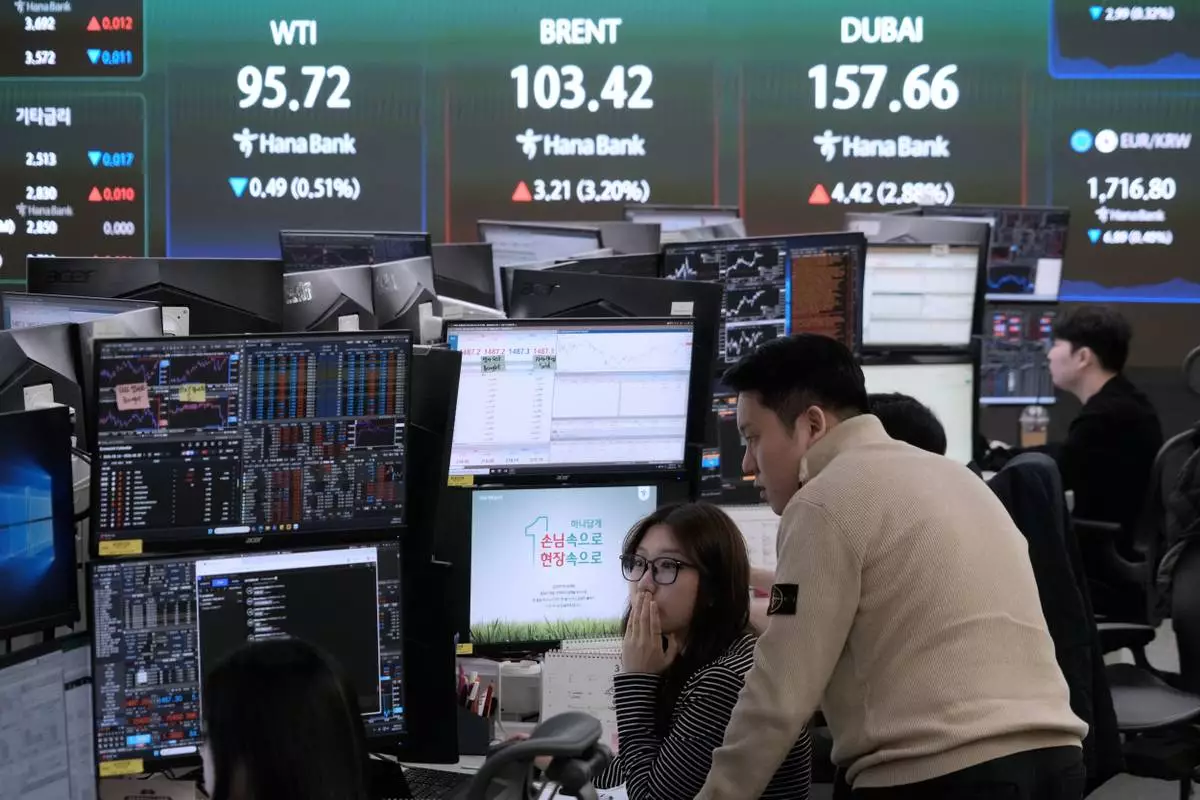
Currency traders watch monitors near a screen showing international oil prices at the foreign exchange dealing room of the Hana Bank headquarters in Seoul, South Korea, Wednesday, March 18, 2026. (AP Photo/Ahn Young-joon)
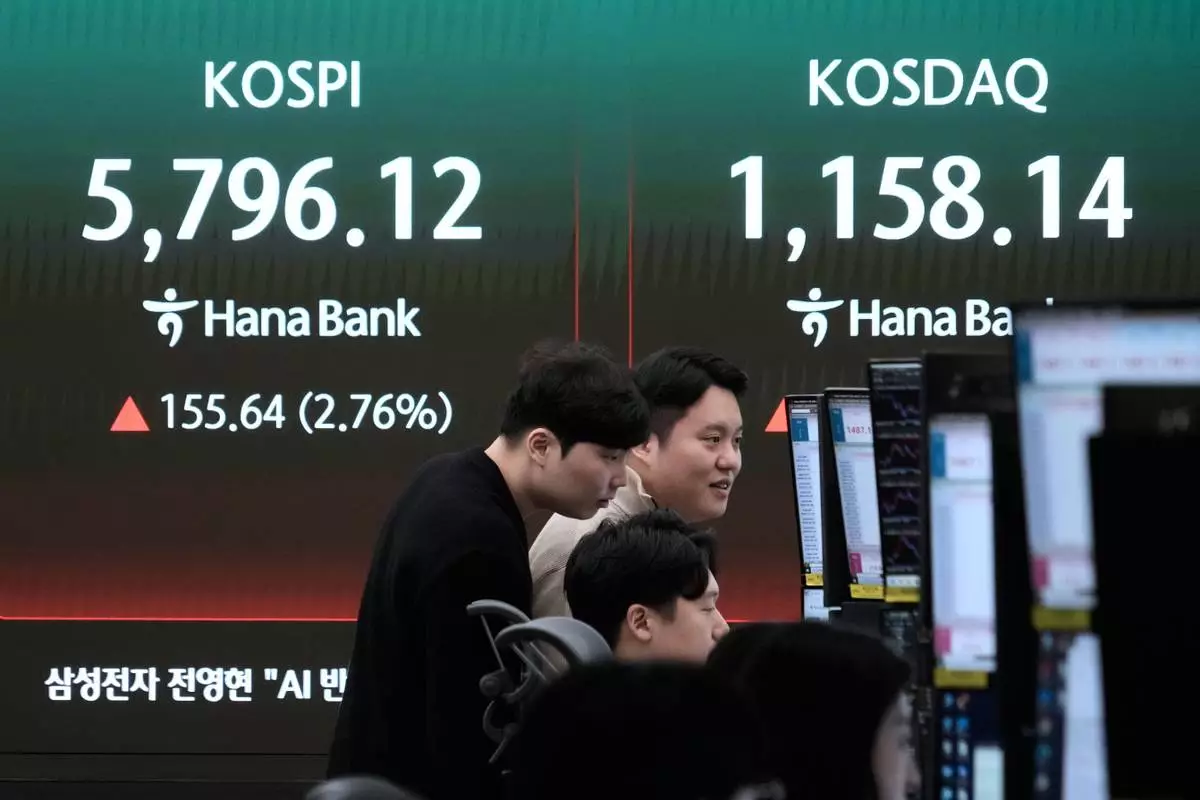
Currency traders watch monitors near a screen showing the Korea Composite Stock Price Index (KOSPI), left, at the foreign exchange dealing room of the Hana Bank headquarters in Seoul, South Korea, Wednesday, March 18, 2026. (AP Photo/Ahn Young-joon)
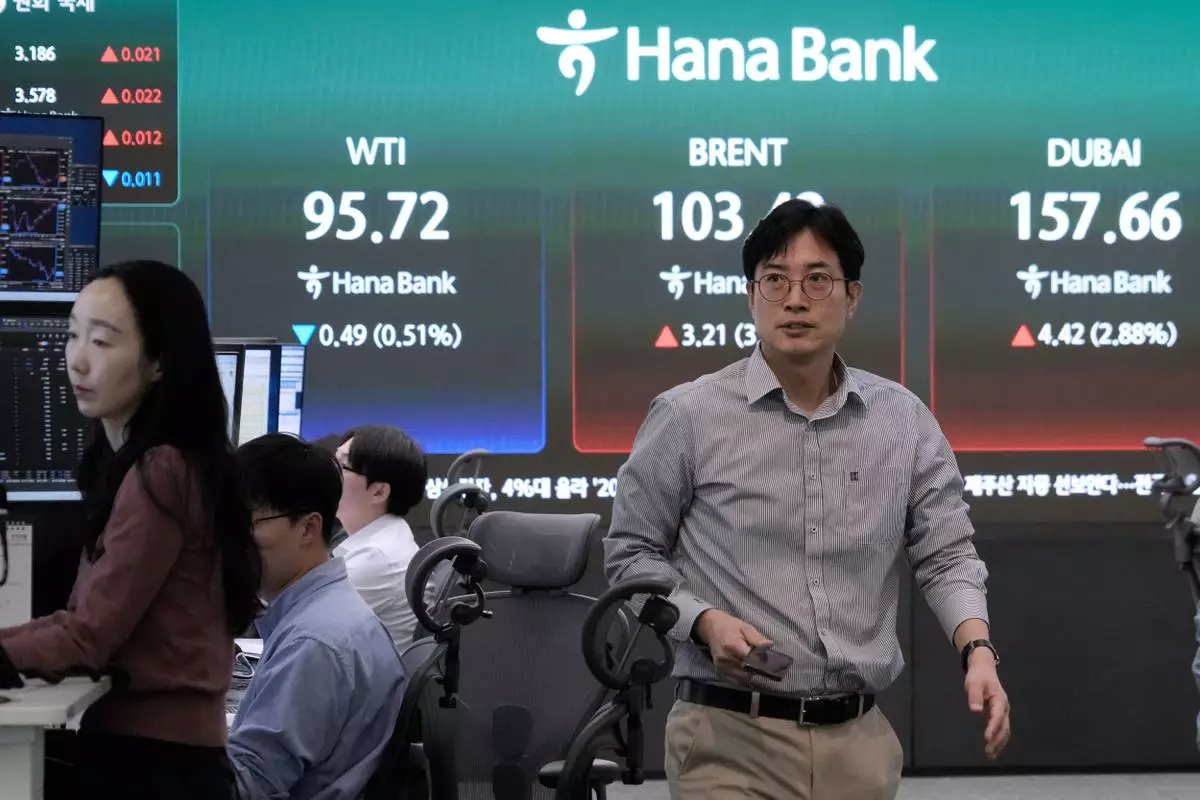
A currency trader passes by a screen showing international oil prices at the foreign exchange dealing room of the Hana Bank headquarters in Seoul, South Korea, Wednesday, March 18, 2026. (AP Photo/Ahn Young-joon)
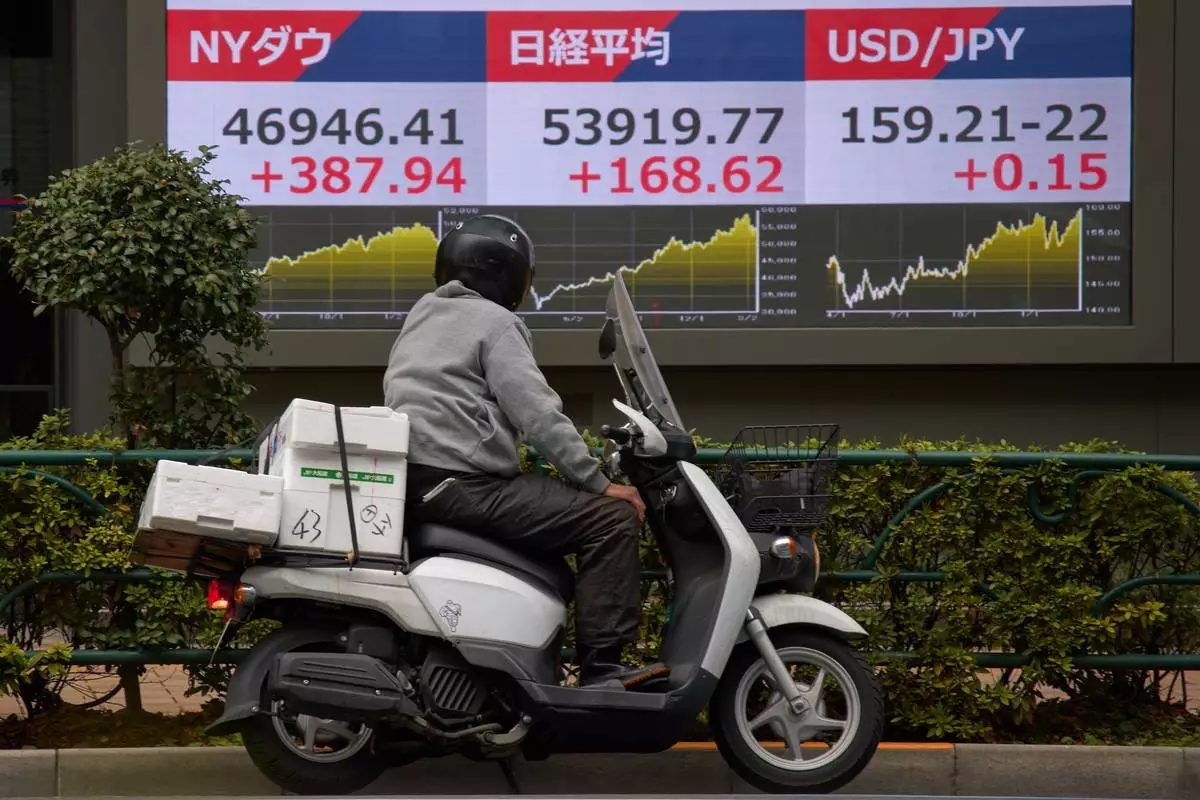
A person looks at a stock price monitor showing New York Dow and Nikkei indexes also US dollar Japanese yen exchange rate at a security company Tuesday, March 17, 2026, in Tokyo. (AP Photo/Eugene Hoshiko)
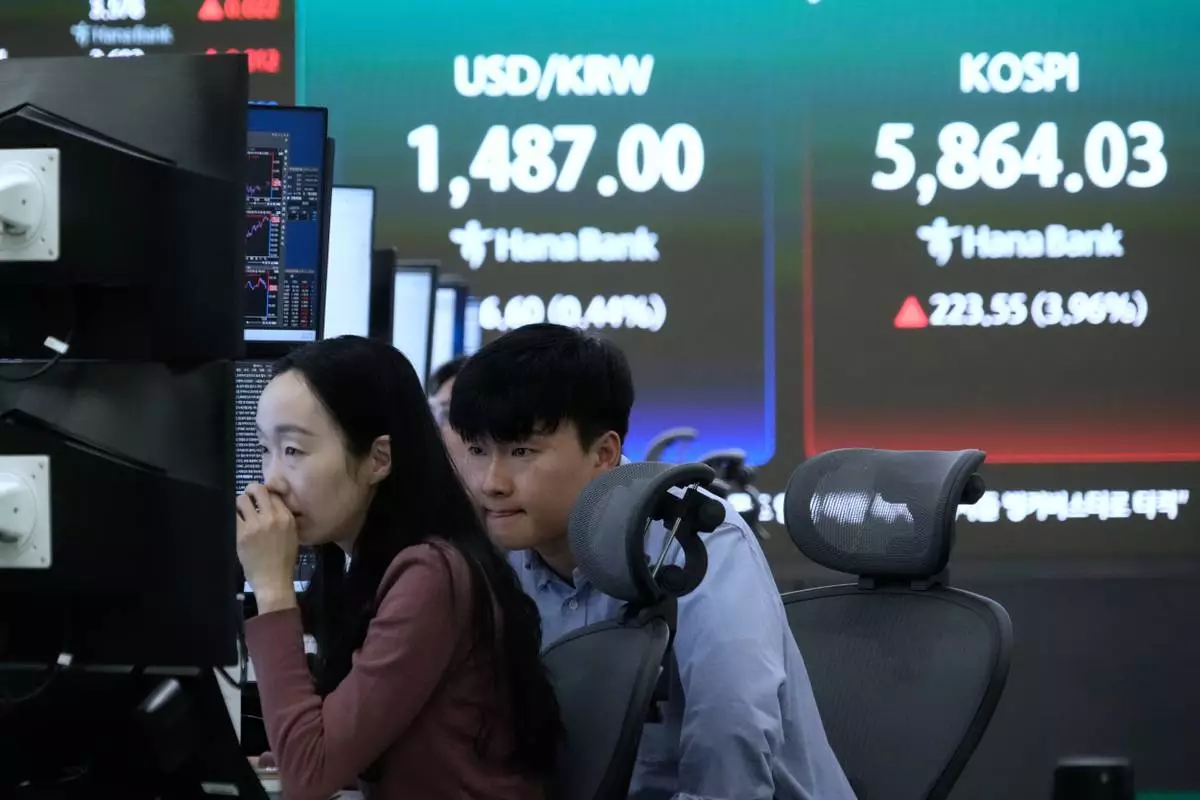
Currency traders watch monitors near a screen showing the Korea Composite Stock Price Index (KOSPI), top right, at the foreign exchange dealing room of the Hana Bank headquarters in Seoul, South Korea, Wednesday, March 18, 2026. (AP Photo/Ahn Young-joon)