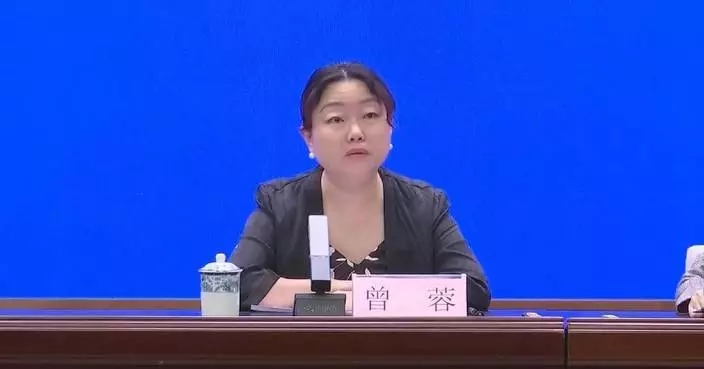
Chinese Vice Premier Ding Xuexiang met with Khaldoon Khalifa Al Mubarak, special envoy of the president of the United Arab Emirates (UAE) to China, in Beijing on Wednesday, to discuss relations between their two countries.
Ding, also a member of the Standing Committee of the Political Bureau of the Communist Party of China Central Committee, said that under the strategic guidance of the heads of state of the two countries, political mutual trust between China and the UAE has been continuously consolidated, and practical cooperation in various fields has yielded fruitful results.
China has always approached China-UAE relations from a strategic height, Ding said, adding that China stands ready to work with the UAE to implement the important consensus reached by the heads of state of the two countries, deepen high-level exchanges, strengthen cooperation in energy, investment, trade and other fields, promote the bilateral comprehensive strategic partnership to a higher level, and continuously enhance the well-being of the two peoples.
China is willing to make active efforts to restore peace and tranquility in the Gulf region as soon as possible, Ding added.
Speaking on the same occasion, Khaldoon Khalifa Al Mubarak said that the UAE side is willing to develop bilateral relations with China unswervingly, continuously expand cooperation in various fields, and looks forward to China playing a greater role in promoting regional peace.
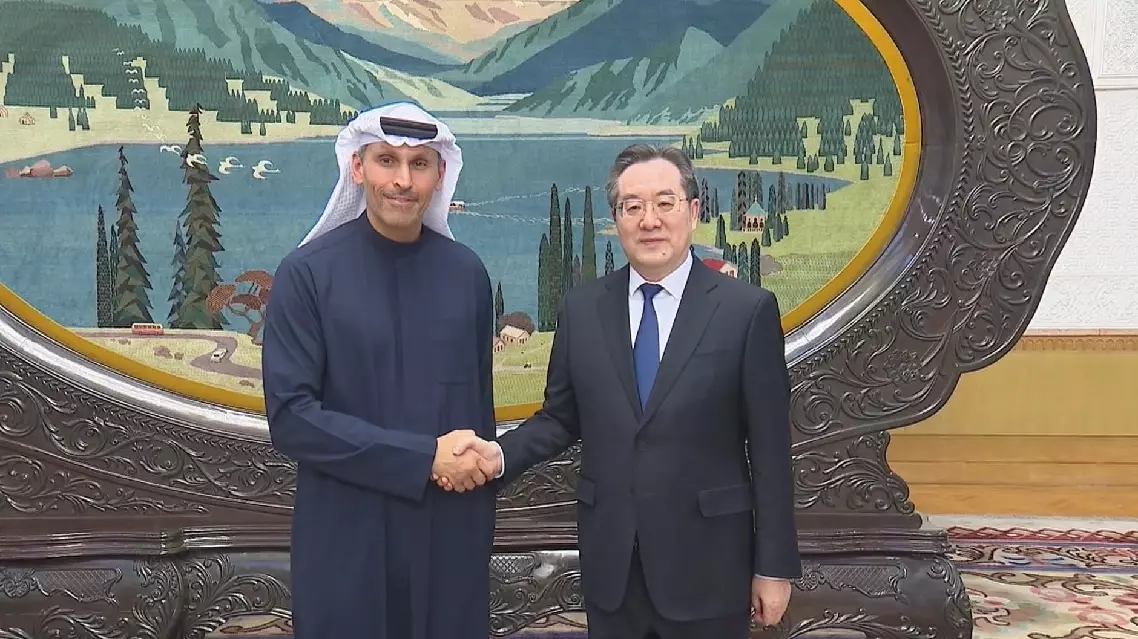
Chinese vice premier meets UAE president's special envoy on relations
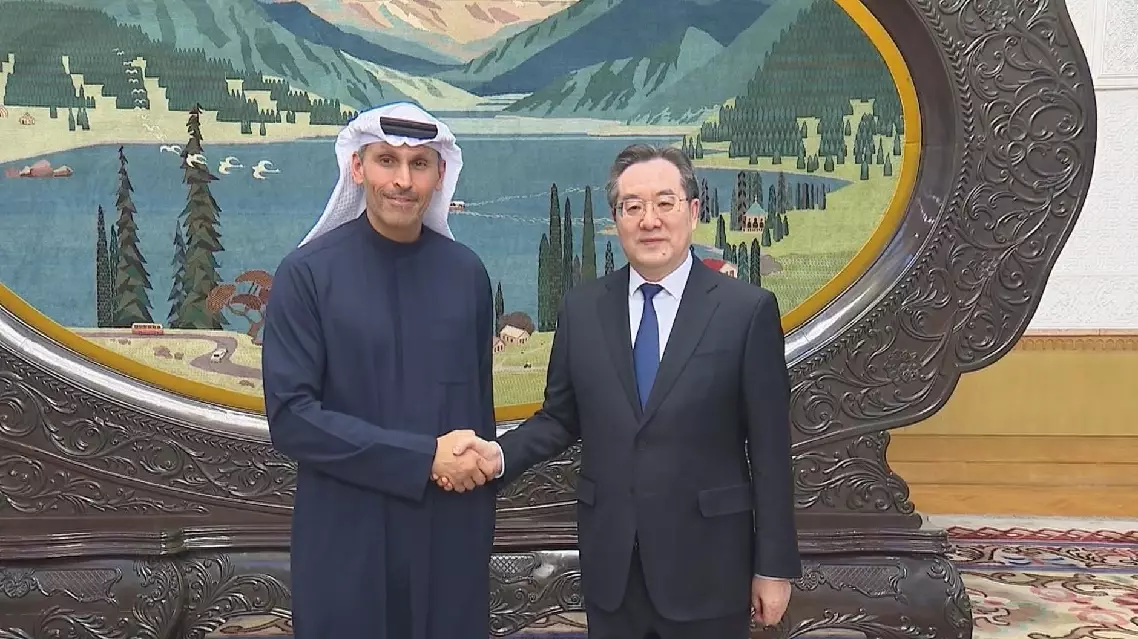
Chinese vice premier meets UAE president's special envoy on relations
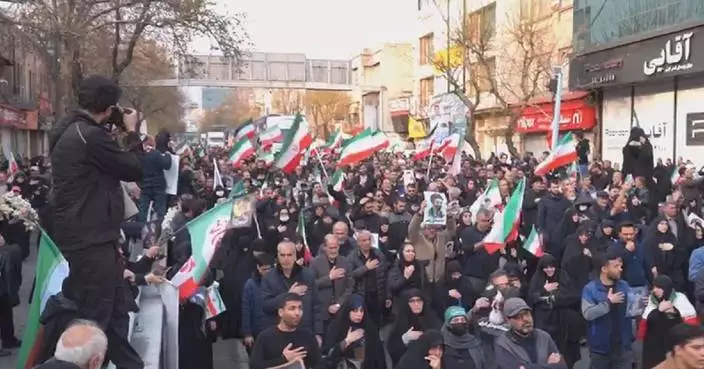
Iranians attending a funeral in Tehran on Wednesday for senior military commanders and servicemen voiced deep distrust toward the United States, accusing Washington of repeatedly deceiving Iran in past negotiations.
They stressed that any future ceasefire must be contingent on guarantees that the United States and Israel will not launch further attacks against Iran.
The ceremony honored Ali Larijani, secretary of Iran’s Supreme National Security Council, Gholamreza Soleimani, commander of the Basij volunteer force, and crew members of the Iranian warship IRIS Dena, which was sunk by a U.S. submarine.
"A ceasefire is meaningless if, two months later, the U.S. and Israel regroup their forces to attack and destroy Iran's political, military, and economic infrastructure. What would such a ceasefire signify? We have already lost many senior commanders and nuclear scientists. The same thing and the same deception will happen again in a few months," said Mohammad, a Tehran resident.
Another mourner, Babak, emphasized Iran’s right to self-defense.
"When foreign forces invade, we are defending our legitimate rights. As you can see, so many of our compatriots have sacrificed their lives even when the Iranian naval ships did not fire a single missile. The U.S. claims to be Iran’s 'savior.' How is that possible?" he said.
Mahdi, another local, called for a firm national stance.
"We must steer the situation toward securing our series of demands. Iran's reasonable demand is ensuring that no further aggression against Iran occurs, as the U.S. and Israel have consistently shown hostility toward Iran," he said
On Feb 28, Israel and the United States launched joint attacks on Tehran and several other Iranian cities, killing Iran's Supreme Leader Ali Khamenei, along with senior military commanders and civilians. Iran responded by launching waves of missile and drone strikes targeting Israel and U.S. bases and assets in the Middle East.
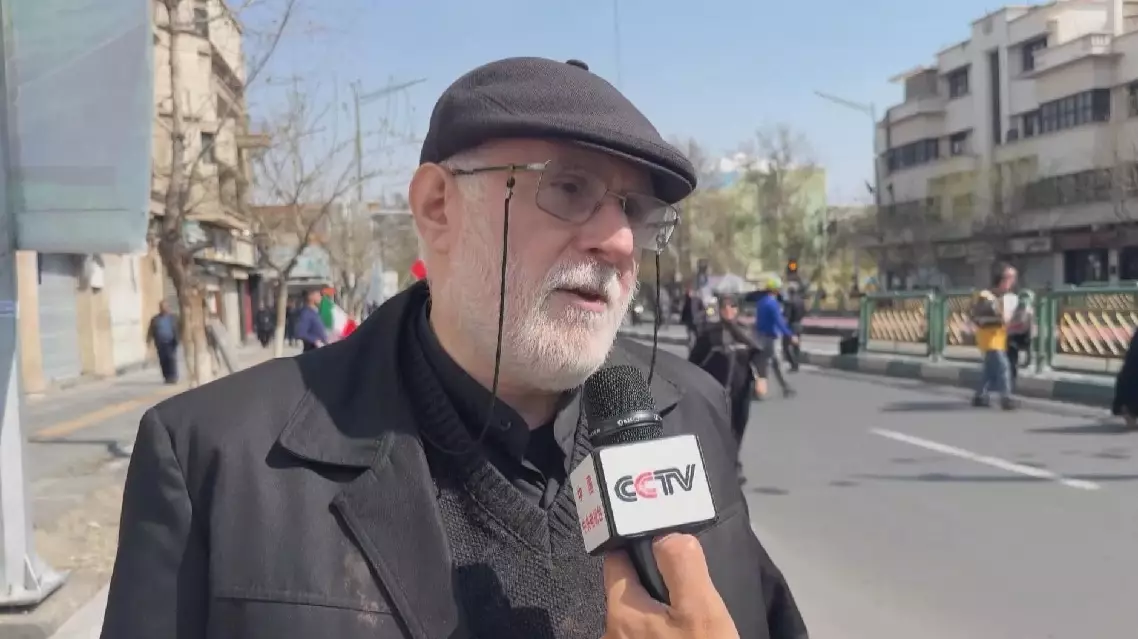
Iranians say no ceasefire without end to US, Israel aggression