NEW YORK (AP) — The WNBA and its players union have reached the next step in their new collective bargaining agreement, signing a term sheet.
Now they wait for ratification by the players and approval from the league's Board of Governors as lawyers from both sides continue to write the new CBA.
The new seven-year CBA, which will begin this season and run through 2032, represents a transformational landmark labor deal for the league.
“This Collective Bargaining Agreement represents a defining moment in the WNBA’s 30-year history and all of women’s professional sports,” said WNBA Commissioner Cathy Engelbert. “Since its inception, the WNBA has been shaped by extraordinary athletes who believed in the league’s future. The agreement is a testament to that belief and to the tremendous progress we have achieved together.”
It will only take a simple majority of the players to approve the new CBA. That vote, and the WNBA’s Board of Governors vote, are expected to be done soon. The union has been holding information sessions with the players over the last day or so. They had a number of sessions to accommodate players competing overseas.
Here are a few key points from the CBA.
The salary cap for the 2026 season is expected to be $7 million with average salaries of more than $585,000. Top players can make over $1 million for the first time in the league’s history with a supermax salary close to $1.4 million. The cap could grow up to $11 million in 2032 if revenue projections go well. That would project a max salary at $2.4 million.
The salary cap can change a maximum of 10% in either direction each year with the exception of after the first season when it could up or down 13%, according to a person familiar with the deal. The person spoke on condition of anonymity to The Associated Press because of the sensitive nature of the negotiations.
The minimum salary for this year would be $270,000 to $300,000 and rise to $380,000 by 2032. The average salary would be around $583,000 before revenue sharing in 2026 and could rise to more than $1 million at the end of the deal.
Teams will continue to pay for housing for the first three years of the deal. In 2029 and 2030, teams will pay for housing for players earning $500,000 or less. After that, teams will only pay for the housing of developmental players.
The No. 1 pick in the draft next month will earn $500,000. All existing rookie-scale contracts will also be adjusted to delivery meaningful pay increases to them. Rookie contracts will remain for four years. Players on rookie deals who earn All-WNBA honors can get the maximum salary in the fourth year of their contract if they sign a three-year extension with their team. So far Caitlin Clark would be eligible for that in 2027, Paige Bueckers in 2028 and Aliyah Boston this season.
There are significant increases in bonuses offered to players for awards as well as postseason success. Players on the WNBA championship team each will receive $60,000 — nearly triple what they earned last year. The MVP of the league will make a $60,000 bonus — up from $15,000. All-WNBA honors also will triple from last season with first-team players making $30,000. Those will grow starting in 2027 at the rate of the growth of the salary cap.
The league codified charter travel that will cost over $300 million over the life of the deal. There will be expanded first-class travel accommodations for players across league events. The WNBA will increase life insurance benefits to more than $700,000 per player and increase team contributions to 401K retirement accounts. The WNBA also will have a one-time payment to retired players and veterans that would be $100,000 for those who have played 12 years or more.
Teams will be required to carry 12 players on their roster and now have two developmental players. Those players don't count against the salary cap. Starting in 2027, players with seven ore more years of service can't be designated with a franchise tag. There's a salary cap exception for pregnancy and child birth. A team now must obtain a player's consent before trading a pregnant player.
The league will expand to 50 games in 2027 and 2028 and up to 52 in 2029-32. The league will play 44 games again this season that starts May 8.
AP WNBA: https://apnews.com/hub/wnba-basketball
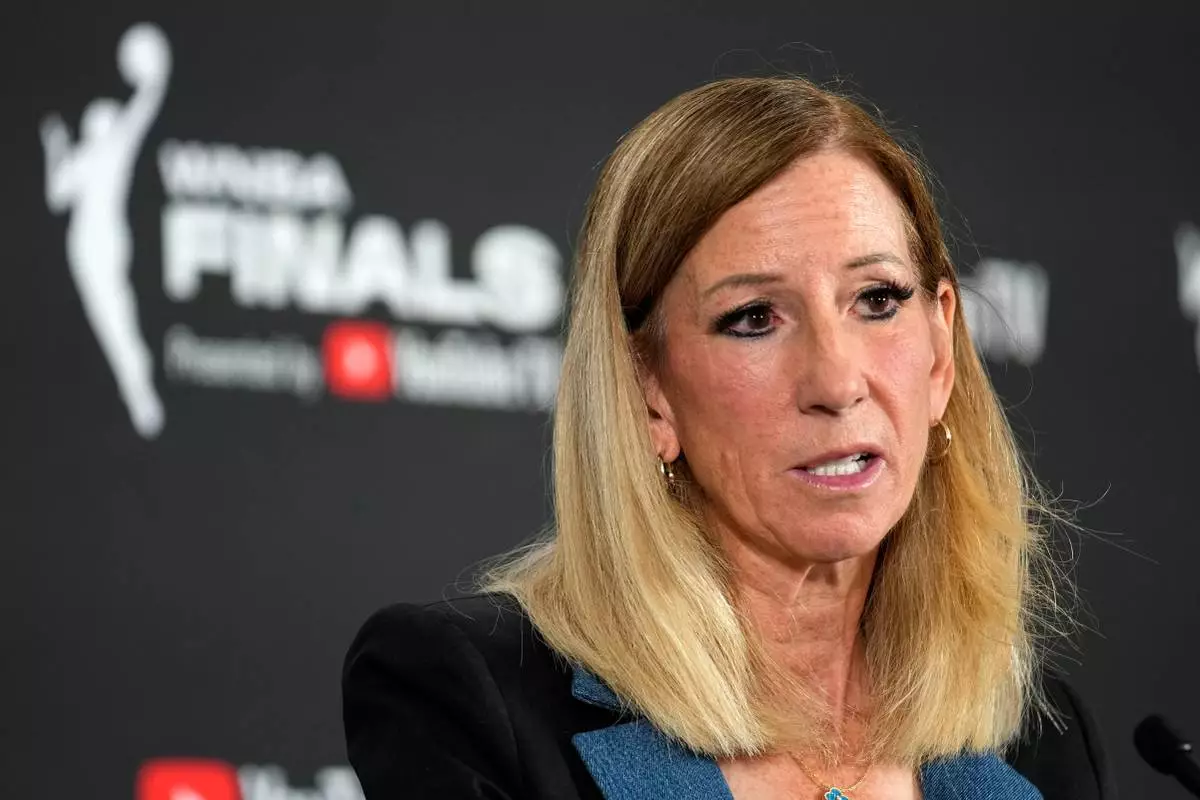
FILE -WNBA commissioner Cathy Engelbert speaks prior to Game 1 of a WNBA basketball final playoff series between the Las Vegas Aces and the Phoenix Mercury, Oct. 3, 2025, in Las Vegas. (AP Photo/John Locher), File)
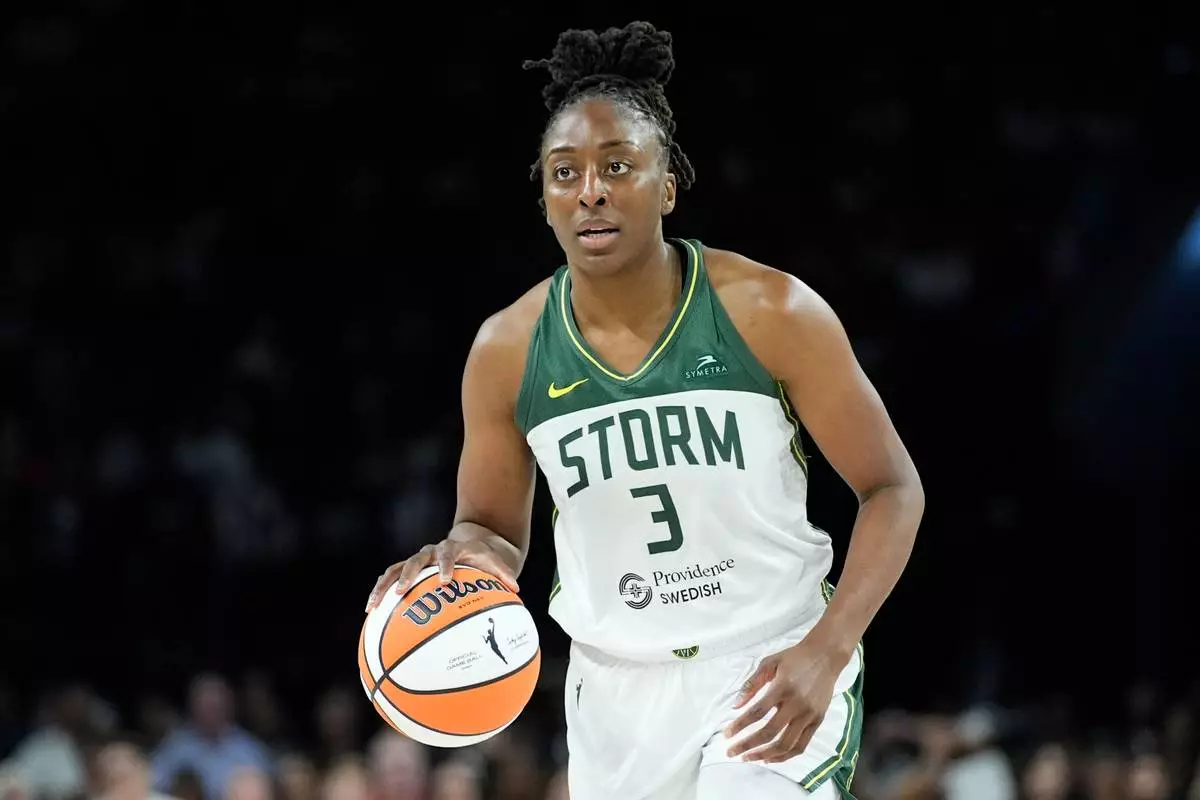
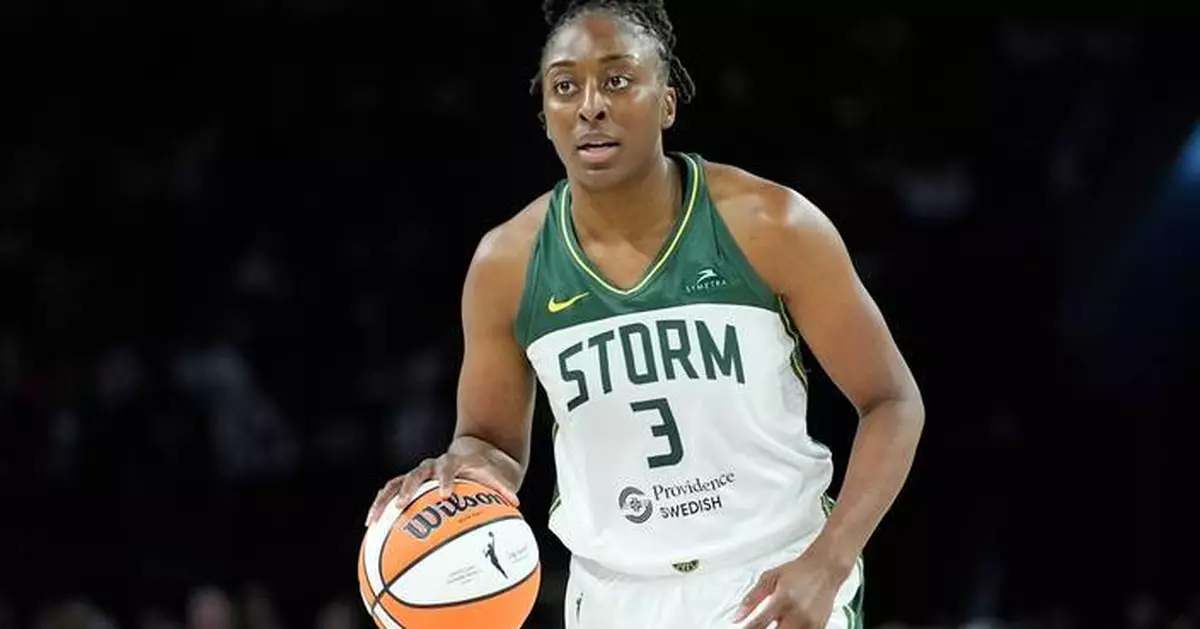
FILE - Seattle Storm forward Nneka Ogwumike (3) plays against the Las Vegas Aces in Game 2 of a WNBA basketball first-round playoff game Sept. 24, 2024, in Las Vegas. (AP Photo/John Locher, File)
WASHINGTON (AP) — One Immigration and Customs Enforcement officer has been referred for discipline over a use-of-force incident since the beginning of the Trump administration, said Democratic members of the House Homeland Security Committee after a briefing with ICE officials Wednesday about body cameras, vehicle stops and training.
The closed-door briefing for committee members comes in the wake of two shootings in which ICE officers shot and killed two immigrants that they were trying to arrest, raising concerns over the agency's tactics at a time that it is ratcheting up its arrests.
The shootings in Maine and Houston over the span of a week have led to fierce criticism that there's not enough oversight of the agency key to President Donald Trump's mass deportation agenda. At least 10 people have died in encounters with immigration agents since Trump launched the crackdown after retaking office, and in the Maine shooting, family members of the ICE officer who opened fire say he had a history of violent behavior and never should have been given a badge and gun.
Rep. Seth Magaziner, a Democrat from Rhode Island, said they were told during the briefing that there have been 56 complaints of excessive force against ICE officers; 32 were cleared, and one was referred for disciplinary action. Magaziner said they were told no discipline had yet been handed out. The rest of the incidents are still under investigation, he said.
“It just defies belief that an agency of 20,000-plus officers with all of the chaos that we’ve seen over the last year and a half through the surges and civilians being injured and killed, that no one would be found to have violated use of force with the exception of possibly one person,” Magaziner said.
Homeland Security said in a statement Wednesday that ICE officers who violate the agency's policies are held accountable, their officers are trained in de-escalation tactics and take an annual refresher course on use of force policies. The agency also defended its officers, saying they are operating in an environment where they are constantly being attacked.
“When faced with dangerous circumstances, DHS law enforcement professionals have used their training to protect themselves, their fellow officers, and the public,” the agency said.
The use-of -force numbers mark an increase since February, when then-acting director Todd Lyons said during Senate testimony that ICE had opened 37 investigations for excessive force; 18 of those were closed, 19 were still pending, and one was referred for “further action,” Lyons said.
The ranking Democrat on the committee, Rep. Bennie Thompson of Mississippi, said the ICE officials could not discuss the shootings in Maine or Houston, as those are both open investigations. Thompson, who said he came away with more questions than answers from the briefing, said he wanted to know who investigates use of force incidents: “Sometimes they said the FBI, sometimes they said HSI. Sometimes they said another entity.”
The officials said they were going to retrain officers who had gone through a shorter curriculum that was in place last fall, Thompson said. In June, Homeland Security Secretary Markwayne Mullin said the agency would be increasing the amount of training for new officers starting this month.
Thompson said he pressed for answers about how many officers had been brought back for retraining and how they're being retrained but couldn't get any clarity.
Thompson said he and the committee chair, Rep. Andrew Garbarino, R-N.Y., will follow up with ICE with a list of questions.
Garbarino said he appreciated ICE briefing the members.
“Today was an important opportunity for Members to receive timely answers on the status of body camera deployment for law enforcement in the field, training and vetting standards and requirements, and current guidance on the use of vehicle stops as part of immigration enforcement,” Garbarino said in a statement.
When it comes to vehicle stops, Magaziner said they were told that current guidance to ICE officers is to only do them when there’s no other alternative, and they’re supposed to use lights and sirens. But, Magaziner said, that guidance has only been passed along verbally to the staff as opposed to a written directive.
Both the shootings in Maine and Houston involved shootings of immigrants who were in moving vehicles, raising questions about ICE’s training and policies surrounding how it tries to apprehend people when they’re driving.
After the Maine killing, Trump administration officials told ICE officers to suspend most vehicle stops. But the next day, Trump announced on social media that he wanted ICE to keep doing them.
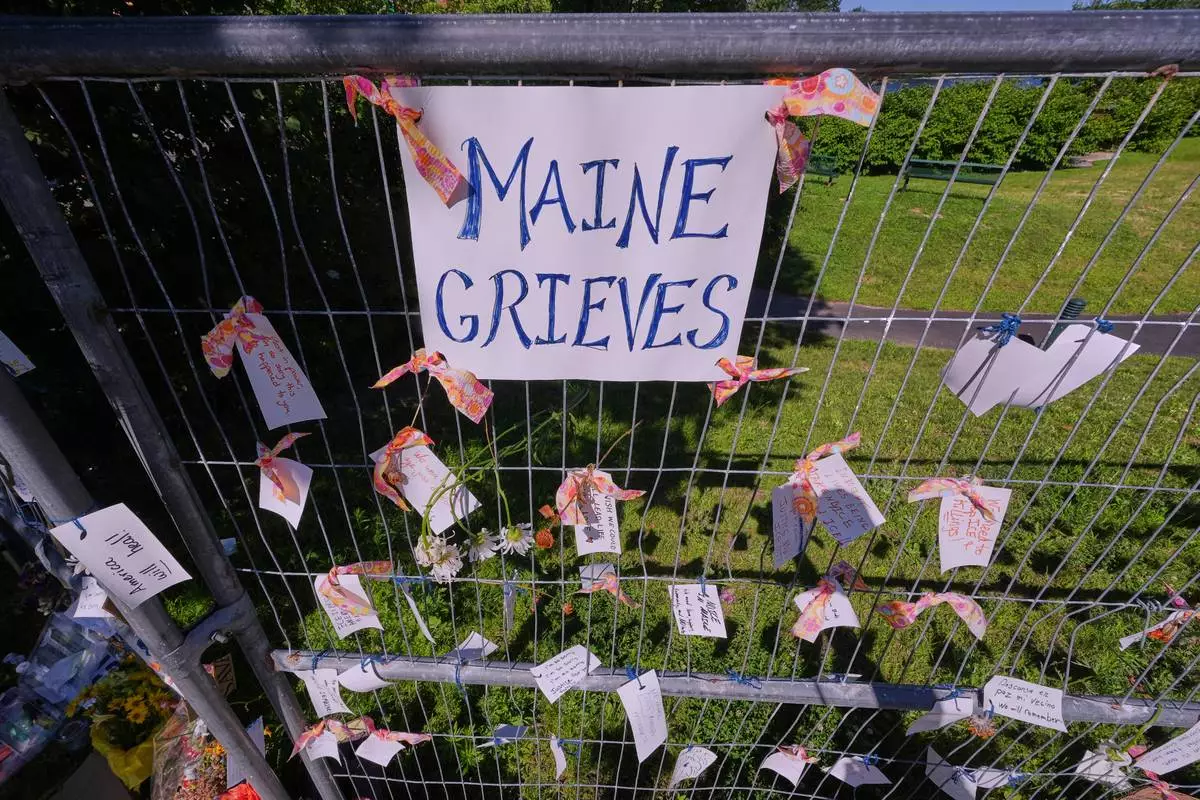
Notes of community support and sorrow are hung from a fence during a vigil for Johan Sebastian Duran Guerrero, a Colombian national who was shot and killed by an ICE agent, Friday, July 17, 2026, in Biddeford, Maine. (AP Photo/Charles Krupa)
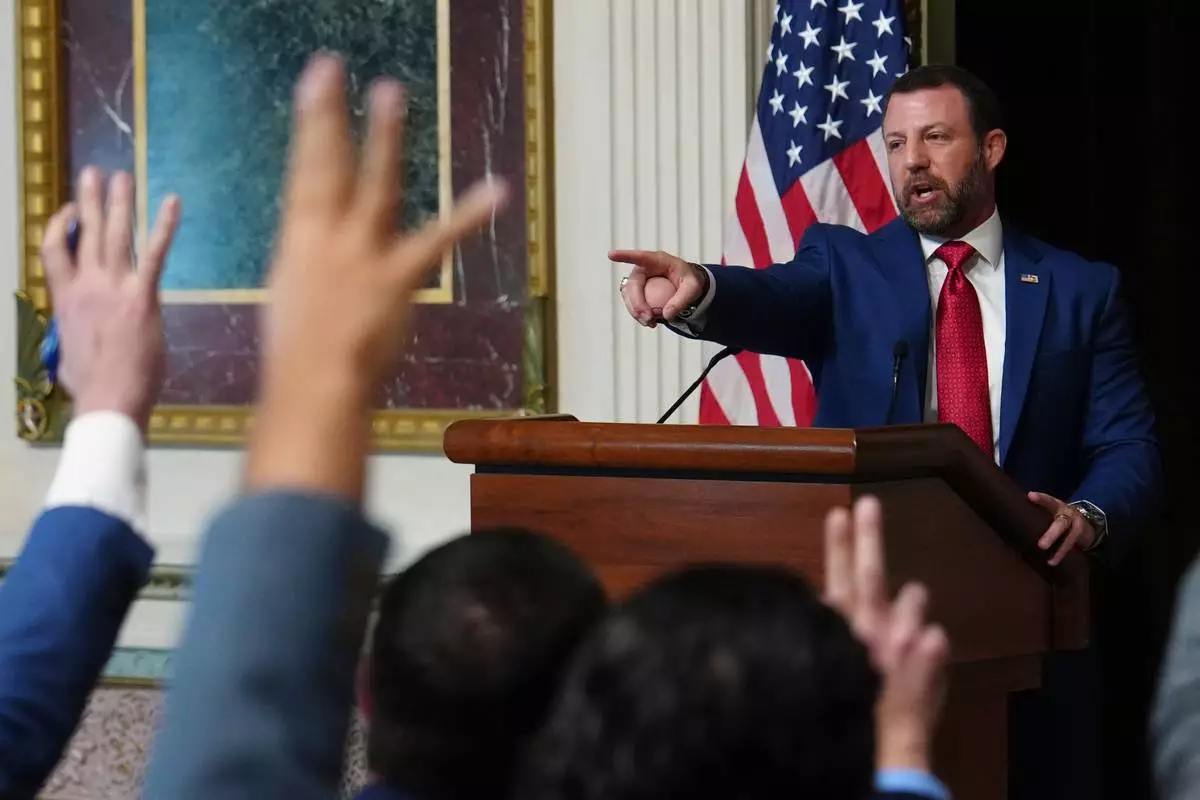
Reporters raise their hands as Homeland Security Secretary Markwayne Mullin speaks in the Indian Treaty Room at the Eisenhower Executive Office Building on the White House campus, Friday, July 17, 2026, in Washington. (AP Photo/Julia Demaree Nikhinson)