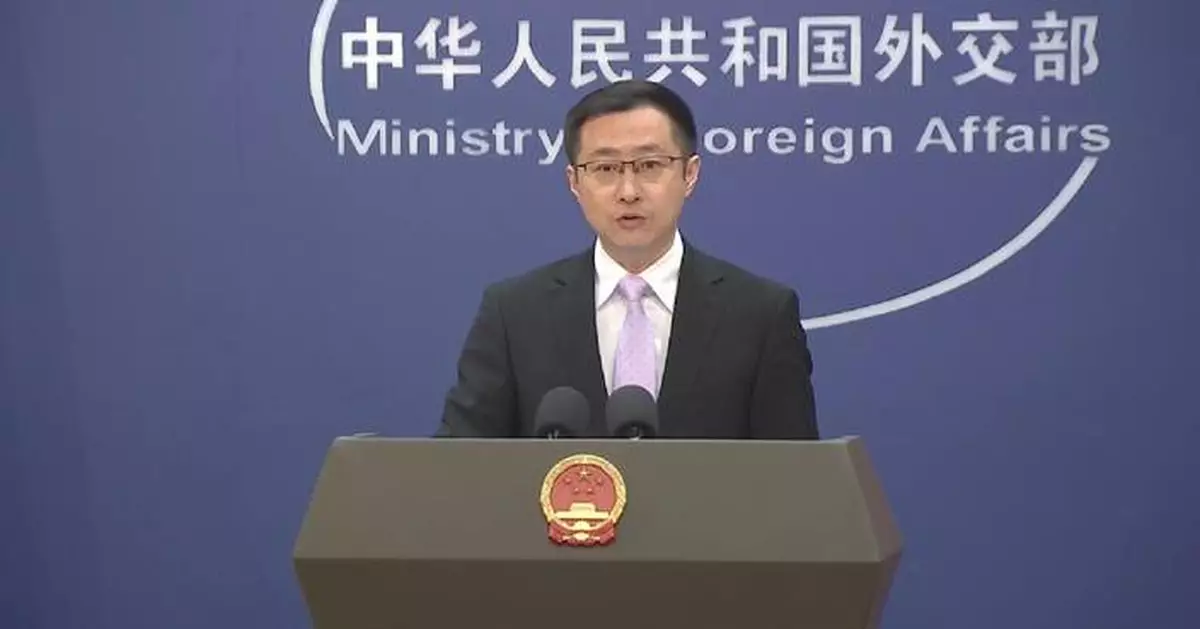
Relevant parties should immediately cease fire and stop the hostility, and return to peaceful dialogue as soon as possible, Foreign Ministry spokesman Lin Jian said at a press briefing in Beijing on Tuesday when responding to a media query on the U.S. claim to postpone planned strikes against Iran's power plants for negotiations.
"Prolonging the fighting serves no party's interests. And ceasefire and dialog are the only viable way out. China is deeply concerned about the continued escalation and spillover of the current situation, which is impacting regional and international peace and stability. We urge relevant parties to immediately cease fire and return to the track of peaceful dialogue as soon as possible," he said.
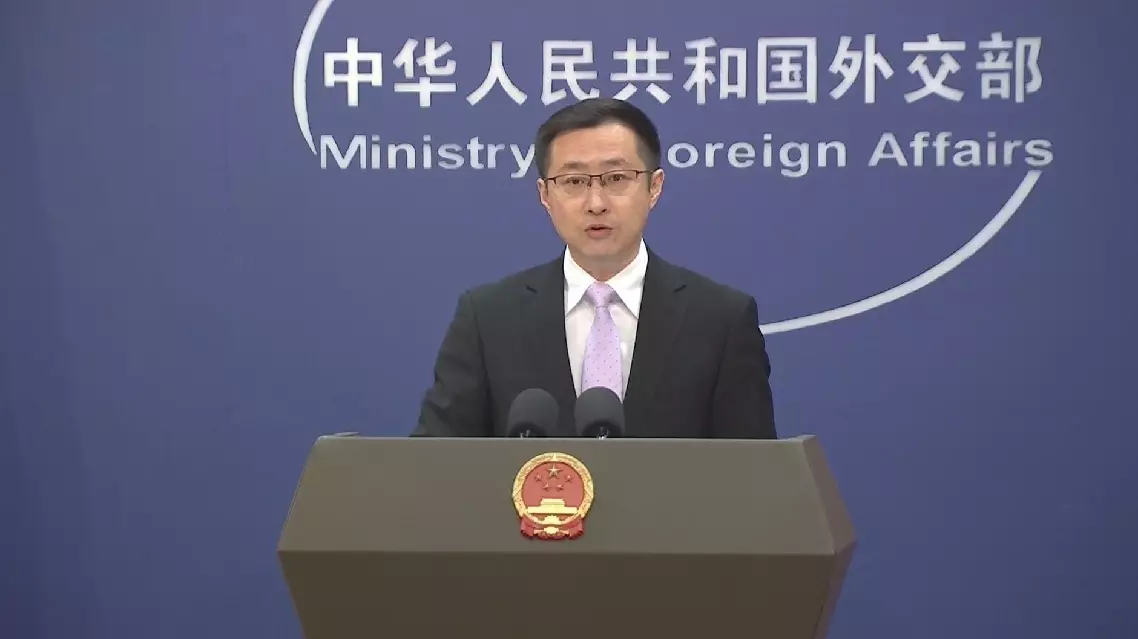
Ceasefire, dialog only viable way out for Middle East: spokesman
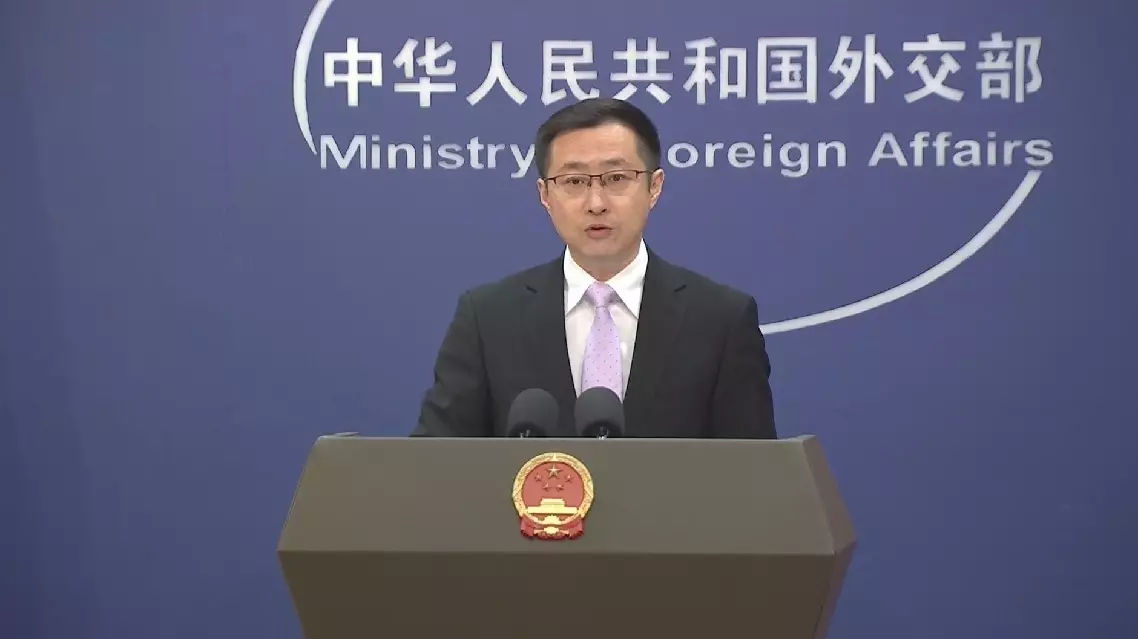
Ceasefire, dialog only viable way our for Middle East: spokesman
China's commissioning of "five essentials for aircraft carriers" marks a a significant achievement of the People's Liberation Army (PLA) Navy’s accelerated transformation and development, said Jiang Bin, spokesman for the Ministry of National Defense, at a press conference in Beijing on Saturday.
The "five essentials" refer to stealth carrier-based fighters, multirole catapult-assisted carrier-based fighters, fixed-wing carrier-based early warning aircraft, fixed-wing electronic warfare aircraft, and anti-submarine helicopters.
"The package, or what media have dubbed the 'five essentials for aircraft carriers,' is a vital link in forming the systematic combat capability of aircraft carrier formations and a significant achievement in the PLA Navy’s accelerated transformation and development. Building a strong PLA Navy embodies the Chinese nation's long-cherished aspiration of striving to be a strong naval power and serves as an important guarantee for realizing national rejuvenation. In the new era, under the firm leadership of the CPC Central Committee, the Central Military Commission and President Xi, the modernization of the PLA Navy has become increasingly solid and powerful. From the air to the sea, from coastal waters to the open ocean, the types and functions of various weapons platforms have been continuously improved, achieving leapfrog development and innovative breakthroughs, providing stronger guarantees for safeguarding national sovereignty, security and development interests," he said.
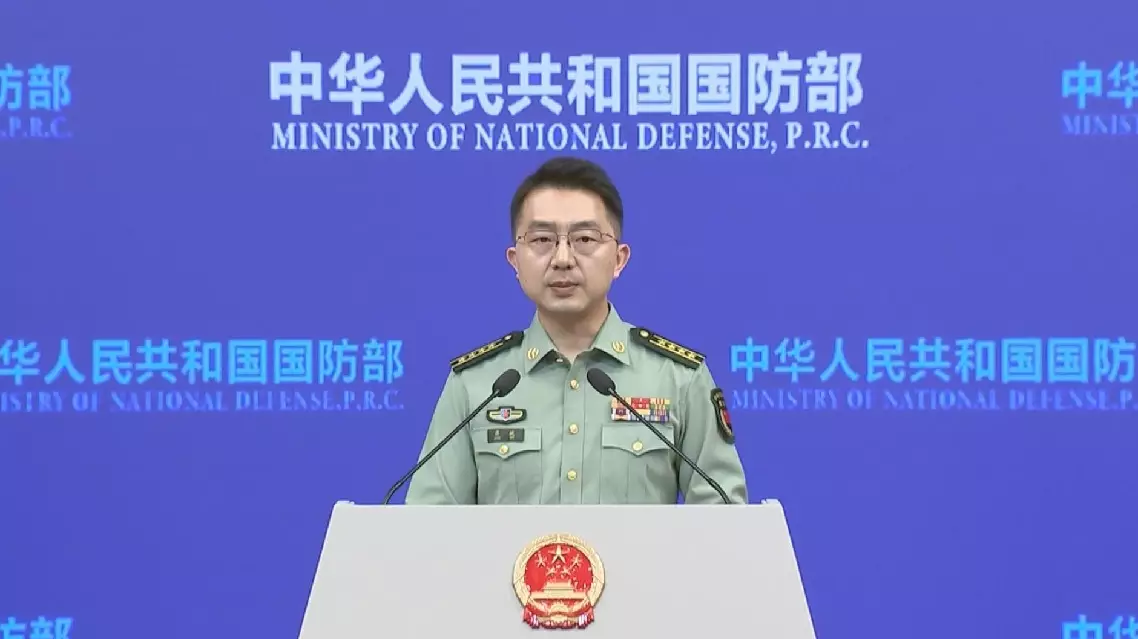
Spokesman confirms commissioning of 'five essentials' for carriers