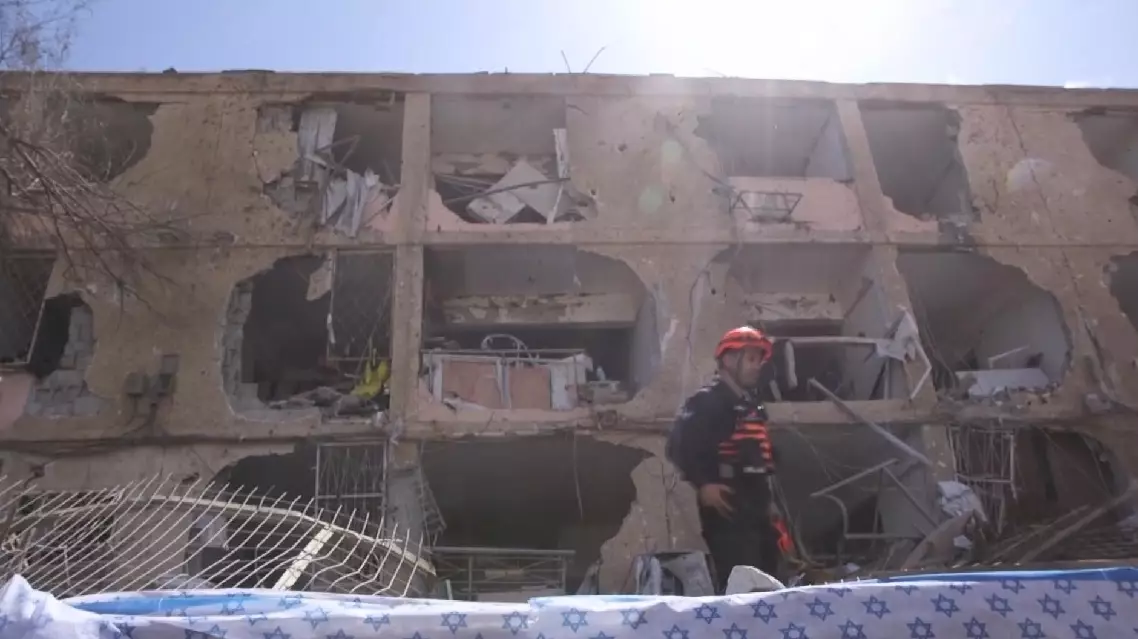
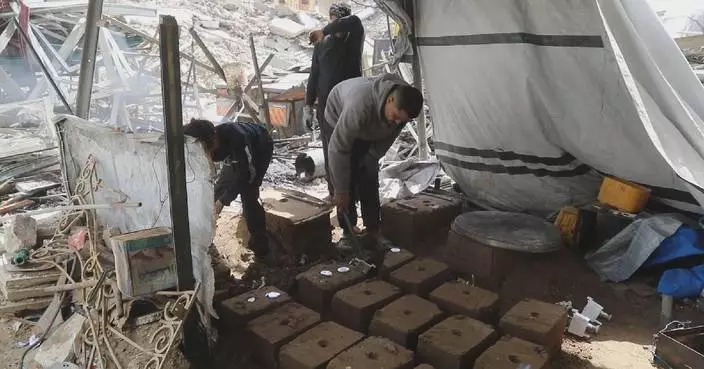
Several Asian countries have introduced measures to cope with a looming energy crisis as sharp price volatility linked to the conflict in the Middle East raised region-wide concerns about energy supplies and affordability.
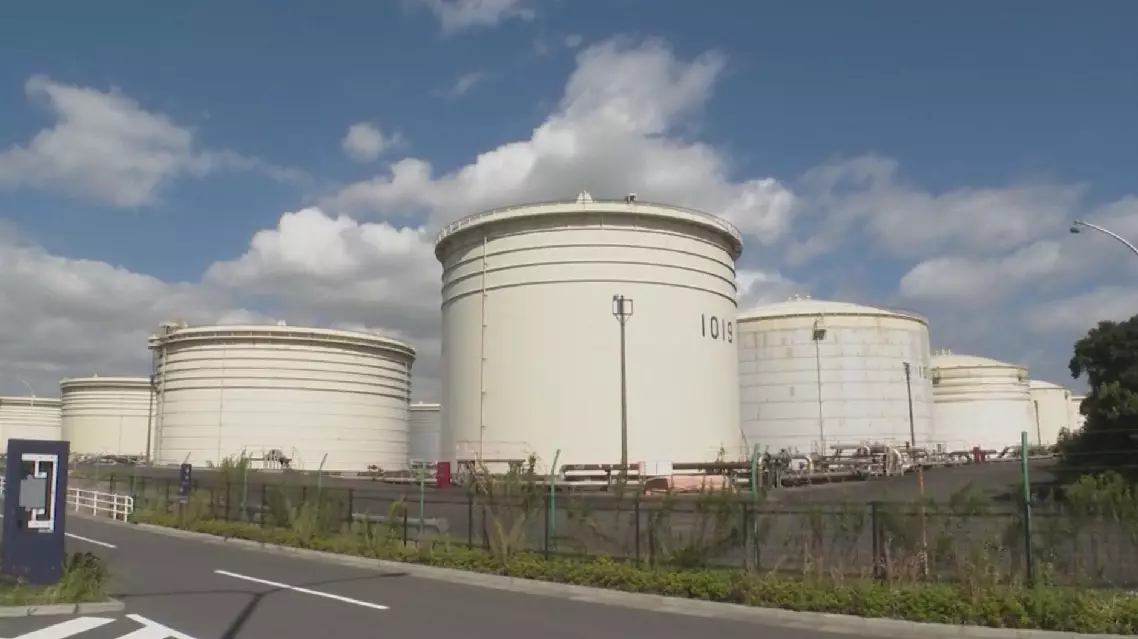
Japan will start releasing oil from state reserves on Thursday, Prime Minister Sanae Takaichi said Tuesday, as concerns over supply mount because of ongoing U.S.-Israeli strikes on Iran.
The measure, announced during a meeting of relevant Cabinet members to discuss ways to cushion the impact of the tensions in the Middle East on the Japanese economy, comes after Japan started releasing oil from private-sector stockpiles last Monday.
Takaichi also said that Japan will start releasing the joint reserve of oil-producing countries by the end of the month.
Lee Jae Myung, President of the Republic of Korea (ROK), said on Tuesday that the country will activate the government-wide emergency response system to mitigate the effects of Middle East tensions.
Lee told a cabinet meeting that the expansion and prolongation of the Middle East conflict were escalating instability in the supply and demand of crude oil and natural gas, saying the International Energy Agency was warning of the impact on the global economy while labeling the crisis the most significant threat to energy security in history.
He warned that it has made it difficult to predict when and where problems may arise as petrochemical products are indispensable to daily lives, saying the country will preemptively activate the government-wide emergency response system to address the grave crisis, which can affect people's livelihood and the overall economy.
Lee ordered officials to devise specific measures to alleviate the impact on people's livelihood as the second public notice for maximum oil prices was scheduled for Friday.
Earlier this month, the country introduced a so-called petroleum price ceiling system, in which the government sets a legal upper limit on the selling price of oil products, adopting it for the first time since oil price liberalization in 1997.
The cap on wholesale prices, at which oil refiners supply products to gas stations, was set on March 13 for the first time, and the price cap will be adjusted every two weeks.
The president asked people to cooperate in overcoming the crisis by joining the energy-saving movement, and ordering public institutions to implement the one-in-five vehicle rotation system.
The system is a policy that restricts the operation of vehicles to one day a week based on the last digit of their license plate numbers.
Philippine President Ferdinand Romualdez Marcos declared a state of national energy emergency on Tuesday, signing an executive order that said the "resulting imminent danger" from the Middle East crisis would pose a threat to the country's energy supply.
A committee has also been established to monitor the orderly supply and distribution of essential goods, including fuel, food, and medicines, and to ensure the continuity of critical public services, transportation, and healthcare infrastructure, as stated in the executive order.
Asian countries scramble to cope with looming energy crisis