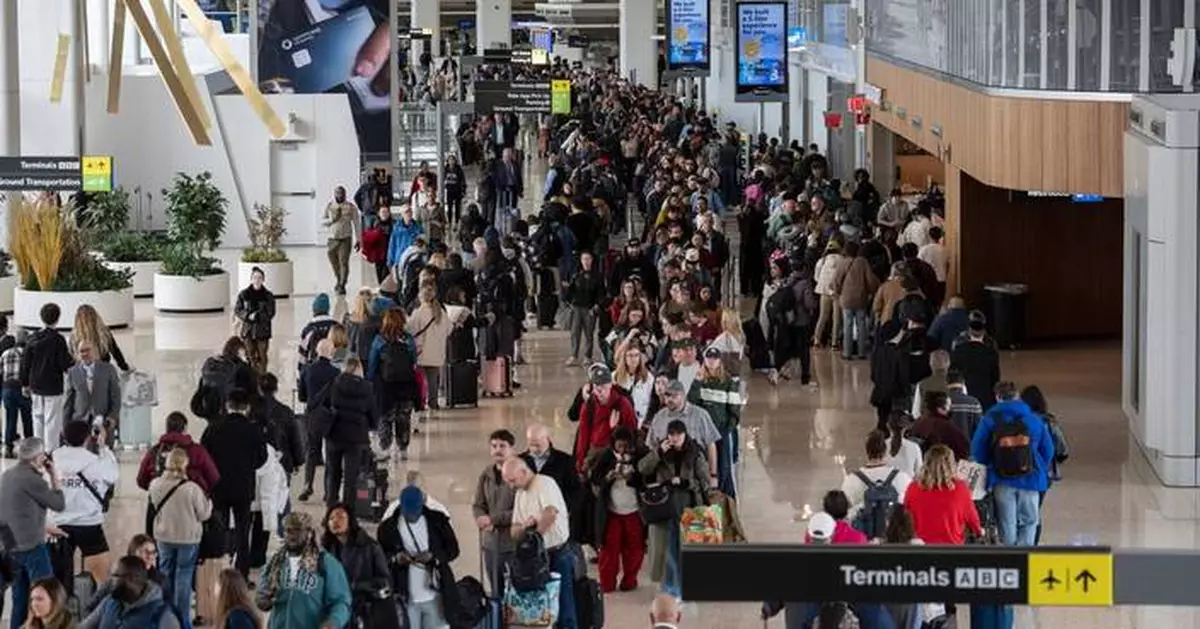
WASHINGTON (AP) — Pressure is mounting on Congress to end the funding shutdown that's resulted in travel disruptions, missed paychecks and even warnings of airport closures, but lawmakers have yet to resolve the underlying issue of reining in President Donald Trump's immigration enforcement operations.
Senators are expected to vote Thursday on a Republican proposal that would fund the Transportation Security Administration and much of the Department of Homeland Security, except the enforcement and removal operations conducted by Immigration and Customs Enforcement. But it's expected to fail.
Click to Gallery
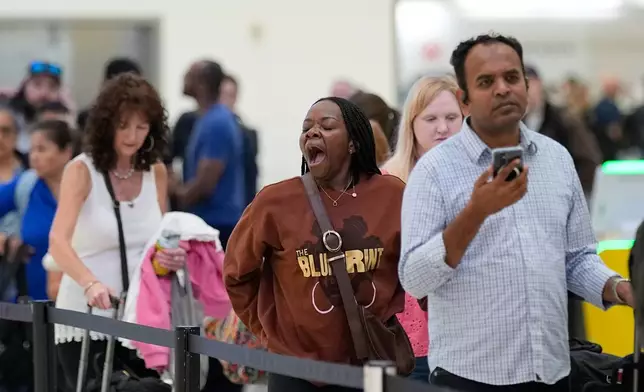
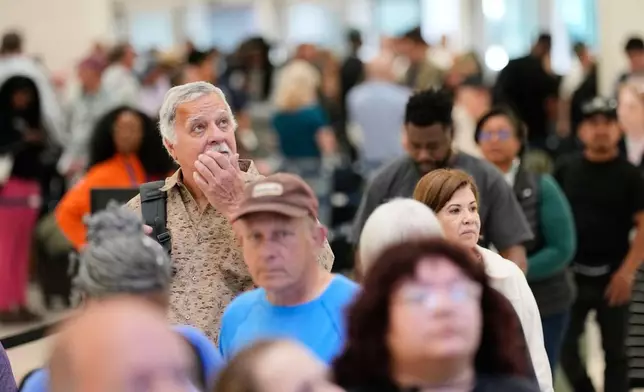
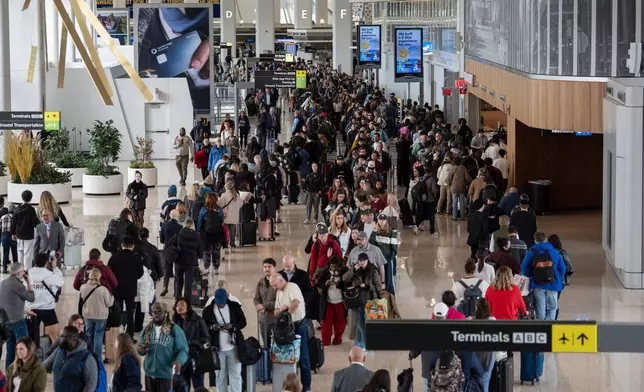
Passengers wait in a security checkpoint line at George Bush Intercontinental Airport, Wednesday, March 25, 2026, in Houston. (AP Photo/David J. Phillip)
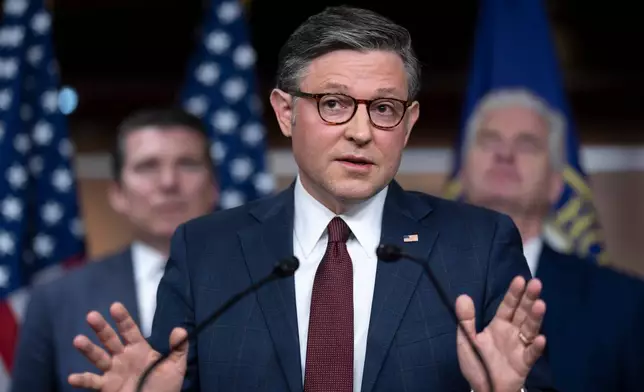
Speaker of the House Mike Johnson, R-La., speaks during a news conference at the Capitol in Washington, Wednesday, March 25, 2026. (AP Photo/J. Scott Applewhite)
Passengers wait in a security checkpoint line at George Bush Intercontinental Airport, Wednesday, March 25, 2026, in Houston. (AP Photo/David J. Phillip)
Senior Official Performing the Duties of the Administrator Ha Nguyen McNeill, left, testifies as Nicholas Andersen, acting director of the Cybersecurity and Infrastructure Security Agency, right, listens during a House Committee on Homeland Security hearing on Capitol Hill, Wednesday, March 25, 2026, in Washington. (AP Photo/Mariam Zuhaib)
Passengers wait in a security checkpoint line at George Bush Intercontinental Airport, Wednesday, March 25, 2026, in Houston. (AP Photo/David J. Phillip)
Passengers wait in a security checkpoint line at George Bush Intercontinental Airport, Wednesday, March 25, 2026, in Houston. (AP Photo/David J. Phillip)
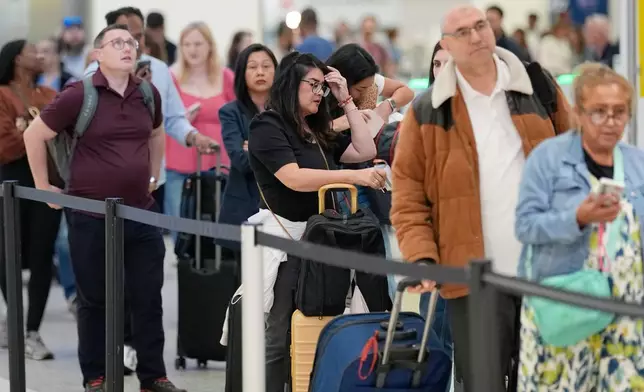
Travelers wait in a TSA line, Wednesday, March 25, 2026, at LaGuardia Airport in New York. (AP Photo/Yuki Iwamura)
Democrats argue the GOP plan does not go far enough at putting guardrails on ICE, Customs and Border Protection and other federal officers who are engaged in the Trump administration's immigration sweeps, particularly after the deaths of two Americans protesting the actions in Minneapolis.
With Congress set to leave town by week's end for its own spring break recess, calls are intensifying for an end to the 41-day stalemate that's put the livelihoods of TSA officers at risk as they provide airport security without pay.
“This is a dire situation,” the acting TSA administrator Ha Nguyen McNeill testified at a House hearing Wednesday.
She described the multiple hardships facing unpaid TSA workers — piling up bills and eviction notices, even plasma donations to make ends meet — and warned of potential airport closures if more employees refuse to come to work. Daily callout rates have increased to 11% nationwide.
“At this point, we have to look at all options on the table," she said. "And that does require us to, at some point, make very difficult choices as to which airports we might try to keep open and which ones we might have to shut down as our callout rates increase.”
The Republican president has largely stayed out of the public debate over the path his party should take to end the standoff. Trump initially signed off on the plan the GOP senators brought to him late Monday, but on Tuesday he said he wouldn’t be happy with any deal.
Trump didn’t directly address the status of negotiations late Wednesday evening during an annual fundraising dinner for the House Republicans' campaign committee as Speaker Mike Johnson, R-La., works to keep majority control of the chamber in the November midterm elections.
But Trump criticized Democrats for refusing to settle their demands on immigration changes.
The GOP's big tax cuts bill that Trump signed into law last year funneled billions to the Department of Homeland Security, including $75 billion for ICE operations, ensuring the money is flowing for his immigration and deportation agenda even with the routine department funding shutdown. ICE and other immigration officers are still being paid.
The situation is partly of Trump's making, a strategy the president put in place last fall, when he cut a deal with Democrats to end a previous federal shutdown. At that time, Trump agreed to fund the federal government, except for Homeland Security, which was then put on temporary funding that has expired.
While the Republican offer added one new restraint on immigration officers, funding the use of body cameras that had previously been agreed to, it excluded other policies that Democrats have demanded — such as that federal agents wear identification, remove their face masks and refrain from conducting raids around schools, churches or other sensitive places.
Senate Democratic leader Chuck Schumer of New York said they needed to see real changes. “We’ve been talking about ICE reforms from day one,” he said.
Democrats had been in several days of talks with the White House, including with border czar Tom Homan, that appeared to be making progress toward a deal. The White House presented its own offer with several items Democrats had been demanding, including officer IDs and training.
But those negotiations broke down over the weekend.
Republicans say Democrats are putting the country at risk. They say the Trump administration has already made strides to meet Democrats' demands and has shown a new approach to its immigration operations, swearing in Markwayne Mullin as the new Homeland Security secretary to replace Kristi Noem.
“They know this is crazy," Johnson said.
But conservative Republicans also panned the proposal, demanding full funding for immigration operations and skeptical of the promise from GOP leaders that they would address Trump's proof-of-citizenship voting bill in a subsequent legislative package.
Senate Majority Leader John Thune said late Wednesday that if Democrats put a “more realistic offer on the table, we'll be back in business.”
Asked if Congress would consider a stopgap measure to temporarily fund the department, Thune said: “We'll see.”
McNeill, the acting TSA administrator, told lawmakers that multiple airports are experiencing greater than 40% callout rates and more than 480 transportation security officers have now quit during the shutdown.
She cited the growing financial strain on the TSA workforce.
“Some are sleeping in their cars, selling their blood and plasma, and taking on second jobs to make ends meet, all while being expected to perform at the highest level when in uniform to protect the traveling public,” she said.
McNeil also said TSA officers working at the nation’s airports have experienced a more than 500% increase in the frequency of assaults since the shutdown began.
“This is unacceptable, and it will not be tolerated,” McNeill said.
Associated Press writers Wyatte Grantham-Philips in New York, Rio Yamat in Las Vegas, Russ Bynum in Houston and Gabriela Aoun Angueira in San Diego contributed to this report.
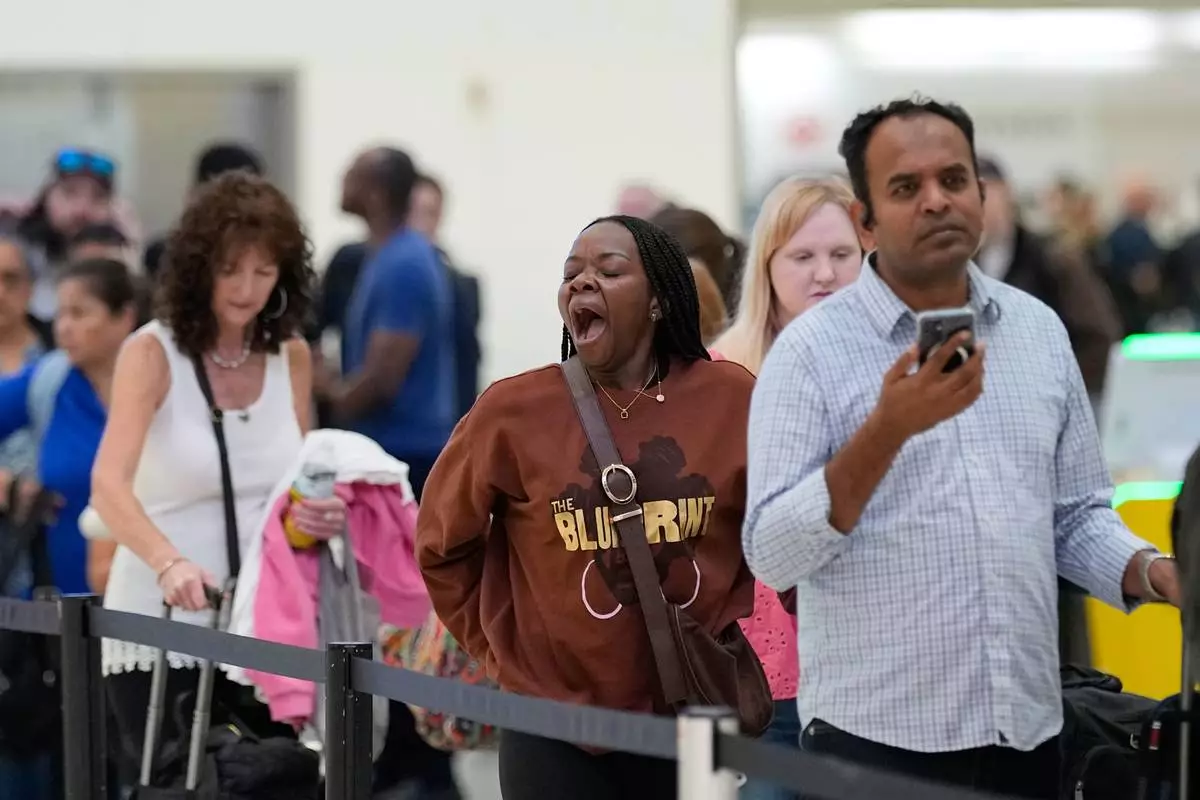
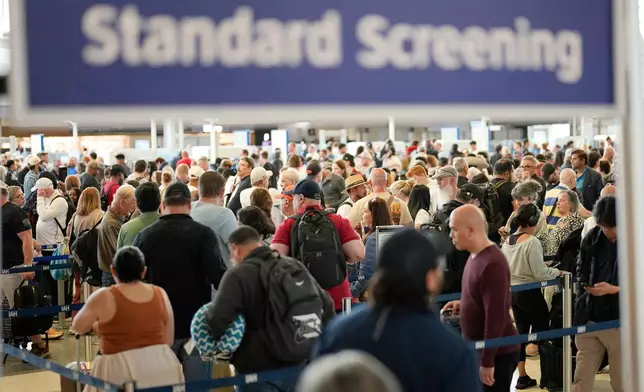
Passengers wait in a security checkpoint line at George Bush Intercontinental Airport, Wednesday, March 25, 2026, in Houston. (AP Photo/David J. Phillip)
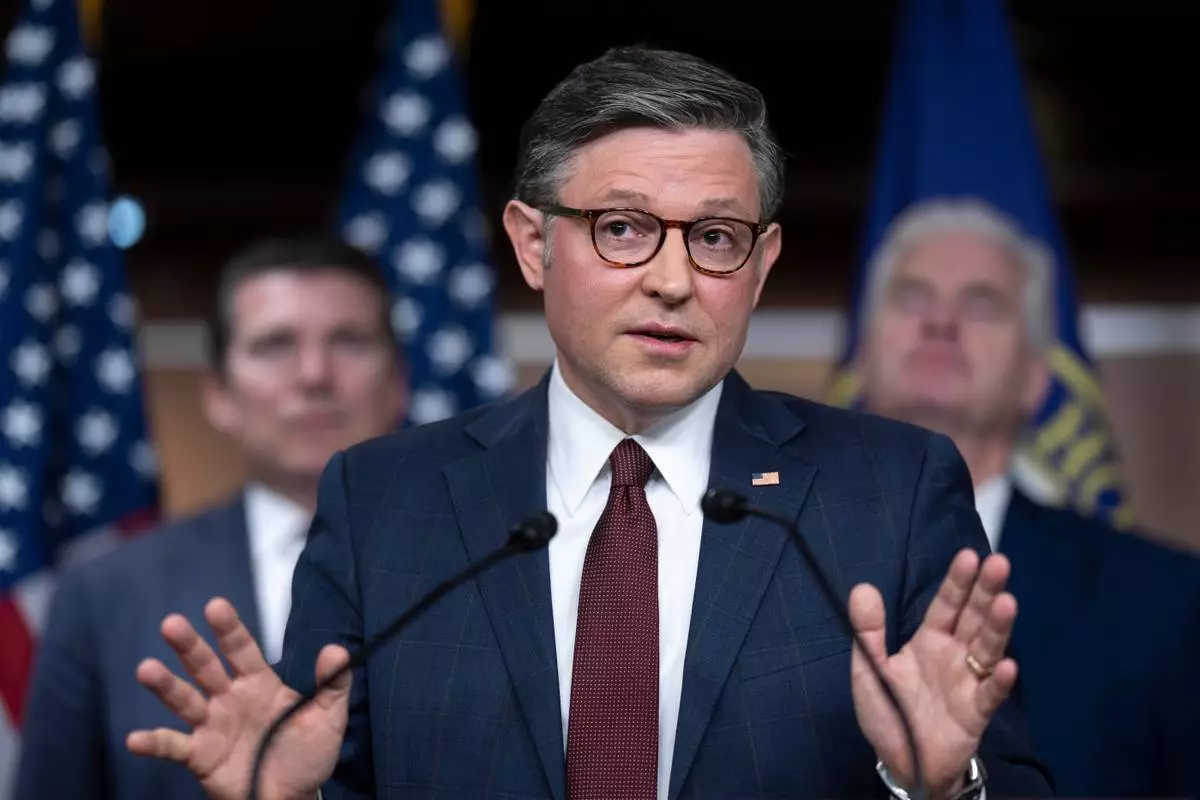
Speaker of the House Mike Johnson, R-La., speaks during a news conference at the Capitol in Washington, Wednesday, March 25, 2026. (AP Photo/J. Scott Applewhite)
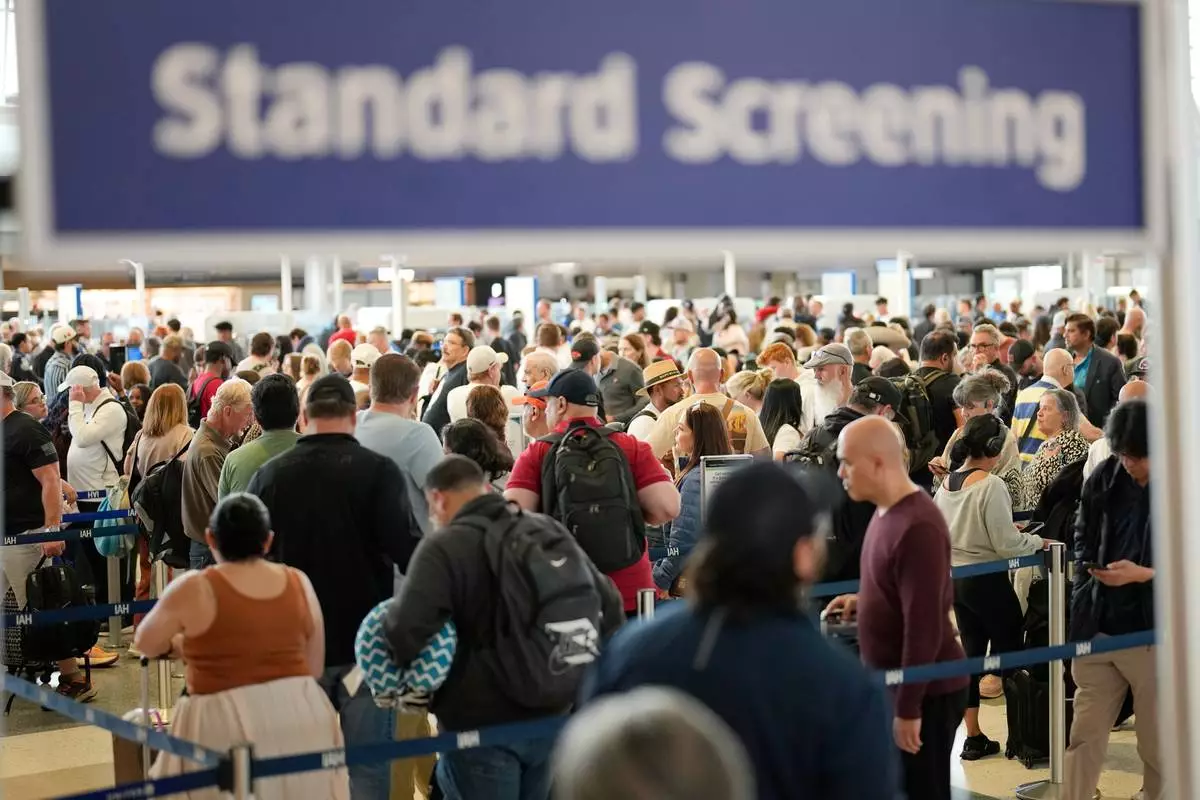
Passengers wait in a security checkpoint line at George Bush Intercontinental Airport, Wednesday, March 25, 2026, in Houston. (AP Photo/David J. Phillip)

Senior Official Performing the Duties of the Administrator Ha Nguyen McNeill, left, testifies as Nicholas Andersen, acting director of the Cybersecurity and Infrastructure Security Agency, right, listens during a House Committee on Homeland Security hearing on Capitol Hill, Wednesday, March 25, 2026, in Washington. (AP Photo/Mariam Zuhaib)
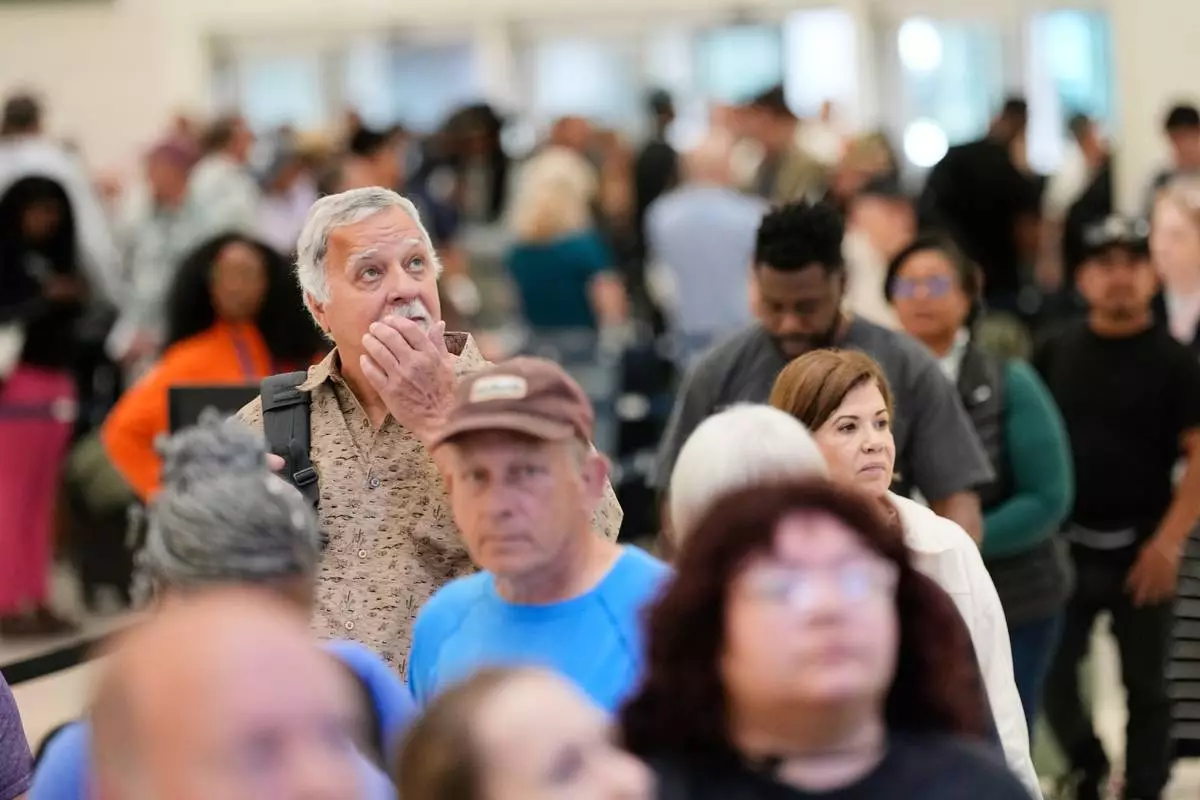
Passengers wait in a security checkpoint line at George Bush Intercontinental Airport, Wednesday, March 25, 2026, in Houston. (AP Photo/David J. Phillip)
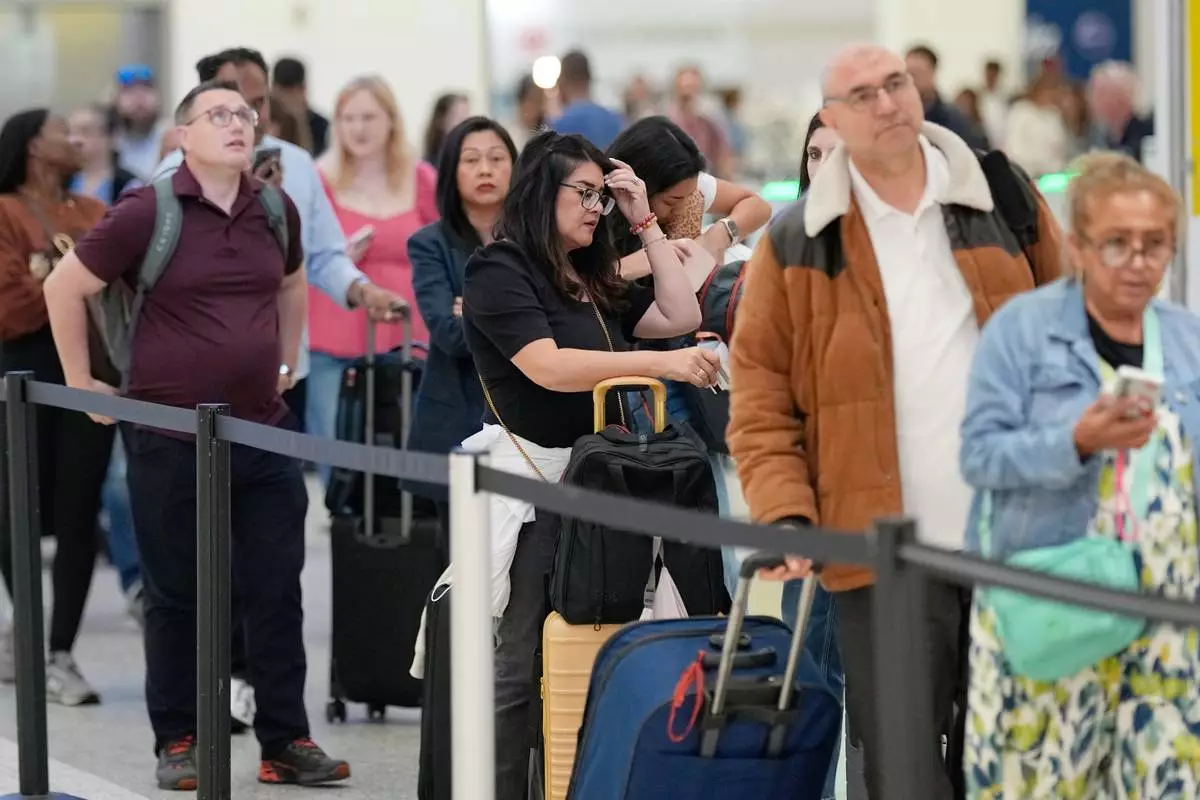
Passengers wait in a security checkpoint line at George Bush Intercontinental Airport, Wednesday, March 25, 2026, in Houston. (AP Photo/David J. Phillip)
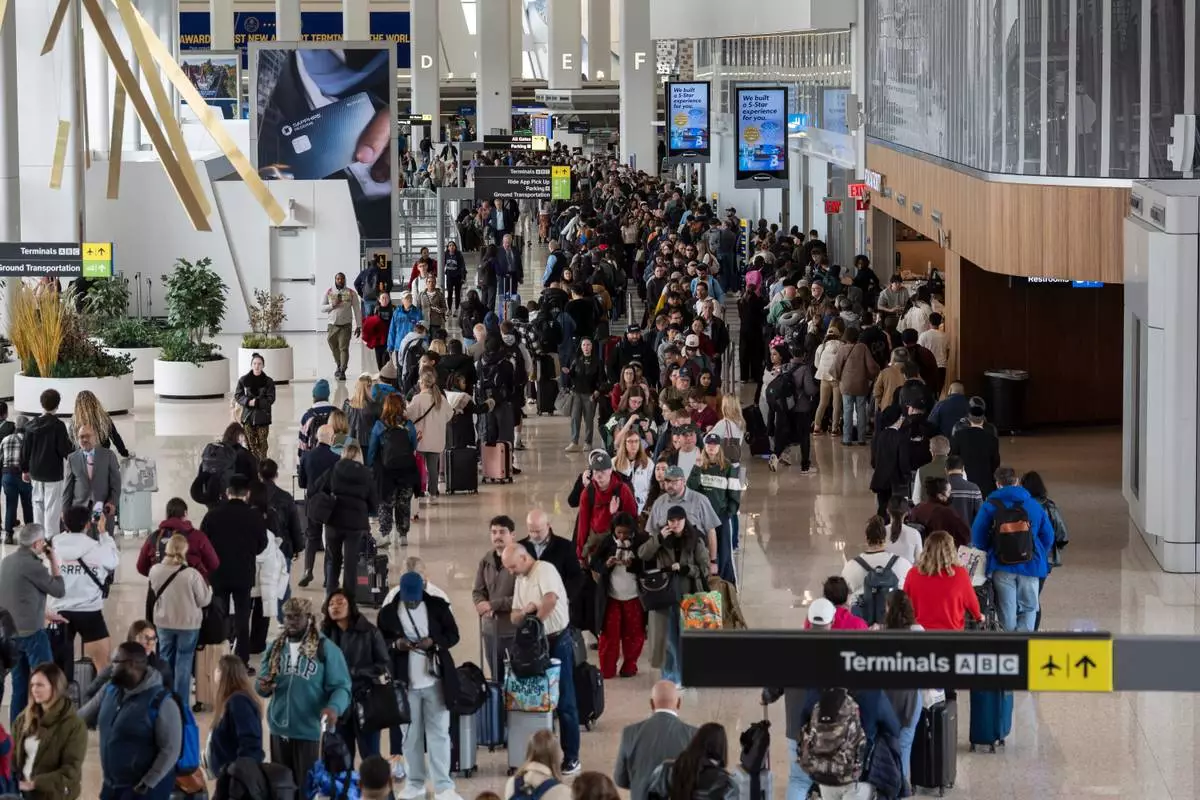
Travelers wait in a TSA line, Wednesday, March 25, 2026, at LaGuardia Airport in New York. (AP Photo/Yuki Iwamura)
U.S. President Donald Trump said Wednesday that a deal to end the Iran war is near, after Tehran dismissed his 15-point ceasefire plan and issued its own sweeping demands to stop fighting as it launched more attacks on Israel and Gulf Arab countries.
Two officials from Pakistan described the 15-point U.S. proposal broadly, saying it included sanctions relief, a rollback of Iran’s nuclear program, limits on missiles and reopening the Strait of Hormuz, through which a fifth of the world’s oil is normally shipped.
Iran issued its own plan via state TV, which includes a halt to killings of its officials, means to make sure no other war is waged against it, reparations for the war, the end of hostilities, and Iran’s sovereignty over the Strait of Hormuz.
“No negotiations have happened with the enemy until now, and we do not plan on any negotiations,” Iran’s foreign minister later told state TV.
Trump insisted at a Republican fundraiser Wednesday night that talks were underway with Iran's leaders.
“They are negotiating, by the way, and they want to make a deal so badly, but they’re afraid to say it because they figure they’ll be killed by their own people,” Trump said.
The death toll from the war has risen to more than 1,500 people in Iran, nearly 1,100 people in Lebanon, 20 in Israel and 13 U.S. military members, as well as a number of civilians on land and sea in the Gulf region. Millions of people in Lebanon and Iran have been displaced.
Here is the latest:
Iran’s parliament is working on a bill to formalize the fees it is reportedly charging on some ship transiting through the Strait of Hormuz, local media reported.
The Fars and Tasnim news agencies, both close to Iran’s Revolutionary Guard, quoted lawmaker Mohammadreza Rezaei Kouchi as saying that “that “parliament is pursuing a plan to formally codify Iran’s sovereignty, control and oversight over the Strait of Hormuz, while also creating a source of revenue through the collection of fees.”
“This is entirely natural, just as goods pay transit fees when passing through other corridors, the Strait of Hormuz is also a corridor,” he reportedly said. “We provide its security, and it is natural that ships and oil tankers should pay such fees.”
The Strait of Hormuz, the narrow mouth of the Persian Gulf, is considered an international waterway open to all shipping. Imposing fees would end that and likely be strongly opposed by the Gulf Arab states, the United States and others.
The comment by Sultan al-Jaber, who leads the massive state-run Abu Dhabi National Oil Co., signaled the hardening rhetoric of the United Arab Emirates as the war nears its one-month mark.
“Weaponizing the Strait of Hormuz is not an act of aggression against one nation,” al-Jaber said in a speech for an event hosted by the Middle East Institute in Washington.
“It is economic terrorism against every consumer, every family that depends on affordable energy and food. When Iran holds Hormuz hostage, every nation pays the ransom, at the gas pump, at the grocery store and at the pharmacy. No country can be allowed to destabilize the global economy in this way. Not now. Not ever.”
Sirens sounded about an hour after sunrise across a large swath of central Israel, including areas around Tel Aviv and Jerusalem, and in the occupied West Bank.
Israel’s military said early Thursday morning that Iran had launched missiles toward the country.
The first such alert of the day came after an unusually long lull of more than 14 hours.
Hezbollah rocket fire, however, remained constant overnight in northern Israel, and once reached the Tel Aviv area overnight.
Iran is running a “de facto ‘toll booth’ regime” in Strait of Hormuz, controlling which ships come through and getting payment for their safe passage, a leading shipping intelligence firm said Thursday.
Lloyd’s List Intelligence published an analysis highlighting Iran’s practices through the strait.
It described vessels having to provide manifests, crew details and their destination to Iran’s paramilitary Revolutionary Guard.
The information goes to the Guard’s “Hormozgan Provincial Command for sanctions screening, cargo alignment checks that currently prioritizes oil over all other commodities, and for what is described as ‘geopolitical vetting,’” Lloyd’s List said.
“While not all ships are paying a direct toll at least two vessels have and the payment is settled in yuan,” Lloyd’s List said, referring to China’s national currency.
Such payments likely would run afoul of American and European sanctions on the Guard, a key power center within Iran that controls its ballistic missile arsenal and was key in suppressing nationwide protests in January.
Iran has not directly explained the process for ships to go through the strait, though a Foreign Ministry spokesperson appeared to acknowledge Tehran was receiving payments for some ships in an interview.
Fuel prices in Thailand surged Thursday after the government lifted a cap on diesel prices and reduced fuel subsidies.
The majority of fuel types rose by 6 baht ($0.18) per liter.
Diesel prices jumped by about 18%.
The increase is expected to hit the industrial and transportation sectors particularly hard and has raised concerns about a ripple effect on the cost of goods.
Videos and photos shared on social media showed long lines forming at gas stations after the price hike was announced late Wednesday night.
Thai Prime Minister Anutin Charnvirakul said earlier this week the government would allow fuel prices to adjust in line with global market rates, aiming to manage demand following a surge in panic buying.
Australia has temporarily restricted some Iranians from traveling to the country for fear that they would be unwilling or unable to return to their homeland because of the war.
The restrictions apply from Thursday for six months to Iranian Visitor (Subclass 600) visa holders.
These visas have been issued to more than 7,000 Iranians who intend to visit Australia for tourism, business or to see family.
“When you get a sudden conflict like has happened with Iran, who have a large number of people who’ve been issued visas who, if they applied now, would in fact not be eligible,” Immigration Minister Tony Burke told Parliament on Thursday.
Authorities will use the six months to reassess visa applicants. An unknown number will be exempt.
Activists in Iran reported heavy strikes early Thursday morning around Isfahan, a city some 330 kilometers (205 miles) south of Iran’s capital, Tehran.
The pro-reform newspaper Ham Mihan reported online about strikes in the area.
Isfahan is home to a major Iranian air base and other military sites, as well as one of the nuclear sites bombed by the United States during the 12-day war between Israel and Iran in June.
The semiofficial Fars news agency, close to the paramilitary Revolutionary Guard, described the attacks as targeting “two residential areas,” without elaborating.
Earlier, Israel’s military said it had completed “a wide-scale wave of strikes” across Iran, including in Isfahan.
A missile alert sounded on mobile phones in Dubai, United Arab Emirates, on Thursday morning.
Saudi Arabia’s Defense Ministry said it intercepted multiple drones over its oil-rich Eastern Province on Thursday morning.
Kuwait reported it was working to intercept incoming Iranian fire early Thursday morning.
Bahrain sounded its missile alert sirens early Thursday morning.
The United Arab Emirates air defenses early Thursday also worked to intercept incoming fire.
U.S. forces have hit more than 10,000 targets so far in the Iran war, the head of the American military’s Central Command said.
U.S. Navy Adm. Brad Cooper made the comments in a video released early Thursday by Central Command.
“If you combine what we’ve accomplished with the success of our Israeli ally, together, we have struck thousands more,” Cooper said. “Our precision strikes have overwhelmed Iranian air defenses and our combat flights are having tangible effects.”
Cooper added that the U.S. has destroyed 92% of “the Iranian navy’s largest vessels.”
“They’ve now lost the ability to meaningly project naval power and influence around the region and around the world,” Cooper said.
Iran maintains its chokehold on the Strait of Hormuz, the narrow mouth of the Persian Gulf, through drone and missile attacks on shipping, however.
Cooper also said the U.S. has struck over two-thirds of Iran’s munitions plants.
“Today, we have damaged or destroyed over two-thirds of Iran’s missile, drone and naval production facilities and shipyards — and we’re not done yet,” he said. “We are on a path to completely eliminate Iran’s wider military manufacturing apparatus.”
Satellite photos analyzed by The Associated Press, though delayed by two weeks by Planet Labs PBC, have shown Israeli and U.S. strikes targeting shipyards and missile facilities.
Iran has not acknowledged any of its materiel losses through the war.
German Defense Minister Boris Pistorius described the Iran war as an economic “catastrophe” and said Germany did not want to get “sucked into” the conflict.
Pistorius said on Thursday Germany was ready to help secure any peace once that was achieved and appealed for a ceasefire as soon as possible.
“To make it crystal clear, this war is a catastrophe for the world’s economies,” Pistorius told reporters at the Australian Parliament House.
“From the beginning on, we have not been consulted before. Nobody asked us before. It’s not our war and therefore we don’t want to get sucked into that war,” Pistorius added.
Pistorius addressed the media in the national capital Canberra following a meeting with his Australian counterpart Richard Marles.
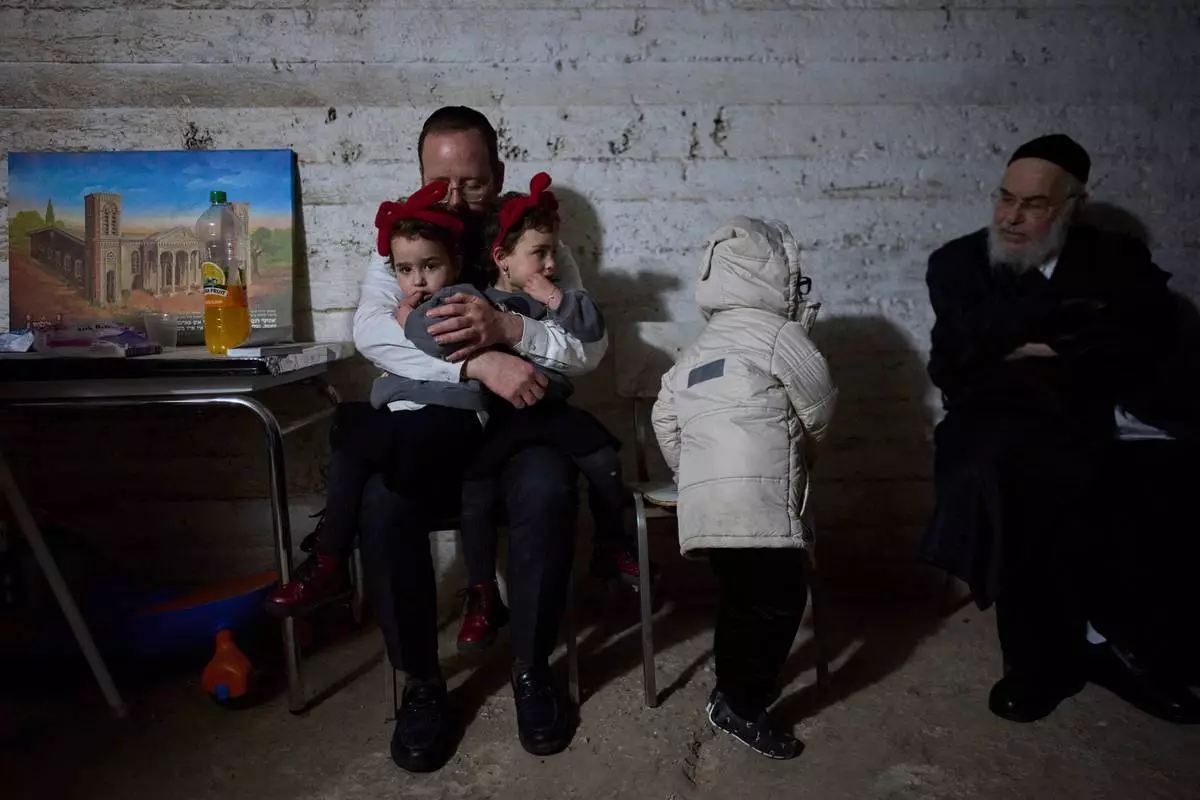
People take cover in a bomb shelter as air raid sirens warn of incoming Iranian missile strikes in Bnei Brak, Israel, Wednesday, March 25, 2026. (AP Photo/Ohad Zwigenberg)
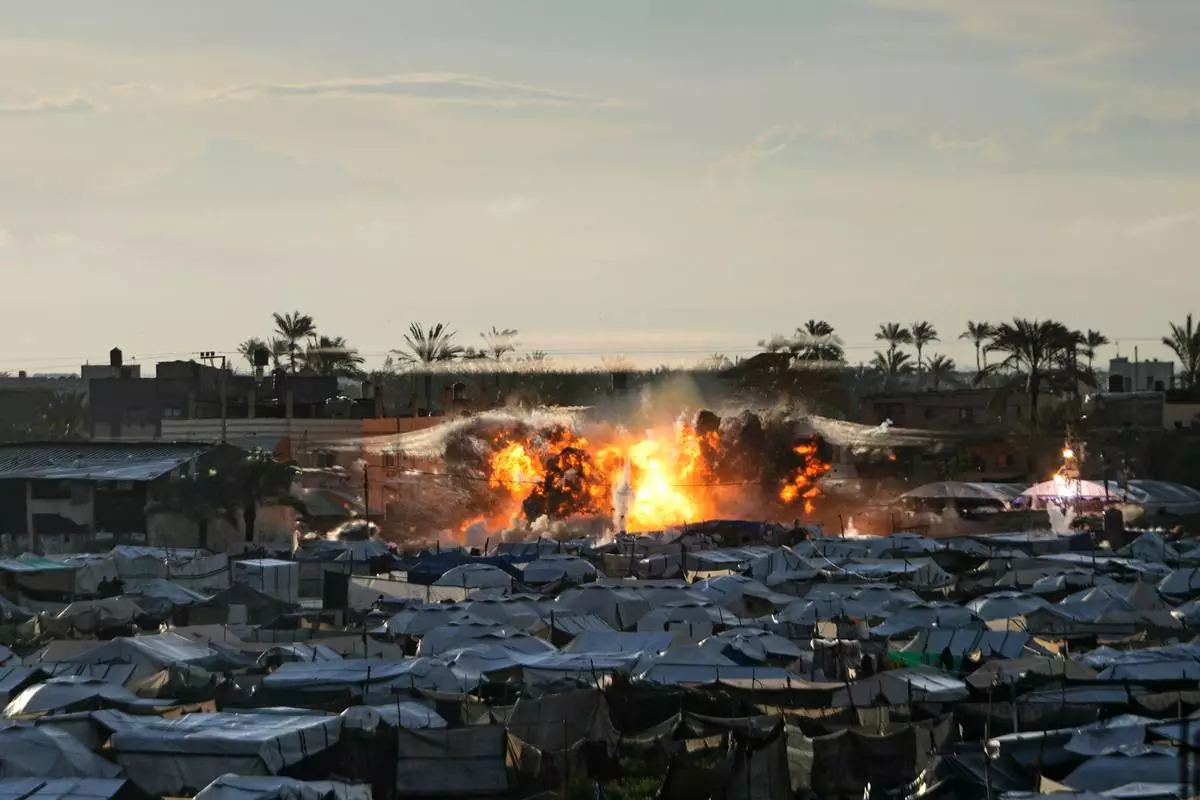
Smoke and flames rise following an Israeli military strike on a target in Deir al-Balah, central Gaza Strip, Wednesday, March, 25, 2026.(AP Photo/Abdel Kareem Hana)
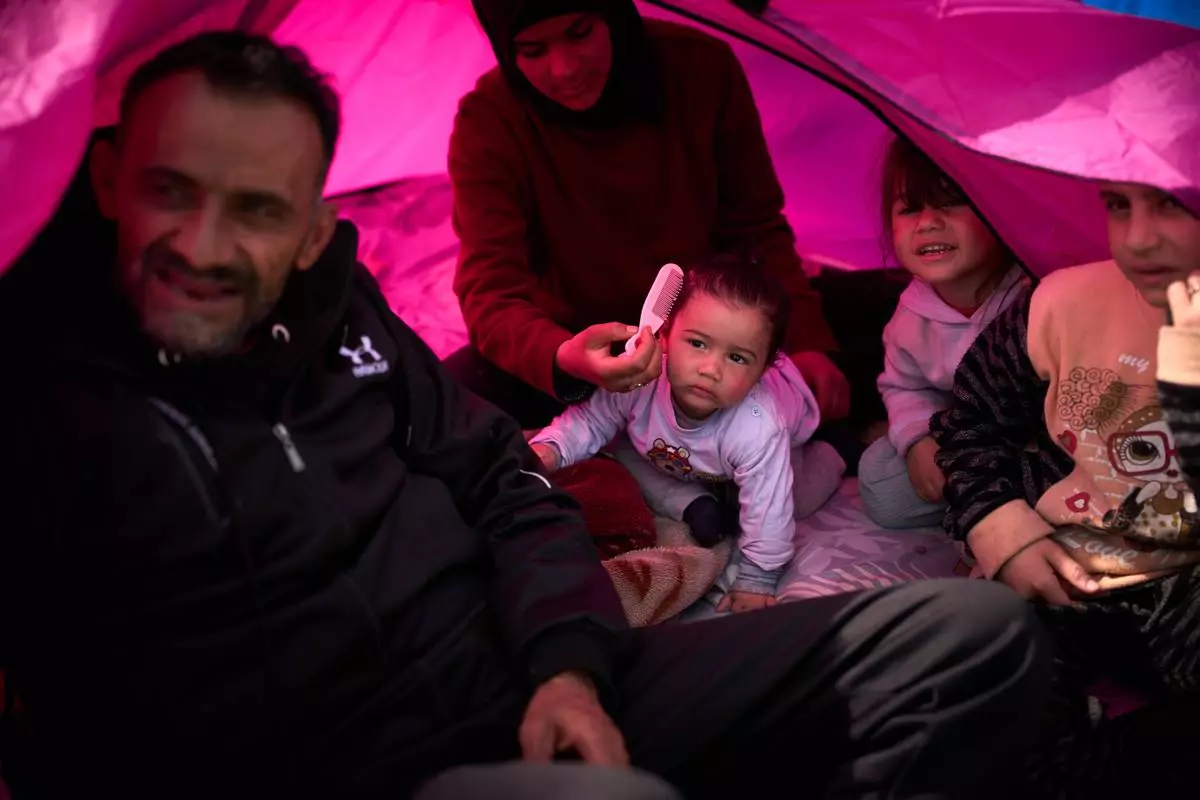
Members of the displaced Abd el-Hajj family, and two of their cousins, right, who fled Israeli strikes in southern Lebanon, sit inside a tent used as a shelter in Beirut, Lebanon, Wednesday, March 25, 2026. (AP Photo/Emilio Morenatti)
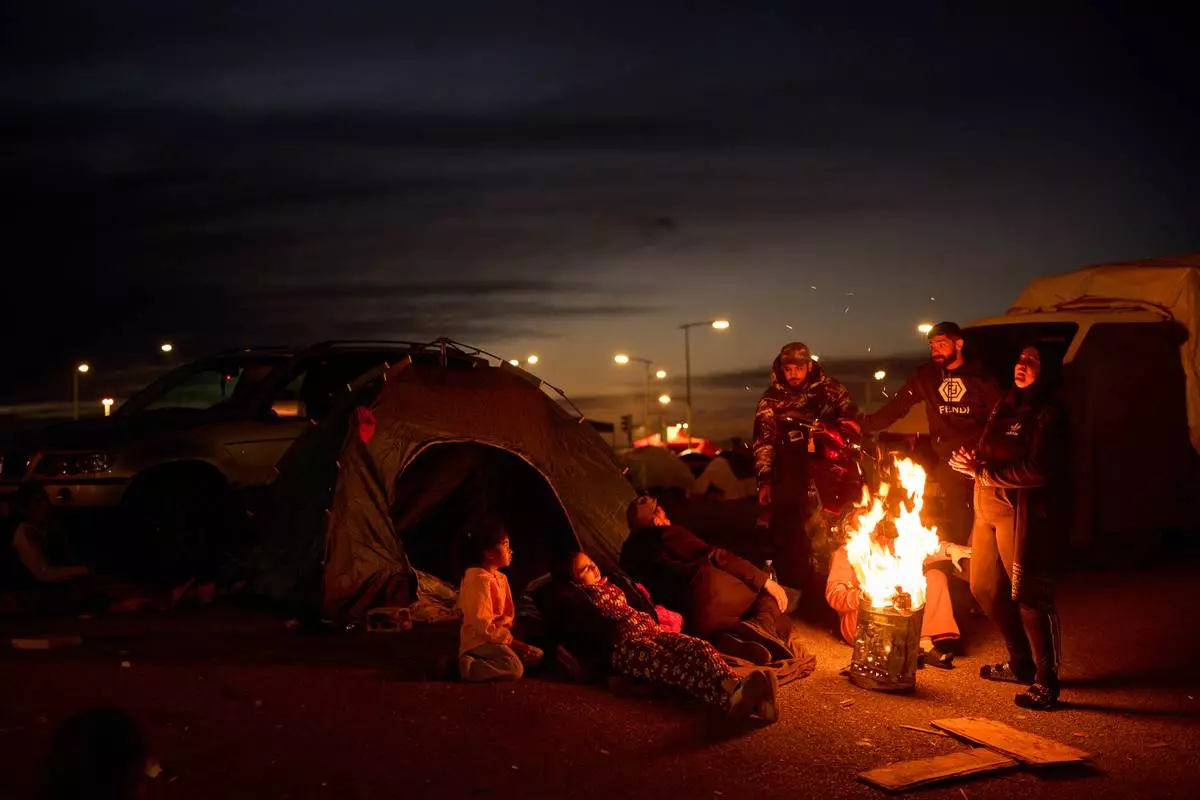
Members of a family, who fled Israeli strikes in southern Lebanon, sit around a bonfire outside a tent used as a shelter in Beirut, Lebanon, Wednesday, March 25, 2026. (AP Photo/Emilio Morenatti)
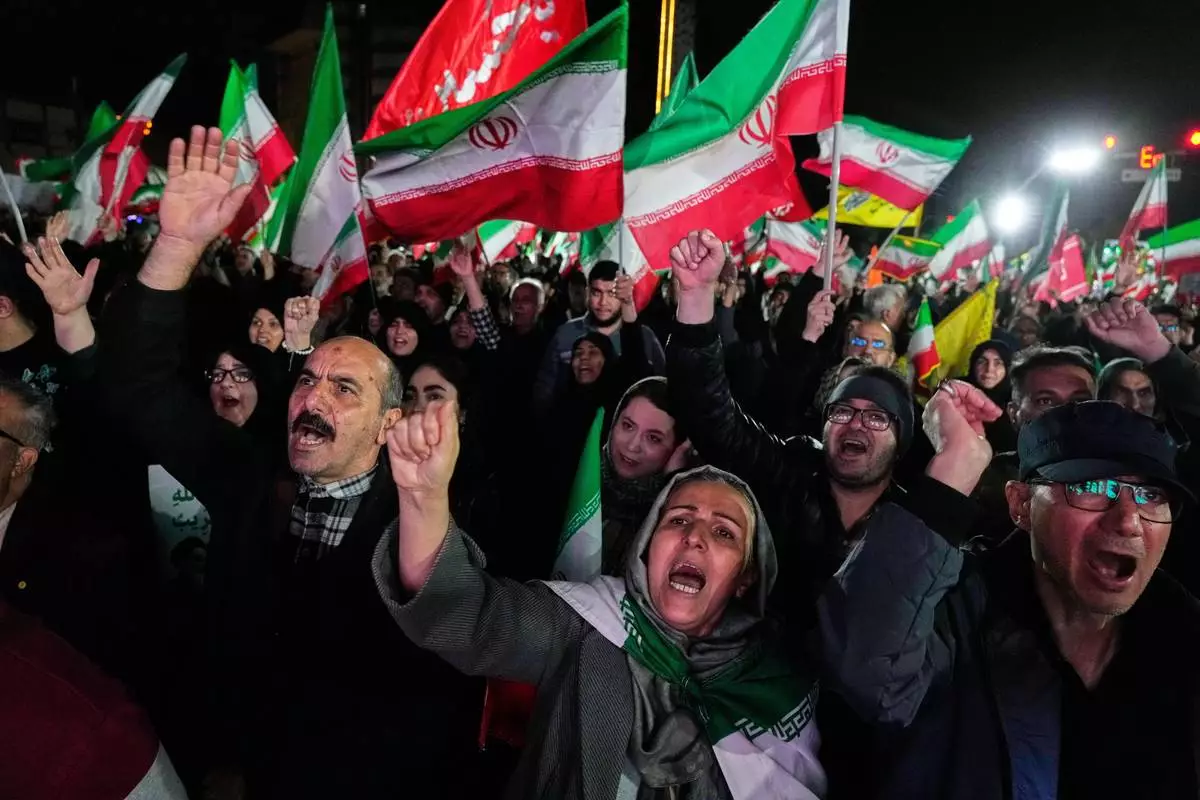
Pro-government supporters chant slogans and wave Iranian flags during a rally, in a square in western Tehran, Iran, Wednesday, March 25, 2026. (AP Photo/Vahid Salemi)