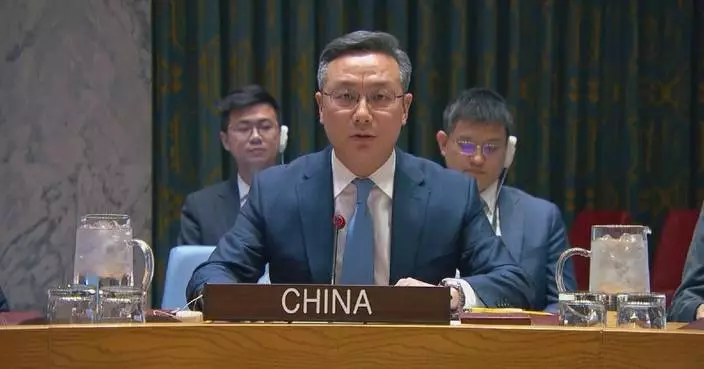
Iranian Foreign Minister Seyed Abbas Araghchi and UN Secretary-General Antonio Guterres held a phone call on Thursday to discuss the escalating tensions in the region, Iran's Foreign Ministry said on Friday.
In the phone conversation, Araghchi stressed that the insecurity in the Strait of Hormuz is a direct result of the aggressive acts of the United States and Israel, adding that Iran has the right to prevent the passage of enemy and related vessels and has taken necessary measures to ensure shipping safety.
He also called on the UN to seriously fulfill its duties and take a clear stance to condemn the aggressors.
Guterres reiterated the UN's respect for the sovereignty and territorial integrity of all countries while voicing grave concern over the prolonged conflict in the region. He said he had appointed Jean Arnault as his personal envoy to lead the UN efforts on the conflict in the Middle East and its consequences.
Arnault is a veteran French diplomat who previously served as the UN Secretary-General's special envoy for countries including Colombia, Afghanistan and Burundi.
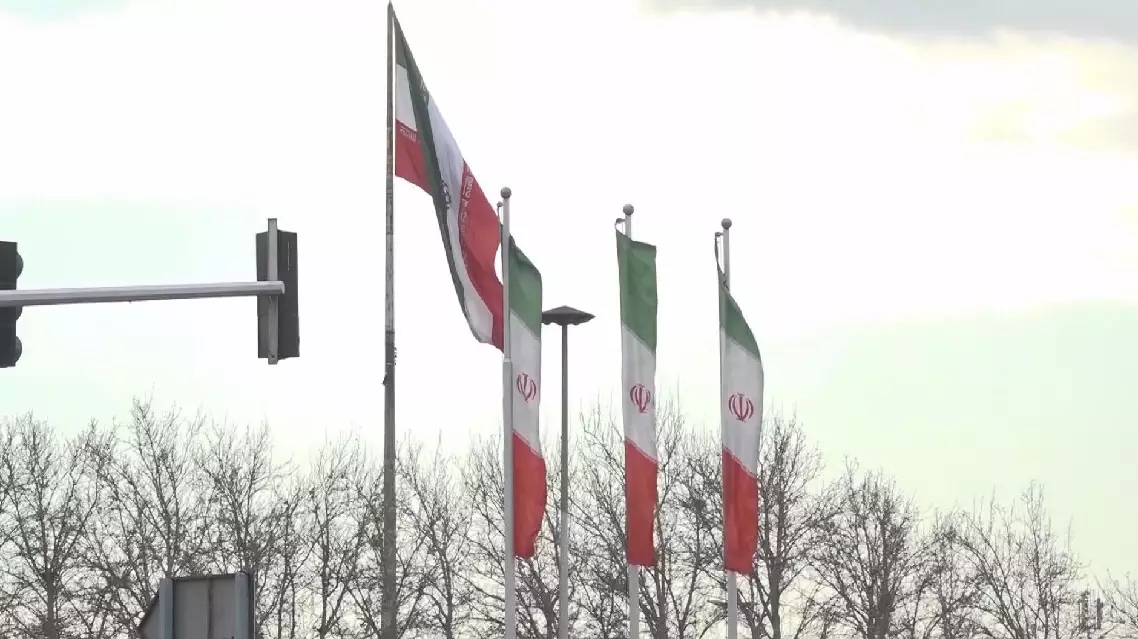
Iranian foreign minister, UN chief hold phone talks on regional tensions
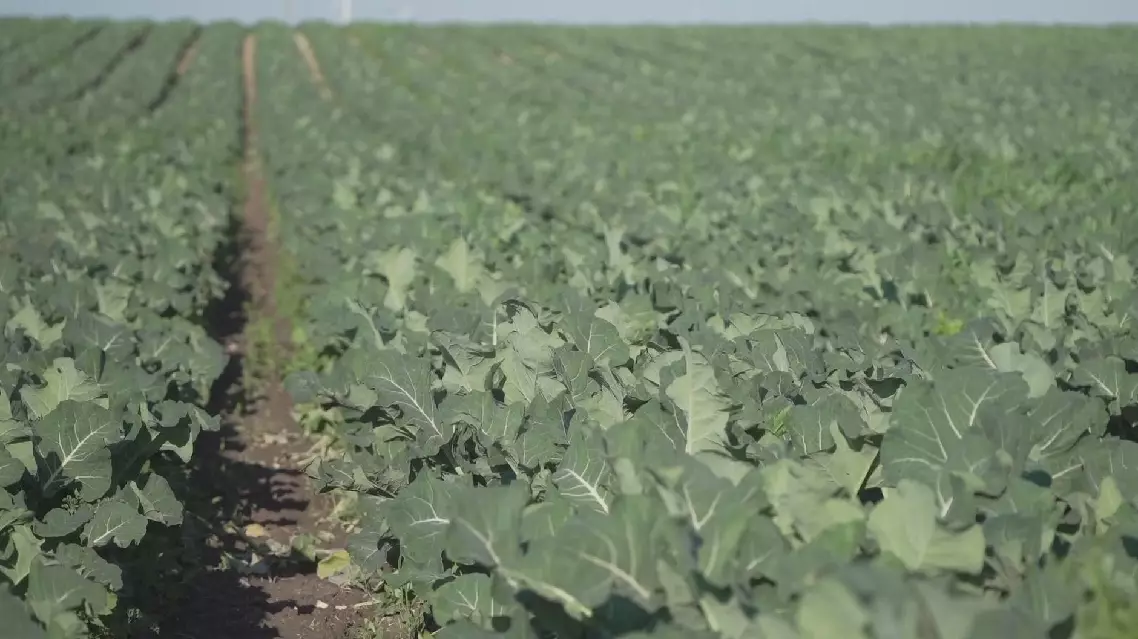
Farmers in southern Italy's Foggia Province, a major agricultural hub in the country, are feeling the squeeze of the ongoing U.S-Israel-Iran conflict, which has driven up energy and fertilizer prices, raising fears of higher food costs and inflation across Europe.
Energy and fertilizer have long accounted for a large share of farming costs. The surge in diesel and fertilizer prices in recent months has worried farmers such as Roberto Gugliotti, who manages 250 hectares of asparagus, tomato, grape and cereal crops.
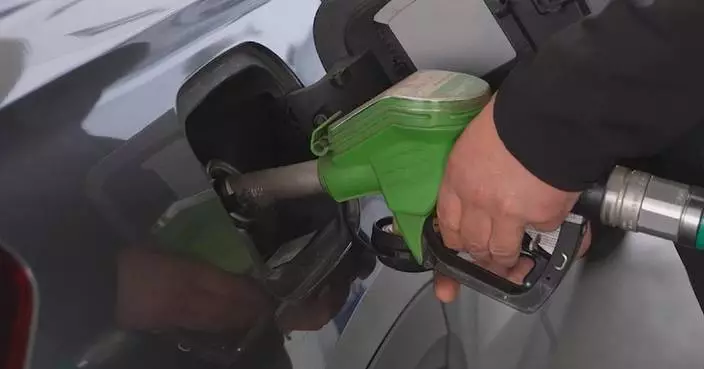
Gugliotti said that the price of farming diesel has nearly doubled since the start of the year, while fertilizer costs are up by 25 to 50 percent.
"Diesel costs have doubled. Agricultural inputs (including fertilizer) are up about 50 percent. These are huge burdens for our pockets," said Gugliotti.
The Gulf region is a pivotal player in the global energy market and serves as a major center for fertilizer production and exports. Much of its fertilizer raw materials and finished products must pass through the Strait of Hormuz.
As fertilizer production depends heavily on natural gas, energy price spikes quickly feed into higher agricultural costs.
"We are most worried that we cannot recover all the added costs. In the end, profits could shrink or even turn into losses," said Gugliotti.
Rising energy, transport and storage costs are already filtering through food processing, wholesale and retail. Analysts warned the pressure could weigh on both producers and consumers.
"The risk is that if tensions persist, the problem could become structural. It may alter farmers' decisions and, over time, even change consumer choices," said Ruggiero Sardaro, associate professor of economics at the University of Foggia.
Rising energy, fertilizer costs hit Italian farmers