NEW YORK (AP) — A newly identified Underground Railroad passageway once used by enslaved people fleeing to freedom is putting the spotlight on a New York City museum and its struggle against a proposed neighboring development.
Staff at the Merchant's House Museum — an upper crust family home built in 1832 in Manhattan’s NoHo district — last month revealed that researchers can now explain the passageway's historical purpose because they recently discovered that the home's original owner was an abolitionist. Historians and Black activists hail it as the first “intact” Underground Railroad site found in New York in over 160 years.
Click to Gallery
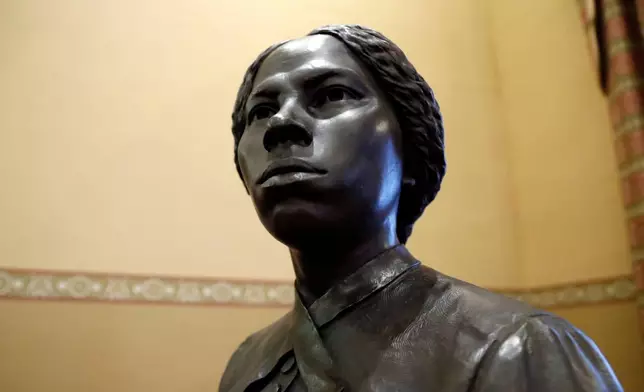
FILE - A bronze statue of abolitionist Harriet Tubman is seen at the Maryland State House, Feb. 10, 2020, in Annapolis. (AP Photo/Julio Cortez, File)
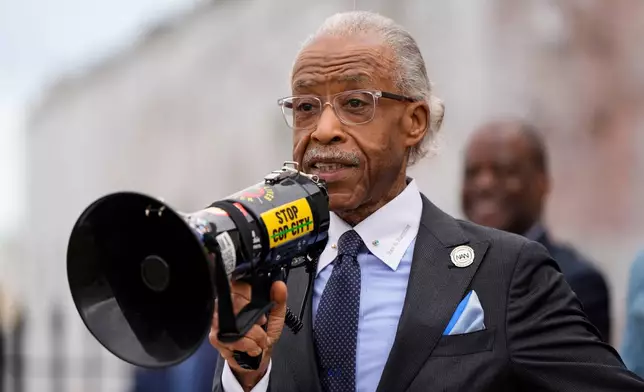
FILE - The Rev. Al Sharpton speaks ahead of the 61st Bloody Sunday Anniversary march, March 8, 2026, in Selma, Ala. (AP Photo/Mike Stewart, File)
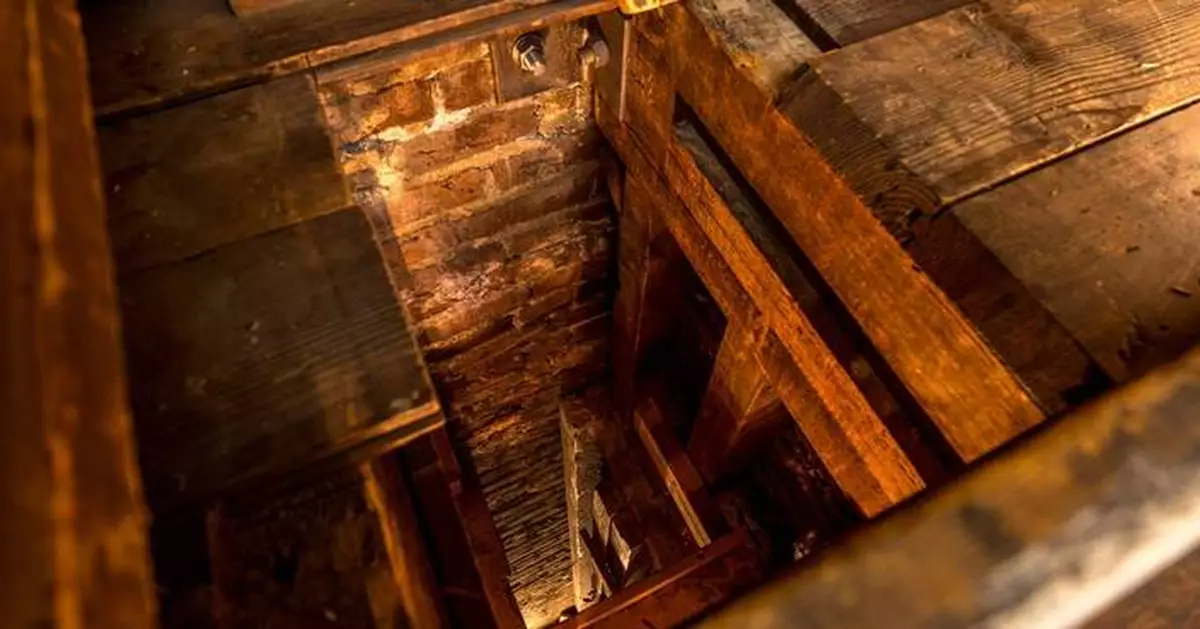
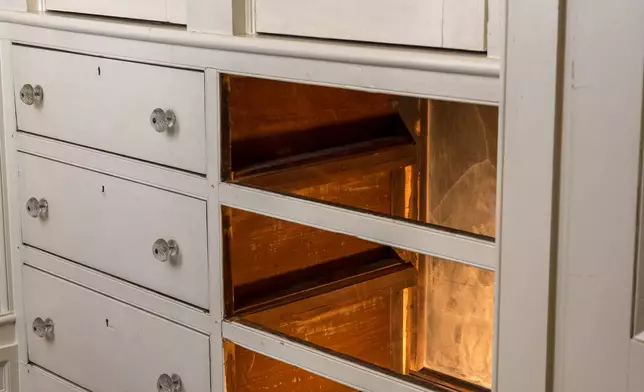
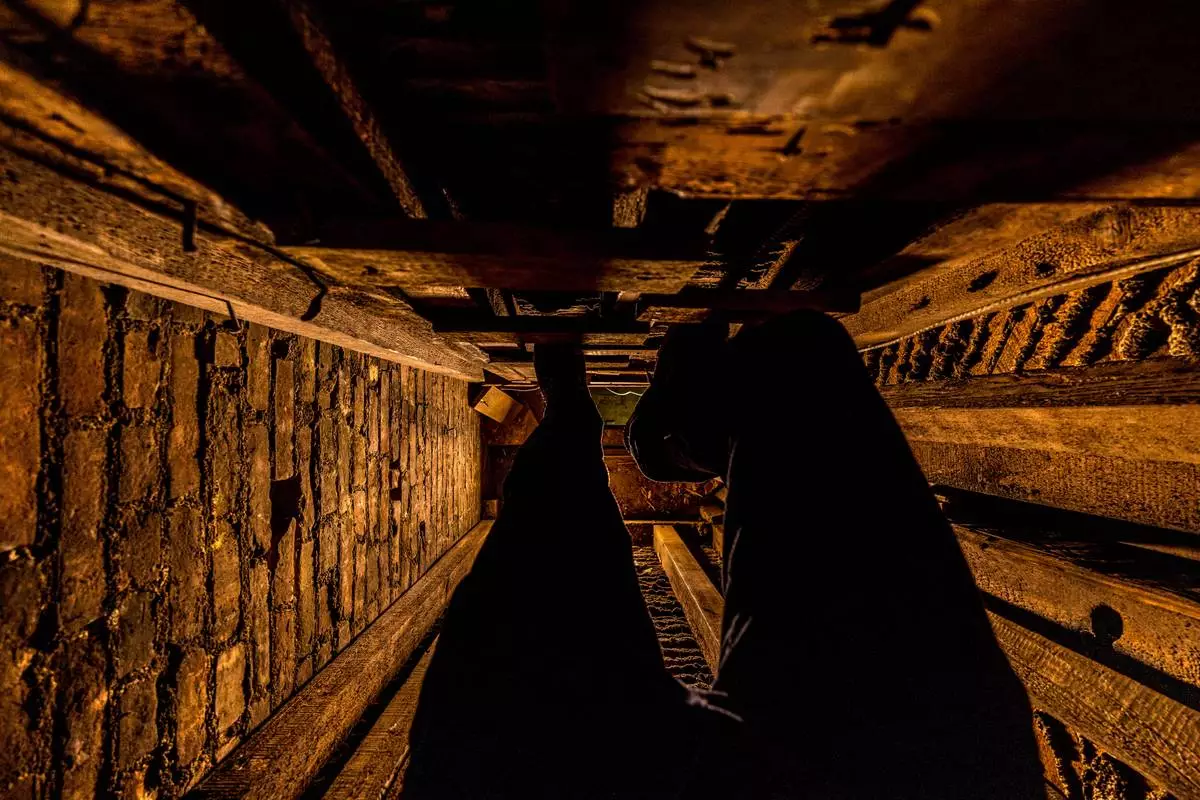
A passageway, believed to have been used as part of the Underground Railroad, is hidden in the base of a dresser inside the Merchant’s House Museum in New York on Feb. 19, 2026. (Max Touhey/Merchant's House Museum via AP)
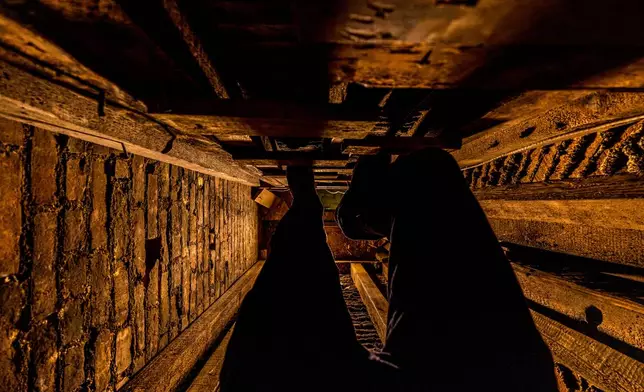
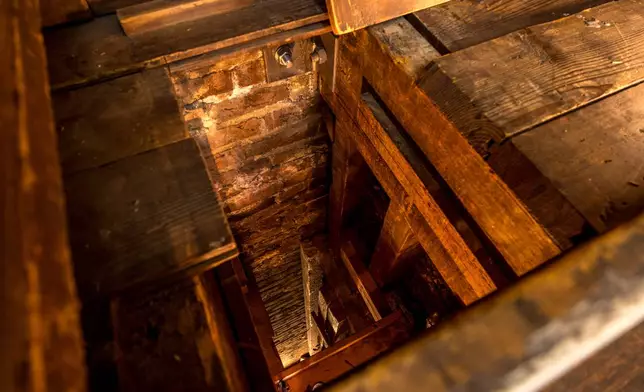
A passageway, believed to have been used as part of the Underground Railroad, is hidden in the base of a dresser inside the Merchant’s House Museum in New York on Feb. 19, 2026. (Max Touhey/Merchant's House Museum via AP)
A passageway, believed to have been used as part of the Underground Railroad, is hidden in the base of a dresser inside the Merchant’s House Museum in New York on Feb. 19, 2026. (Max Touhey/Merchant's House Museum via AP)
The discovery has substantially raised the museum's foot traffic, along with hopes of staving off a possible nine-story mixed-use building next door because building it could damage the walls and foundation of the adjacent historic site.
“What our engineers are saying is that there really is no way that a building of that size is built immediately next door to the museum without causing significant structural damage to our historic building,” said Emily Hill-Wright, the museum’s director of operations.
The New York City’s Landmarks Preservation Commission has been weighing whether to approve the development. Consultants and architects working on the project say the museum should not be heavily impacted.
Revelations about the newly explained passageway come as an executive order by President Donald Trump is being used to remove references and imagery of slavery from the nation’s museums, parks and landmarks.
New York-based civil rights activist Al Sharpton has cast the fate of the Merchant's Museum House as a fight for Black and American history.
“When engineers tell me that an African American heritage site is in danger of structural compromise or any other sort of irreversible damage, I listen,” Sharpton said in a statement last week.
The Merchant's House Underground Railroad passageway lies beneath a 2-foot-by-2-foot wooden hatch hidden under a dresser drawer in the second floor hallway. It goes down a 15-foot (4.5 meters) shaft with a built-in ladder. The passageway was first found in the 1930s as the home was being turned into a museum, but it wasn't until 2024 that it came to light the home's first owner, Joseph Brewster, was an abolitionist.
“It’s not a dumbwaiter. It’s not a laundry chute,” Hill-Wright said. “We’re able to sort of cross off all of these other theories about what this might have possibly been used for.”
The findings have drawn preservationists, history buffs and the general public.
“February was our highest month for visitors in over a year,” Hill-Wright said. “You almost get choked up because it is a very visceral experience to see it with your own eyes.”
The Underground Railroad network was established by Harriet Tubman, who herself escaped slavery in 1849 and ended up living in Philadelphia. The operation is credited with facilitating the escape of numerous enslaved Black men and women. Tubman used her experiences as a scout, spy and nurse for the Union Army during the Civil War and personally guided 150 Black soldiers on a gunboat raid in South Carolina.
At the time the Brewster home was built, assisting someone through the Underground Railroad was against the law in New York City. There would have been “severe penalties,” said Jacob Morris, director of the Harlem Historical Society. There are documented cases of abolitionists getting attacked for protecting enslaved escapees.
“Bounty hunters were all over the place in New York City. They made their living on catching freedom-seeking Blacks,” Morris said. “If you got caught helping Blacks escape from slavery, a mob could come and burn down your house and beat you up. And maybe even tar and feather you or worse.”
Tang reported from Phoenix.
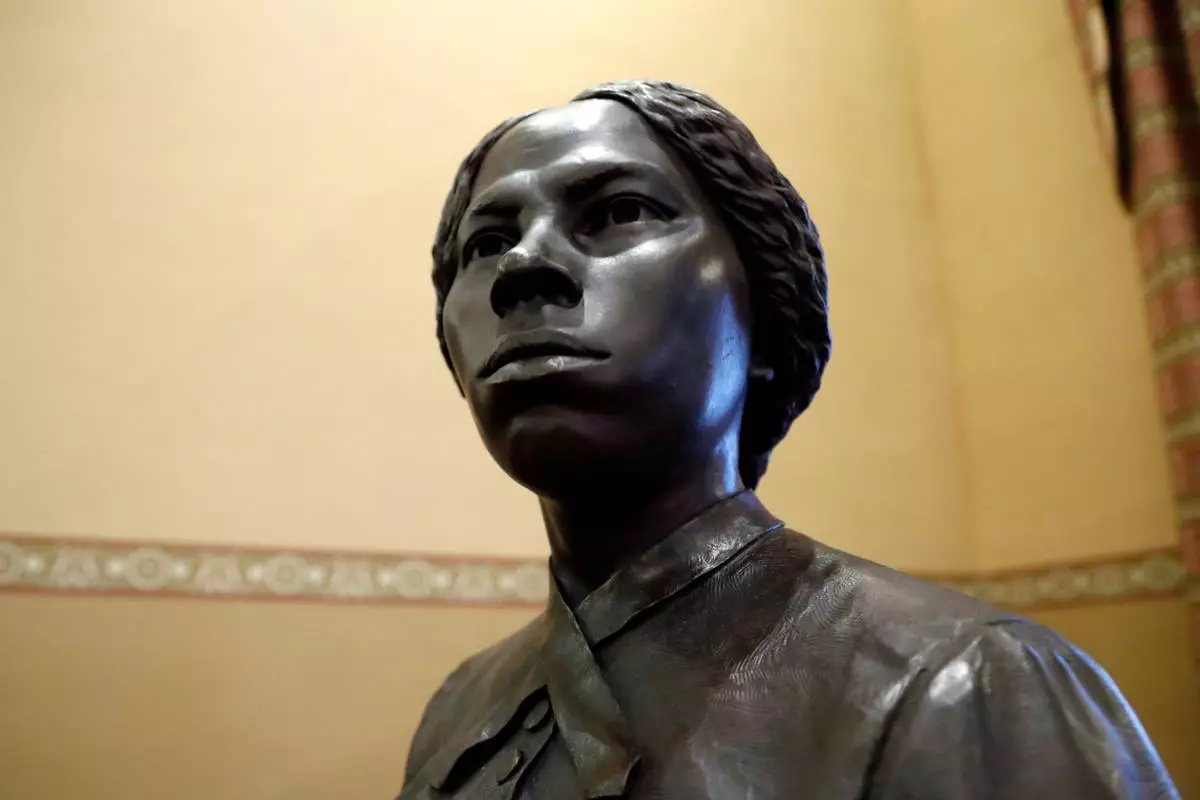
FILE - A bronze statue of abolitionist Harriet Tubman is seen at the Maryland State House, Feb. 10, 2020, in Annapolis. (AP Photo/Julio Cortez, File)
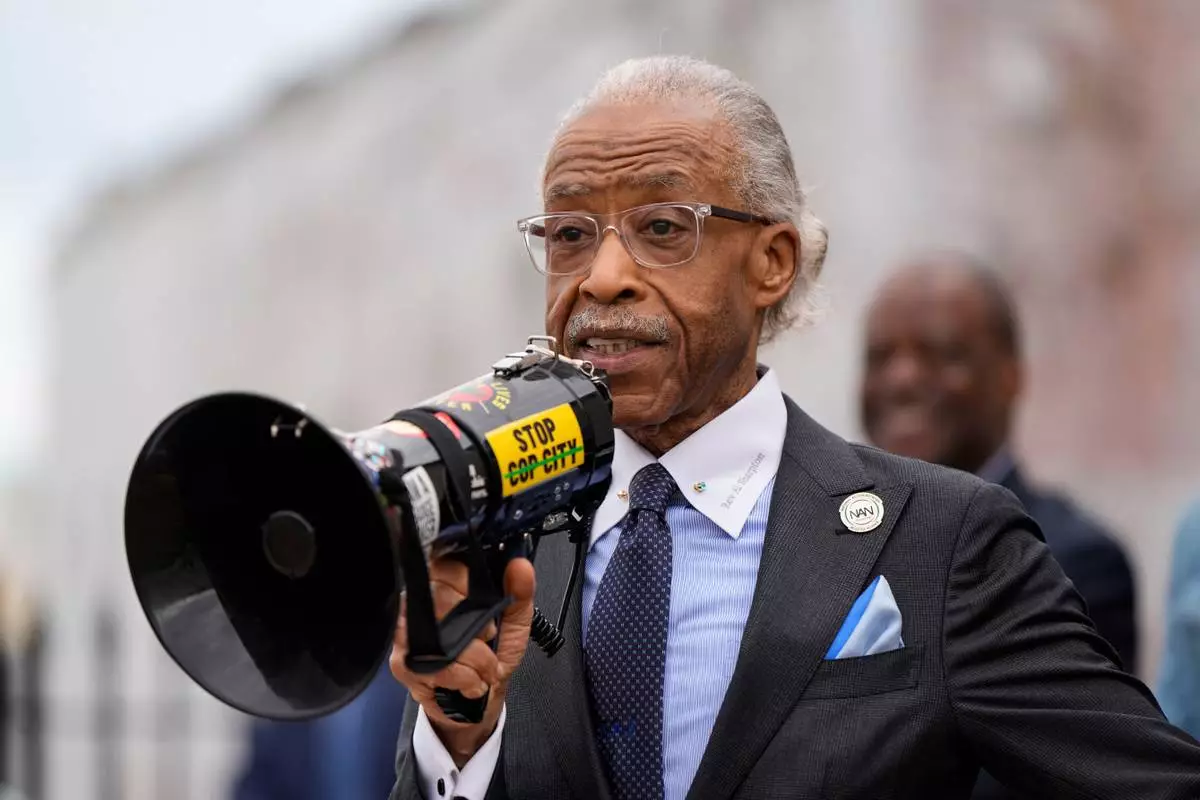
FILE - The Rev. Al Sharpton speaks ahead of the 61st Bloody Sunday Anniversary march, March 8, 2026, in Selma, Ala. (AP Photo/Mike Stewart, File)
A passageway, believed to have been used as part of the Underground Railroad, is hidden in the base of a dresser inside the Merchant’s House Museum in New York on Feb. 19, 2026. (Max Touhey/Merchant's House Museum via AP)
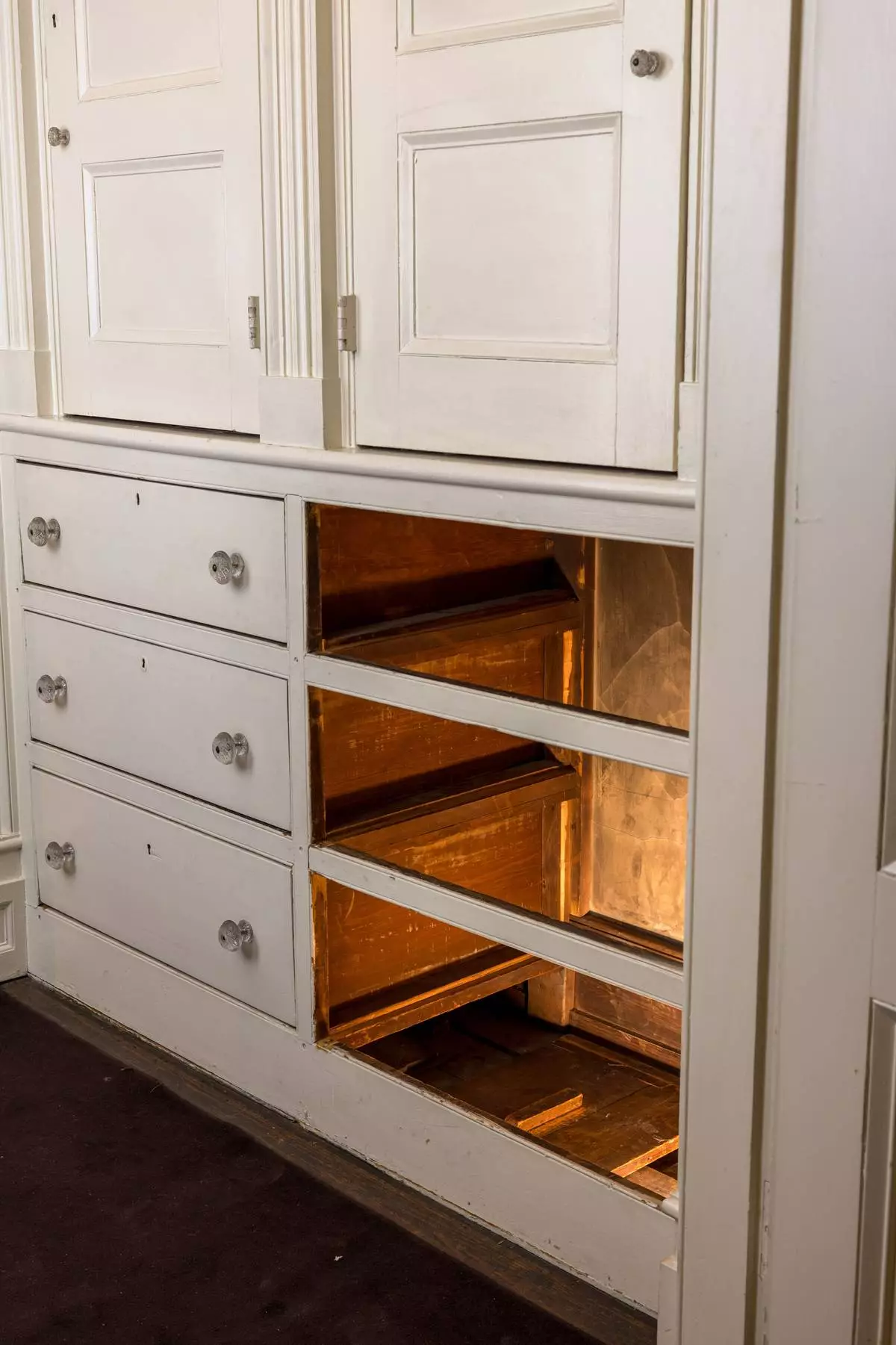
A passageway, believed to have been used as part of the Underground Railroad, is hidden in the base of a dresser inside the Merchant’s House Museum in New York on Feb. 19, 2026. (Max Touhey/Merchant's House Museum via AP)
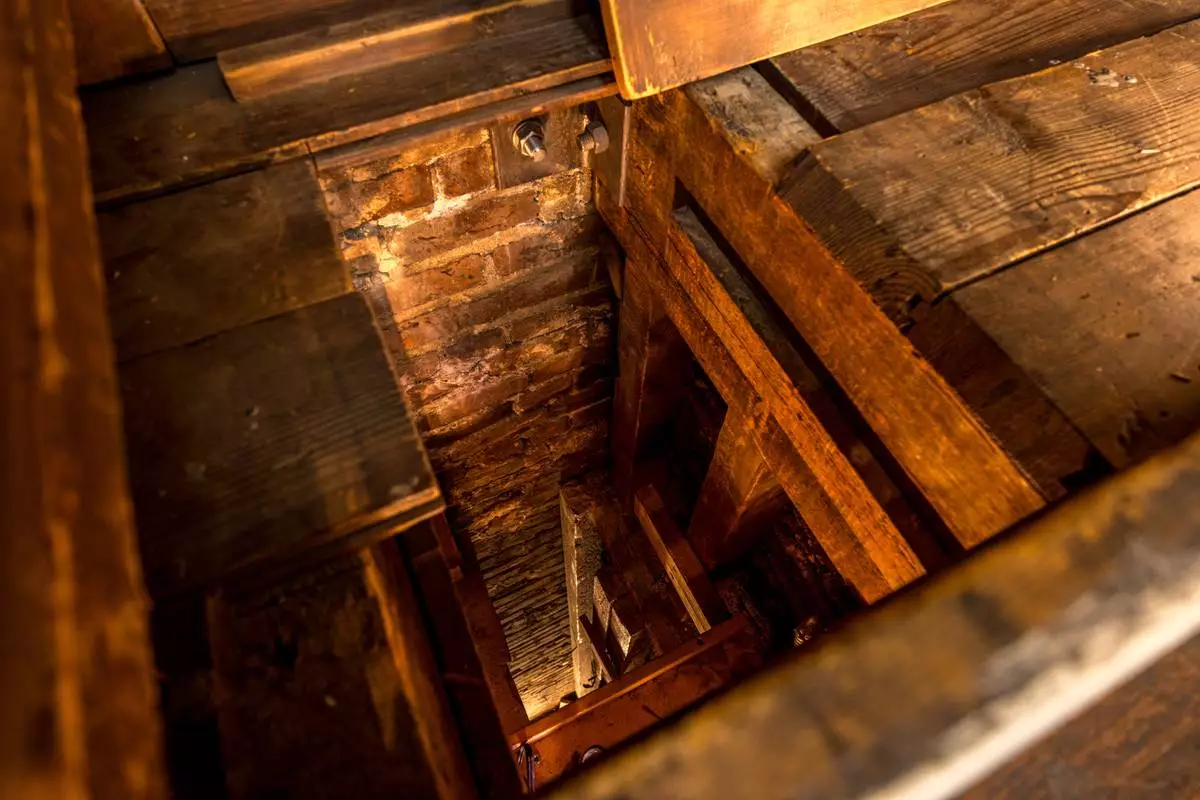
A passageway, believed to have been used as part of the Underground Railroad, is hidden in the base of a dresser inside the Merchant’s House Museum in New York on Feb. 19, 2026. (Max Touhey/Merchant's House Museum via AP)
MADRID (AP) — Noelia Castillo, a Spanish woman who sought euthanasia and fought a protracted legal battle with her family over her right to do so, received life-ending medicine on Thursday in Barcelona. She was 25.
EDITOR’S NOTE — This story includes discussion of suicide. If you or someone you know needs help, international helplines can be found at www.iasp.info/suicidalthoughts.
For nearly two years, Castillo pursued her right to die after her father put up a lengthy legal battle when a medical body in Catalonia approved her request for euthanasia in 2024.
As the family's struggle unfolded, Castillo’s case was closely followed in Spain, which passed legislation in 2021 enshrining the right to euthanasia and medically assisted suicide for patients meeting certain conditions. Castillo's young age, the public battle waged by her family to stop her and the circumstances that led her to seek euthanasia animated public opinion as the courts ultimately ruled in favor of her right to end her life.
“At last, I’ve managed it, so let’s see if I can finally rest now,” Castillo told Spanish broadcaster Antena 3 in an interview that aired Wednesday. "I just cannot go on anymore."
Castillo's parents opposed her decision up until the end, and were represented by the conservative Catholic organization Abogados Cristianos. The Catholic organization on Thursday confirmed that she had died at a Barcelona hospital outside of which a small group of people had gathered.
Attorney Polonia Castellanos, president of Abogados Cristianos, said Castillo's family was deeply disappointed with the outcome, and believed the Spanish government had abandoned and failed their daughter by allowing her to die.
“Death is the last option, especially when you’re very young," Castellanos said.
Castillo struggled with psychiatric illness since she was a teenager, and tried taking her life twice, she said, the second time after she was sexually assaulted. The injuries she suffered from her second suicide attempt in 2022 left her unable to use her legs and in a wheelchair.
The Associated Press does not identify people who say they have been sexually assaulted unless they come forward publicly, as Castillo has done.
In April 2024, Castillo solicited euthanasia with an independent body in Catalonia made up of doctors, lawyers and bioethics experts who deliberate on the application of Spain’s law.
The body approved Castillo’s request based on assessments that evaluated her condition as serious and incurable, and that the 25-year-old had severe, chronic and debilitating suffering.
Spain legalized physician-assisted suicide and euthanasia in 2021 for those suffering from terminal illness and for people with unbearable permanent conditions. The process involves submitting two requests in writing followed up by consultations with medical professionals not previously involved in the case. The law faced intense criticism from conservative political parties and the Catholic Church.
Castillo’s father appealed the Catalan body’s decision, and a court in August 2024 suspended the euthanasia request while it deliberated. Through Abogados Cristianos, Castillo's father argued that his daughter's mental illness rendered her incapable of making the decision to end her life.
When a Barcelona court ruled in favor of Castillo’s right to euthanasia, her father’s lawyers appealed again, with the case eventually reaching Spain’s Supreme Court. In January, the court upheld Castillo’s rights. Abogados Cristianos made a final attempt to halt the procedure by appealing to the European Court of Human Rights, which denied the request earlier this month.
Before Castillo died Thursday, Castellanos repeated her client's view that Castillo had a personality disorder, and said the case was an example of the euthanasia law failing citizens.
“I think this is proof of the failure of the law and that it has to be urgently repealed," she said. “We’ve been told it was a law for very extreme cases, for people who were very ill, who were practically dying. Here we see that it’s being used to end the life ... of a girl of only 25 years who has her whole life ahead of her and who has a treatable illness.”
Speaking to Spanish TV, Castillo said she did not want her family to be around when she died, claiming that she was misunderstood. She acknowledged the glaring media spotlight that her case had drawn.
“None of my family is in favor of euthanasia, obviously, because I'm another pillar of the family," she said, adding, “but what about the pain that I've suffered all of these years?”
A disability rights group in Madrid called for a review of Spain's euthanasia law, adding that it was essential to improve resources for those with disabilities, chronic illnesses or situations of high dependency.
“Before facilitating death, the system must effectively guarantee the conditions for living with dignity," said Javier Font, president of the Federation of Associations of People with Physical and Organic Disabilities of Madrid, in a statement.
Spain is among nine European countries with laws that allow people experiencing unbearable suffering to access assisted dying, according to Dignity in Dying, a U.K.-based rights group that advocates in favor of euthanasia and medically assisted suicide. The criteria vary by country.
Medically-assisted suicide involves patients themselves taking a lethal drink or medication that has been prescribed by a doctor while euthanasia involves doctors or health practitioners, under strict conditions, actively killing patients who meet certain conditions by giving them a lethal injection at their request.
Since Spain adopted its euthanasia law, 1,123 people have been administered life-ending medicine through the end of 2024, according to the country's health ministry.
Castillo said she never questioned her decision as she had to reassert her desire to end her life. The calculus for her was simple.
“The happiness of a father or a mother should not supersede the happiness of a daughter."
A previous version of the story incorrectly stated that Spain is among nine European Union countries with laws allowing some people to access to assisted dying. This version corrects it to say it is among nine European countries.
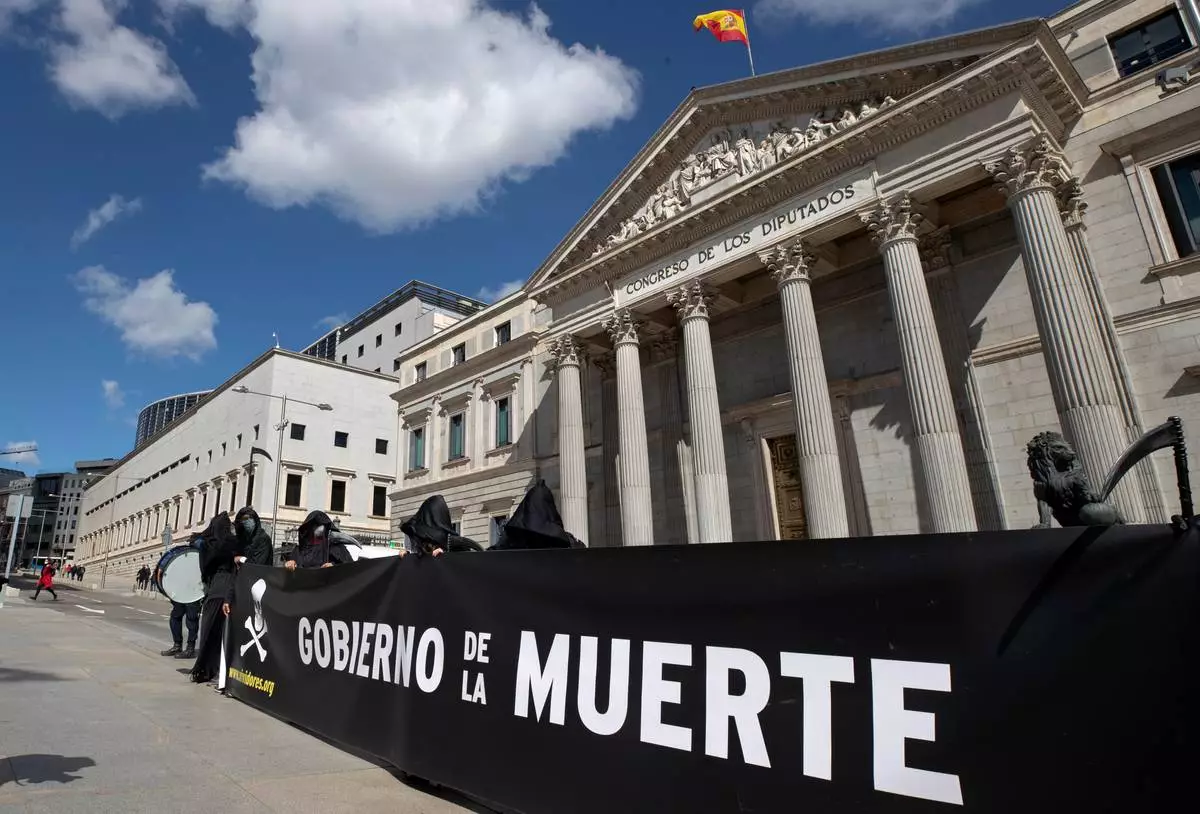
FILE - Anti euthanasia protesters stand outside the Spanish Parliament in Madrid, Spain, Thursday, March 18, 2021. Banner in Spanish reads: 'Government of Death'. (AP Photo/Paul White, File)