PRAGUE (AP) — An unknown perpetrator threw several Molotov cocktails at a Russian center in Prague promoting culture and history, Czech police said on Friday.
The incident in the Czech capital took place late Thursday and is now being investigated, they said.
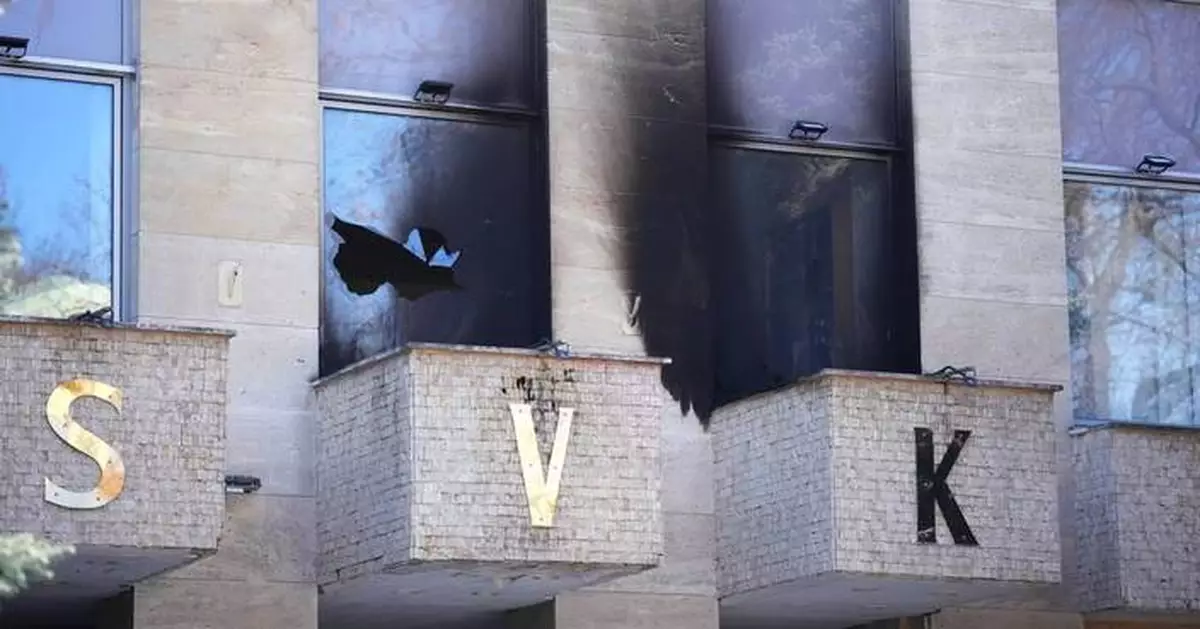
The building of the center did not catch fire. A photo shows a broken window while two windows and a wall are partly covered with smoke.
Known as the Russian House, the building is funded by the Russian state but doesn’t have diplomatic status.
The center said it organizes various cultural, educational and scientific programs and offers courses in the Russian language.
Its director, Igor Girenko, told the Russian state news agency Tass that three of the six Molotov cocktails did not explode.
Russian Foreign Ministry spokeswoman Maria Zakharova, called it “a barbaric act,” the agency said.
The Russian embassy in Prague has asked the Czech authorities to boost security of Russian institutions and its employees in the country.
Czech Interior Minister Lubomír Metnar called the attack “unacceptable.”
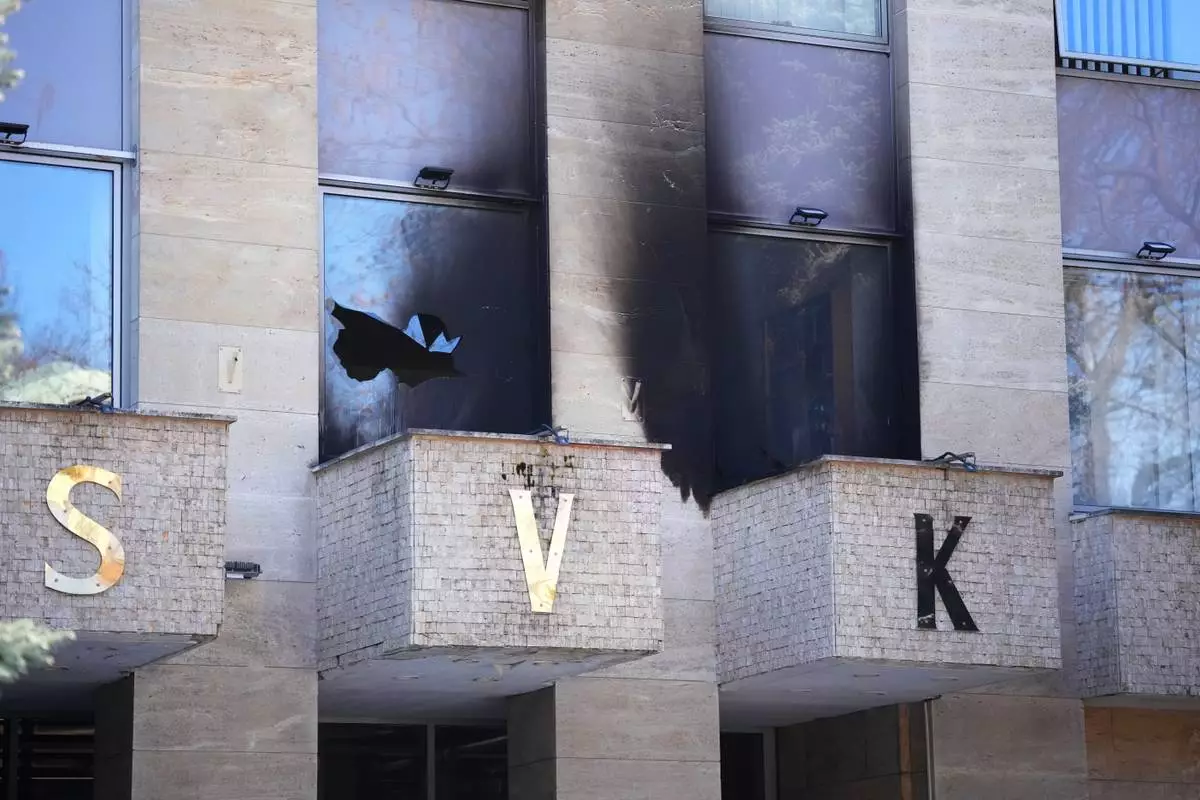
A damaged window and facade is seen after an unknown perpetrator threw several Molotov cocktails at a Russian center in Prague, Czech Republic, Friday, March 27, 2026. (AP Photo/Petr David Josek)
VIENNA (AP) — Austria's governing coalition on Friday announced plans to ban social media use for children under 14, joining a string of other countries in drawing up restrictions for young people.
Alexander Pröll, the official in Chancellor Christian Stocker's office responsible for digitization, said that draft legislation will be drawn up by the end of June. He said that “technically modern methods” of age verification will be used that allow users to verify their age while respecting their privacy.
It wasn't immediately clear when the plan to introduce a minimum age, which will need parliamentary approval, might take effect.
Australia in 2024 took the lead, becoming the first country to eject children under 16 from social media with the intention of protecting them from harmful content and excessive screen time. A similar ban in Indonesia is due to start taking effect on Saturday.
In Europe, lawmakers in France in January approved a bill banning social media for children under 15, paving the way for the measure to enter into force at the start of the next school year in September. Spain last month announced plans for a social media ban for under-16s. Denmark last fall announced an agreement for an access ban for under-15s. The British government said in January it would consider banning young teenagers from social media.
Austria's three-party centrist coalition is now joining the trend.
“Today is a good day for children for children in our country,” Vice Chancellor Andreas Babler said at a news conference. “In the future, we will protect children and young people with determination against the negative effects of social media platforms.”
“We will no longer look on as these platforms make our children addicted and often also sick,” he said.
The Austrian government plans to accompany the ban with an effort to beef up schools' teaching of how to use media and deal with artificial intelligence.
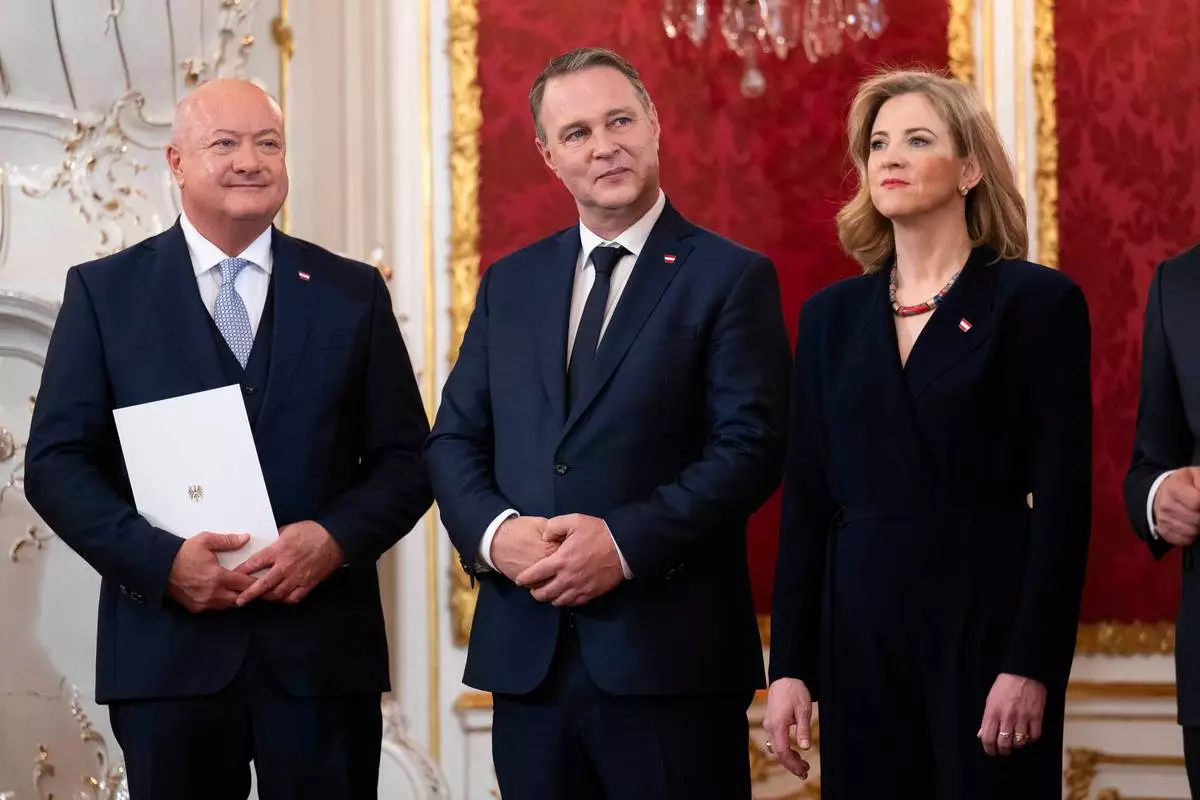
FILE - Chancellor Christian Stocker, left, Vice Chancellor Andreas Babler, centre, and Foreign minister Beate Meinl-Reisinger attend the swearing-in ceremony of the Federal Government in the presidential office at the Hofburg Palace, in Vienna, Austria, Monday, March 3, 2025. (AP Photo/Denes Erdos, File)
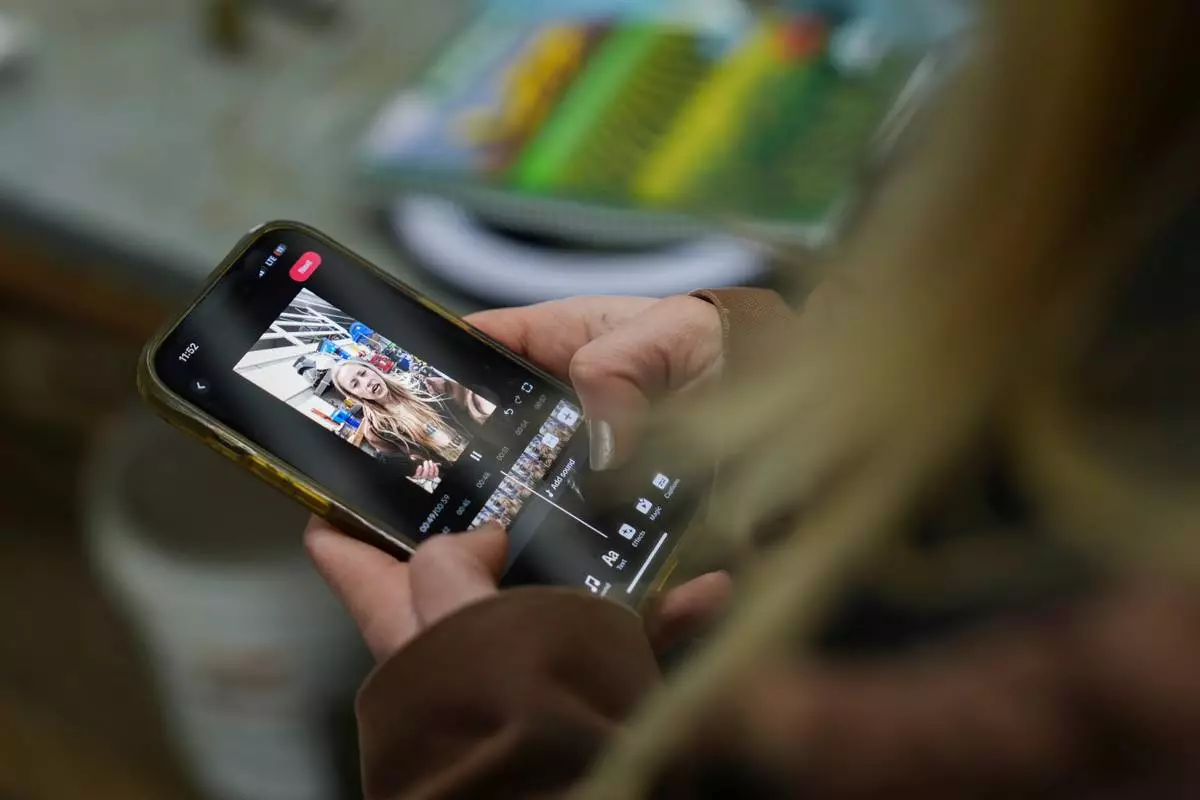
FILE - Zoe Kent edits a social media video on the TikTok app, Jan. 20, 2025, at her farm in Bucyrus, Ohio. (AP Photo/Joshua A. Bickel, File)
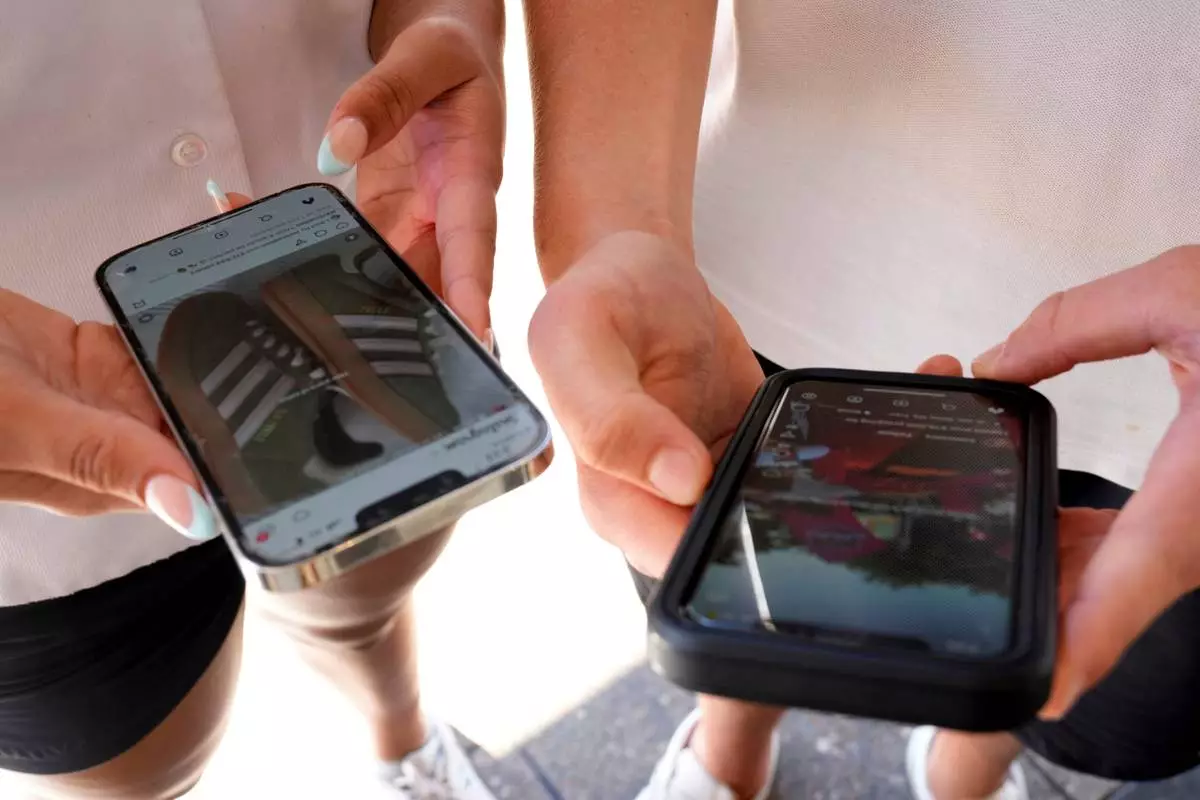
FILE - Young people use their phones to view social media in Sydney, Nov. 8, 2024. (AP Photo/Rick Rycroft, File)