Skip to Content Facebook Feature Image

Mexico says a third of 130,000 missing people might be alive, fueling criticisms by families

News

Mexico says a third of 130,000 missing people might be alive, fueling criticisms by families
News

News

Mexico says a third of 130,000 missing people might be alive, fueling criticisms by families

2026-03-28 03:28 Last Updated At:03:41

MEXICO CITY (AP) — Mexico's government said in a new report on Friday that it has identified signs of life for a third of the country's 130,000 registered missing people, an announcement that was quickly criticized by a number of search groups which called it an attempt to undermine the depth of Mexico’s disappearance crisis.

The government said that by cross-referencing things like vaccination records, birth and marriage registries and tax filings, officials found that 40,367 people — around 31% of reported disappearances — showed some activity in government records since they'd been reported missing.

Marcela Figueroa, a top security official, said that it indicated that those people might still be alive.

Using that search method, and consulting with a number of search groups, she said that the government was able to track down 5,269 people and mark them as "found."

Figueroa described many of those cases as “voluntary absences,” citing a number of examples of men leaving their partners for another woman being reported as missing and women running away from abusive relationships.

“Not all disappearances are the same,” she said, adding that the government was constantly working to locate Mexico's missing people.

But Héctor Flores, a leader of a search collective in the heart of Mexico’s disappearance crisis, the state of Jalisco, said that he saw the Friday report as “misleading” and said the government’s methodology lacked transparency.

Groups like his have accused the government for years of trying to disappear the disappeared to save face on an international stage. Historic impunity in such cases has fueled distrust among families who believe that changes to the registry could cut real cases from the list and hinder search efforts.

“For us, it’s just another attempt by the administration to hide and downplay the numbers and continue to paint a picture that doesn’t reflect the reality of what we’re living through,” said Flores, whose 19-year-old son was forcibly disappeared by agents from the Jalisco state prosecutor’s office in 2021.

According to figures shared Friday, 46,000, or 36%, of those registered as disappeared had missing data like names and dates that made searches impossible.

Meanwhile, 43,128, or 33%, showed no registered activities in government databases. Of those, less than 10% are under criminal investigation, something Figueroa called a failure by Mexican authorities.

Figueroa also said that the government was more vigorously “monitoring” local prosecutor's offices that have failed to investigate and accurately document cases of missing people, and has sought to boost the number of cases being investigated.

“Society and the families can trust in the records and better tools to search for people,” Figueroa said.

The reinterpreted figures are part of a larger effort to bring order to a convoluted dataset that connects to a collective trauma scarring the Latin American nation, and cuts to the heart of a fierce argument over how Mexico tracks its disappearance crisis.

Forcibly disappearing people has long been a tactic by cartels to consolidate control through terror while also concealing homicide numbers. The 130,000 people registered as missing since 2006 is enough to fill a small city and the faces of missing people on fliers line the streets of Mexico's biggest cities.

The controversy stretches back years, but festered under ex-President Andrés Manuel López Obrador, who was in office from 2018-2024. His government launched a census of the disappeared after claiming that the figures had been inflated to make him look bad.

A cascade of criticisms in 2023 led to the resignation of the official leading the search for the disappeared.

Mexico's government has said that the official registry of disappeared is an overcount, often marred by faulty data from local prosecutor's offices and cases of people being reported missing two or three times.

Search groups like Flores' and the U.N. Committee on Enforced Disappearances have argued that the real number is likely higher than the official stats because of failures by local governments, fear by some families to report missing cases and a lack of “clear and transparent" data.

The human rights group Miguel Agustín Pro Juárez Human Rights Center on Friday said in a statement that while it welcomed efforts to make the data more reliable, the way officials framed the data “minimizes the state’s responsibility” in the disappearance crisis and does little to aid families who often have to take justice into their own hands and search for their missing loved ones themselves.
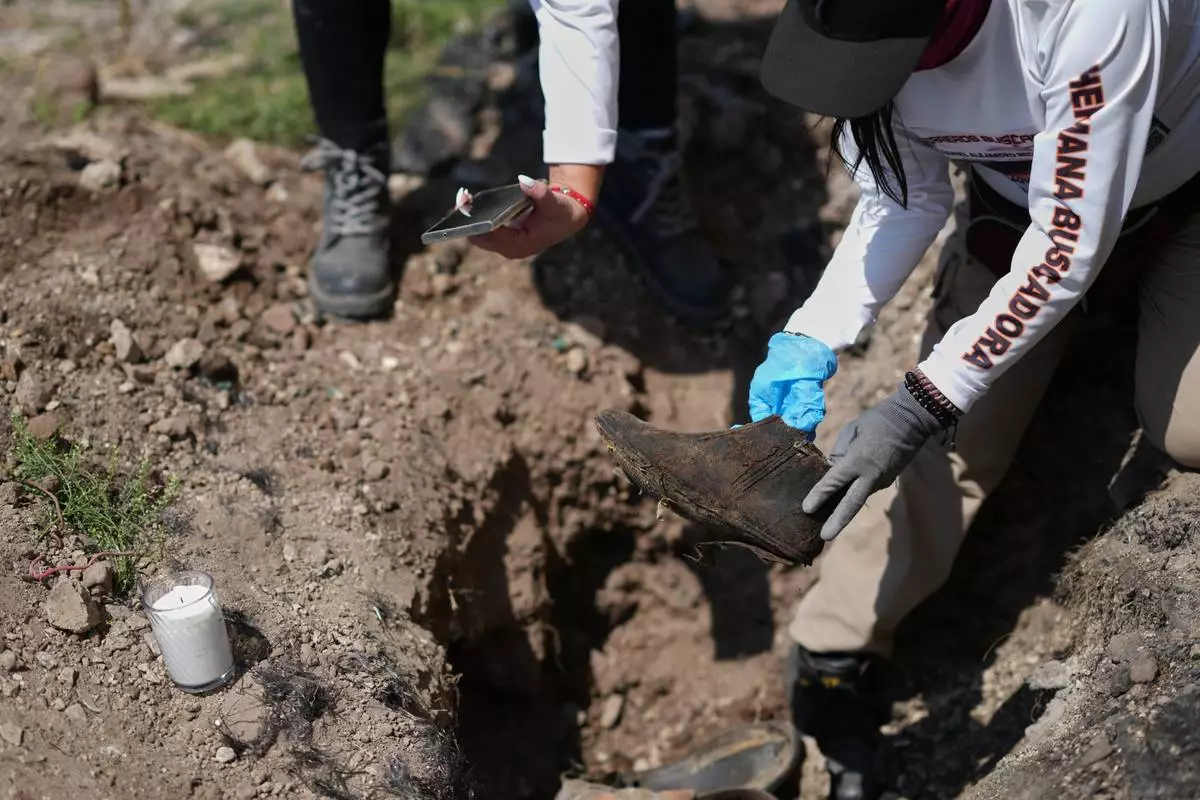
Relatives of missing people, part of a group called the Guerreros Buscadores, hold a shoe they found among skeletal remains buried in Tlajomulco de Zuniga, on the outskirts of Guadalajara, Mexico, Tuesday, March 24, 2026. (AP Photo/Eduardo Verdugo)
Relatives of missing people, part of a group called the Guerreros Buscadores, hold a shoe they found among skeletal remains buried in Tlajomulco de Zuniga, on the outskirts of Guadalajara, Mexico, Tuesday, March 24, 2026. (AP Photo/Eduardo Verdugo)
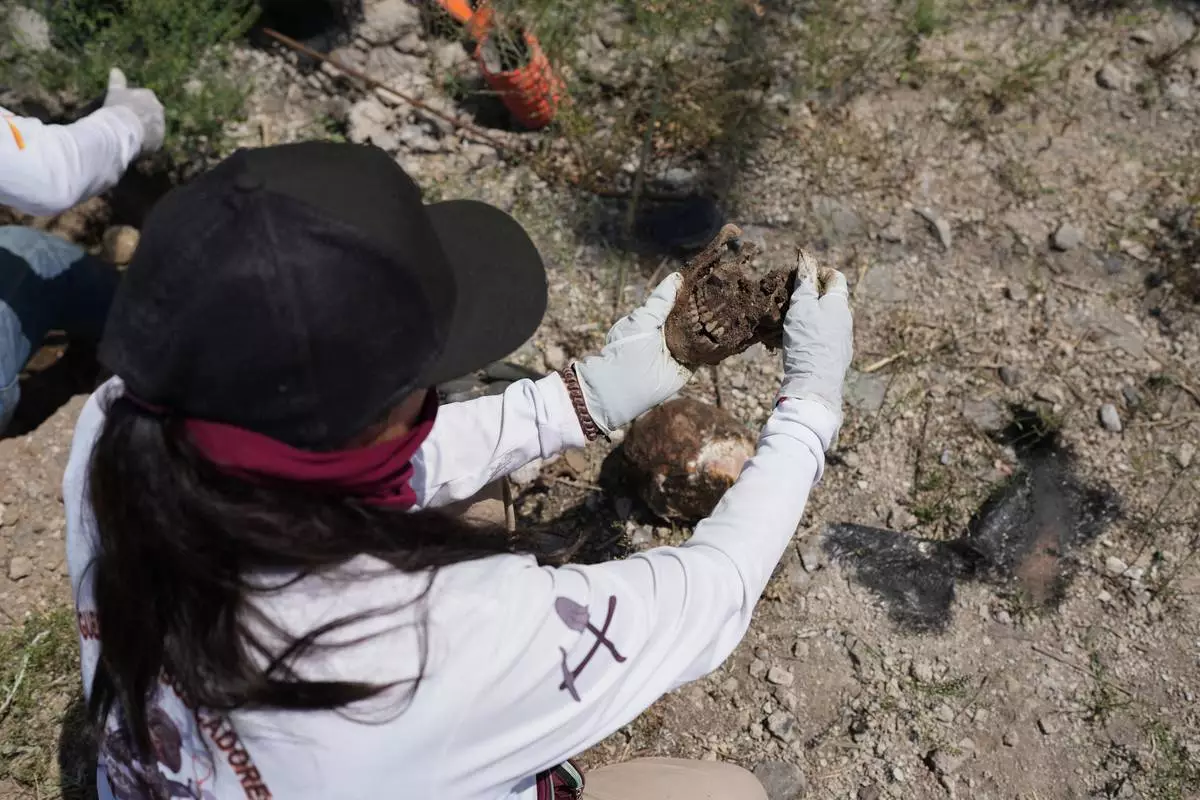
Relatives of missing people, part of a group called the Guerreros Buscadores, hold skeletal remains found buried in Tlajomulco de Zuniga, on the outskirts of Guadalajara, Mexico, Tuesday, March 24, 2026. (AP Photo/Eduardo Verdugo)
Relatives of missing people, part of a group called the Guerreros Buscadores, hold skeletal remains found buried in Tlajomulco de Zuniga, on the outskirts of Guadalajara, Mexico, Tuesday, March 24, 2026. (AP Photo/Eduardo Verdugo)
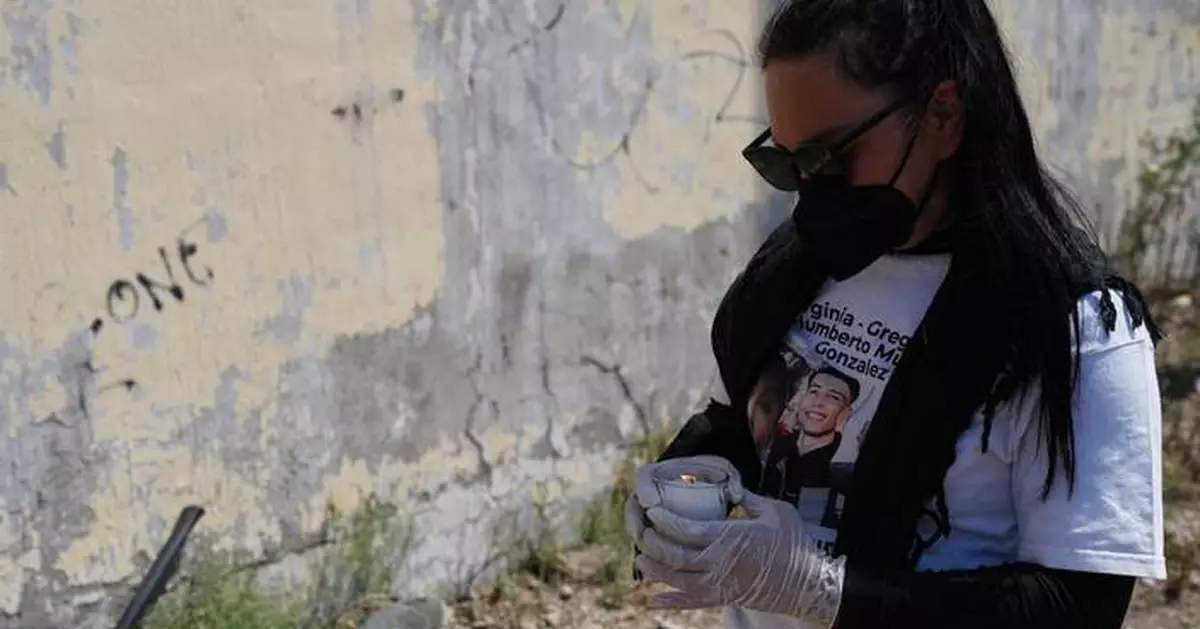
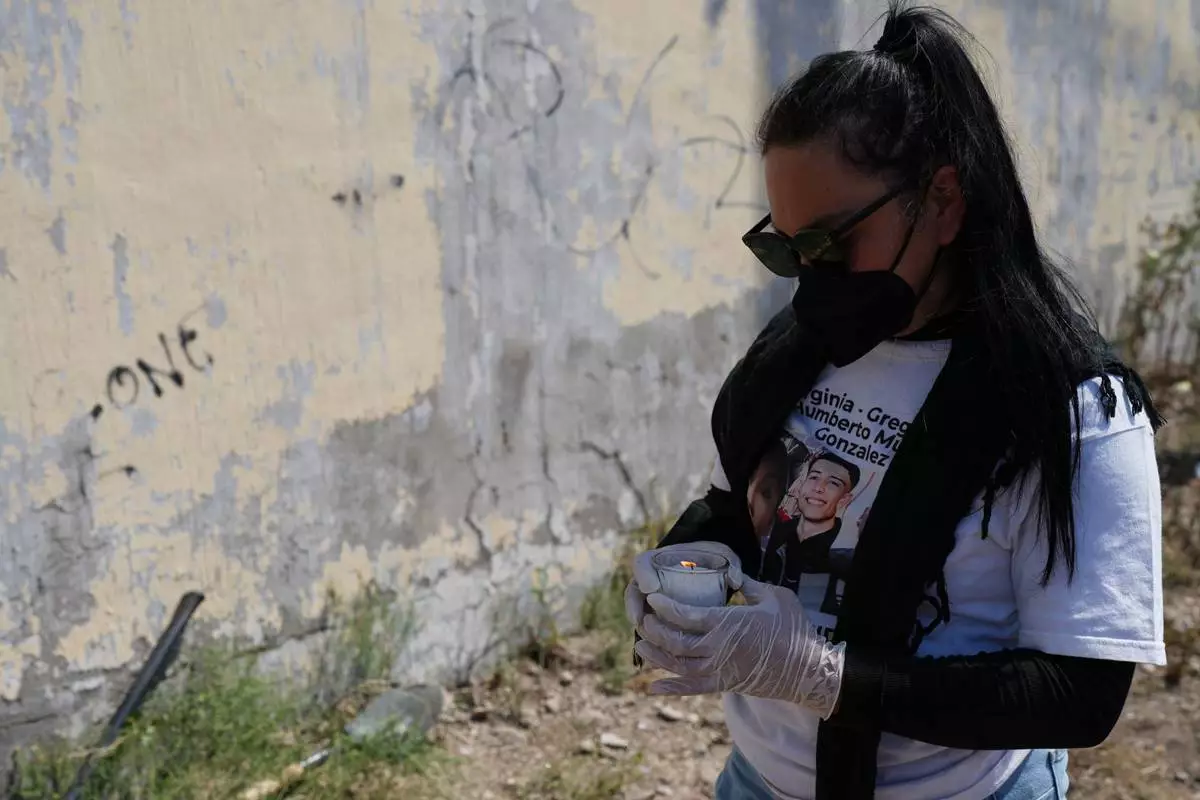
A relative of a missing person, part of a group called the Guerreros Buscadores, lights a candle after finding skeletal remains buried in Tlajomulco de Zuniga, on the outskirts of Guadalajara, Mexico, Tuesday, March 24, 2026. (AP Photo/Eduardo Verdugo)
A relative of a missing person, part of a group called the Guerreros Buscadores, lights a candle after finding skeletal remains buried in Tlajomulco de Zuniga, on the outskirts of Guadalajara, Mexico, Tuesday, March 24, 2026. (AP Photo/Eduardo Verdugo)

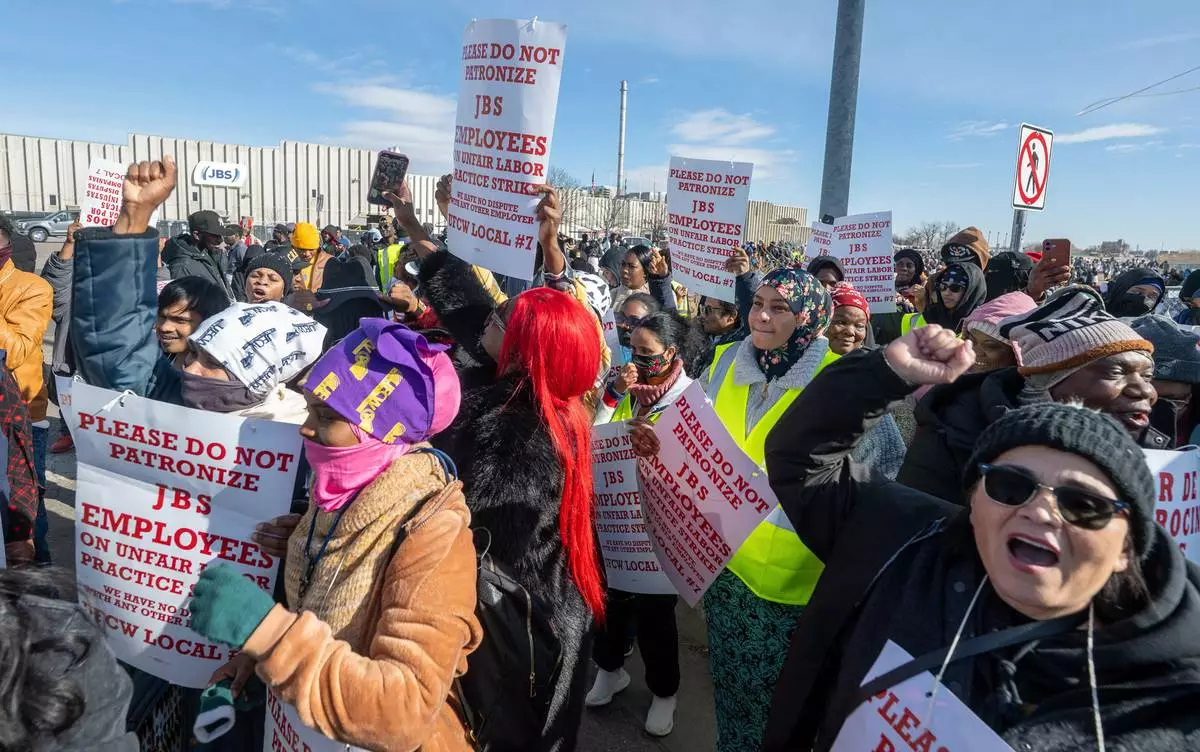
DENVER (AP) — Thousands of striking workers at one of the nation's largest meatpacking plants will extend their walkout to a third week as they push for higher wages and better health care.

Industry experts said it’s too early to know if the strike that began March 16 at the Swift Beef Co. plant in Greeley, Colorado, will impact retail beef prices that already had soared to record levels.

“The workers know the value of their labor,” union President Kim Cordova said Friday. “This could be a long, drawn out fight.”

Owner JBS USA said Friday that it's operating the plant at limited capacity and has shifted beef production elsewhere to meet customers needs.

With negotiations stalled, the company remains in a strong position relative to the striking workers, said Jennifer Martin at Colorado State University’s animal sciences department.

That's because the industry is suddenly less burdened by excess slaughter capacity that had been keeping profit margins low. Now amid the Greeley strike and other slaughter plant capacity reductions — including the closure of a major Tyson Foods’ plant in Nebraska — companies are seeing profits increase, Martin said.

“It’s not necessarily in favor of the employees,” she added. “The lack of harvest capacity at one facility right now might actually be a benefit to the larger industry in the sense of improving (profit) margins.”

It’s the first strike at a U.S. slaughterhouse since workers walked out at a Hormel plant in Minnesota in 1985. That strike lasted more than a year and included violent confrontations between police and protesters.

The Greeley strike began with support from 99% of the plant’s 3,800 workers who belong to the United Food and Commercial Workers Local 7 union. Thousands have showed up at the picket line over the past two weeks.

Union officials say the company’s offer of 2% wage hikes is less than inflation.

JBS said its contract offer is consistent with a deal reached with UFCW union workers at other plants. But Cordova said Colorado has a higher cost of living than those other locations and health care costs ate up much of the wage increase.

JBS is the world’s largest meatpacking company with a market capitalization of $17 billion. It's the top employer in Greeley, a city 50 miles (80 kilometers) northeast of Denver with a population of about 114,000 people.

“We are maintaining supply, supporting the long-term stability of the beef chain, and minimizing disruption for producers, customers, and consumers,” JBS spokesperson Nikki Richardson said in an email. “Our priority is to keep product moving while we work toward a resolution in Greeley.”

In 2020, the Greeley plant was the scene of Colorado’s deadliest workplace coronavirus outbreak, with 291 infections and six deaths among plant workers. During the outbreak, President Donald Trump issued an executive order to keep meatpacking plants across the U.S. open over concerns about the pandemic's impact on the nation’s food supply.

Federal regulators later fined JBS $15,615 for failing to protect its employees.

In the wake of the pandemic, beef companies invested billions of dollars to increase slaughter capacity and ensure enough meat would be available for consumers, Martin said.

But recent years have seen U.S. cattle numbers drop to a 75-year low, driven in part by drought and low prices offered to ranchers. That's meant the additional slaughter capacity is not as needed, Martin said.

JBS was approved for trading on the New York Stock Exchange last May, despite environmental opposition and a federal probe that led to its guilty plea for bribing Brazilian officials for the financing it used for its U.S. expansion.

Brown reported from Billings, Montana.

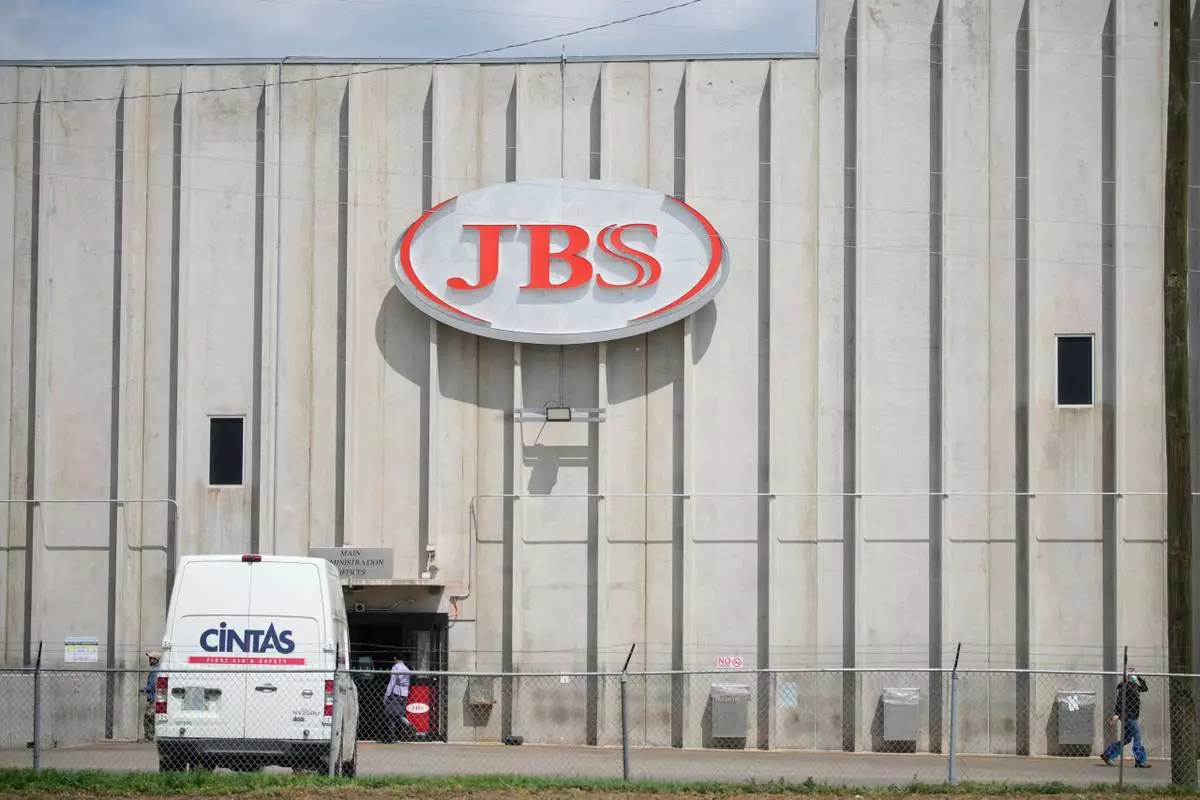
FILE - Employees walk in front of the entrance to the JBS meat processing plant, July 23, 2021, in Greeley, Colo. (AP Photo/David Zalubowski, File)

FILE - Employees walk in front of the entrance to the JBS meat processing plant, July 23, 2021, in Greeley, Colo. (AP Photo/David Zalubowski, File)

Workers from the JBS Beef Plant protest across the road from the plant on March 16, 2026 in Greeley, Colo. Nearly 3800 workers with the United Food & Commercial Workers (UCFW) are on strike protesting unfair work conditions. (Jerilee Bennett/The Gazette via AP)

Workers from the JBS Beef Plant protest across the road from the plant on March 16, 2026 in Greeley, Colo. Nearly 3800 workers with the United Food & Commercial Workers (UCFW) are on strike protesting unfair work conditions. (Jerilee Bennett/The Gazette via AP)

Recommended Articles