Jordan's tourism sector, having only recently shown signs of recovery, was dealt a heavy blow as visitor arrivals plunged following U.S. and Israeli strikes against Iran began on February 28.
The ancient city of Petra, a UNESCO World Heritage Site and Jordan's most iconic archaeological attraction, is among the hardest-hit areas, as its economy relies heavily on tourism.
"The cancellation rate of tourist bookings has already reached 100 percent, and the occupancy rate of hotels is extremely low," said Yazan Mahadin, commissioner of Petra Archaeological Park and Tourism Affairs.
The sharp drop in tourist numbers has triggered a rapid decline in local revenue. Businesses now open to deserted streets, forcing many operators to consider cost-cutting measures or even temporary closures.
"Right now, all of us are gritting our teeth to get by. Many have started cutting back and responding cautiously. But if this drags on for another two to three months, it will be extremely difficult," said Abdullah Al-Nawafleh, a souvenir store owner.
Facing a persistently sluggish market, Jordanian authorities have implemented a range of measures to revive tourism. At the same time, officials are also sending signals to the international community to reassure them that Jordan is safe and stable.
Industry insiders, however, say the tourism recovery still depends heavily on regional developments, as short-term uncertainty remains high.
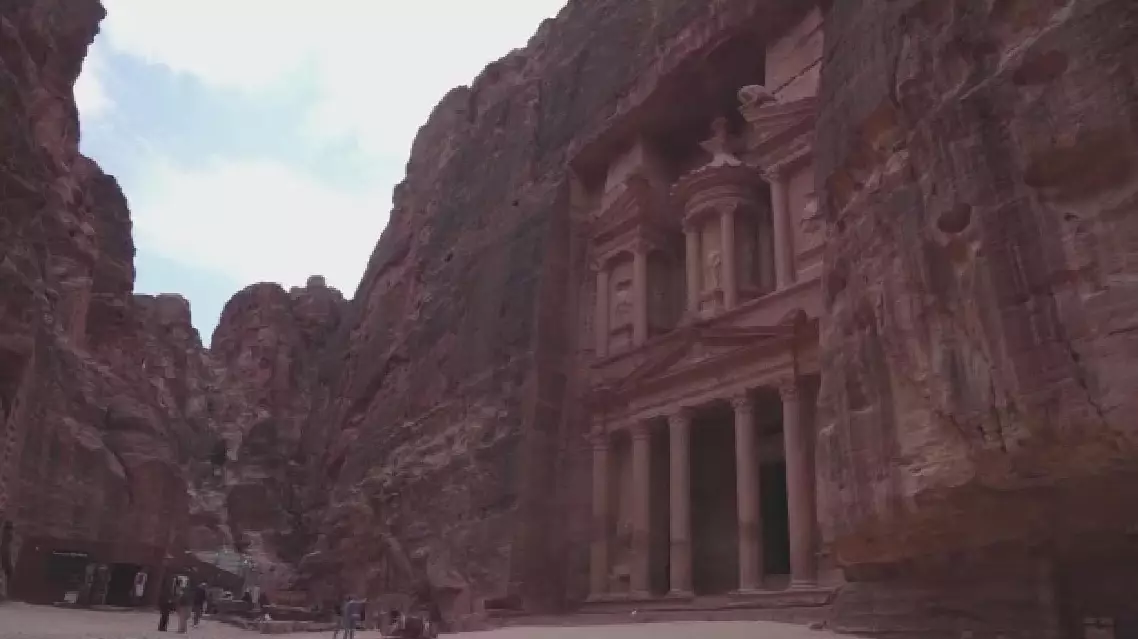
Jordanian ancient Petra city suffers tourism setback from regional war