South Africa is set to take a significant step in its trade relationship with China as the negotiations on the "Early Harvest Agreement" under the Framework Agreement on Economic Partnership are being finalized.
It comes as Chinese Vice President Han Zheng visited the African country this week, aiming to deepen trade ties between the two countries.
Signed during a visit to China by South African Minister of Trade, Industry, and Competition Parks Tau in early February, the Framework Agreement on Economic Partnership lays the foundation for the "Early Harvest Agreement", which is set to grant duty-free access for South African exports to the Chinese market and create more favorable conditions for increased Chinese investment in South Africa.
"Together we have built bridges of trade and investment, strengthened the pillars of cooperation and opened doors of opportunity for our peoples. We have also expanded sectoral collaboration in broad areas of tourism, mineral resources, environment, science and technology, education and culture," said South African Deputy President Paul Mashatile at the China-South Africa Economic and Trade Cooperation Forum in Cape Town on Friday.
Han Zheng attended the forum, which was jointly organized by the China Council for the Promotion of International Trade (CCPIT) and South Africa's Department of Trade, Industry and Competition, with over 350 participants attending.
"Duty-free access for South African exports not only makes it profitable for Chinese firms to source semi-processed and finished goods from South Africa, but it also makes the prospect of building local processing plants more viable," said Mashatile.
China has remained South Africa's largest trading partner for many consecutive years, with bilateral trade in 2025 reaching 53.58 billion U.S. dollars.
That figure is expected to grow, particularly as key mineral and agricultural exports gain greater access to the Chinese market.
"We've opened up a lot of agriculture products, avocados, stone fruits, to the Chinese market, but also we're looking to expand that. We're looking to expand and do honey bush, cherries and amarula," said Alexandra Abrahams, South African deputy minister of trade, industry and competition.
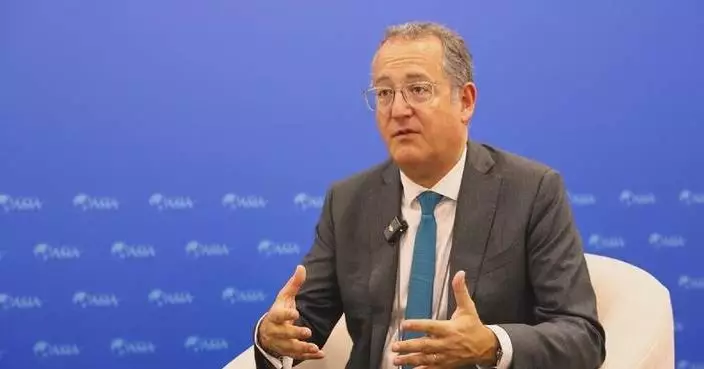
"Analyzing these trade patterns does allow us to start pinpointing those areas as products and services, where we can perhaps attract more Chinese investment into South Africa, but also where we, through a complementarity process, can export some of those products," said Stavros Nicolaou, group senior executive for Strategic Trade for Aspen Pharmacare Holdings.
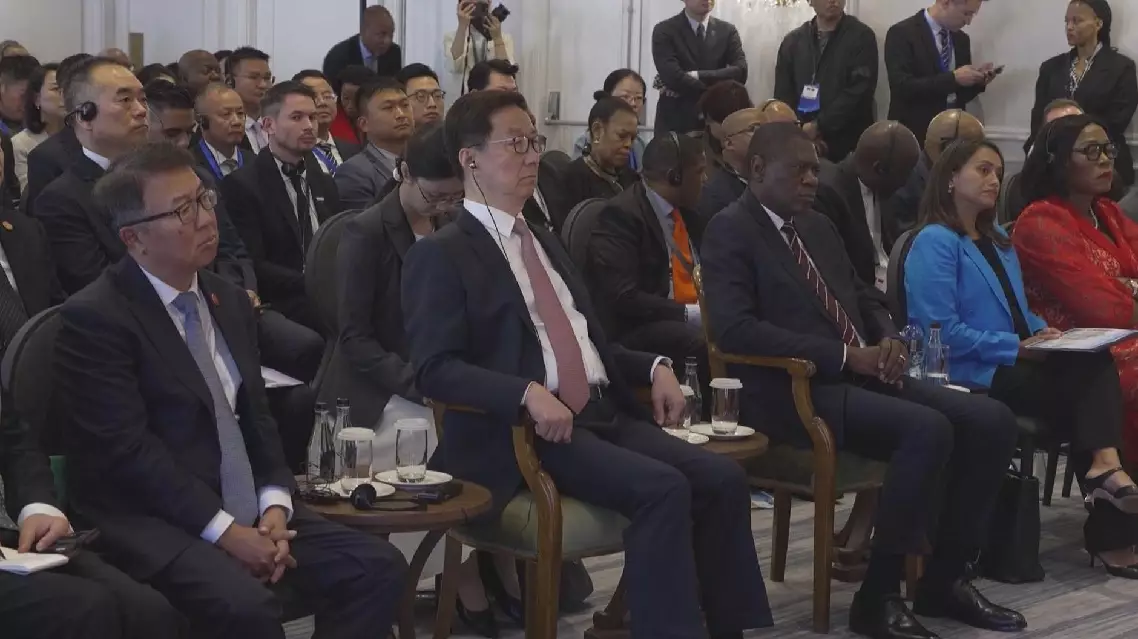
South Africa banks on Early Harvest Agreement to boost exports to China
Springtime flower-viewing tours are emerging as a major attraction across China ahead of this year's Qingming Festival, with cities and rural destinations rolling out cultural performances, interactive travel services and countryside experiences to lure visitors and boost the tourism economy.
Falling on April 5 this year, the Qingming Festival, or Tomb-Sweeping Day, is a traditional Chinese festival for honoring the deceased and paying tributes to ancestors. The three-day holiday also provides a short break for Chinese citizens to enjoy outdoor activities and sightseeing in pleasant springtime temperatures.
In north China's Tianjin Municipality, both locals and tourists from other parts of the country have gathered for a begonia flower festival, running from Saturday to April 12, which features 123 performances throughout the event.
At the city's well-known Wudadao historical urban area, or the Five Great Avenues, begonia blossoms are now in full bloom, while newly launched sightseeing carriages have added a fresh highlight, bringing in a larger influx of visitors ahead of the holiday.
To enhance the festive atmosphere, nearly 200 local businesses have decorated their storefronts in a festival theme.
Tianjin has also introduced new efforts to integrate culture, tourism and commerce. A locally developed mini-program as well as multiple interactive games combine festival schedules, guided maps, recommended routes and discount coupons, allowing tourists to access services and unlock surprises during their visits.
During last year's three-day Qingming holiday, the festival helped major scenic spots and commercial areas in the city's Heping District receive more than 3 million visits, generating over 800 million yuan (about 116 million U.S. dollars) in combined tourism-related revenue.
This year, local authorities expect both visitor numbers and overall revenue to rise even further.
Similar momentum is also being seen in central China's Hunan Province. In Xiangfeng Village in Changsha City, rapeseed flowers are now in full bloom, drawing crowds of holiday travelers and turning the village into a popular flower-viewing destination on the outskirts of the provincial capital ahead of Qingming.
The village has developed more than 10 featured courtyard-style businesses, including teahouses, eco-farms, yoga courses and rural art centers.
These venues cover a wide range of services such as dining, team-building, wellness, art education and camping, helping build a diversified rural industry that combines agricultural tourism, wellness tourism and commercial tourism.
In the first quarter of this year alone, the village received about 120,000 tourist visits, generating 4.8 million yuan (around 698,000 U.S. dollars) in tourism income.
The growing courtyard economy has helped turn natural scenery into real economic gain, creating jobs for villagers and providing them with a steady increase in income.
In east China's Anhui Province, spring blossoms are also bringing a boost to rural tourism.
On the shores of Jianshan Lake in Chaohu, Hefei City, blooming peach flowers and rapeseed flowers have attracted large numbers of tourists in recent days.
Jianshan Lake, a reservoir covering over 50 hectares, has also become a hub for both professional and recreational water activities.
While trained athletes practice motorboat events on the lake, ordinary visitors can also enjoy boat rides and go-kart-style watercraft experiences.
The area has further enriched its tourism offerings with camping zones, a pet-themed park and fruit-picking gardens, providing a wider range of activities for holiday travelers.
The integrated development of agriculture, culture and tourism has also created new employment opportunities for local residents, enabling more villagers to find jobs closer to home and improve their incomes as the spring tourism season gains pace.
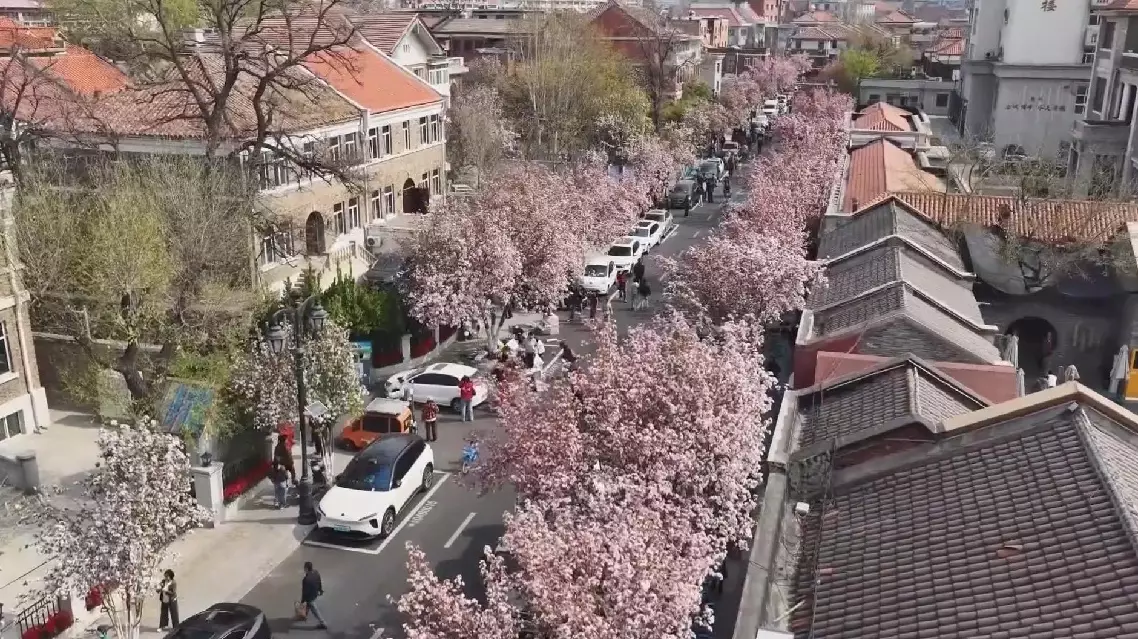
Tourism, culture, commerce blend across China during Qingming Festival holiday