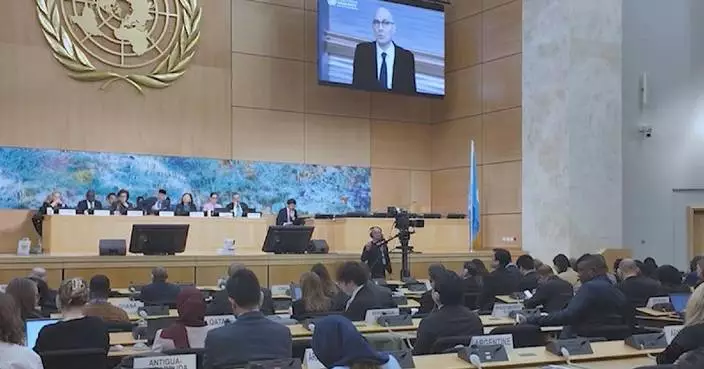
U.S. and Israeli joint strikes have killed more than 1,900 Iranians, including women and children, with at least 20,000 people injured, said Maria Martinez, head of the International Federation of Red Cross and Red Crescent Societies (IFRC) delegation in Iran.
Since the strikes began on Feb 28, many Iranian families have been forced to flee their homes to escape the attacks, displacing three percent of population nationwide, said a report released on Friday.
As of Friday, 17 Red Crescent centers have been hit, nearly 100 ambulances damaged or destroyed, and around 289 pharmaceutical, medical, and health facilities affected.
On the same day, Ahmad Alavi, head of the Tehran city council's cultural heritage committee, reported that Iran's rich cultural heritage has also suffered significant damage due to U.S.-Israeli strikes.
Alavi stated that at least 120 museums, historical buildings, and cultural sites across the country have been directly struck and sustained varying degrees of structural damage.
Tehran Province has been the worst affected, with more than 50 cultural heritage sites damaged, including well-known landmarks such as the Golestan Palace and the Saadabad Palace.
More than 92,000 civilian facilities across Iran have been damaged since the start of the U.S.-Israeli strikes, said the Iranian Red Crescent Society on Friday.

U.S.-Israeli joint strikes kill at least 1,900 people in Iran
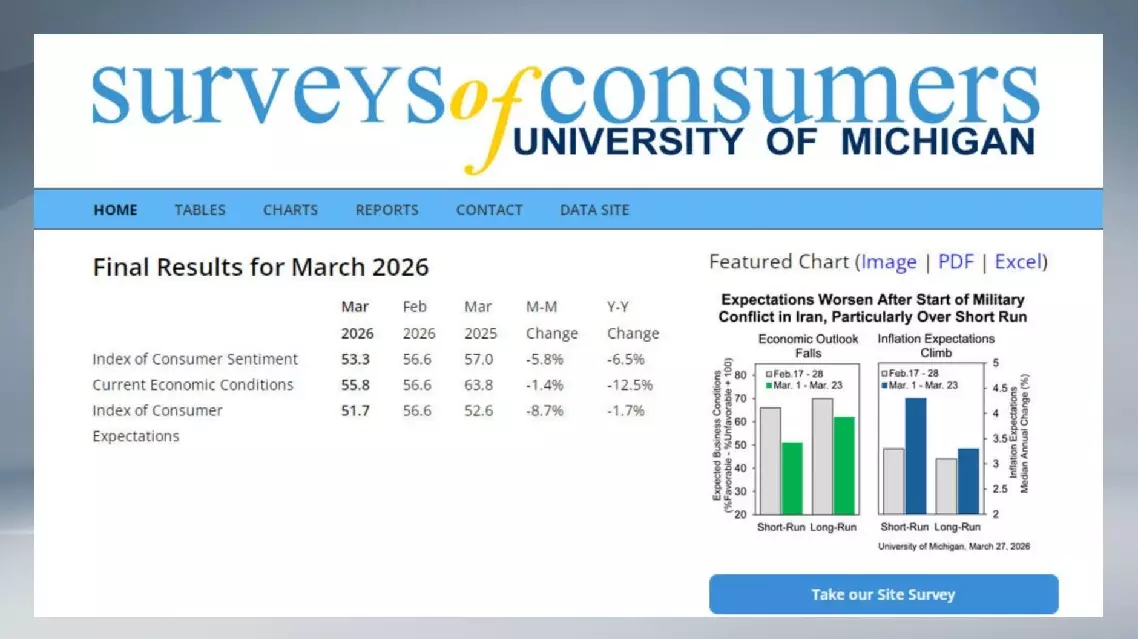
U.S. consumer sentiment fell 6 percent in March to its lowest level in three months, as rising gas prices and volatile financial markets, driven by the Iran conflict, weighed on households, according to a University of Michigan survey released Friday.
The index dropped to 53.3 in March from 56.6 in February, below last March's reading of 57.0. The decline continues a slide since January and raises concerns about household spending, a key driver of U.S. growth.
The Current Economic Conditions Index slipped to 55.8, down from 56.6 in February and well below 63.8 a year earlier. The Index of Consumer Expectations fell to 51.7, compared with 56.6 in February and 52.6 last March.
The survey found that year-ahead gas price expectations surged about fivefold from February, reaching their highest level since June 2022. Expectations for personal finances fell 10 percent, with 47 percent of respondents saying rising prices are placing a heavy burden on their household budgets.
Short-term economic outlook expectations plunged 14 percent, and 61 percent of consumers now expect unemployment to rise in the year ahead, up from 58 percent last month. Year-ahead inflation expectations climbed from 3.4 percent in February to 3.8 percent in March, the largest one-month increase since April 2025.
Although long-term expectations saw only modest declines, survey director Joanne Hsu cautioned that "these views could shift if the Iran conflict becomes protracted or if higher energy prices feed broader inflation."
On Feb. 28, Israel and the United States launched joint attacks on Tehran and several other Iranian cities, prompting Iranian retaliatory strikes in the days that followed. The conflict has rattled global energy markets, fueling concerns about supply disruptions and higher oil prices.
Economists said sustained energy shocks could deepen inflationary pressures and further erode consumer confidence.
US consumer sentiment falls to three-month low amid gas price surge, market volatility