Skip to Content Facebook Feature Image

China's Chang'an Auto opens new assembly line in Brazil

China

China

China

China's Chang'an Auto opens new assembly line in Brazil

2026-03-29 17:49 Last Updated At:03-30 12:22

China's Chang'an Automobile Group inaugurated a new assembly line on Thursday in the state of Goias, in central-western Brazil, as part of its partnership with Brazil's CAOA automotive conglomerate.

The event was attended by Brazilian President Luiz Inacio Lula da Silva, Brazilian Vice President Geraldo Alckmin, China's ambassador to Brazil Zhu Qingqiao, as well as executives from both companies and other officials.

During the ceremony, Lula highlighted the benefits of the agreement for the automotive sector and the local population. In his speech, Lula celebrated the partnership between the Brazilian and Chinese companies and emphasized the importance of such initiatives for the country's economic development.

"There is nothing more rewarding for a country than the fact that its economy can offer its citizens the opportunity to grow, the opportunity to create jobs," said the Brazilian president.

The inauguration marks the start of a new investment cycle totaling five billion reais between 2026 and 2028. This amount is in addition to the three billion reais already allocated between 2023 and 2025, bringing the total investment in the Anapolis complex to eight billion reais.

The plant has a projected annual capacity of 90,000 units.

For his part, Zhu Huarong, president of the Chang'an Automobile Group, said that the company maintains a long-term development strategy focused on localization in Brazil and serving the Latin American market.

"Our goal is to become a truly recognized localized brand in the Brazilian market. We will remain committed to a long-term, localized, systematic development, and integrated engineering and system construction, aiming to take root in Brazil, invest in Brazil, and serve all of Latin America," he said.

The launch of this new assembly line in Brazil reflects the internationalization of Chinese automotive brands around the world.

China's Chang'an Auto opens new assembly line in Brazil
China's Chang'an Auto opens new assembly line in Brazil

The spillover effects of the ongoing Middle East conflict have driven up commodity prices in Ethiopia, taking a heavy toll on people's daily life, especially for the low-income population.

With U.S.-Israeli joint military strikes on Iran now exceeding one month and no clear resolution in sight, the economic aftershocks are spreading far beyond the Middle East.

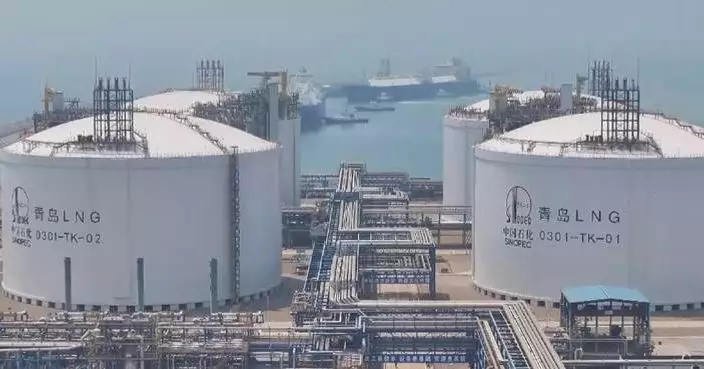
As part of its response to U.S. and Israeli operations, Iran has restricted navigation through the Strait of Hormuz, targeting ships associated with the United States and Israel. The blockade of this vital global energy route has driven up oil and gas prices worldwide.

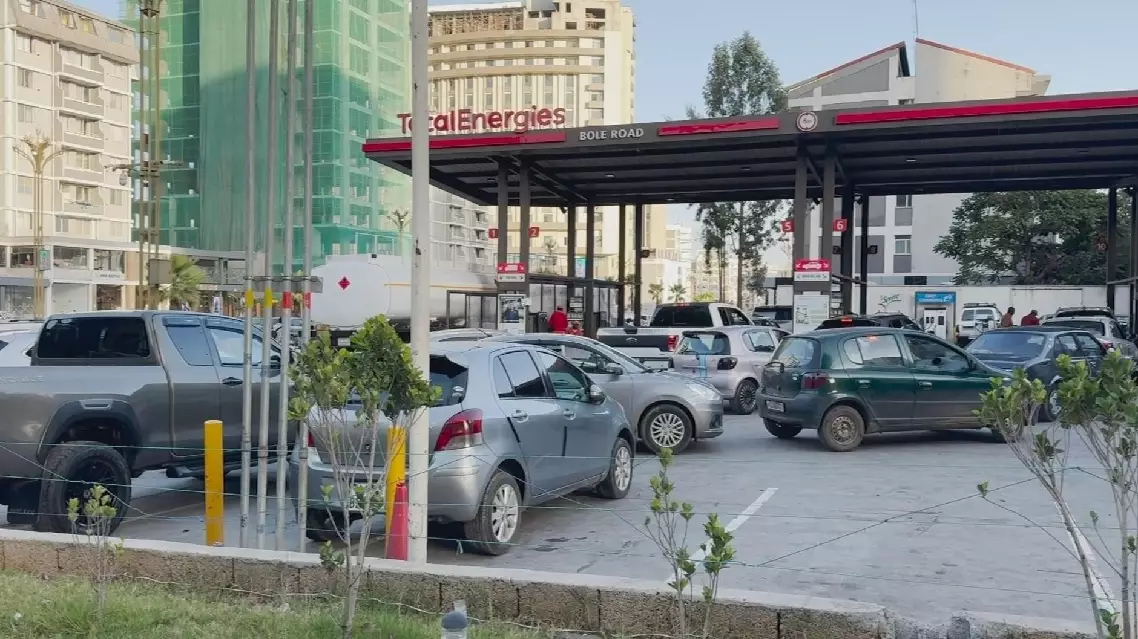
In Addis Ababa, the Ethiopian capital, long queues of vehicles could be seen at gas stations waiting for fuel. Prices of other goods are also on the rise.

"The prices of goods are going up every day. If the conflict continues, life will become very hard, especially for people with low incomes," said Zeynu Yelma, a shop owner.

Beyond rising living costs, the surge in prices has also hit the local construction industry.

"Over the past two weeks, the prices of building materials have risen sharply, severely affecting our work. The price of cement has nearly doubled. Sand and gravel costs continue to rise. The price of steel has also surged. If this trend continues, I'm afraid our work may have to stop," said Yetbarek Workenhe, manager of a construction site.

Although local authorities have been working to secure supplies, provide subsidies, and prioritize public services, the severe international situation continues to widen the supply gap.

Spillover effects of Middle East conflict push up prices in Ethiopia

Spillover effects of Middle East conflict push up prices in Ethiopia

Recommended Articles