Trump's attacks on Iran have now stretched into a month, yet tensions show no sign of easing. International fuel supplies face severe disruption as the Strait of Hormuz remains closed, sending oil prices soaring.
Trump has deployed every rhetorical tool at his disposal—even renaming the waterway the 'Trump Strait'. He’s pursued both carrots and sticks to force a quick deal with Iran on reopening. Iran, however, stands firm, signaling deep disagreement between the two sides over ceasefire terms.
Click to Gallery
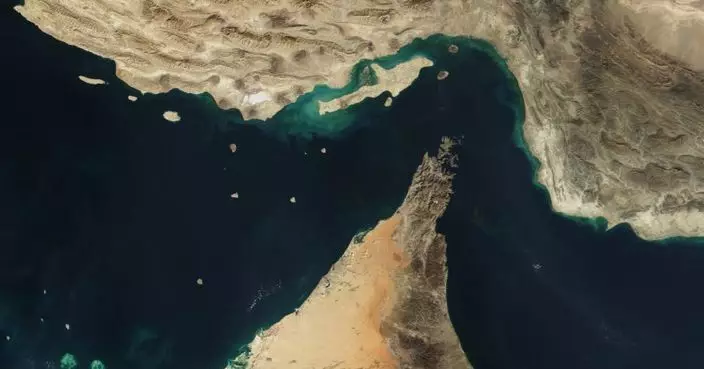
Strait of Hormuz
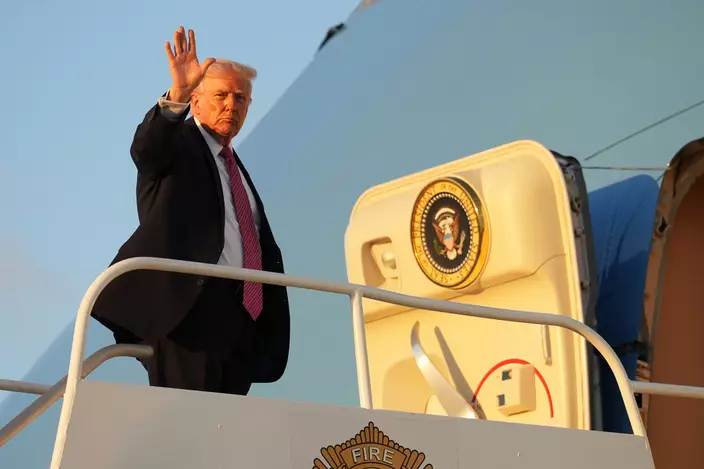
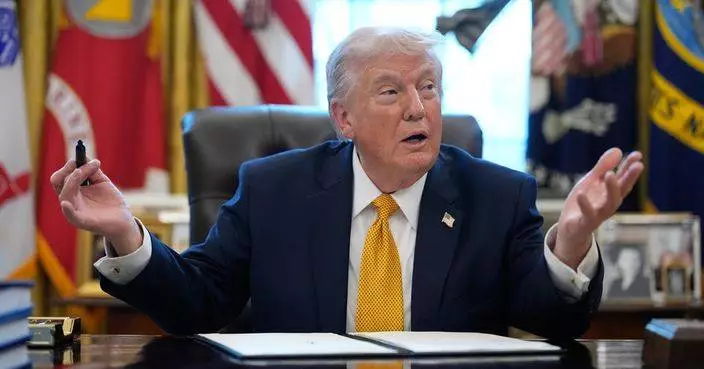
Trump speaks at a summit, calling the Strait of Hormuz the 'Trump Strait'
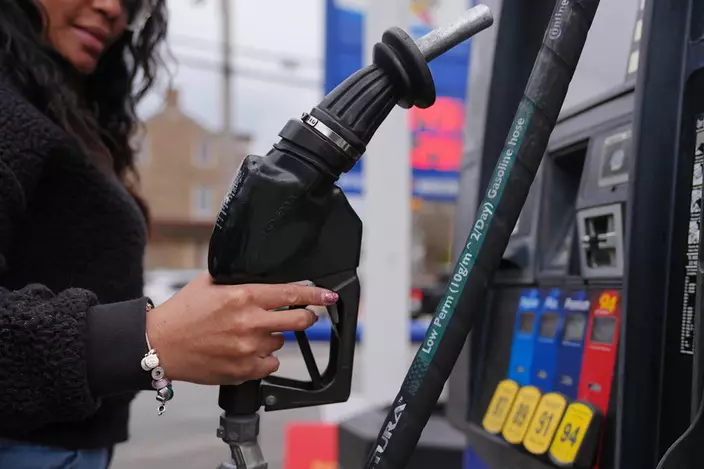
With the US-Iran conflict ongoing, the Strait of Hormuz has been effectively closed for nearly four weeks, driving international oil and gasoline prices sharply higher.
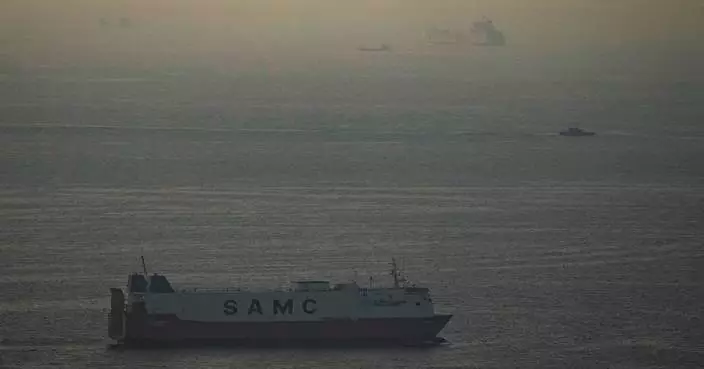
The Revolutionary Guard emphasizes that the Strait of Hormuz remains closed, with all vessels bound for or departing from US, Israeli, and allied ports barred from passage.
Strait of Hormuz
On March 27, Trump spoke at a summit and called the Strait of Hormuz the ' Strait of Trump,' insisting ' they have to open it up, the Strait of Trump — I mean, Hormuz.' He half-joked about the slip, mocking the fake news would claim he'd misspoken, and quipped that such 'accidents' rarely happen to him.
Trump speaks at a summit, calling the Strait of Hormuz the 'Trump Strait'
'Strait of Trump': US president says Iran must open key waterway
Trump claimed Iran had previously denied participating in talks but is now allowing tankers through the Strait of Hormuz to 'apologized for something they said.' He revealed Iran is actively negotiating and desperate for a deal, noting 'and two days later, they admitted it.' According to Trump, Iran initially proposed allowing 8 tankers, then added 2 more.
As the US-Iran conflict drags on, the Strait of Hormuz has been effectively shut for nearly four weeks, driving international oil and gasoline prices sharply higher. On March 26, average US gasoline prices hit roughly $3.98 per gallon—about $1 more than a month before the conflict erupted. Trump had threatened Iran with 'complete destruction' of its power plants unless it fully reopened the Strait within days, but later extended the deadline by 10 days 'as negotiations with Iran continue,' pushing the new deadline to April 6.
With the US-Iran conflict ongoing, the Strait of Hormuz has been effectively closed for nearly four weeks, driving international oil and gasoline prices sharply higher.
To downplay the impact of rising oil prices, Trump has recently been touting "productive" conversations with Iranian leaders, but this was denied by the Iranian side, stating they are reviewing the ceasefire proposal presented by the US but have not engaged in any negotiations with the United States.
Iranian Foreign Minister Araghchi said on the 25th that the Strait of Hormuz isn't completely closed and countries not involved in military action against Iran can transit with Iranian coordination. But that same day, Trump threatened to open the "Trump Strait." Iran's Mehr News Agency reported that the Islamic Revolutionary Guard Corps issued a statement saying the Strait of Hormuz remains "closed" to vessels and has turned away three container ships.
The statement detailed what happened after Trump falsely claimed the strait was open. Three container ships of different nationalities tried to enter the "Tehran toll booth " that morning. After receiving warnings from the Revolutionary Guard Navy, they were forced to turn back. The Revolutionary Guard emphasized the Strait of Hormuz is currently closed. Any vessels heading to or coming from ports of the United States, Israel, and their supporters are prohibited from passage. Attempts to transit without authorization face "severe measures."
The Revolutionary Guard emphasizes that the Strait of Hormuz remains closed, with all vessels bound for or departing from US, Israeli, and allied ports barred from passage.
According to Reuters, on March 26 Trump claimed in a cabinet meeting that he received a "gift" from Iran. He said that Iran, to demonstrate sincerity in negotiations, had allowed 10 oil tankers to pass through the Strait of Hormuz. Trump used this to validate his earlier claim that Iran is participating in negotiations and to suggest his judgment was correct.
Trump linked the release of tankers to Iran's acknowledgment of negotiations. Analysts see a clear pattern: Trump is trying to stabilize oil price volatility from the past month. He's extending deadlines to hold the line while downplaying market reactions by repeatedly calling dialogue with Iran "productive." Iran, meanwhile, has adopted a "you're anxious, I'm not" posture. It continues denying direct negotiations with the United States and reaffirms through Revolutionary Guard statements that the strait remains closed. It's using the Strait of Hormuz as leverage without signaling any willingness to open it.
On the same day, the United States and Iran released starkly conflicting accounts of strait conditions and negotiation progress. One side signaled that tanker releases and talks were moving forward in tandem; the other took concrete action to block vessel passage and reaffirmed its blockade stance. As global oil prices swung on the back of strait tensions, the divergent messaging made it harder for observers to gauge actual transit conditions and the direction of US-Iran relations.
Deep Throat
** 博客文章文責自負,不代表本公司立場 **