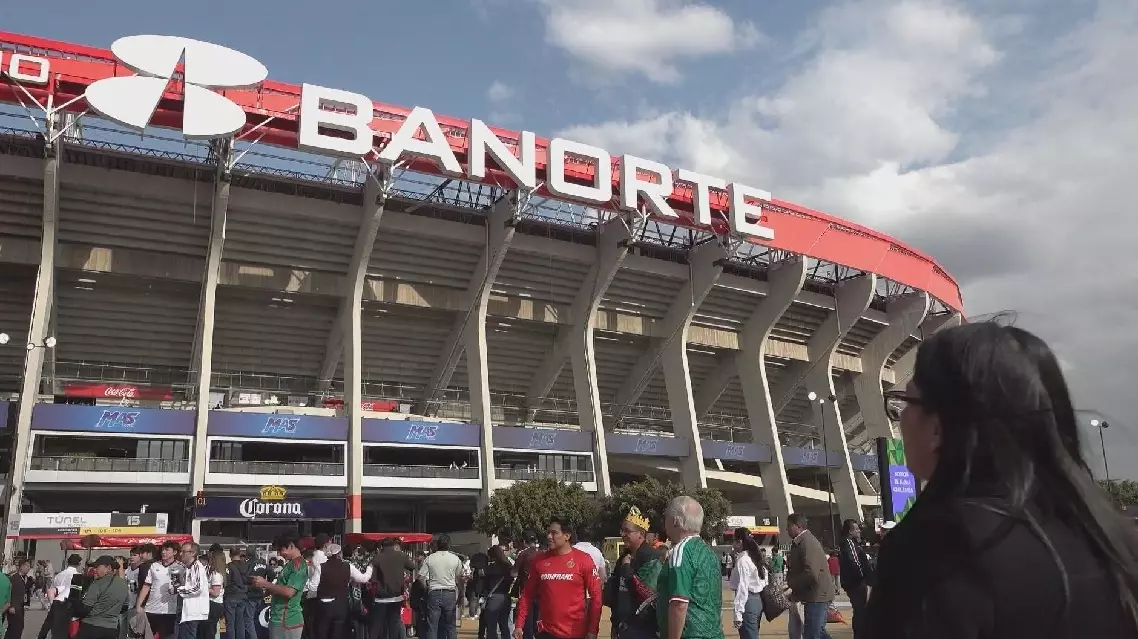
The iconic Banorte Stadium in Mexico City, a venue for the 2026 FIFA World Cup, reopened to public on Saturday after 22 months of renovation.
Also known as the Azteca Stadium, the venue is set to become the only stadium in the world to host World Cup opener matches for three times. It also witnessed football legends Pele and Diego Maradona winning the World Cup.
The city deployed more than 11,000 police officers to ensure security as the stadium hosted a friendly match between Mexico and Portugal on Saturday which ended in a draw.
"(For me) this is the most iconic stadium in world football, more than Wembley, more than the Maracana, whatever you want to name. It's like coming home, right? I know that right now the Mexican national team isn't exactly celebrating, but I like it, I like that they're coming home," said Jonathan Nuno, a fan of the Mexican national football team.
"The stadium still needs some changes that they're going to make, but for the moment it looks spectacular as it always has been. We still need to go inside the field to see how it is, but I think we're on the right track," said Jonathan Bello, another supporter of the Mexican national soccer team.
More than 2,500 square meters of LED screens, a 14-meter basement under the pitch with the new changing rooms and a corridor that will connect them to the field while being observed by VIP attendees, are part of the improvements that make the stadium a world-class venue with a capacity for more than 87,000 spectators.
"It's great. I really like it and it's a unique experience," commented Goncalo Ramos, forward for the Portuguese national team.
"Seeing this and having this type of environment now at the Banorte training camp, we know, we can imagine what it will be when the World Cup comes. I think having this type of setting is something we like. We enjoy it. It fills us with pride to see our people there, showing their passion, supporting us, standing with us to fight for victory," said Erik Sanchez, midfielder for the Mexican national team.
"They warmly welcomed us, the ceremony was also very beautiful. The Mexican people are extremely hospitable, and I would like to express my gratitude to them for this," said Joao Cancelo, defender for the Portuguese national team.
"It's an experience and a moment that I will carry with me for the rest of my life, so it's really quite beautiful," said Erik Lira, midfielder for the Mexican national team.
Renovated venue for 2026 World Cup reopens
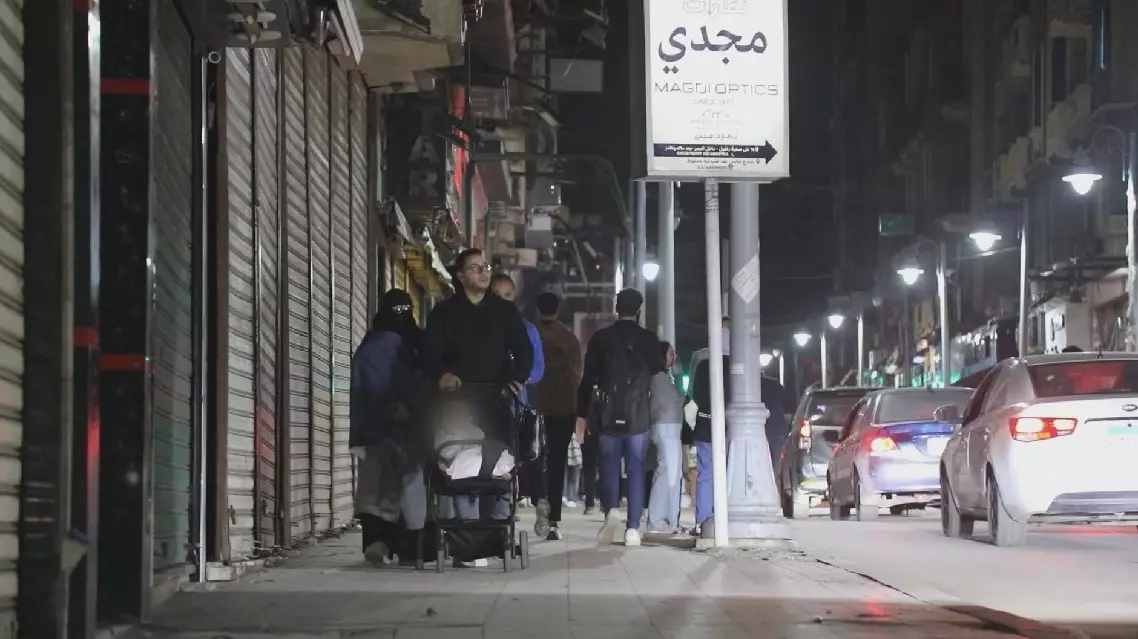
Egypt has ordered measures to cut electricity consumption after the U.S. and Israeli war against Iran disrupted oil and gas supplies, requiring shops to close early and roadside advertising to be switched off.
Shops and restaurants must shut at 21:00 under the new curfew, nearly four hours earlier than usual, curtailing Egypt’s peak evening business hours.
For restaurant manager Yasser Hamido, the closures mean reshuffling shifts, giving workers breaks, and rethinking how to keep the business running during shorter hours.
"We accept these measures, because we know it's important for the country. We'll just have to adapt by giving some of our workers a break and rescheduling shifts, then wait and see what happens," Hamido said.
The restrictions are already reshaping daily life. Egypt, known for its bustling streets and vibrant nightlife, is turning dark. Even billboards and public lights are being switched off. Only popular tourist destinations such as Sharm El Sheikh and Hurghada on the Red Sea have been exempted.
"The latest conflict in the Middle East has led to a shortage in natural gas supplies globally, including Egypt. This, coupled with energy price hikes, have made it difficult for Egypt to import gas for electricity generation. Most of Egypt's power stations are run by natural gas," said economic analyst Hossam Gawish.
The government says the energy import bill had jumped from 1.2 billion U.S. dollars in January to above 2.1 billion U.S. dollars in mid-March, forcing it to take several measures to regulate electricity consumption and avoid power cuts.
But, the early closure of all commercial, sports and entertainment activities has been controversial. Although the government outlined the economic benefits of this decision at a critical time, it has been widely criticized by a large segment of the Egyptian population.
Most Egyptians typically spend their leisure hours in the evening, when cooler temperatures draw people outdoors. Those hours account for a significant share of economic activity, and businesses have raised alarm over potential losses from early closure requirements.
"When you reduce operating hours, it leads to a significant drop in revenue and even GDP, a drop in pay for workers and a drop in the purchasing power of Egyptians. But it's a habit. Most Egyptians have to readjust their habits to be like many countries that normally close early. It will take time however," said Gawish.
Facing public backlash, officials said the early shop-closure policy will run on a trial basis and be reassessed in May.
Egypt orders early shop closures to save power amid supply crunch