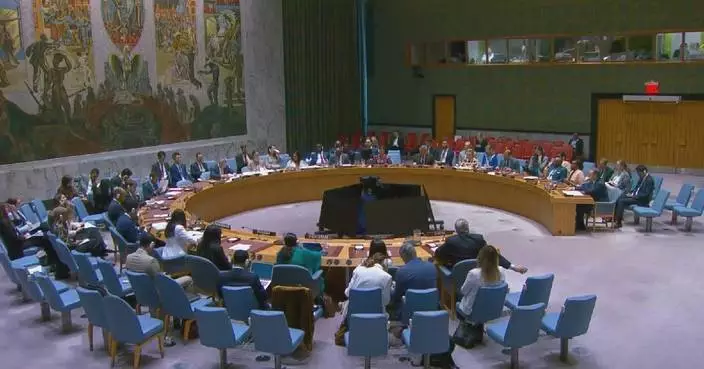
The four-day 14th Ministerial Conference of the World Trade Organization (WTO) wrapped up early on Monday in Cameroon's capital, Yaounde, with ministers adopting a number of decisions and committing to continue work in Geneva on key outstanding issues.
Notably, talks to extend a moratorium on customs duties for electronic transmissions, set to expire at the end of the month, ended in deadlock, with negotiations set to continue in Geneva.
Deliberations also focused on challenges affecting global commerce and the multilateral trading system. Experts said the global trading system is facing its worst disruptions in 80 years, partly driven by unilateral U.S. tariffs.
Delegates attending the gathering said the turmoil has left the organization divided and raised serious questions about the future of global trade.
Adam Wolfenden, deputy coordinator of the Pacific Network on Globalization (PANG), said some members are seeking to reshape the WTO to gain greater leverage in negotiations and secure more favorable outcomes.
"What we are seeing at the moment, from the US, the EU and others is trying to reshape this organization to allow them greater power to pressure and get what they want on the table as outcomes," said Wolfenden.
Discussions also delved into e-commerce, after which 66 members, representing around 70 percent of world trade, adopted a roadmap to bring into force the WTO Agreement on Electronic Commerce through interim arrangements, a move expected to help developing countries grow their digital economies. Development issues were also discussed during a ministerial session on fisheries subsidies.
"The fisheries subsidies negotiations are happening in the WTO, we already have the agreement on fishery subsidies, which deals with subsidies for illegal, unreported and unregulated fishing, and subsidies for overfished stocks. But there's an ongoing negotiation around subsidies that contribute to overfishing and overcapcity. And while we can all agree and understand that there's a problem with overfishing globally, what we see and what we would argue is the way the WTO is trying to deal with this problem will restrict the ability of other countries to develop their fishing fleets and fish in their own waters," said Wolfenden.
As the conference concluded, many expressed concern about the organization, with some experts arguing that the WTO is in crisis and that warning signs have been evident for some time.
A broad coalition of developed and developing nations said they want to work together to prevent the WTO from weakening, though member states remain divided over the reforms required.
The ministerial conference, the WTO's highest decision-making body, is generally held every two years.
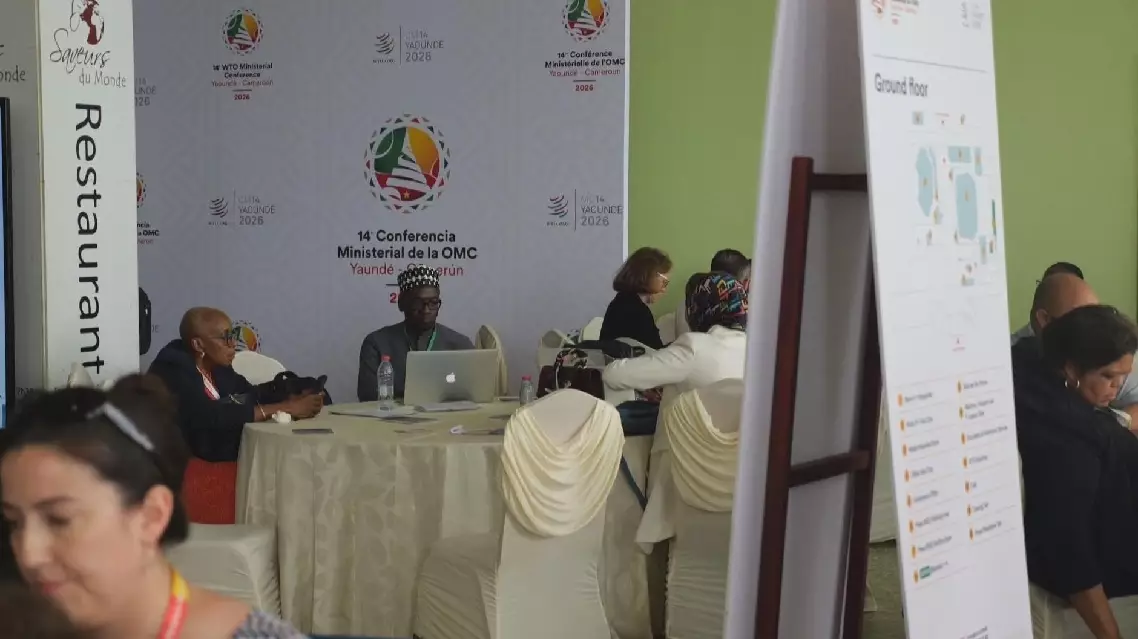
14th WTO ministerial conference concludes with focus on trade, e-commerce, fisheries