Skip to Content Facebook Feature Image

African nations at WTO conference urge resilience as Middle East tensions rattle supply chains

China

China

China

African nations at WTO conference urge resilience as Middle East tensions rattle supply chains

2026-03-30 20:49 Last Updated At:03-31 00:47

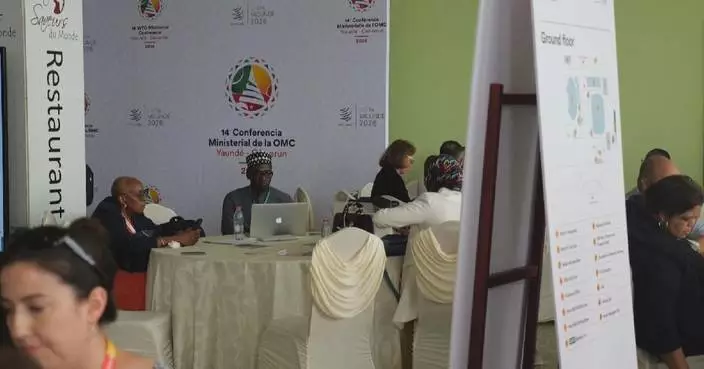
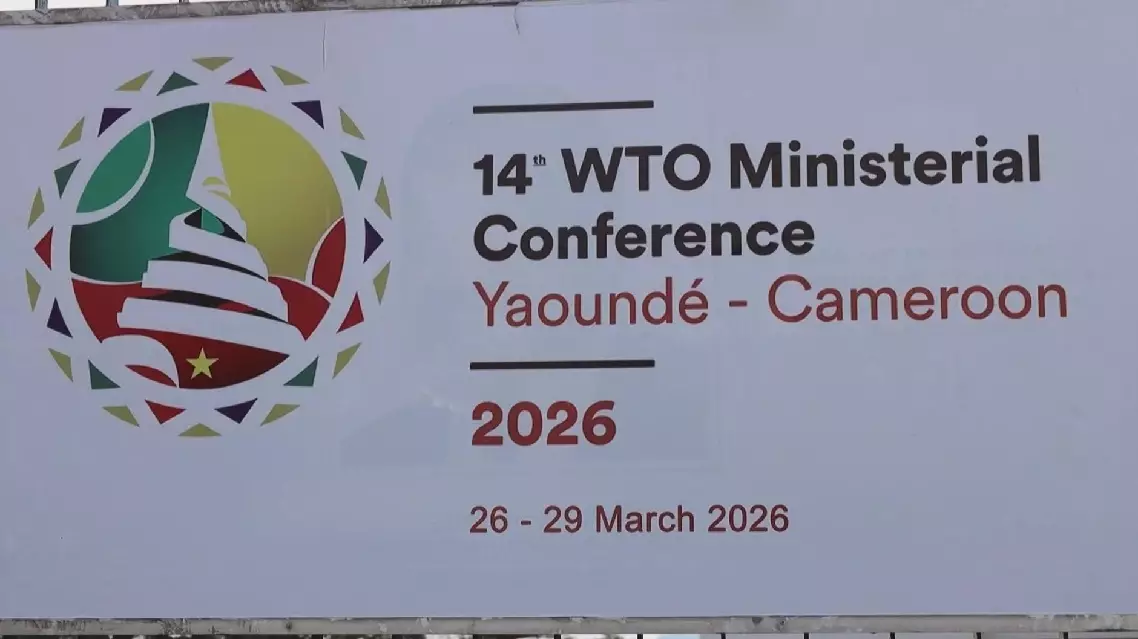
As the recently concluded 14th Ministerial Conference of the World Trade Organization (WTO) wrapped up in Yaounde, African nations pressed for stronger economic resilience amid mounting trade disruptions from the Middle East conflict, with experts warning that supply chain shocks in the Gulf are already rippling across the continent.

Delegates and trade officials at the four-day WTO ministerial in Yaounde, Cameroon, which closed Sunday, stressed the urgency of accelerating Africa’s regional integration. Their call came as tensions in the Strait of Hormuz, a key artery for global energy and fertilizer shipments, disrupt vital supply lines across the continent.

The bottleneck follows joint U.S.-Israeli strikes on Iran on Feb 28 and Tehran's retaliatory attacks across the region.

Speaking at the conference, WTO Director‑General Ngozi Okonjo‑Iweala emphasized the enduring importance of the multilateral trading system.

"Businesses and business groups have been vocal about the value of multilateral trade groups. We are grateful for your expressions of support, which tells WTO members that the rules-based multilateral trading system matter to those who actually trade," she said.

As tensions in the Middle East persist, restrictions in the Strait of Hormuz have sparked fuel shocks in Africa and beyond. The disruption is not only driving up energy costs but also threatening food production, as many African countries rely heavily on Gulf-sourced fertilizer shipped through the strait.

Edward K. Brown, senior director of research, policy and programs at the African Center for Economic Transformation, warned that the effects are already being felt across critical sectors.

"It's going to drive inflation. Food, fertilizers, for example, it's a major issue. And of course, petroleum products. I think we all see now that the price at the gas pumps have risen quite significantly," he said.

Amid this and other global shocks in recent years, African countries are moving to strengthen their economic sovereignty, prioritizing industrialization and regional integration.

"There is a need to begin to accelerate integration [and] build the markets. Our markets are still very much fragmented. If we can build [an] African continental wide market for goods and services and people, then that helps us to become much more effective in engaging with the rest of the world, particularly the global North," said Brown.

Experts say the continent needs to fully implement the African Continental Free Trade Area (AfCFTA), which aims to create a single market of some 1.4 billion people which the World Bank says could boost intra-African trade by 60 percent and lift 50 million out of poverty.

"It's a good wake up call. This crisis should not be allowed to go to waste. We should begin to accelerate all the efforts that we are doing already on the African Continental Free Trade Area, as well as the AU vision of agenda 2063 to transform African economies," said Brown.
African nations at WTO conference urge resilience as Middle East tensions rattle supply chains
African nations at WTO conference urge resilience as Middle East tensions rattle supply chains

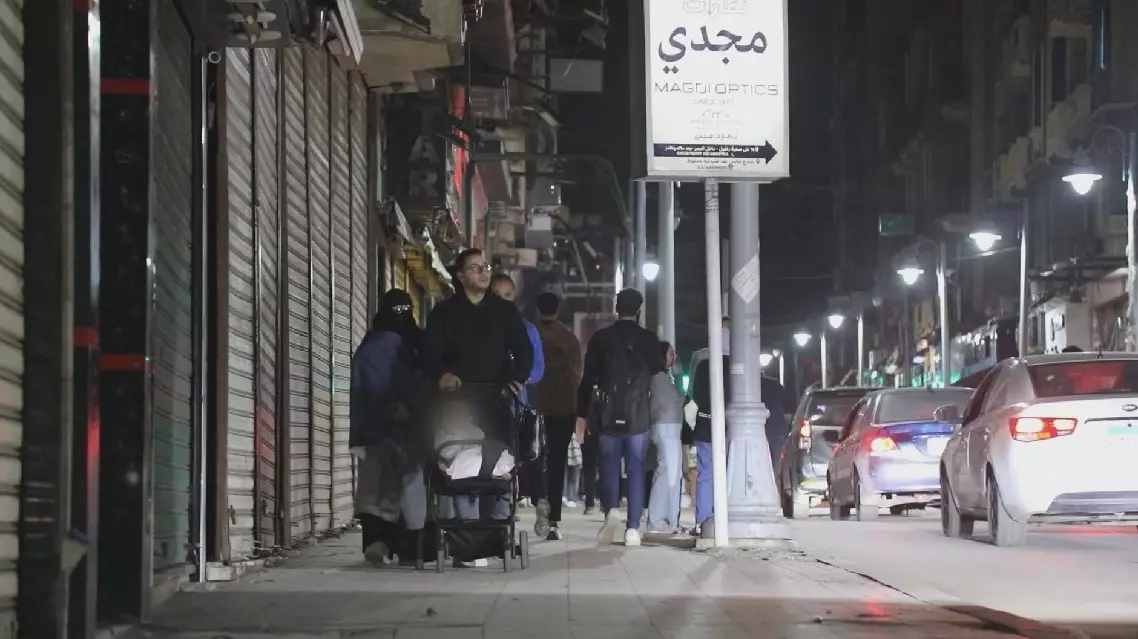
Egypt has ordered measures to cut electricity consumption after the U.S. and Israeli war against Iran disrupted oil and gas supplies, requiring shops to close early and roadside advertising to be switched off.

Shops and restaurants must shut at 21:00 under the new curfew, nearly four hours earlier than usual, curtailing Egypt’s peak evening business hours.

For restaurant manager Yasser Hamido, the closures mean reshuffling shifts, giving workers breaks, and rethinking how to keep the business running during shorter hours.

"We accept these measures, because we know it's important for the country. We'll just have to adapt by giving some of our workers a break and rescheduling shifts, then wait and see what happens," Hamido said.

The restrictions are already reshaping daily life. Egypt, known for its bustling streets and vibrant nightlife, is turning dark. Even billboards and public lights are being switched off. Only popular tourist destinations such as Sharm El Sheikh and Hurghada on the Red Sea have been exempted.

"The latest conflict in the Middle East has led to a shortage in natural gas supplies globally, including Egypt. This, coupled with energy price hikes, have made it difficult for Egypt to import gas for electricity generation. Most of Egypt's power stations are run by natural gas," said economic analyst Hossam Gawish.

The government says the energy import bill had jumped from 1.2 billion U.S. dollars in January to above 2.1 billion U.S. dollars in mid-March, forcing it to take several measures to regulate electricity consumption and avoid power cuts.

But, the early closure of all commercial, sports and entertainment activities has been controversial. Although the government outlined the economic benefits of this decision at a critical time, it has been widely criticized by a large segment of the Egyptian population.

Most Egyptians typically spend their leisure hours in the evening, when cooler temperatures draw people outdoors. Those hours account for a significant share of economic activity, and businesses have raised alarm over potential losses from early closure requirements.

"When you reduce operating hours, it leads to a significant drop in revenue and even GDP, a drop in pay for workers and a drop in the purchasing power of Egyptians. But it's a habit. Most Egyptians have to readjust their habits to be like many countries that normally close early. It will take time however," said Gawish.

Facing public backlash, officials said the early shop-closure policy will run on a trial basis and be reassessed in May.

Egypt orders early shop closures to save power amid supply crunch

Egypt orders early shop closures to save power amid supply crunch

Recommended Articles