Countries around the world have rolled out emergency measures in response to surging oil prices due to the escalating conflict in the Middle East.
In Europe, Slovenia has temporarily capped fuel purchases, while Italy is moving to cut excise duties and tax the excess profits of energy firms.
Greece is unveiling a 346-million-U.S. dollar support package for April and May, subsidizing fuel, fertilizers and ferry tickets.
In Africa, Kenya has imposed fuel rationing and halted exports to stabilize domestic supply, and Namibia is cutting fuel levies by 50 percent for at least three months through to June.
Mauritius is enforcing energy-saving rules, including curbs on decorative lighting, swimming pool heating and other non-essential power use.
In Asia, Bangladesh is enforcing fuel rationing, shutting universities and implementing five-hour rolling blackouts while prioritizing power for its garment export sector.
The Philippines has declared a national energy emergency, introducing a four-day work week for officials and mandatory power-saving measures, and Sri Lanka has ordered street lights, billboards and neon signs to be switched off, while government offices are asked to reduce air-conditioning use.
Japan will use older coal-fired power plants from April, easing previous emissions limits.
The Republic of Korea is restricting vehicle use across public institutions, affecting around 1.5 million government vehicles, while urging private sector participation.
On Monday, Australian Prime Minister Anthony Albanese announced a temporary halving of fuel excise for three months, along with a pause on heavy-vehicle road user charges. The package is expected to cost around 1.75 billion U.S. dollars.
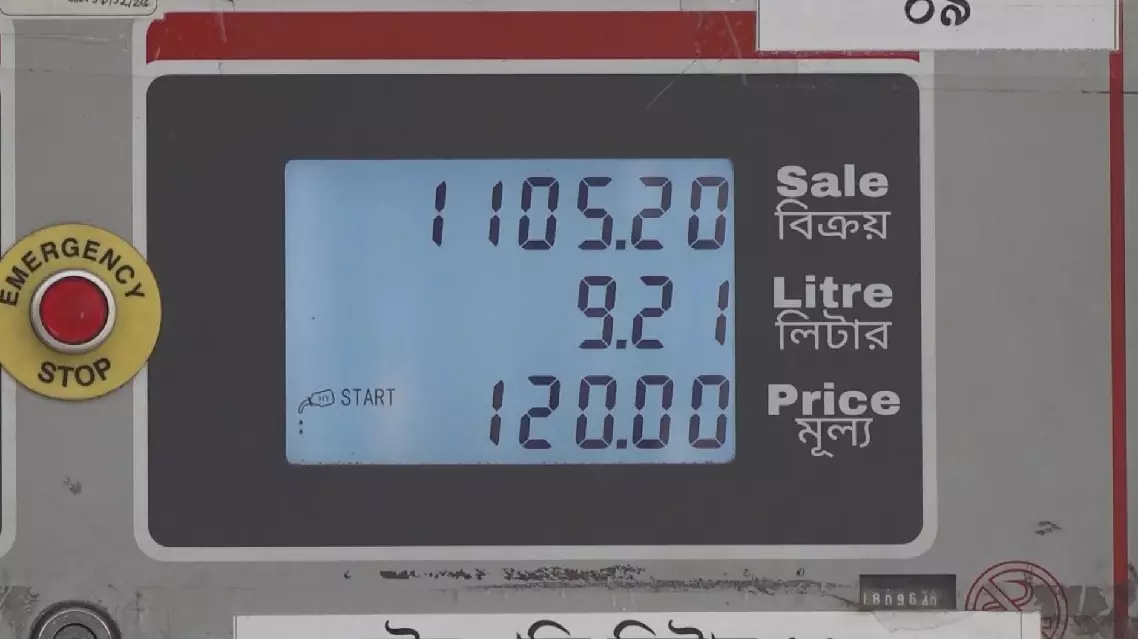
Countries take emergency measures to fight surging oil price due to Middle East conflict
Egypt has ordered measures to cut electricity consumption after the U.S. and Israeli war against Iran disrupted oil and gas supplies, requiring shops to close early and roadside advertising to be switched off.
Shops and restaurants must shut at 21:00 under the new curfew, nearly four hours earlier than usual, curtailing Egypt’s peak evening business hours.
For restaurant manager Yasser Hamido, the closures mean reshuffling shifts, giving workers breaks, and rethinking how to keep the business running during shorter hours.
"We accept these measures, because we know it's important for the country. We'll just have to adapt by giving some of our workers a break and rescheduling shifts, then wait and see what happens," Hamido said.
The restrictions are already reshaping daily life. Egypt, known for its bustling streets and vibrant nightlife, is turning dark. Even billboards and public lights are being switched off. Only popular tourist destinations such as Sharm El Sheikh and Hurghada on the Red Sea have been exempted.
"The latest conflict in the Middle East has led to a shortage in natural gas supplies globally, including Egypt. This, coupled with energy price hikes, have made it difficult for Egypt to import gas for electricity generation. Most of Egypt's power stations are run by natural gas," said economic analyst Hossam Gawish.
The government says the energy import bill had jumped from 1.2 billion U.S. dollars in January to above 2.1 billion U.S. dollars in mid-March, forcing it to take several measures to regulate electricity consumption and avoid power cuts.
But, the early closure of all commercial, sports and entertainment activities has been controversial. Although the government outlined the economic benefits of this decision at a critical time, it has been widely criticized by a large segment of the Egyptian population.
Most Egyptians typically spend their leisure hours in the evening, when cooler temperatures draw people outdoors. Those hours account for a significant share of economic activity, and businesses have raised alarm over potential losses from early closure requirements.
"When you reduce operating hours, it leads to a significant drop in revenue and even GDP, a drop in pay for workers and a drop in the purchasing power of Egyptians. But it's a habit. Most Egyptians have to readjust their habits to be like many countries that normally close early. It will take time however," said Gawish.
Facing public backlash, officials said the early shop-closure policy will run on a trial basis and be reassessed in May.
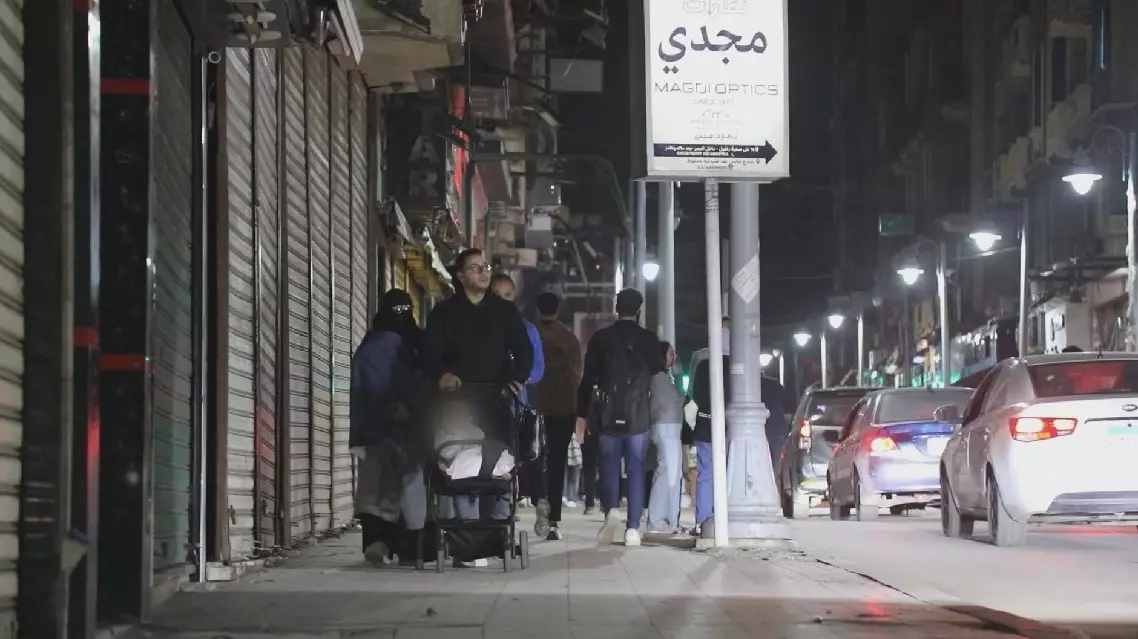
Egypt orders early shop closures to save power amid supply crunch