The World Data Organization (WDO) held its inaugural assembly in Beijing on Monday with the theme of jointly building a data cooperation platform and sharing digital development opportunities, marking its official founding.
Chinese President Xi Jinping sent a congratulatory message on Monday to mark the WDO's inauguration.
The world is quickening the pace to enter the intelligent age, and the role of data as basic resources and an innovation engine is increasingly evident, Xi said.
The WDO, with the mission of bridging the data divide, unlocking data's value and powering the digital economy, provides a useful platform to deepen international cooperation on data and improve global data governance, he said.
Xi stressed that China will uphold the principle of extensive consultation, joint contribution and shared benefits, and support the WDO in playing its role. He noted that the country will work with all parties to forge consensus on data governance rules, promote innovation in digital and intelligent technologies, facilitate the secure, orderly flow and efficient development and utilization of data, serve the healthy development of the global digital economy, and ensure that the dividends of data better benefit people of all countries.
Xi's message was read by Chinese Vice Premier Ding Xuexiang at the WDO' inaugural meeting.
Ding, also a member of the Standing Committee of the Political Bureau of the Communist Party of China Central Committee, delivered a keynote speech.
Ding said that the founding of the WDO is a significant event that aligns with the development trends of the intelligent era and deepens international data cooperation.
He highlighted China's strong emphasis on data governance and development of digital economy, saying China will continue to vigorously advance the construction of Digital China, deepen the development and utilization of data resources, accelerate innovation in digital intelligence technologies, and actively expand application scenarios, thereby providing strong impetus to prosperity and development of the global digital economy.
Ding expressed China's support for the WDO to grow and strengthen, play a role in bridging the data divide, unleashing the value of data, and fostering a thriving digital economy, ultimately contributing to a shared and brighter digital future.
Ding stressed that the founding of the WDO should be taken as an opportunity to promote the improvement of global data governance and achieve the healthy development of digital economy.
To this end, he put forward three proposals. Firstly, based on the feature of data's high fluidity, he proposed to promote the formulation, alignment, and mutual recognition of relevant rules and standards, so as to facilitate efficient data flow and utilization through open cooperation.
Secondly, based on the feature of data's high empowerment, he proposed to accelerate the implementation of the United Nations Global Digital Compact, promote joint research and development of technologies, and the application and promotion of their results, so as to achieve common development through inclusive sharing.
Finally, based on the feature of data's high sensitivity, he proposed to explore and formulate international digital governance rules that reflect the desires of all parties and respect their interests, so as to effectively address risks such as cyberattacks and data crimes, and safeguard the bottom line of data security through collaborative governance.
Attending the inaugural assembly were some 500 representatives of WDO members, Chinese and international scientists, government officials, and leaders of international organizations.
The assembly reviewed and adopted the WDO's charter, and elected its first council members and board of supervisors.
The newly elected council held its inaugural meeting, electing the organization's leadership and approving key systems and regulations.
WDO's members include enterprises, universities, think tanks, international organizations, financial institutions and other entities from the global data sector.
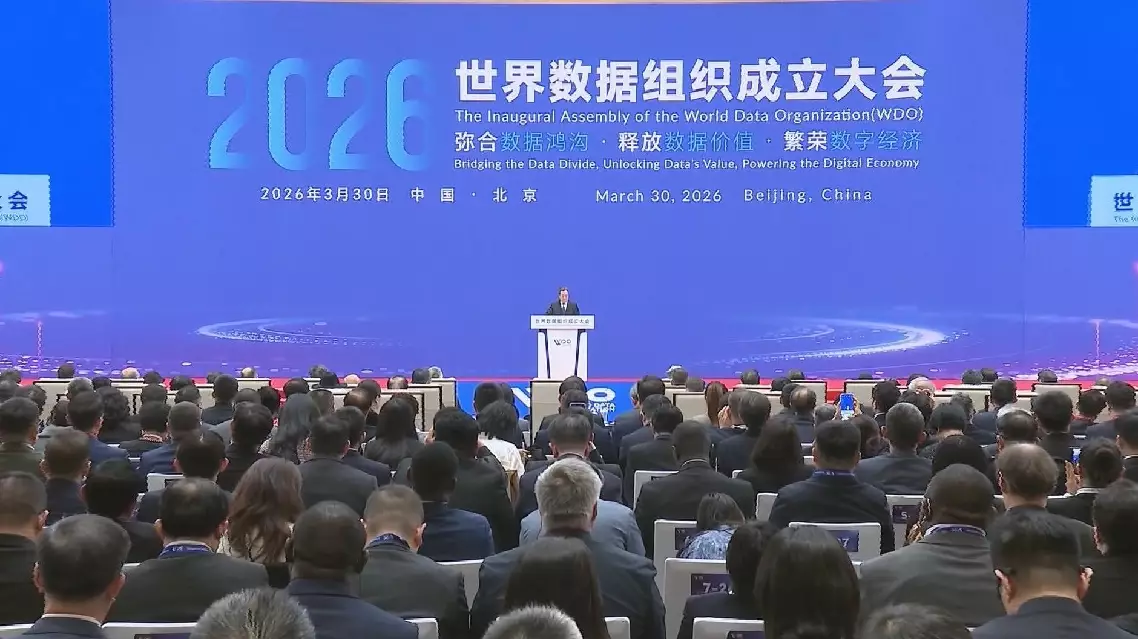
World Data Organization founded in Beijing
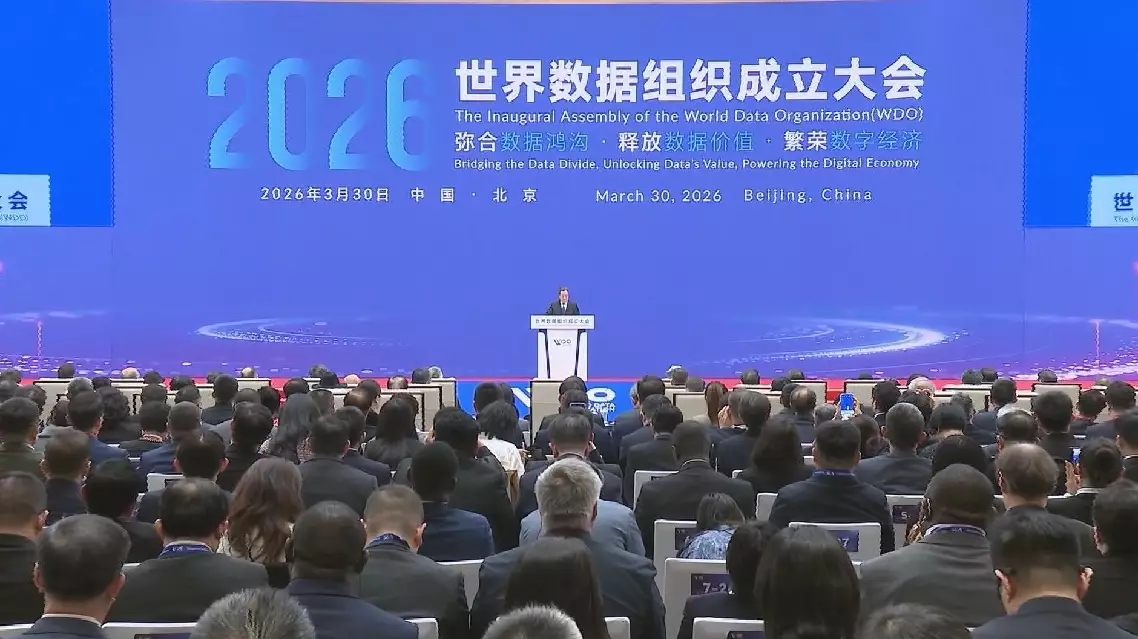
World Data Organization founded in Beijing