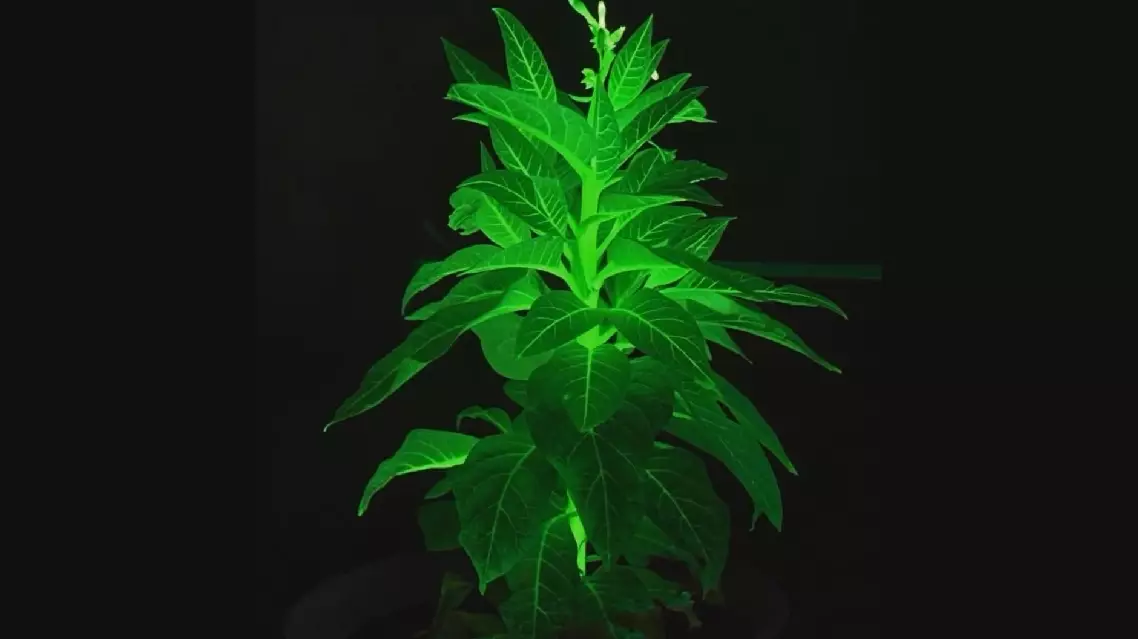
A Chinese biotechnology company has created bio-luminescent plants through genetic engineering, recreating the magical night of the "Planet Pandora" with astonishing realism.
The glowing flowers and foliage were on display at the Zhongguancun Forum 2026, offering a sustainable alternative for lighting public spaces.
Using gene editing, Magicpen Bio, a company based in the capital of east China's Anhui Province, has transferred bioluminescent genes from fireflies and glowing mushrooms into plant cells, enabling more than 20 species, including Phalaenopsis orchids, sunflowers and chrysanthemums, to glow in the dark.
Dr. Li Renhan, the company’s founder and a Ph.D. in biology from China Agricultural University, sums it up this way: it all began with a childhood dream.
"I was born in the countryside. Back then, my family didn't have any money, so at night I could do nothing but lie in a hammock in my grandfather's bamboo grove to cool off. Fireflies often landed on my arms. Later, I studied genetic editing at China Agricultural University, where I completed my master's degree and doctorate. We wanted to transfer genes from animals, like those of fireflies, into plants, so they could also glow at night. We're dedicated to bringing this technology to cultural tourism and the nighttime economy. Imagine a valley filled with glowing plants in the dark, it would be like bringing the 'Avatar' world to Earth. What an unforgettable experience would that be!" Li said.
He emphasized that the technology's potential goes beyond visual spectacles as it provides an alternative for lighting cities without electricity.
"Beyond tourism, we could also use them in urban parks without the need for electricity. It's a highly efficient, low-carbon system. Today, the country is promoting low-carbon energy, green development, and new quality productive forces. These plants don't need electricity. They only need water and fertilizer. They save energy, reduce emissions, and can light up cities at night. That's exactly what we're doing," said Li.
Advances in genetic editing are allowing researchers to observe the development and evolution of diseases in greater depth, accelerating the development of new drugs and providing critical scientific insights for treating previously intractable conditions.
In agriculture, by editing susceptibility genes in rice, scientists have bred new strains resistant to multiple pests, providing a solid foundation for global food security.
From curing diseases to improving crops, genetic editing, a magical brush capable of rewriting the code of life, shows that the script of life is not set in stone.
However, this ability to “rewrite the script” carries profound implications. It demands that decisions be made with the utmost caution and deep respect for life, carefully balancing hope against risk and individual interests against the future of humanity, so that every step upholds the dignity of life and the principle of equity.
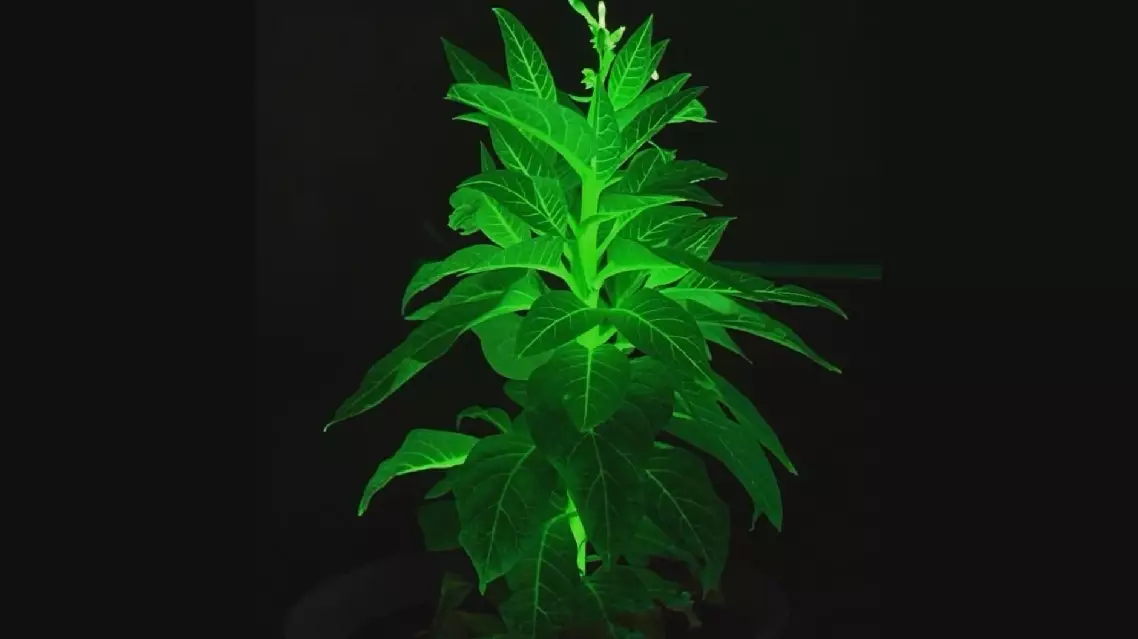
Genetic engineering creates luminescent plants, bringing "Avatar'' world closer to reality
Genetic engineering creates luminescent plants, bringing "Avatar'' world closer to reality