Skip to Content Facebook Feature Image

U.S. prepares options for limited escalation to force concessions from Iran: expert

China

China

China

U.S. prepares options for limited escalation to force concessions from Iran: expert

2026-03-30 17:31 Last Updated At:23:37

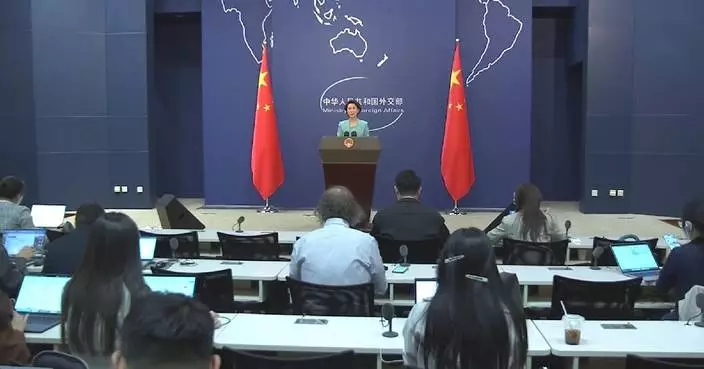
The United States is likely to conduct a limited ground operation aimed at forcing Iran to make concessions rather than launching a large-scale, protracted occupation, a Chinese scholar on said in a recent interview with China Global Television Network (CGTN).

Zhang Chuchu, deputy director of the Center for Middle Eastern Studies at Fudan University, offered an in-depth analysis of the evolving military strategy of the United States amid the ongoing Middle East conflict, noting that the month-long air campaign has failed to deliver a quick victory that U.S. President Donald Trump had anticipated.

"From my observation, the United States is heading for it. The primary reason the United States launched or is going to launch a ground operation is that the month-long air campaign failed to achieve a quick victory as expected by President Donald Trump. And right now, he finds out that air strikes and target killings could not completely resolve the Strait of Hormuz crisis. However, on the other hand, the United States was unwilling to launch a large number of ground troops into a protracted occupation," Zhang said.

She explained that while air strikes have not fully resolved the Strait of Hormuz crisis, the United States is hesitant to commit to a long-term conflict.

"So right now, the United States' strategy is to increase troops' presence while negotiating at the same time. Right now, he has sent two marine expeditionary units plus thousands of more soldiers from the 82nd Airborne Division immediate response force. Washington aims to deter Iran and pressure it into making significant concessions. But if Iran does not make substantial concessions, then Washington might conduct a limited ground operation to attempt to seize the Kharg island," she said.

On Feb 28, Israel and the United States started joint attacks on Tehran and several other Iranian cities, killing Iran's then-Supreme Leader Ali Khamenei, along with senior military commanders and civilians. Iran responded by launching waves of missile and drone strikes targeting Israel and U.S. bases and assets in the Middle East.

Iran's Islamic Revolution Guard Corps (IRGC) announced on Friday that passage is prohibited for any vessel through any corridor in the Strait of Hormuz to and from the ports of countries allied with and supporting the United States and Israel.

Amid the escalating tensions, the Washington Post reported on Saturday that the Pentagon is preparing for weeks of ground operations in Iran, as thousands of U.S. soldiers and Marines arrive in the Middle East.

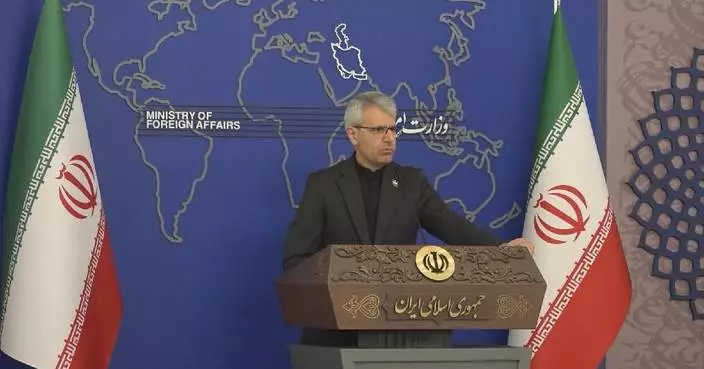
In response to U.S. threats of ground operations, Iran on Sunday warned it will respond decisively amid rising speculation that the United States may escalate the conflict into ground operations.

U.S. prepares options for limited escalation to force concessions from Iran: expert
U.S. prepares options for limited escalation to force concessions from Iran: expert

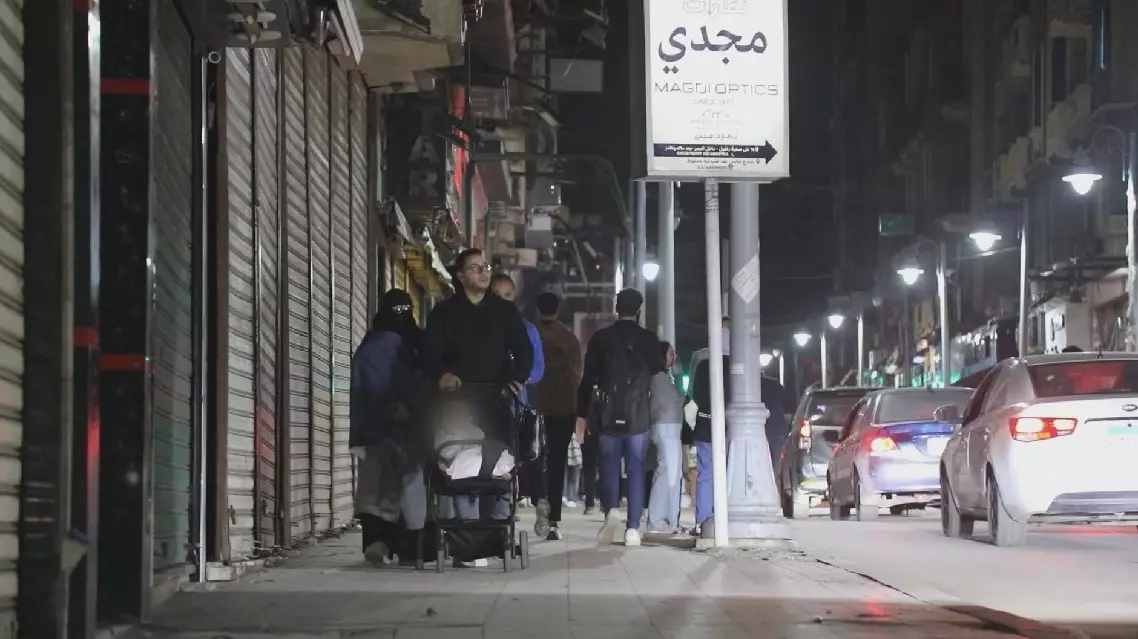
Egypt has ordered measures to cut electricity consumption after the U.S. and Israeli war against Iran disrupted oil and gas supplies, requiring shops to close early and roadside advertising to be switched off.

Shops and restaurants must shut at 21:00 under the new curfew, nearly four hours earlier than usual, curtailing Egypt’s peak evening business hours.

For restaurant manager Yasser Hamido, the closures mean reshuffling shifts, giving workers breaks, and rethinking how to keep the business running during shorter hours.

"We accept these measures, because we know it's important for the country. We'll just have to adapt by giving some of our workers a break and rescheduling shifts, then wait and see what happens," Hamido said.

The restrictions are already reshaping daily life. Egypt, known for its bustling streets and vibrant nightlife, is turning dark. Even billboards and public lights are being switched off. Only popular tourist destinations such as Sharm El Sheikh and Hurghada on the Red Sea have been exempted.

"The latest conflict in the Middle East has led to a shortage in natural gas supplies globally, including Egypt. This, coupled with energy price hikes, have made it difficult for Egypt to import gas for electricity generation. Most of Egypt's power stations are run by natural gas," said economic analyst Hossam Gawish.

The government says the energy import bill had jumped from 1.2 billion U.S. dollars in January to above 2.1 billion U.S. dollars in mid-March, forcing it to take several measures to regulate electricity consumption and avoid power cuts.

But, the early closure of all commercial, sports and entertainment activities has been controversial. Although the government outlined the economic benefits of this decision at a critical time, it has been widely criticized by a large segment of the Egyptian population.

Most Egyptians typically spend their leisure hours in the evening, when cooler temperatures draw people outdoors. Those hours account for a significant share of economic activity, and businesses have raised alarm over potential losses from early closure requirements.

"When you reduce operating hours, it leads to a significant drop in revenue and even GDP, a drop in pay for workers and a drop in the purchasing power of Egyptians. But it's a habit. Most Egyptians have to readjust their habits to be like many countries that normally close early. It will take time however," said Gawish.

Facing public backlash, officials said the early shop-closure policy will run on a trial basis and be reassessed in May.

Egypt orders early shop closures to save power amid supply crunch

Egypt orders early shop closures to save power amid supply crunch

Recommended Articles