Audiovisual technology giant Dolby is set to open its first global flagship experience center in Shanghai, a city at the forefront of China's lifestyle culture, where it will showcase a diverse range of experiences, from esports set-ups to vehicle audio systems.
During an interview with China Global Television Network (CGTN) on Monday, Javier Foncillas, Vice President of Commercial Partnerships and Global Sales at Dolby, emphasized the importance the company places on collaborating with global business partners.
"Dolby does not sell anything to the consumer, so we rely on our partners. And the good thing about Shanghai is we have all of them here in Shanghai," he said.
The audiovisual industry has been largely disrupted in recent years as smartphones have come to dominate everyday life, but according to Foncillas, this trend may present just as many opportunities as it does challenges.
"I agree with the tendency -- people using their phones more and more, and they’re using them on the go, outside the home. But in a way, I think because you're spending so much time with their phones, they're actually expecting more from the phones. And what we find is that we actually have requests to adapt our technology and both our audio and our video technology for the phones," said the executive.
On Dolby's relationship with its Chinese business partners, he highlighted that many of them are urging Dolby to innovate, noting that China is home to the company’s most active partners. Among them, Li Auto is the first car manufacturer in the world to provide the most advanced Dolby visual and audio technologies.
"A lot of the new energy vehicles here in China, they push us to do new things. For example, when we introduced music, they said, 'Oh, but why just music? Why don't we have like audiovisual content?' So, they pushed us to, 'Hey, why don't you add Dolby Vision to our screens? Why don’t you help us get services like (popular web video service) Bilibili in the car?" Foncillas said.
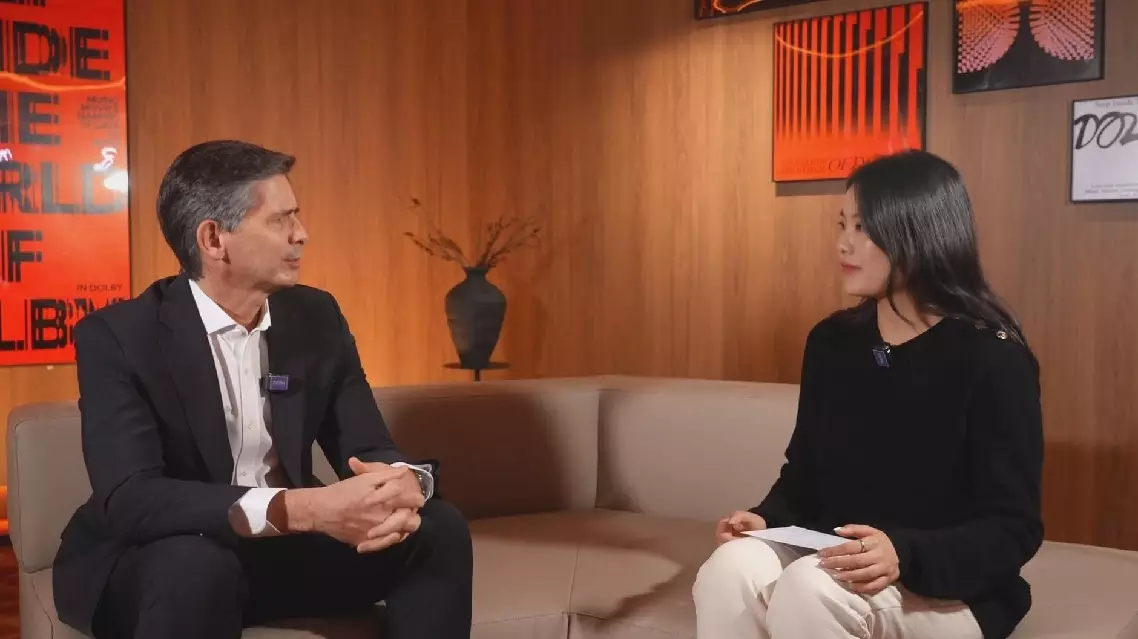
Dolby to open global flagship experience center in Shanghai
Japanese lawmaker Keiji Furuya's consistent provocations on Taiwan-related issues have severely violated the one-China principle and the spirit of the four political documents between China and Japan, and China's countermeasures is a just act against the "new militarism" ideology, a scholar on China-Japan relations said in Beijing on Tuesday.
China on Monday announced countermeasures against Keiji Furuya, member of Japan's House of Representatives, for his collusion with Taiwan secessionist forces and other egregious moves, said Foreign Ministry spokeswoman Mao Ning. The punitive countermeasures against Furuya are a means of deterrence and warning, and China will also take other necessary punitive measures in light of the situation, according to Mao.
Furuya has made a number of sneaky visits to China's Taiwan region, and at a forum there on March 16, he provocatively declared "Japan's determination to protect Taiwan" and even claimed that "changes in Taiwan cannot be allowed to happen."
In an interview with China Central Television on Tuesday, Meng Xiaoxu, a research fellow at the Institute of Japanese Studies, Chinese Academy of Social Sciences, said Furuya's moves are a direct challenge to established diplomatic norms.
"The speech he made in Taiwan was actually to defend [Japanese Prime Minister Sanae] Takaichi's erroneous remarks concerning Taiwan. He also mentioned the issue of so-called 'military exchanges' between Japan and Taiwan, which apparently goes against the basic consensus on the one-China principle in China-Japan relations," said Meng.
Furuya has served as the chairman of the Japanese Diet Members' Consultative Council with Taiwan since 2018, an organization known for its strong pro-Taiwan secession leanings.
"This council was actually an organization set up in 1973 by some pro-Taiwan elements in Japan after the normalization of China-Japan diplomatic relations in 1972. Its main purpose was to maintain contact with Taiwan secessionists through alternative channels. Especially after Keiji Furuya became its chairman, the frequency and scale of the organization's visits to Taiwan have exceeded historical levels," said Meng.
Furuya is widely regarded as one of Sanae Takaichi's core aides. Last October, he was appointed chairman of the Liberal Democratic Party's Election Strategy Committee, responsible for election strategy affairs. Throughout his political career, Furuya has also repeatedly visited the Yasukuni Shrine, which honors 14 Class-A World War II criminals.
"Keiji Furuya frequently visits the Yasukuni Shrine, and when he visits the Yasukuni Shrine, he never forgets to mention the Taiwan issue. In fact, he is Takaichi's spokesperson and major promoter on the Taiwan issue. He represents Japan's far-right-wing forces, the idea of 'using Taiwan to contain China' is deeply rooted in his mind. We indeed should take resolute measures to counter it. A major reason for the current downturn in China-Japan relations is Takaichi's erroneous remarks concerning Taiwan, and Japan's current collusion with Taiwan, who not only collude but also make provocations. It is Japan that has deviated from the political foundation of China-Japan relations and continuously provoked China's national interests. The historical revisionism led by the Japanese government is getting rampant throughout the country, leading to the current prevalence of 'new militarism' ideology, which is very dangerous," said Meng.
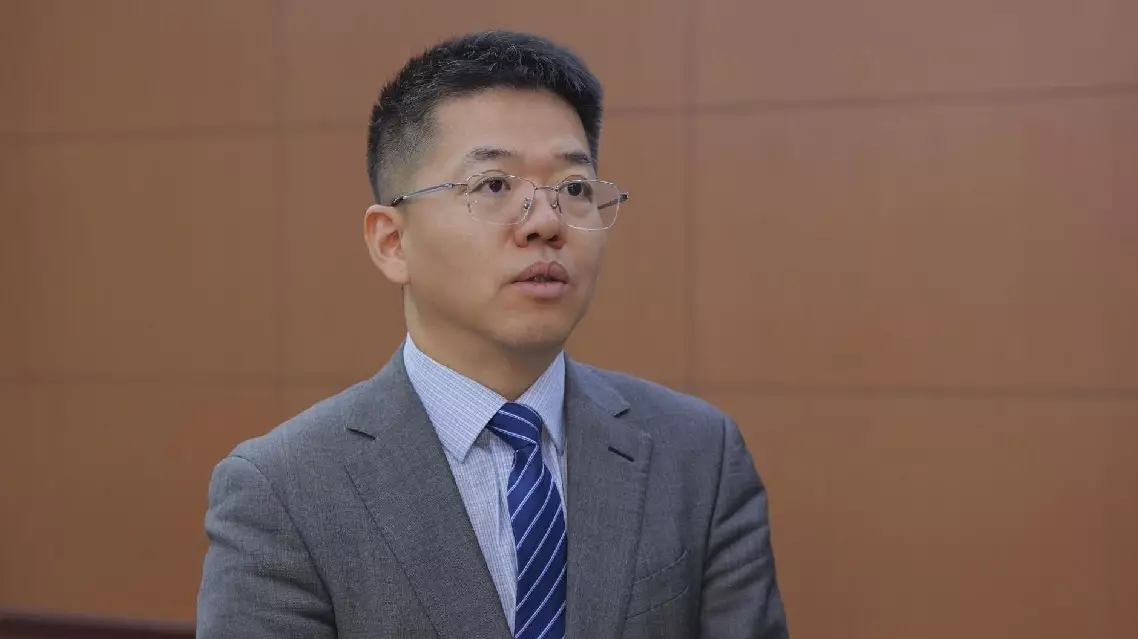
Chinese scholar justifies countermeasures against Japanese lawmaker